


Asian Wood Urn Stands
Asian wood urn stands raise precious vessels and planters to eye level, bringing balance and classical form to a room.
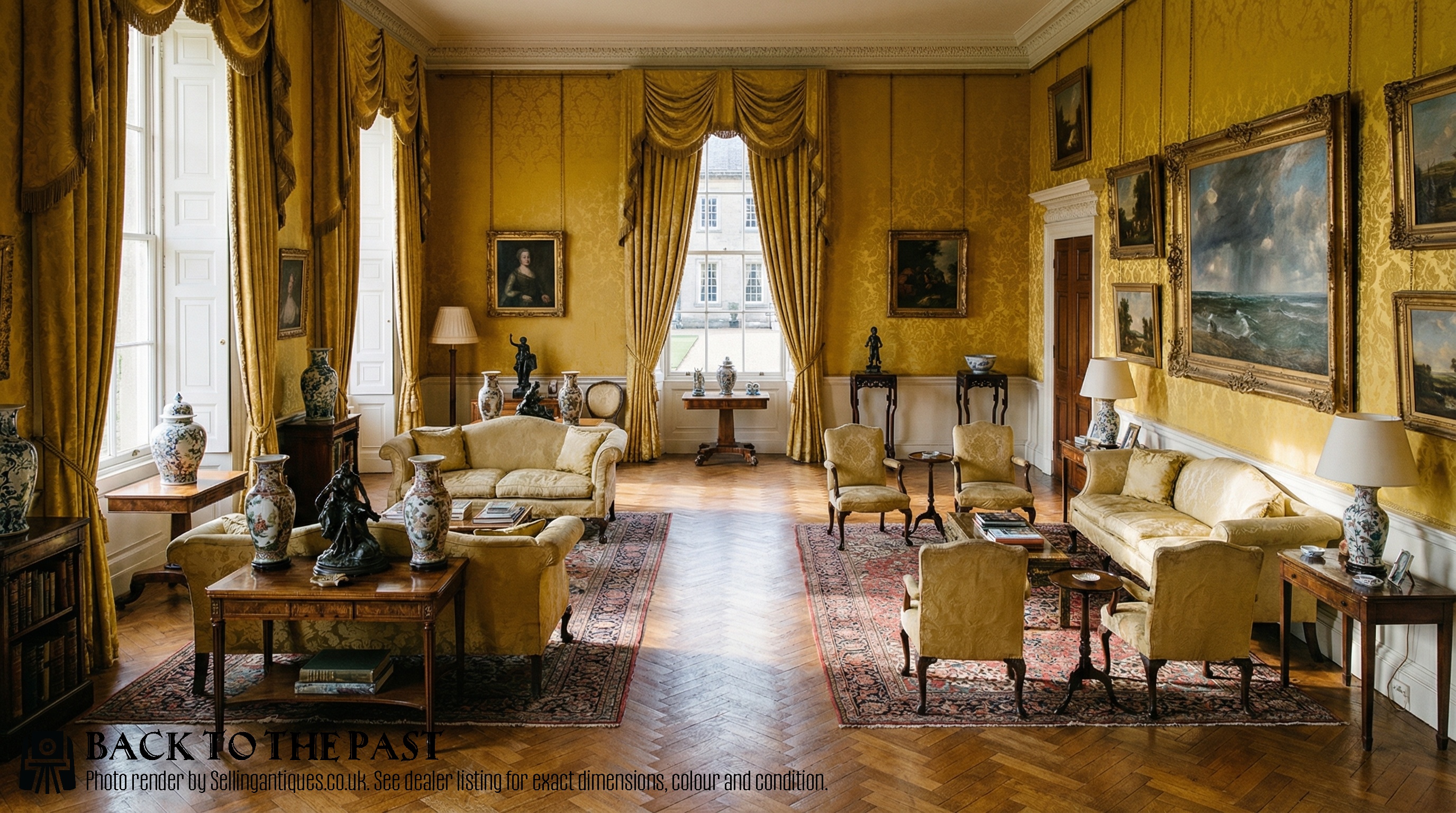
Asian Wood Urn Stands
When you search for Asian wood urn stands, you encounter low tables and pedestals designed to elevate heavy vessels, jardinières and display pieces. The pieces you meet most often on this page date from the nineteenth century, including the Victorian era and the Qing dynasty.
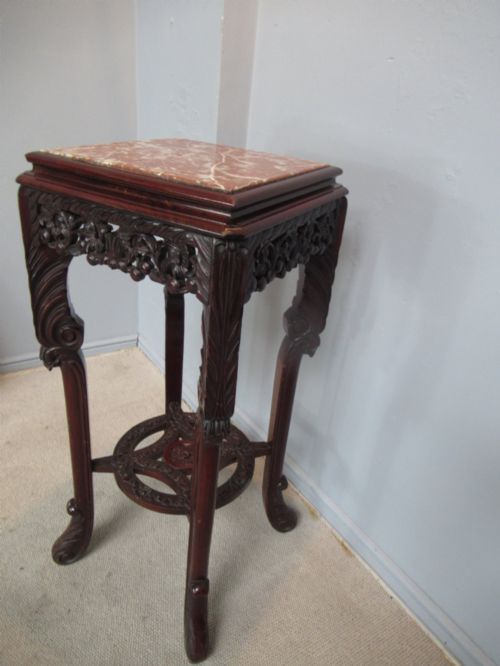
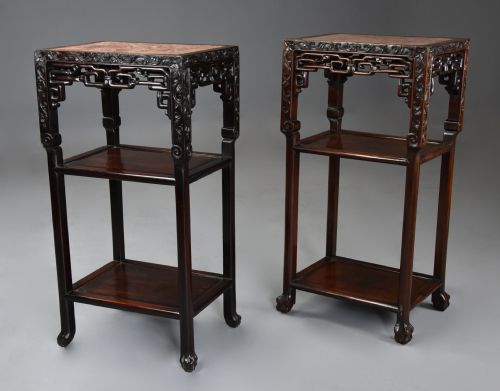
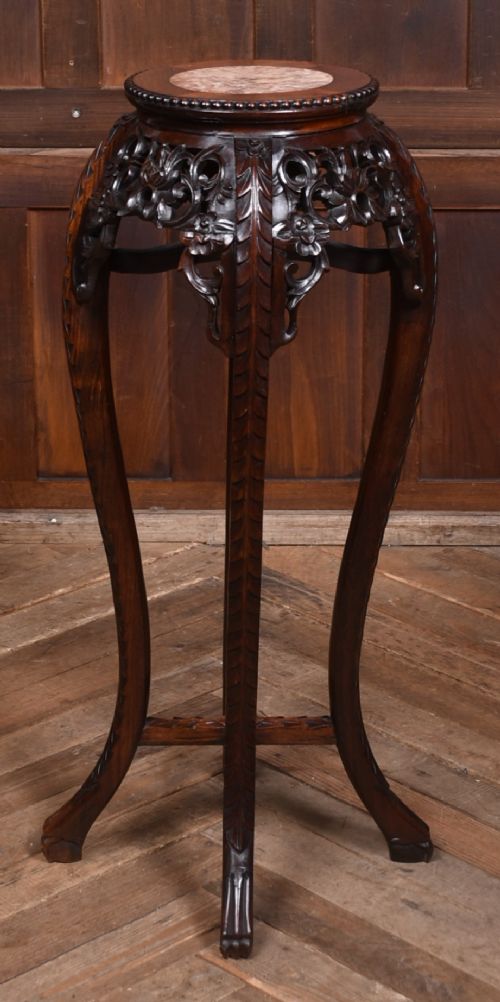
Makers shaped these supports as plant stands, side tables, torchères and multi-tiered pedestals to suit various interior displays. Many examples incorporate inset marble panels or carved aprons that reflect traditional Chinese and Japanese craftsmanship from the Meiji period.
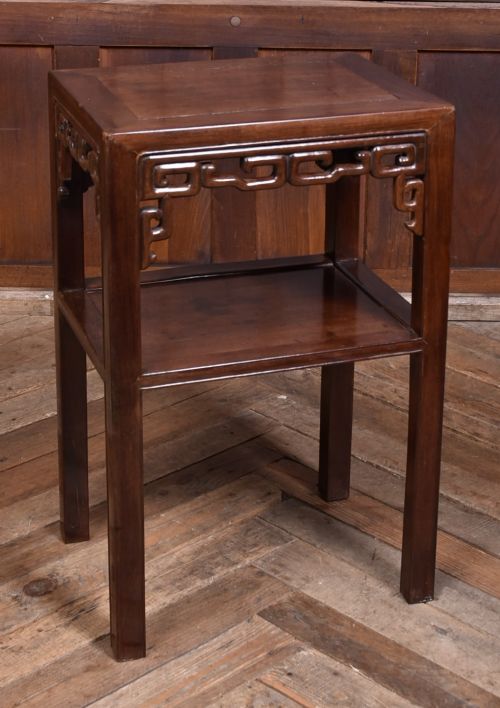
Domestic interiors benefit from these stable platforms, which serve equally well as occasional tables or lamp stands. The selection ranges from simple tripod bases to substantial square and rectangular forms intended for prominent rooms.
Materials and construction
Joinery relied on dense tropical timbers such as hardwood, rosewood, hongmu and padouk, selected for their strength and heavy weight. Artisans carved intricate floral and scrolling motifs directly into the dense grain of the wood without relying on surface veneers.
Makers often set polished marble slabs into the timber tops to provide a cool, flat surface that resisted moisture from plant pots and vases. Selected pieces also incorporate mother-of-pearl inlay, brass elements, lacquer or porcelain components to accent the dark timber frames.
Listings feature nineteenth-century items incorporating hardwood, marble, rosewood, hongmu, porcelain, enamel, brass and lacquer.
Distinctions in craftsmanship
The standard of carving defines the distinction between standard production and exceptional examples, with deeper undercut reliefs and crisp floral details showing superior handwork. The choice of timber also matters, as dense rosewood and heavy hongmu command greater appreciation than softer domestic woods.
Structural integrity and the precise fit of the inset marble top indicate the original maker's skill. Pieces that retain their matched pairs, original patination and unblemished joinery represent the upper end of the range.
The Asian Wood Urn Stands Glossary
- Hongmu
- A dense, dark tropical hardwood traditionally used in fine Chinese furniture. It translates literally to red wood and develops a rich patina through handling.
- Jardiniere
- A large ornamental pot or container for plants or flowers. These stands were specifically built to support such heavy vessels.
- Torchere
- A tall stand or pedestal originally designed to hold a torch or candle. In later periods, they supported lamps and tall vases.
- Padouk
- A heavy, durable timber with a reddish hue used for classical Asian tables. It holds fine detail well when carved.
- Qing Dynasty
- The final imperial dynasty of China, lasting from the seventeenth to the early twentieth century. Many surviving stands originate from its later decades.
Asian Wood Urn Stands: Frequently Asked Questions
What were Asian wood urn stands used for?
These pieces served primarily to elevate heavy decorative objects, temple jars and potted plants above floor level. By raising vases and jardinières, households protected delicate flooring and displayed important decorative items with greater prominence.
They also functioned as small side tables or lamp stands within formal reception rooms. The sturdy construction safely bore the substantial weight of stone, ceramic and bronze vessels without tipping.
How do I care for a hardwood stand?
Maintain the timber by keeping the surface dusted with a soft, dry cloth and avoiding direct sunlight. Conditioning the wood occasionally with appropriate natural wax preserves the finish and prevents the grain from drying out.
Protect the inset marble top from harsh acids and heavy impacts. Use felt pads beneath heavy objects placed on the timber or stone to prevent scratching.
How can I tell the period of a stand?
Examine the tool marks, timber density and construction methods visible beneath the frame. Nineteenth-century examples often exhibit hand-carved joinery and traditional mortise-and-tenon techniques without modern metal fasteners.
Stylistic cues such as Qing dynasty motifs or Meiji period characteristics help narrow the origin. Natural wear patterns and the depth of the patina also indicate greater age.
Are these stands suitable for modern lamps?
The flat top surfaces accommodate table lamps, porcelain vase lamps and reading lights securely. Two-tier models offer extra shelf space for cords or small accessories.
Verify that the footprint of the lamp base matches the width of the platform to ensure stability. The sturdy hardwood construction easily supports the weight of standard ceramic or brass lighting fixtures.