


Asian Watercolour Art
Asian watercolour art brings delicate brushwork and nuanced pigment on paper, silk, and pith paper into your rooms.
Asian Watercolour Art
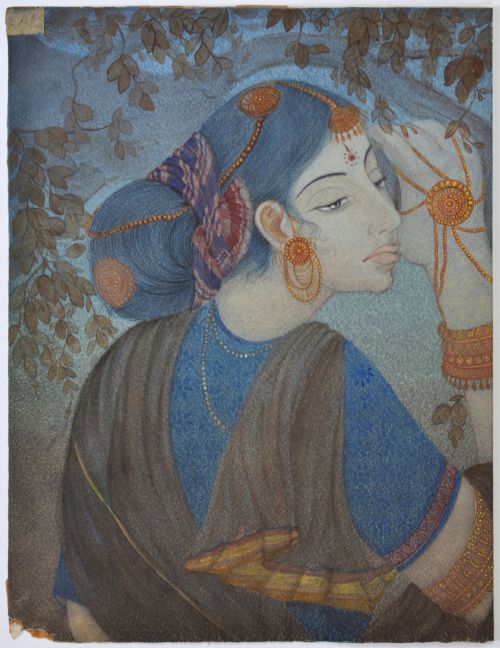
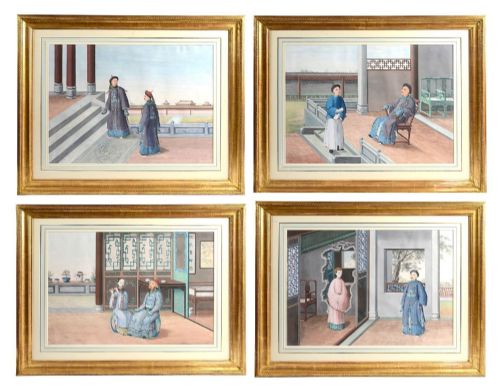
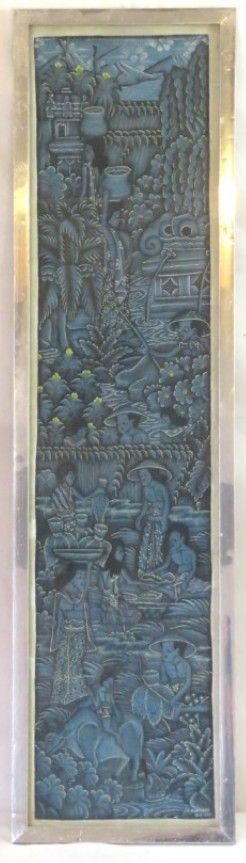
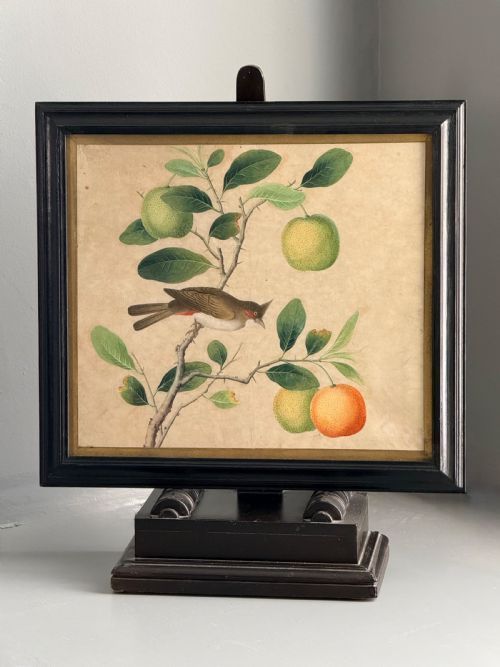
Asian watercolour art encompasses painted works originating from China, Japan, and Bali, spanning periods from the eighteenth century to the mid-twentieth century. The selection leans heavily towards Chinese export and traditional pieces executed on silk, pith paper, and standard paper supports.
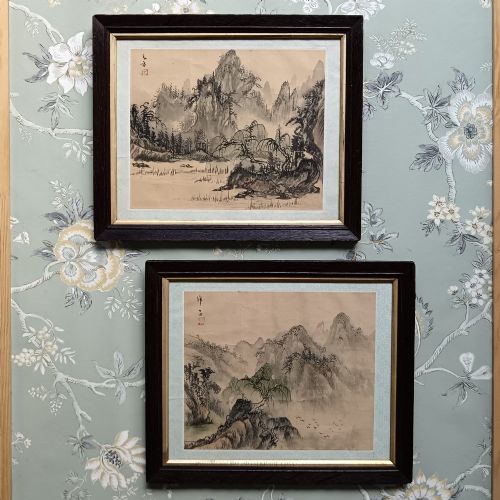
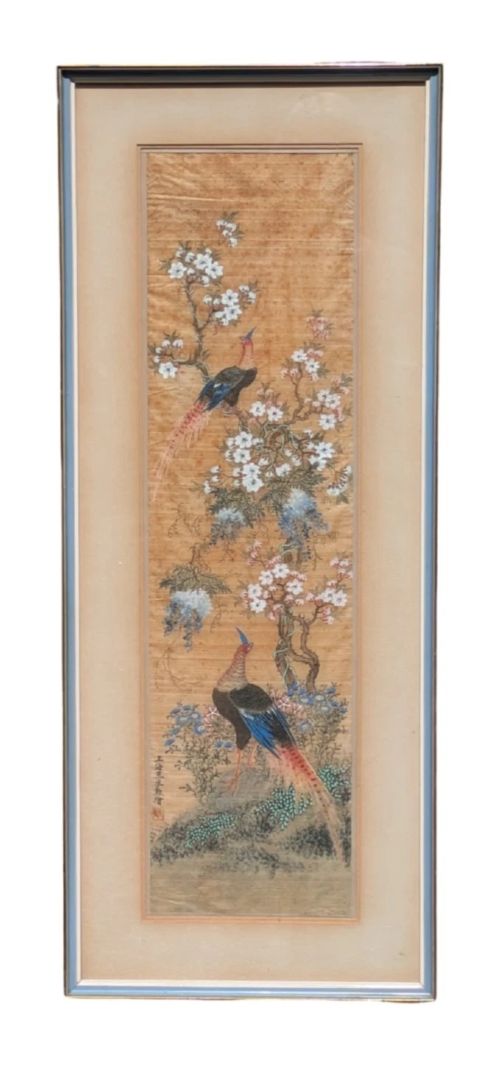
Buyers encounter framed paintings, wall art, and bound albums containing ink and watercolour washes. Subjects range from botanical studies of wild birds and plum blossoms to landscape scenes and traditional portraits.
The objects reflect regional traditions, including Meiji period Japanese works and Balinese watercolours on fabric. Many examples arrive preserved in their original frames or bound within traditional presentation albums.
Materials and Techniques
Artists utilised water-based pigments and dark ink applied directly to delicate supports such as woven silk, absorbent paper, and fragile pith paper. These materials demand precise brush control because the pigments soak rapidly into the fibres without room for correction.
Pith paper, historically termed rice paper, provides a unique velvety surface that catches watercolour and gouache with exceptional depth. Silk supports require meticulous tension to hold the fluid washes of paint and ink across landscapes and bird studies.
Many works incorporate artist seals and signatures stamped directly onto the surface to mark the painter or the workshop. Framing often preserves these fragile organic materials behind glass to protect them from environmental damage.
Materials recorded in the inventory include glass, wood, paper, ink, watercolour, silk, pigment, and pith paper.
Distinctions in Quality
Quality rests upon the confidence of the brushwork and the preservation of the delicate support material. Works executed with sure, fluid ink lines and vibrant pigments separate themselves from stiffer, mechanical reproductions.
Condition plays a central role, as pith paper and silk degrade easily under poor environmental conditions. Pieces retaining stable pigments, original mounts, and undamaged frames offer a clearer window into the period's artistic standard.
YA MING
The Asian Watercolour Art Glossary
- Pith paper
- A delicate, spongy material cut from the pith of the Tetrapanax papyrifer plant, commonly used for nineteenth-century Chinese export watercolours. It possesses a velvety texture that absorbs water-based pigments intensely.
- Shan Shui
- A traditional style of Chinese painting depicting scenery or natural landscapes using brush and ink rather than conventional western oil paints. These compositions typically focus on mountains, rivers, and trees.
- Gouache
- An opaque water-based paint composed of pigment, water, and a binding agent such as gum arabic. It appears frequently alongside watercolour on historical pith paper paintings.
- Album
- A book format used to protect and present a collection of related paintings or sketches. Many mid-century examples preserve ink and watercolour works alongside artist seals.
- Canton
- A major southern Chinese port city associated with the production of export paintings created for Western markets during the Regency and nineteenth-century periods.
Asian Watercolour Art: Frequently Asked Questions
What is Asian watercolour art?
Asian watercolour art comprises painted compositions created across China, Japan, and Bali using water-soluble pigments and ink on supports like silk and paper.
These pieces range from export watercolours on pith paper to signed traditional silk paintings and mid-century albums.
How were these paintings displayed?
Historical works were often mounted as scroll paintings, bound into presentation albums, or framed behind glass to protect the fragile surfaces.
Original frames frequently accompany nineteenth and twentieth-century pieces, maintaining the integrity of the delicate paper or silk supports.
How do I care for pith paper art?
Pith paper requires stable environmental conditions away from direct sunlight and excessive humidity to prevent the material from cracking or degrading.
Keeping these delicate watercolours sealed behind protective glass preserves the vulnerable painted surface from physical damage.
How can I date these artworks?
Dating relies on stylistic markers, framing methods, and the specific material support used, such as nineteenth-century pith paper or mid-century album bindings.
Artist seals and inscriptions also provide chronological clues when linked to known regional production periods.