



Asian Style Side Tables
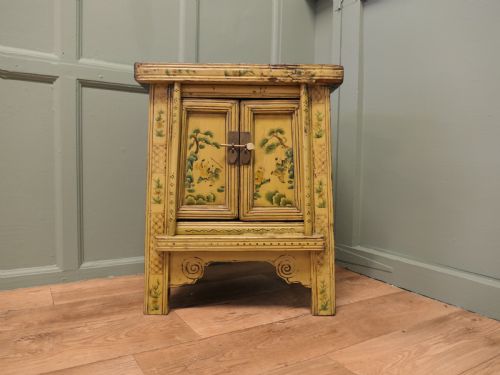
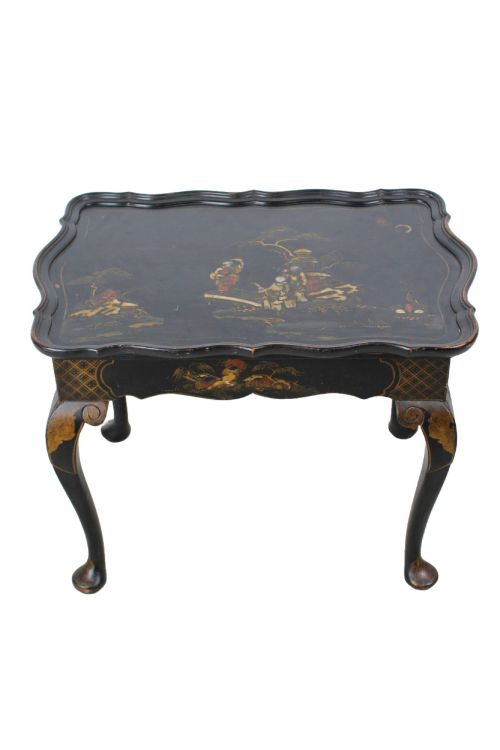
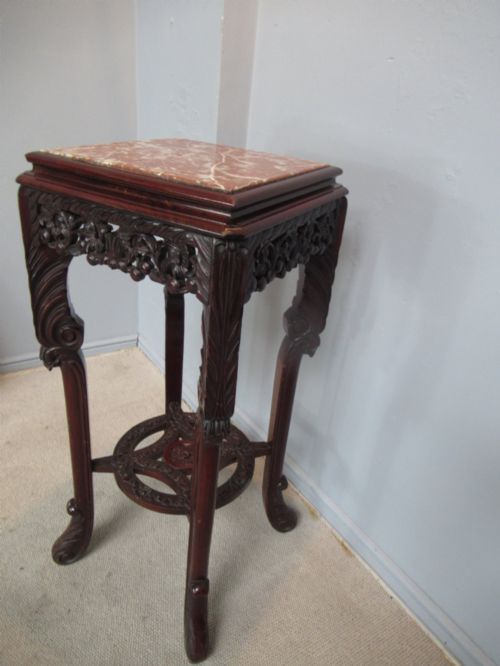
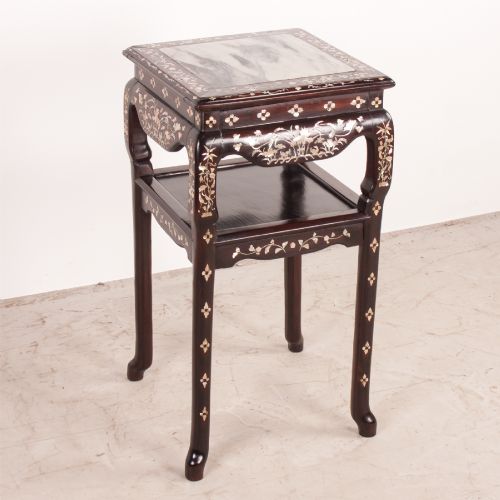
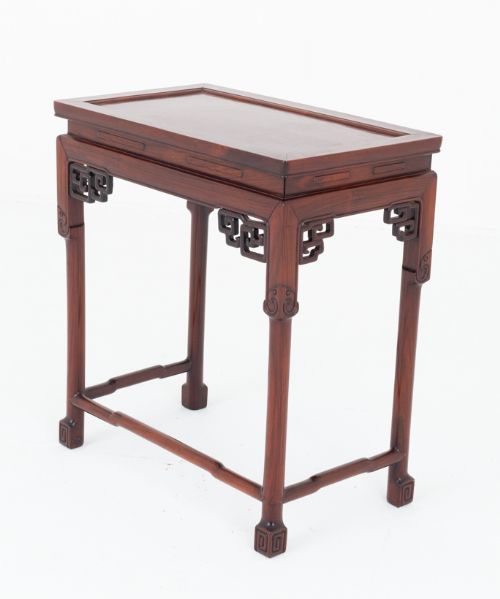
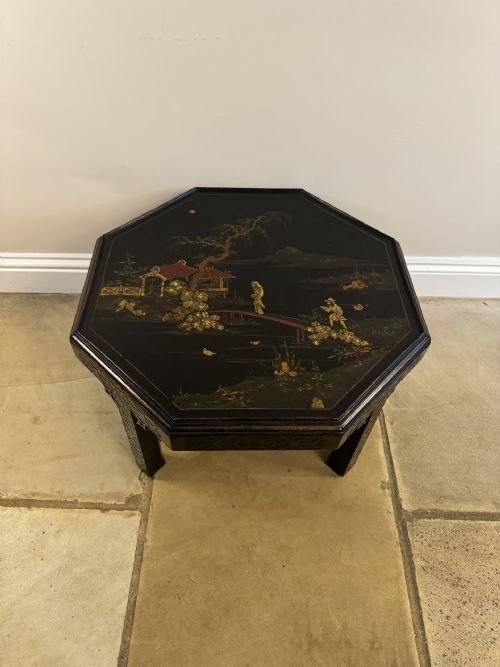
These asian style side tables bring rich timber tones and decorative lacquer to a room.
Asian Style Side Tables
Asian style side tables encompass various functional forms designed to support lamps, plants, and objects within domestic interiors. When searching for asian style side tables, buyers encounter diverse pieces ranging from compact nesting sets to substantial console and altar tables.
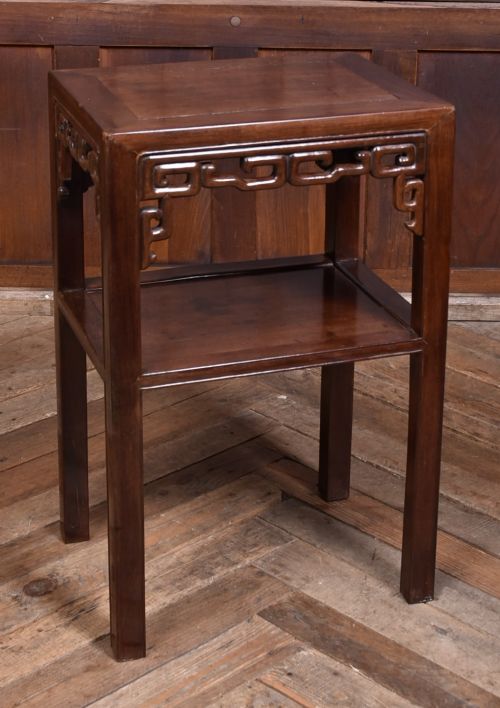
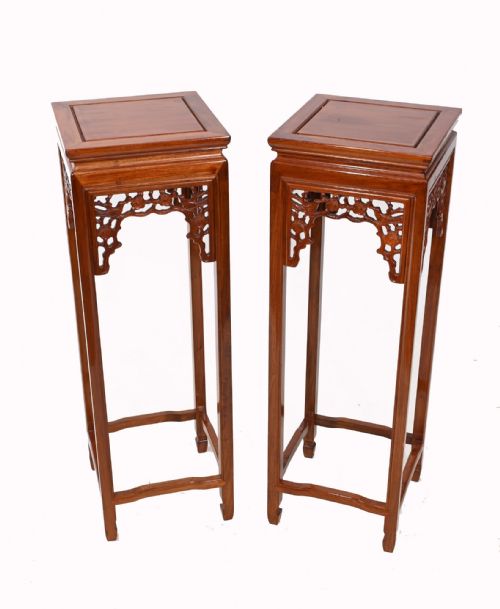
The selection on this page leans heavily toward Chinese traditions, featuring nineteenth century hardwood constructions alongside Edwardian interpretations of chinoiserie. Elm, rosewood, and lacquered surfaces dominate the forms, offering distinct silhouettes from simple square stands to intricate carved occasional tables.
Materials and Techniques
Carpenters utilised dense hardwoods such as huanghuali, padouk, and elm to build sturdy frames capable of supporting heavy marble tops and bronze or brass fittings. Joinery relies on traditional interlocking techniques rather than modern mechanical fasteners, ensuring stability across centuries of use.
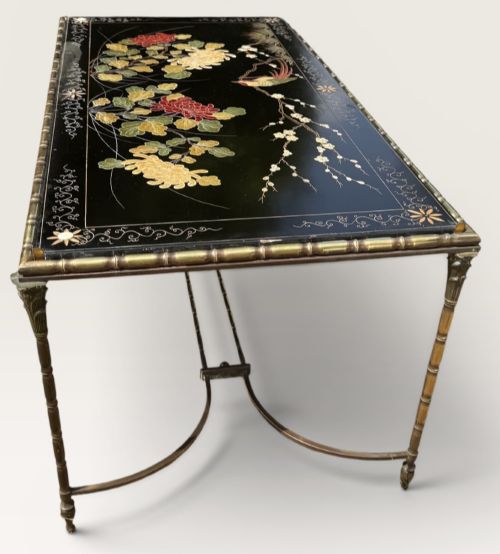
Decorative surfaces often incorporate hand-applied lacquer, cinnabar, mother of pearl inlay, and painted chinoiserie motifs. Artisans carved detailed floral and geometric patterns directly into the wood of octagonal tables and altar consoles.
Some nineteenth century elm tables retain evidence of their previous domestic lives as opium smoking surfaces.
Assessing Quality
Quality rests upon the selection and grain of the timber, where dense hardwoods with exceptional colour command greater appreciation. The crispness of hand carving on aprons and legs distinguishes finer workshop output from simpler provincial pieces.
The integrity of inlaid elements, such as mother of pearl or marble inserts, indicates the original maker's skill. Surface finishes like red lacquer or decorated chinoiserie panels show variation in preservation and depth of execution.
Maison Bagues
The Asian Style Side Tables Glossary
- Altar table
- A long, narrow console table traditionally used for ceremonial purposes in Chinese homes. These tables often feature upturned flange ends and carved apron panels.
- Chinoiserie
- European artistic interpretations of Chinese decorative motifs, popular during the Edwardian period. This style appears on lacquered coffee tables and cabinets.
- Huanghuali
- A prized fragrant hardwood native to China, known for its rich grain and warm colour. Furniture constructed from this material is particularly sought after by collectors.
- Nesting tables
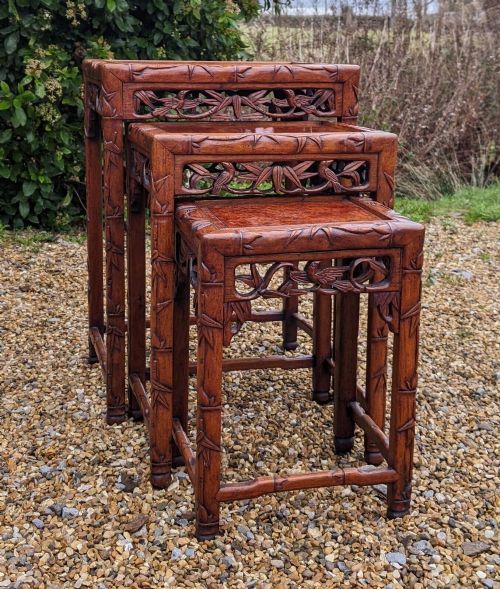
- A set of graduated tables designed to fit neatly beneath one another when not in use. They appear frequently in hardwood and rosewood across these listings.
- Cinnabar lacquer
- A decorative technique involving multiple layers of coloured resin carved with intricate designs. This method produces a tactile, richly textured surface on cabinets and tables.
Asian Style Side Tables: Frequently Asked Questions
What is an altar table used for?
Altar tables served as central display surfaces in traditional homes, often holding ritual objects or decorative vessels. Today, their narrow proportions make them ideal console pieces behind sofas or along hallway walls.
Their substantial length and distinctive leg placement bring architectural presence to modern interior spaces without occupying excessive floor area.
How do nesting tables work?
Nesting tables comprise a graduated set of three or four pieces that slide together into the footprint of the largest single table. This design provides flexible surface space for drinks or lamps.
Owners can scatter the smaller tables around a room when entertaining and store them compactly afterward.
What is chinoiserie furniture?
Chinoiserie furniture represents European interpretations of East Asian artistic styles, particularly prominent during the Edwardian era. These pieces combine Western furniture forms with hand-painted Asian motifs.
They bring decorative painted scenes and contrasting lacquer finishes to domestic settings.
How do I care for antique hardwood?
Hardwood furniture requires stable indoor humidity levels to prevent timber movement and cracking. Regular dusting with a soft, dry cloth preserves the polished finish.
Avoid placing these tables in direct sunlight or near heat sources to protect the natural grain and historic polish.