


Asian Metalwork Urn
An asian metalwork urn brings centuries of skilled casting, patination, and intricate enamel work straight into a room.
Asian Metalwork Urn
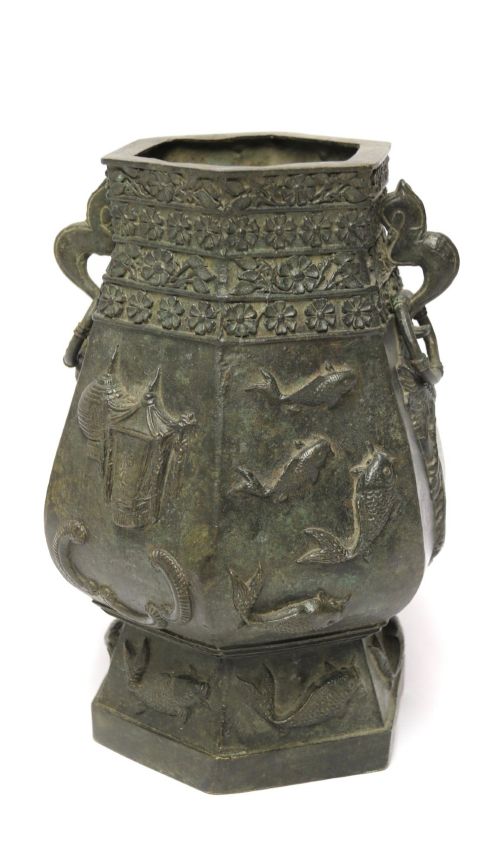
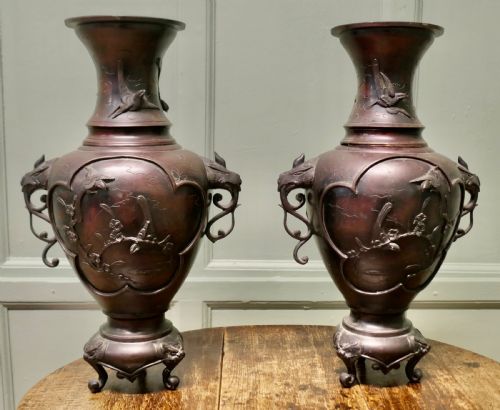
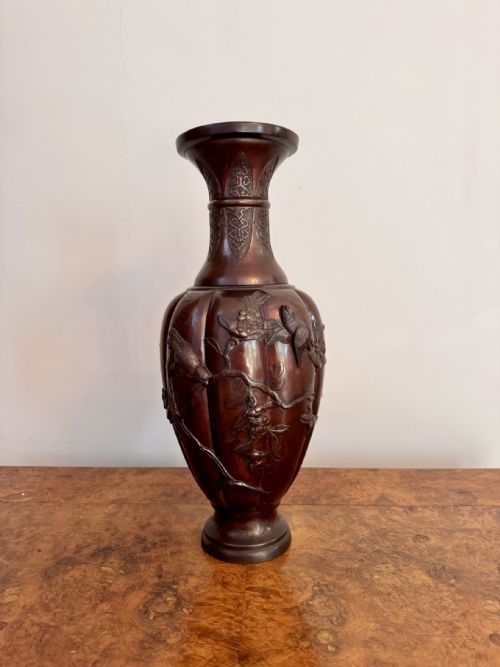
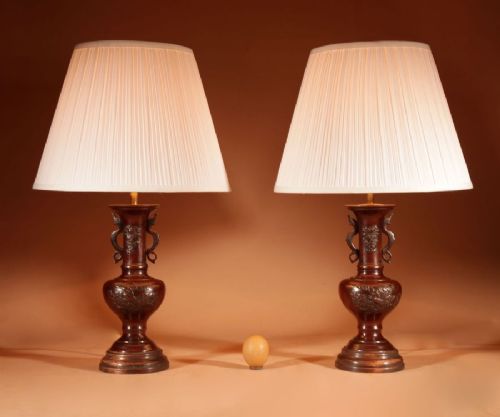
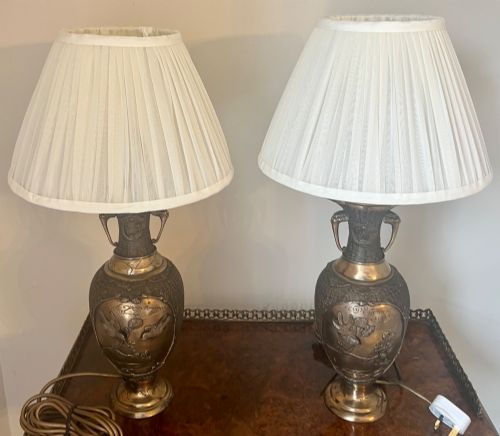
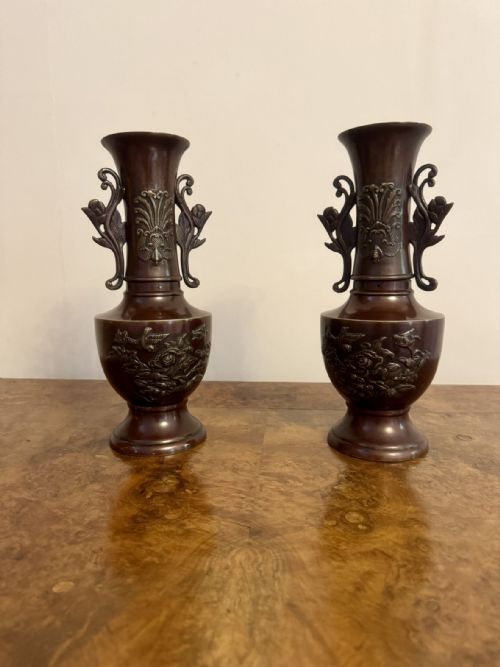
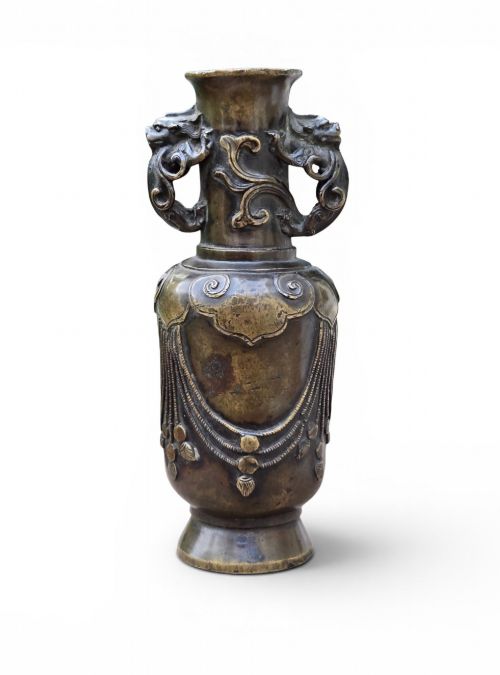
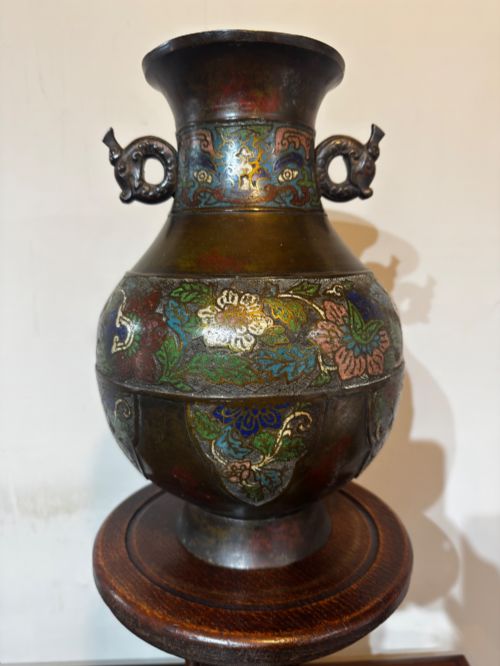
When searching for an asian metalwork urn, collectors encounter a diverse array of vessel forms originating primarily from Japan and China across the nineteenth and early twentieth centuries. The selection spans balanced baluster shapes, tripod censers, heavy planters, and tall palace vessels, reflecting periods such as the Japanese Meiji era and the Chinese Qing dynasty.
Materials and Techniques
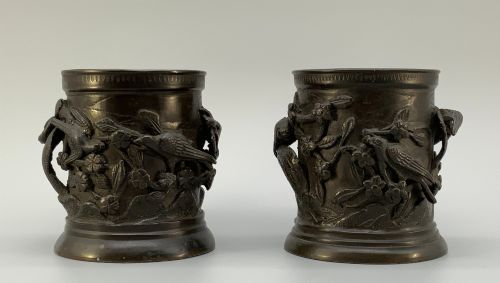
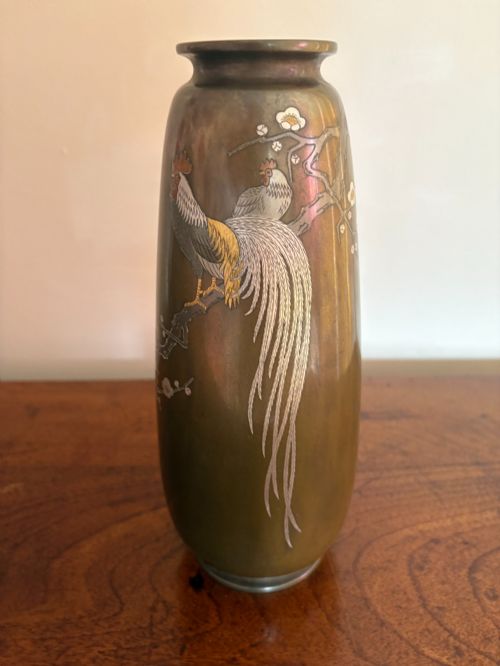
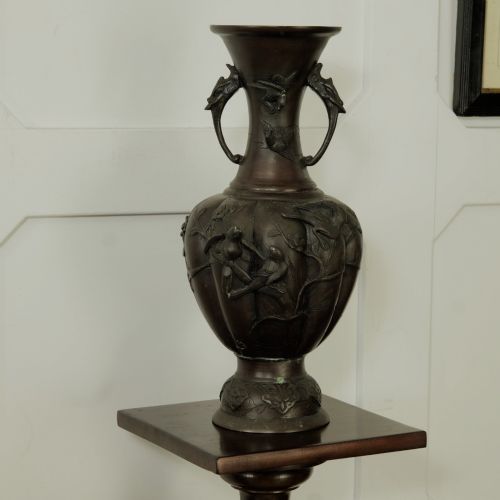
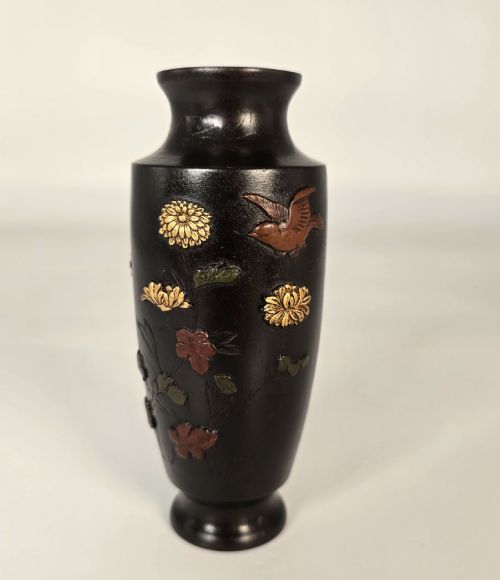
Metalwork of this caliber relies heavily on bronze, brass, and copper, cast and shaped to form rigid structural foundations. Artisans applied patinated finishes, gilding, and mixed metal inlays to achieve tonal depth and visual contrast across the surface of each vessel.
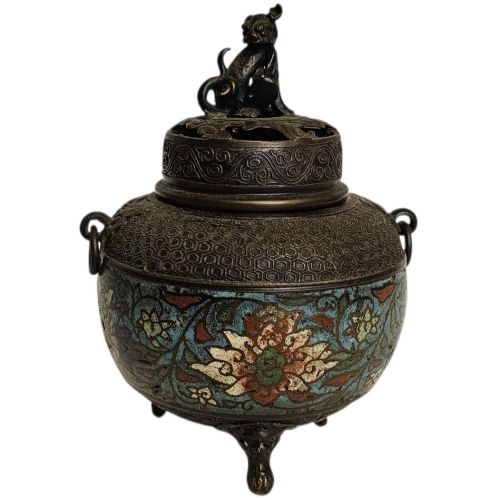
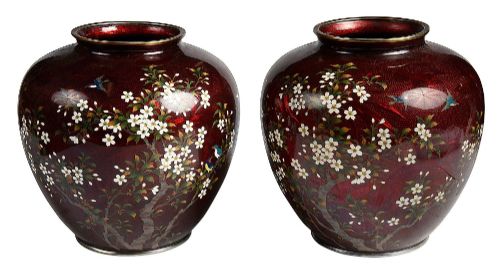
Cloisonné and champlevé enamels frequently complement the metal bodies, fusing coloured vitreous pastes within wire compartments or carved troughs. This demanding technique requires precise firing to bond the enamel permanently to the underlying bronze or copper armature.
Listings feature bronze, cloisonne enamel, brass, and copper across nineteenth-century Victorian, Meiji, and Qing dynasty eras.
Judging Quality
Quality rests upon the crispness of the casting and the refinement of the decorative motifs, whether rendered in high relief or delicate wirework. Superior examples display balanced proportions, clean lines, and intentional patination that enhances rather than conceals the metal beneath.
Hand-chased details, secure joints, and signed maker marks or school attributions separate standard decorative items from works of master craftsmanship. The weight of the metal and the complexity of integrated elements like dragon handles or inlaid birds further distinguish the upper tier of pieces.
KANASAWA
The Asian Metalwork Urn Glossary
- Cloisonné
- An enamelwork technique where flat metal wires are soldered to a metal base to create cells filled with vitreous paste. These cells are then fired and polished smooth.
- Censer
- A vessel designed for burning incense during rituals or for domestic fragrance. Many examples feature tripod legs and pierced covers.
- Meiji Period
- A Japanese historical era lasting from 1868 to 1912. Metalwork from this time often shows exceptional technical innovation and international export focus.
- Champlevé
- An enamelling method where troughs or cavities are gouged directly into the metal surface to hold coloured enamel before firing. This leaves thick metal walls visible between the filled areas.
- Patinated Bronze
- Bronze treated with chemicals, heat, or natural agents to produce a specific surface colour or aged finish. This treatment protects the metal while adding aesthetic depth.
Asian Metalwork Urn: Frequently Asked Questions
How were these vessels used?
Many acted as ritual censers for burning incense in temples or domestic spaces, while others functioned purely as decorative display items. Large palace vases occupied prominent positions in grand interiors.
Smaller vessels often held seasonal floral arrangements or stood as part of matched garniture sets on mantelpieces.
How do I style an urn at home?
Bronze and cloisonné pieces suit console tables, sideboards, or mantels where their patinated surfaces catch the light. Their substantial weight makes them stable anchors for minimalist or eclectic rooms alike.
Pairing a tall baluster vase with simpler objects allows the intricate metalwork and enamel details to remain the focal point.
How do I tell periods apart?
Meiji period Japanese pieces often exhibit naturalistic motifs like birds and blossoms combined with complex mixed metal patination. Qing dynasty Chinese works frequently utilise heavier cast bronze and distinct architectural forms.
Examining the wiring in cloisonné or the style of a maker's signature helps narrow down the exact decade of manufacture.