


Chinese Archaistic Bronzes
Chinese archaistic bronzes are historic ritual vessels and scholarly objects reimagined in later dynasties, prized for their ancient forms and rich patination.
Chinese Archaistic Bronzes
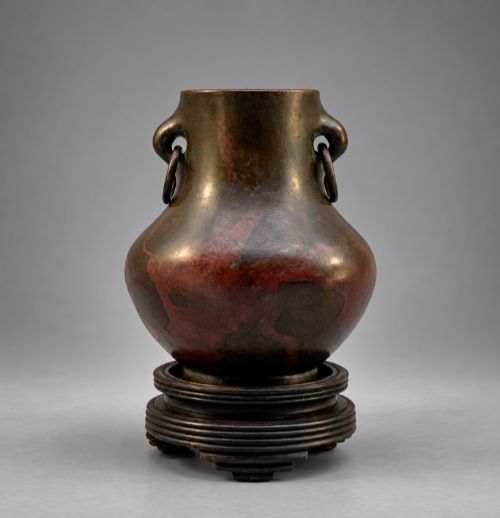
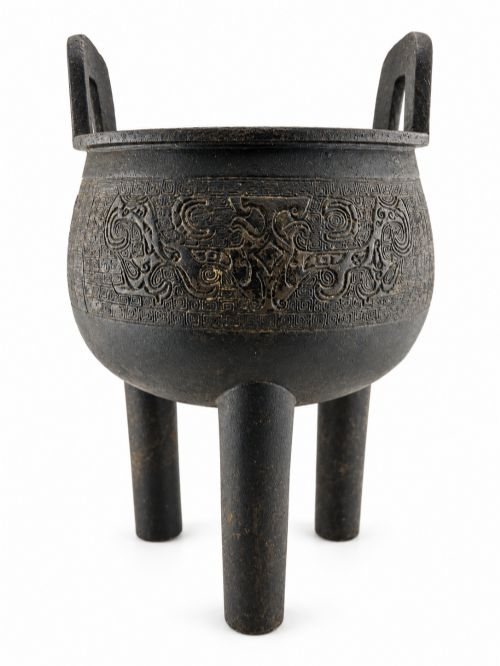
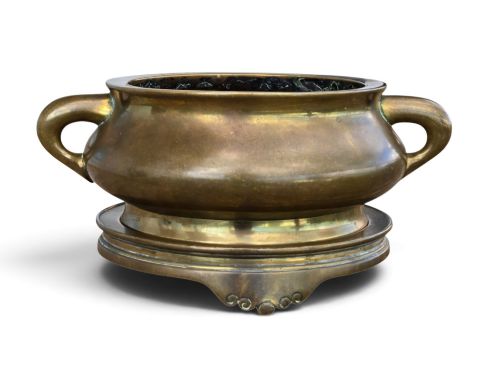
Chinese archaistic bronzes draw upon ancient ritual forms such as ding tripods, hu vases, and jue wine vessels, reinterpreted by later makers. You encounter pieces spanning from pre-sixteenth century examples to the nineteenth century, reflecting centuries of reverence for antiquity.
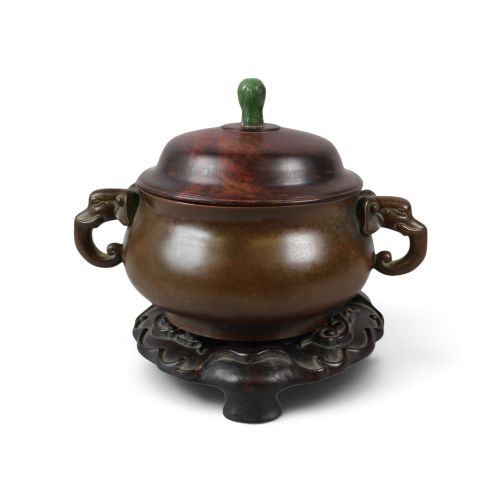
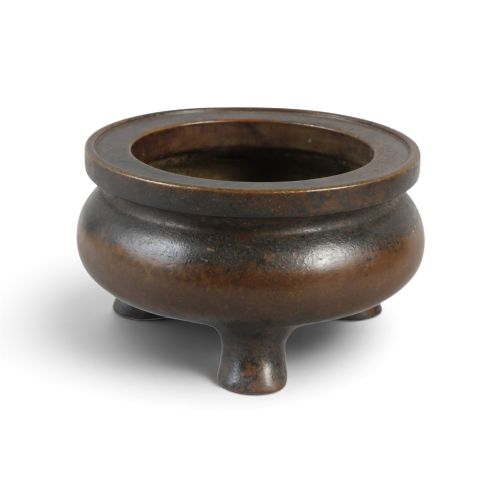
The form often includes scholar's censers, ritualistic food bowls, and decorative vessels, frequently accompanied by custom hardwood stands or jade components. Qing Dynasty iterations dominate the selection, showing deep connections to earlier ritual aesthetics.
These vessels serve as tangible links to imperial and scholarly traditions, bringing tangible historical weight into an interior. Collectors seek them for their sculptural presence and the deliberate homage they pay to ancient dynasties.
How They Were Made
Makers utilised cast bronze as the primary structural material, often applying patination to achieve varied surface tones and aged textures. This technique emulates the look of excavated antiquity.
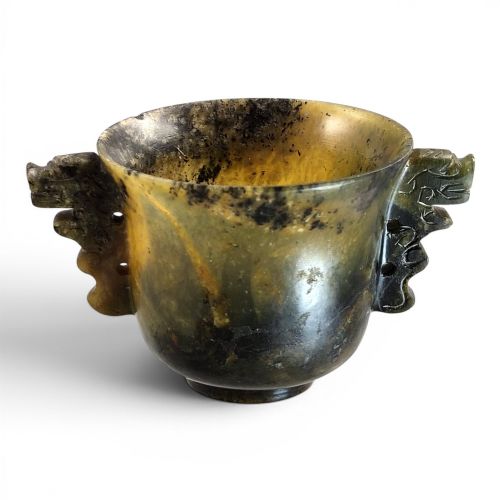
Many examples incorporate champlevé or cloisonné enamel work, integrating coloured details across the metallic surface. Artisans also combined bronze with nephrite jade and carved hardwood stands to complete the composition.
Materials recorded across the selection include cast bronze, patinated bronze, cloisonné enamel, champlevé enamel, nephrite jade, and hardwood.
What Varies in Quality
The distinction between tiers rests on the crispness of the casting and the depth of the taotie decoration. Finer examples display precise relief work and balanced proportions that echo true ancient standards.
Surface finish and the integration of secondary materials like jade finials or custom woodwork set apart superior pieces. Weight and substance also signal quality, as heavier scholar's censers demonstrate greater material density.
The Chinese Archaistic Bronzes Glossary
- Archaistic
- Referring to later objects designed in deliberate imitation of ancient styles. This aesthetic defines the reverence for antiquity seen across multiple dynasties.
- Ding
- A traditional ritual tripod vessel featuring handles and a deep bowl. These forms originated in ancient bronze work and inspired later revivals.
- Cloisonné
- An enamelling technique where metal wires form compartments to hold coloured paste before firing. This method creates vibrant decorative surfaces on metal bodies.
- Jue
- An ancient style of three-legged wine vessel with protruding lugs. Later makers reproduced these distinct forms as scholar's desk items.
Chinese Archaistic Bronzes: Frequently Asked Questions
What is an archaistic bronze?
An archaistic bronze is a later vessel made in imitation of ancient ritual forms. These pieces pay homage to historic dynasties while using the manufacturing techniques of their own time.
You find them appearing across the seventeenth, eighteenth, and nineteenth centuries, often serving as scholar's objects or decorative focal points.
How were these vessels used?
Many of these pieces functioned as incense burners, ritual food bowls, or wine vessels in scholarly and ceremonial contexts. Their forms directly reference ancient ritual practices.
Over time, they transitioned into decorative display items and scholar's desk accessories, often elevated by custom hardwood stands.
How do I care for a bronze?
Bronze requires minimal intervention beyond dusting with a soft, dry cloth. Avoid using liquid cleaners or polishes that might strip the historic patina.
Keep the pieces away from excessive moisture and direct sunlight to protect any associated wooden stands or enamel inlays.