


Asian Metal Planter
These heavy metal vessels, often referred to as an asian metal planter, bring weight and texture to interiors through centuries of casting traditions.
Asian Metal Planter
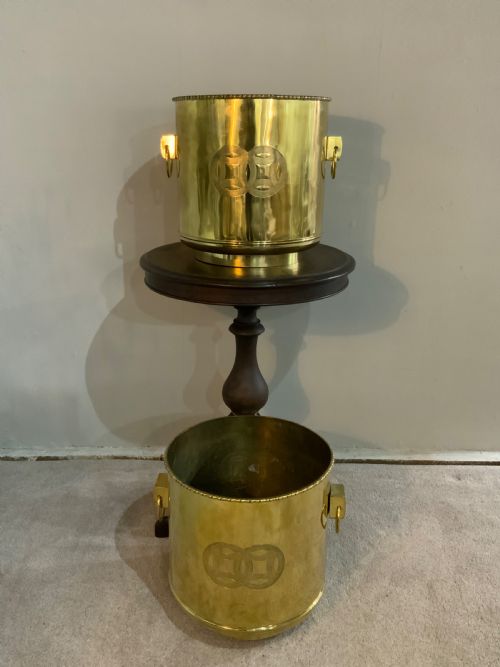
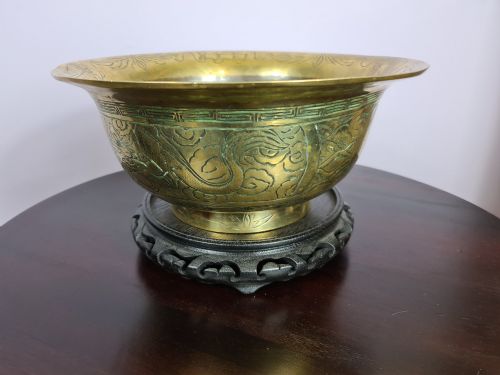
An asian metal planter spans centuries of craftsmanship from Chinese and Japanese workshops, appearing in forms such as deep jardinières, ritual vessels, and heavy bowls. The pieces draw upon Qing Dynasty aesthetics and Japanese Meiji period metalwork, capturing the decorative arts of East Asia.
The objects frequently cross paths with Victorian Orientalism, reflecting nineteenth-century European enthusiasm for imported Eastern design. Many items serve dual purposes as garden planters, temple baths, or large water receptacles adapted for domestic spaces.
Materials and construction methods
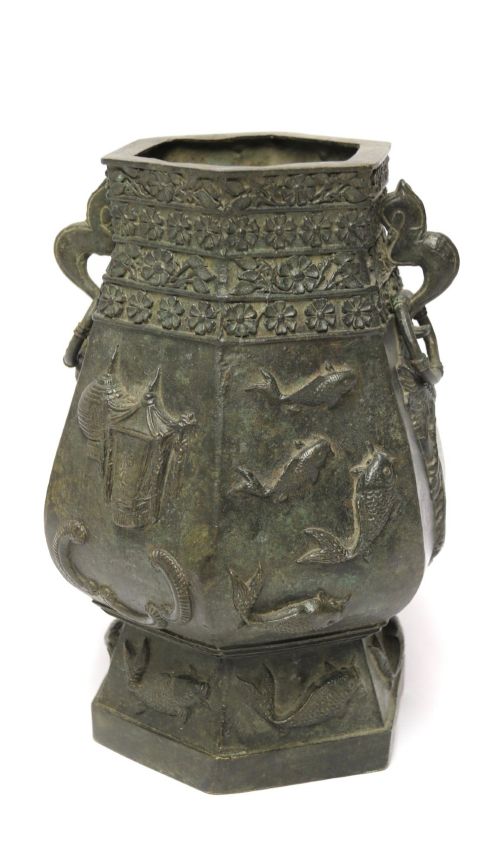
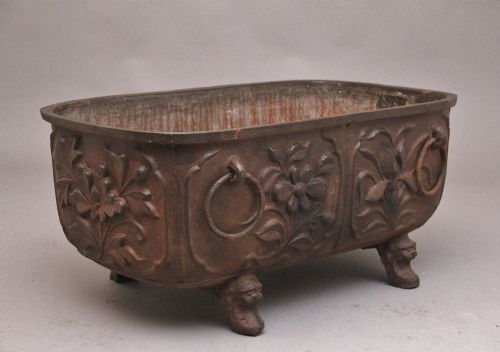
The construction relies heavily on cast bronze and polished brass, shaped through traditional foundry techniques that produce thick, durable walls capable of holding damp soil. Artisans reinforced these metal bodies with zinc linings in certain troughs to prevent internal corrosion.
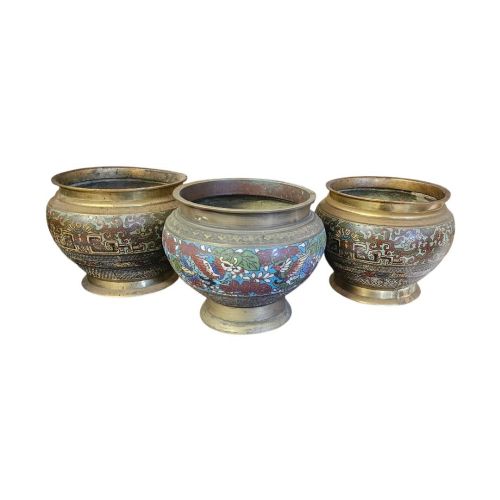
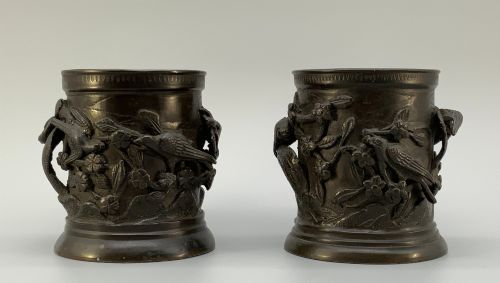
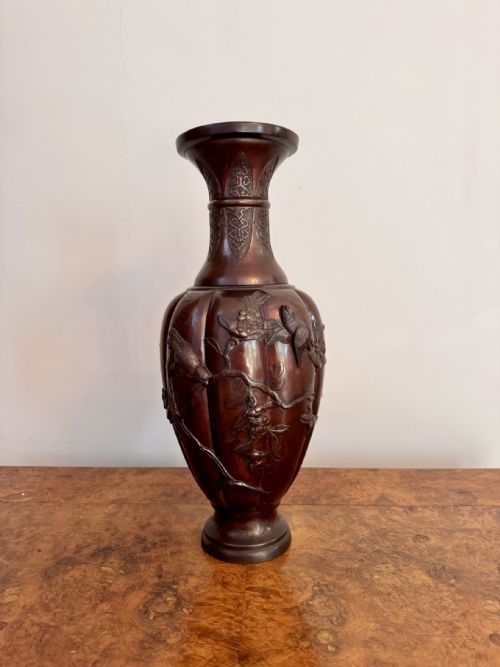
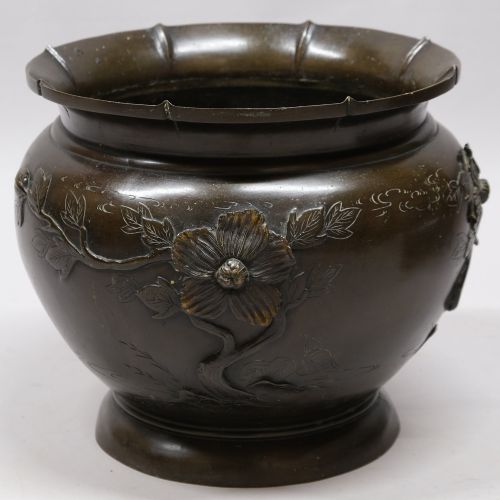
Surface decoration often incorporates champlevé and cloisonné enamel work, where coloured glass pastes fill recessed channels or wire cells soldered onto the metal substrate. Artisans also employed patination processes to darken the bronze, highlighting chased details of birds and blossoms against the aged metallic ground.
Several heavy vessels began life as temple baths before ending up repurposed as grand indoor planters.
Distinctions in craftsmanship and finish
The quality of an asian metal planter depends on the crispness of the casting and the depth of the chased or engraved surface details. Superior examples exhibit tightly fitted sectional construction and cleanly executed enamel work without pooling or pitting.
Weight and metal gauge separate standard utility vessels from high-status decorative pieces, with heavier bronze bowls offering greater structural integrity. The finesse of the patination and the clarity of applied script or pictorial motifs further distinguish finer workshop output from simpler commercial production.
The Asian Metal Planter Glossary
- Jardinière
- An ornamental pot or stand designed to hold a plant or floral arrangement indoors.
- Meiji Period
- The era of Japanese history spanning from eighteen sixty-eight to nineteen twelve, noted for exceptional bronze casting and decorative arts.
- Champlevé
- An enamelling technique where artist-carved troughs in the metal surface are filled with coloured vitreous paste before firing.
- Qing Dynasty
- The final imperial dynasty of China, lasting from sixteen forty-four to nineteen eleven, characterised by rich surface decoration and ritual vessel forms.
- Suiban
- A shallow Japanese basin traditionally used for holding water and supporting arrangements of stones or flowers in ikebana display.
Asian Metal Planter: Frequently Asked Questions
What plants suit these metal planters?
Heavy metal bowls and jardinières accommodate potted houseplants such as ferns or small palms, which sit comfortably inside the wider basin.
Gardeners often place a plastic nursery pot directly inside the metal vessel to protect the interior surface from moisture and soil contact.
How should I clean bronze and brass?
Dust the exterior regularly with a soft, dry cloth to prevent grime accumulation on the patinated surface.
Avoid abrasive polishes that strip away historical patination, using only mild soap and water on unsealed metal if cleaning becomes necessary.
Can these planters stay outdoors?
Most antique bronze and brass vessels tolerate sheltered outdoor locations like covered porches during moderate weather.
Prolonged exposure to freezing temperatures and damp garden soil risks damaging older cast metal and decorative enamel work.
How do I identify Meiji period bronzes?
Japanese metalwork from this era frequently displays naturalistic motifs such as birds, blossoming branches, and complex surface patination.
Many pieces show high copper content in the bronze alloy, yielding a deep, dark brown tone with finely chased details.