



Vintage Oriental Cachepot
These vintage oriental cachepot pieces bring enduring decorative character to a room, uniting diverse Far Eastern traditions with practical nineteenth-century plant housing.
Vintage Oriental Cachepot
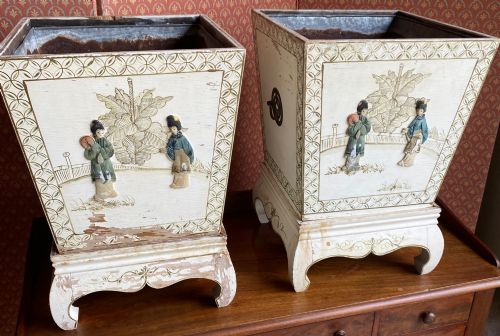
A vintage oriental cachepot search reveals heavy metal vessels and delicate ceramic planters created across the nineteenth and early twentieth centuries. These items encompass Chinese export bronzes and Japanese blue and white porcelain pieces designed to hold indoor foliage.
The objects frequently cross paths with jardinieres and decorative planters, sharing similar functions and forms within domestic interiors. You will commonly encounter pieces originating from the late Qing dynasty and the Japanese Meiji and Edo periods.
Makers utilised various mediums, ranging from bronze and brass to lacquer and porcelain, reflecting distinct aesthetic movements. Many surviving examples date from around eighteen ninety to nineteen ten, capturing a period of intense cross-cultural design exchange.
Materials and construction methods
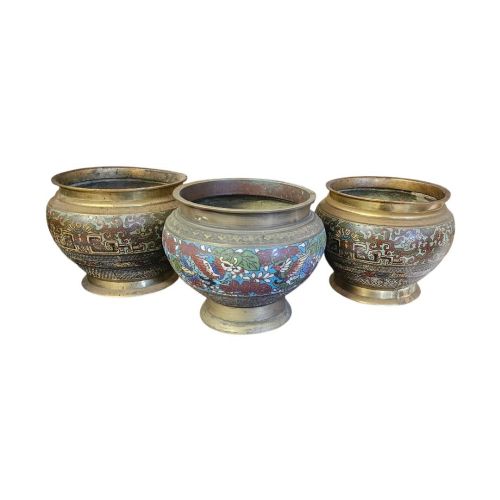
Craftsmen built these vessels using durable base metals like bronze and brass, frequently applying champlevé and cloisonné enamel work to create intricate surface patterns. This technique involves soldering wire compartments onto a metal body and filling the cells with coloured enamel pastes before firing.
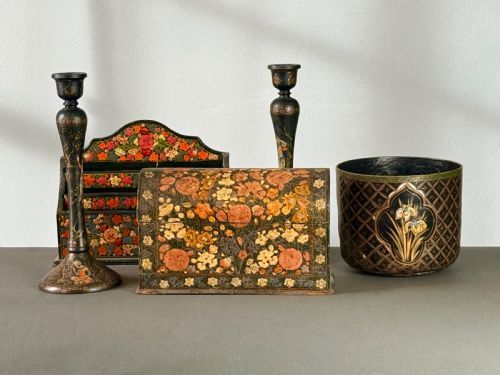
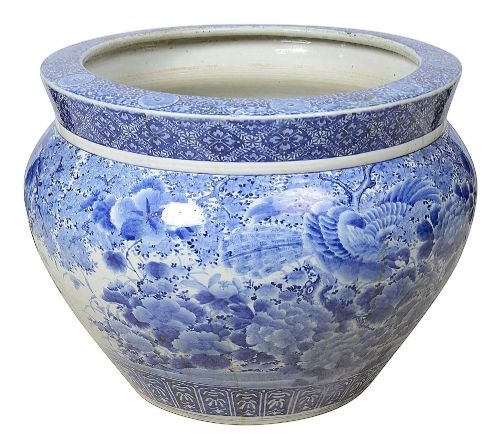
Ceramic examples rely on high-fired porcelain bodies decorated with blue and white glazes or traditional Imari palettes. Artisans also employed wood, lacquer, and papier-mâché for lighter decorative desk accessories and allied containers.
Vintage Oriental Cachepot Retail Price Guide 2026
Typical asking prices for vintage oriental cachepot among the pieces listed under this phrase on Sellingantiques today, from the lower quarter to the upper quarter. They describe what is for sale here now, not the wider market.
Papier-mache occasionally surfaces alongside heavy bronze, proving that Victorians wanted decorative plant pots in literally every imaginable substance.
Assessing quality and execution
Superior examples display precise metalwork with neatly flush enamel cells and crisp, even surface polishing. The weight of the bronze or the refinement of the blue and white porcelain painting dictates the overall tier of craftsmanship.
Design complexity and the harmony of decorative motifs distinguish finer output from standard commercial wares. Intricate detailing in the champlevé work or balanced composition on a porcelain jardiniere signals superior workshop production.
The Vintage Oriental Cachepot Glossary
- Cachepot
- An ornamental pot used to conceal an ordinary flowerpot. The name derives from the French for hiding a pot.
- Cloisonné
- An ancient technique for decorating metalwork objects with coloured material held in place by metal strips. Artisans solder thin wires to the vessel surface to form partitioned designs.
- Champlevé
- An enamel technique where troughs or cells are carved into the metal surface and filled with paste. This differs from cloisonné because the design areas are excavated directly from the base plate.
- Imari
- A type of Japanese porcelain decorated in underglaze blue and overglaze red, gold, and black. These export wares gained immense popularity in European interiors during the nineteenth century.
- Jardiniere
- A large ornamental pot or stand for plants and flowers. They serve a similar decorative function to cachepots within domestic spaces.
Vintage Oriental Cachepot: Frequently Asked Questions
What is a cachepot?
A cachepot is an ornamental container designed to hold a plant pot and catch drainage water. Unlike planted containers, they keep the inner pot hidden while protecting interior surfaces.
These vessels transitioned from purely utilitarian garden accessories into prominent decorative objects within nineteenth-century drawing rooms and parlours.
How do I date these pieces?
Dating relies on examining the materials, decorative styles, and manufacturing techniques characteristic of specific historical eras. Pieces spanning the nineteenth and early twentieth centuries often reflect distinct stylistic periods such as the late Qing dynasty or the Meiji era.
Subtle shifts in bronze patination, enamel brightness, and ceramic body weight help establish an accurate chronological window for each item.
Were these pots used outdoors?
Most surviving examples were intended for indoor display within domestic reception rooms, conservatories, and hallways. Their delicate enamel finishes and fine lacquer work meant they were unsuited for exposure to harsh weather.
Houseplants and ferns were placed inside them using simpler terracotta or clay pots as functional liners.
How do I style a cachepot?
These vessels suit placement on heavy timber tables, pedestals, or mantelpieces where their metallic sheen and colourful patterns contrast with surrounding furnishings. Pairing them with trailing foliage or simple green plants enhances their decorative profile.
They function equally well as standalone decorative objects or grouped with related desk accessories and smaller planters.