


Asian Low Coffee Table
These asian low coffee table examples bring grounded form and rich timber grain to a room, offering a low surface rooted in traditional craftsmanship.
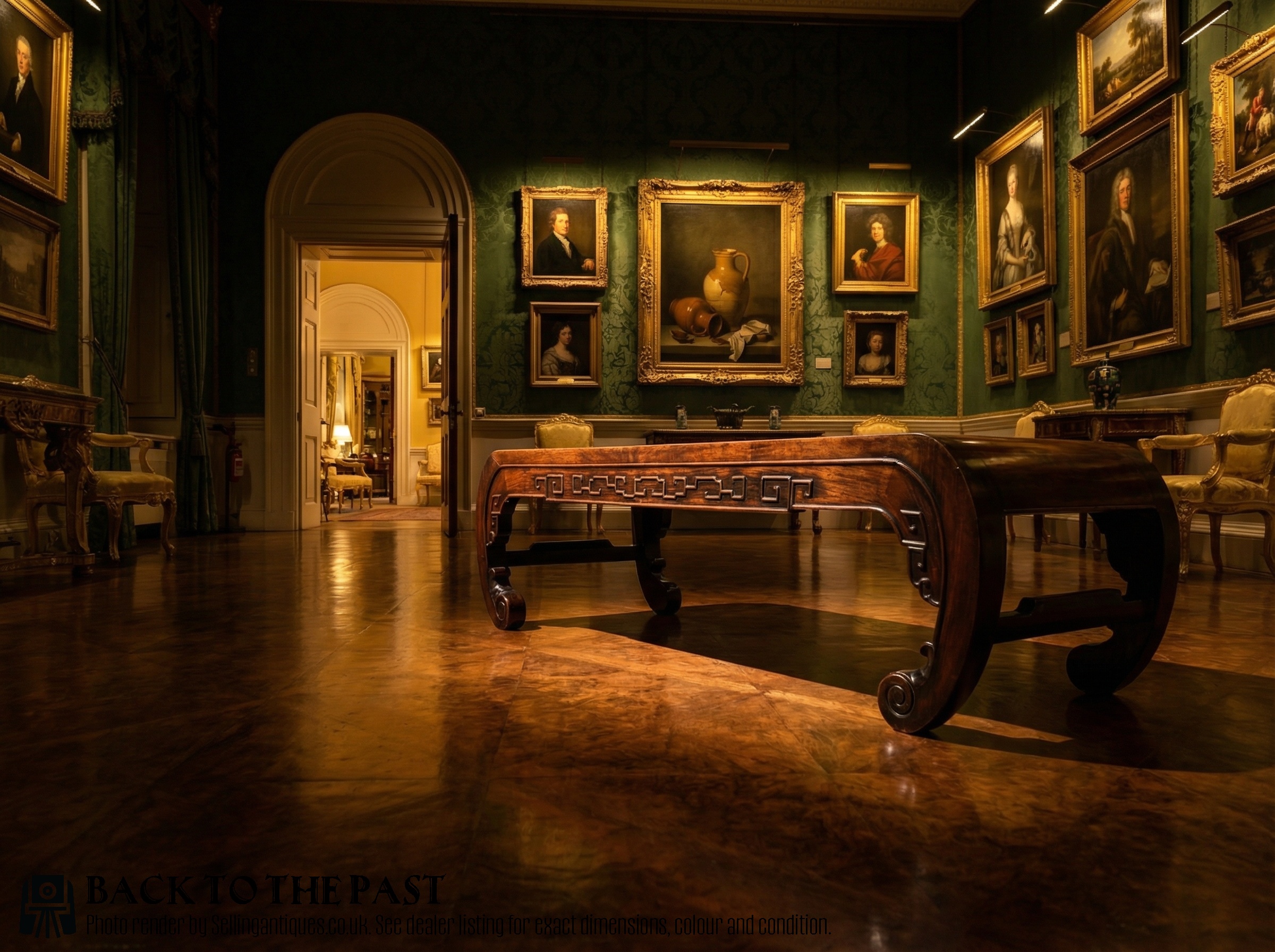
Asian Low Coffee Table
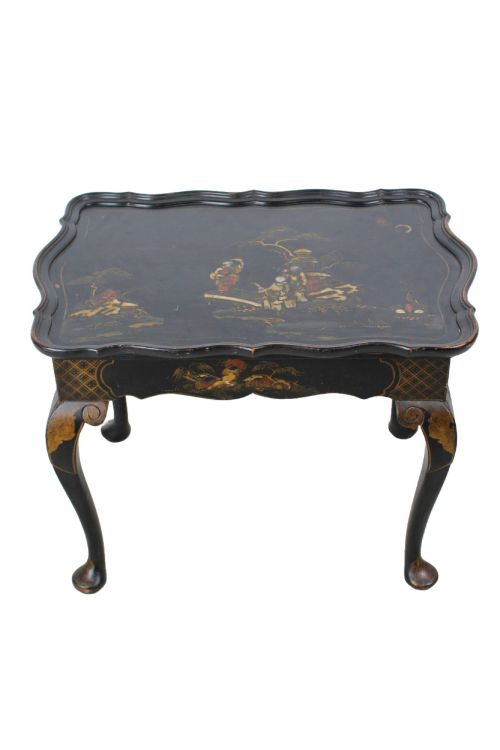
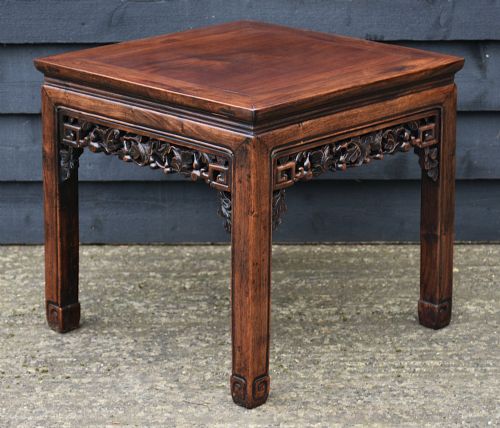
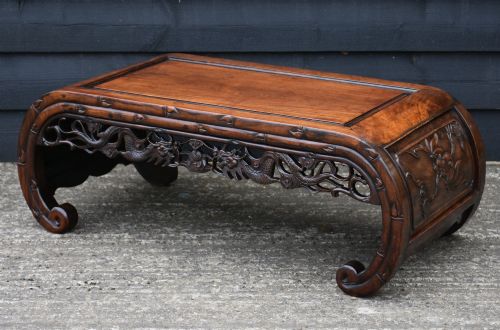
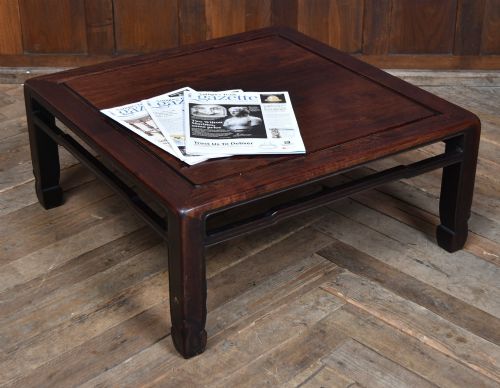
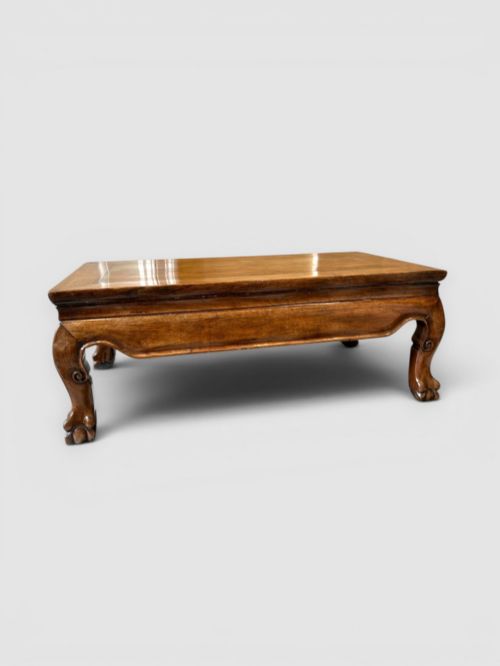
An asian low coffee table spans forms from the nineteenth century, including opium tables, calligraphy writing tables, scroll-end kang tables, and side coffee tables.
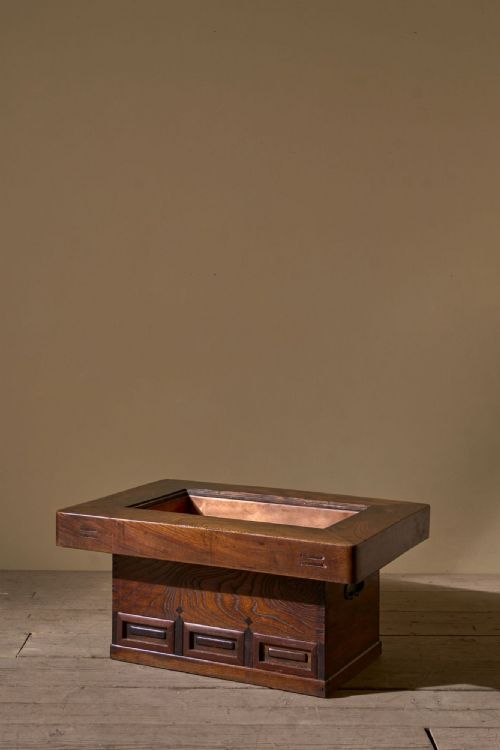
Buyers meet pieces originating from traditional Chinese and traditional Japanese makers, reflecting Qing dynasty aesthetics alongside later adaptations.
The selection ranges from compact early forms to larger scale carved hardwood items designed for modern living rooms and lounges.
Materials and Construction
Joinery relies on solid timber construction using hardwood, elm, mahogany, teak, and general wood, paired with iron details on specific examples.
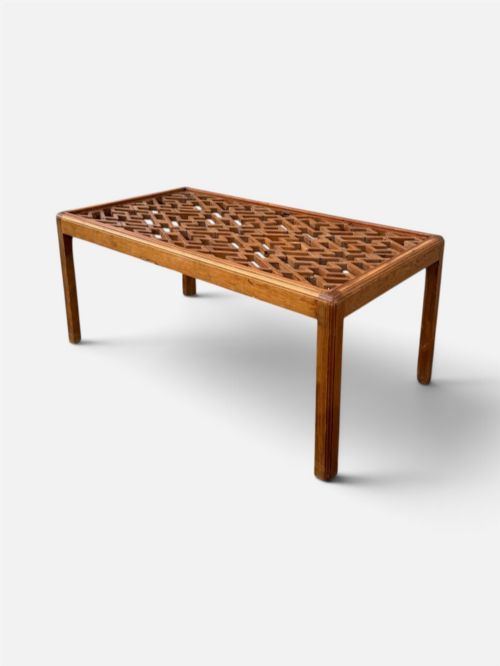
Surfaces feature carved elements such as scroll ends, while select later variations incorporate glass tops set into the wooden frames.
Retail Price Guide 2026
Typical UK retail prices for asian low coffee table, calculated from the Sellingantiques database of over a million retail prices indexed since 2003. This retail price guide relies exclusively on Sellingantiques data; no external sources or auction records are used, so the figures do not describe the wider market.
Listings span the nineteenth century to nineteen hundred, encompassing elm, hardwood, teak, and mahogany.
Judging Quality
Superior examples demonstrate crisp carving depth in the hardwood and harmonious proportions, particularly on larger scale kang tables where balance is critical.
The character of the timber grain and the integrity of traditional joinery separate accomplished nineteenth-century pieces from standard twentieth-century lounge adaptations.
The Asian Low Coffee Table Glossary
- Kang table
- A low platform table traditionally used in northern China for sitting, writing, or serving tea on a heated brick bed.
- Opium table
- A low-standing wooden table historically used for social lounging and smoking, now utilised as a compact coffee table.
- Scroll end
- A decorative terminal feature on table ends that curves outward and upward in a traditional East Asian architectural profile.
- Qing dynasty
- The final imperial dynasty of China, spanning from the seventeenth to the early twentieth century, known for intricate hardwood carving.
Frequently Asked Questions
How were low tables used?
Historically, these low surfaces served domestic functions such as writing, resting, serving tea, and social gathering near floor level.
Today, buyers place them in living rooms as coffee tables or side tables to introduce low horizontal lines.
What woods were used?
Carpenters utilised traditional timber stocks including elm, mahogany, teak, and general Asian hardwood, often supplemented with iron hardware.
Each wood type offers distinct weight, grain patterns, and natural tones that develop character over centuries.
How do I date a table?
Dating relies on assessing construction methods, timber choice, and stylistic markers associated with periods like the nineteenth century or Qing dynasty.
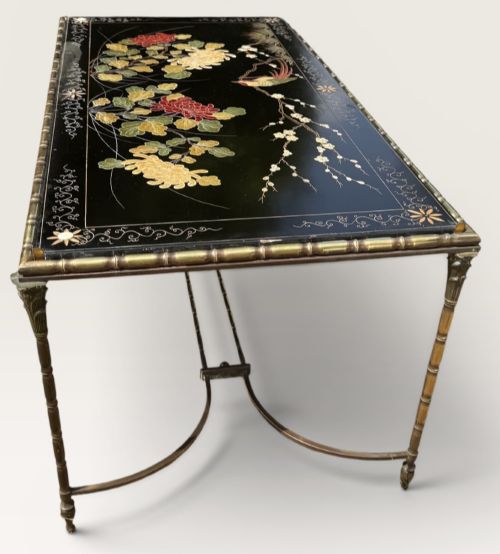
Archive records also show twentieth-century adaptations featuring glass tops and art deco influences.