


Asian Hardwood Bench
An asian hardwood bench brings solid structure and rich grain into a room, offering practical seating shaped by centuries of woodworking tradition.
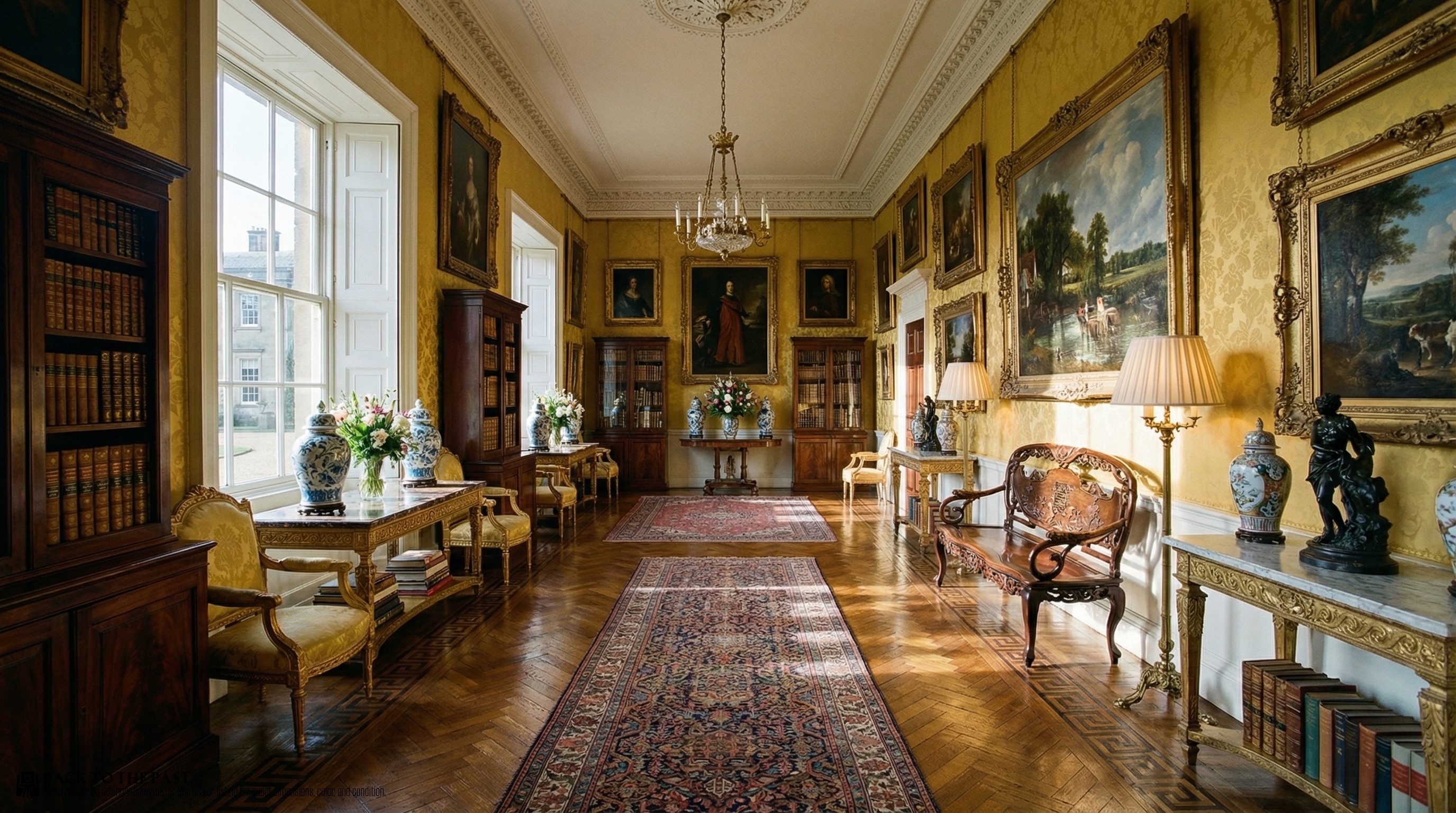
Asian Hardwood Bench
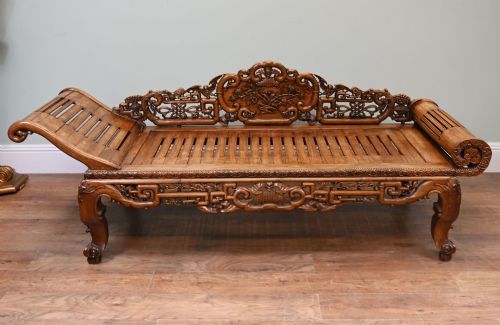
An asian hardwood bench encompasses seating and low tables recorded from the nineteenth and early twentieth centuries, spanning periods such as the Qing Dynasty and the Chinese Republic. These pieces arrive in various structural formats, including hall benches, window seats, day beds, and settles.
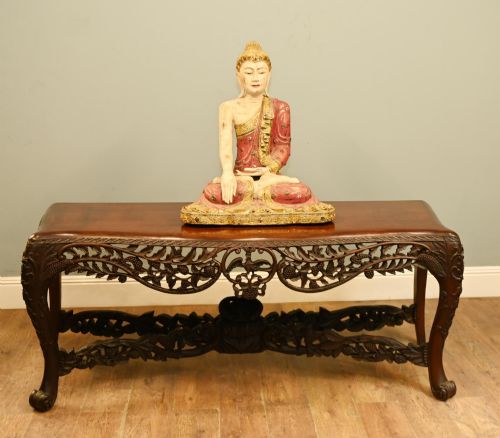
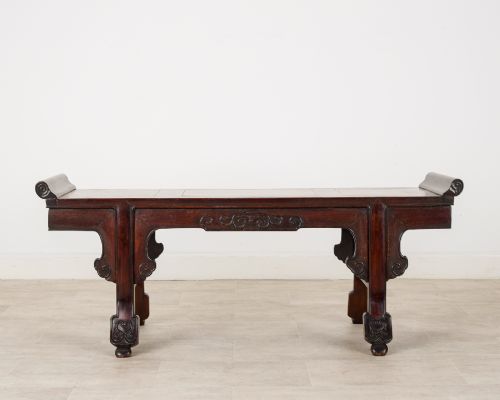
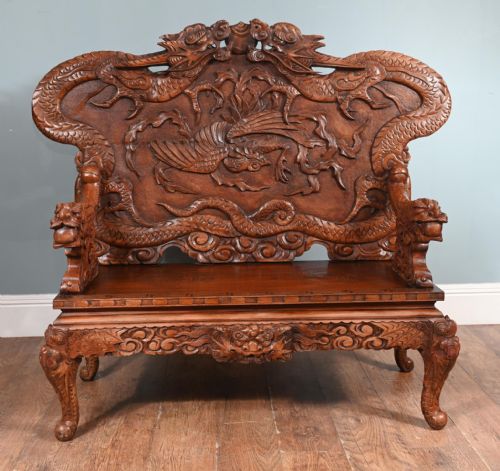
The version most commonly met on this page is the nineteenth-century carved hardwood bench or hall seat, often displaying traditional Chinese export and rustic Chinese styling. Alongside seating, related forms such as opium tables, altar tables, and dressing stools appear frequently in the listings.
Materials and construction methods
Construction relies heavily on dense timbers like elm, hongmu, huali wood, and blonde wood, providing the structural integrity required for heavy seating and tables. Artisans shaped these materials using traditional joinery and detailed carving techniques.
Surface finishes range from polished hardwood to cinnabar lacquer, enhancing the natural grain and providing decorative detail. Inlaid elements and carved dragon motifs further distinguish the execution of these pieces.
Listings span the nineteenth century through the early twentieth century, featuring materials such as elm, hongmu, huali wood, and lacquer.
Quality variations in Asian hardwood benches
The refinement of the carving separates standard items from superior examples, particularly where intricate scroll-ends, figures, or dragon motifs display depth and control. Crisp execution in the woodwork indicates a higher level of workshop skill.
Material selection also dictates standing, with denser timbers like huali and hongmu commanding greater appreciation for their grain patterns and weight. The integrity of the original lacquer and the preservation of structural joinery further define the standing of each piece.
The Asian Hardwood Bench Glossary
- Hongmu
- A dense, dark tropical hardwood prized for heavy furniture and traditional seating. It develops a rich patina with age and handling.
- Huali wood
- A fragrant and highly decorative Chinese hardwood known for striking grain patterns. Artisans used it for finer seating and scholar's furniture.
- Kang
- A low platform or heated bed used in northern China for sitting and sleeping. Low tables placed upon them share this name.
- Settle
- A wooden bench with a high back, solid arms, and often an enclosed base. It provided protection from drafts in traditional interiors.
- Cinnabar lacquer
- A decorative coating made from the pulverized mineral cinnabar mixed with tree sap. Applied in multiple layers, it allowed deep carved relief work.
Asian Hardwood Bench: Frequently Asked Questions
How do I use an Asian hardwood bench at home?
These benches work well in hallways, living rooms, or as window seats where their compact depth and sturdy construction suit daily sitting.
They also pair effectively with low tables or function as standalone statement seating against a plain wall.
How do I identify a Qing Dynasty piece?
Qing Dynasty items often feature specific stylistic markers such as scroll-ends, carved dragon motifs, and heavy timber construction characteristic of nineteenth-century workshops.
Examining the joinery and the type of hardwood, such as huali or hongmu, helps confirm the period context.
Are these benches comfortable for daily sitting?
Traditional wooden benches were built with solid plank or carved seats without upholstery, offering firm and upright support.
Adding a loose cushion allows you to soften the seat while maintaining the visible lines of the historic woodwork.