

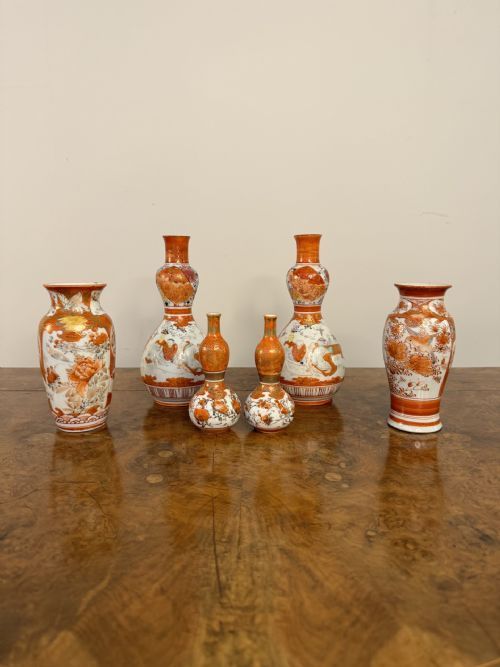


Asian Export Porcelain Vase
An asian export porcelain vase brings centuries of intricate global trade directly onto a mantelpiece.
Asian Export Porcelain Vase
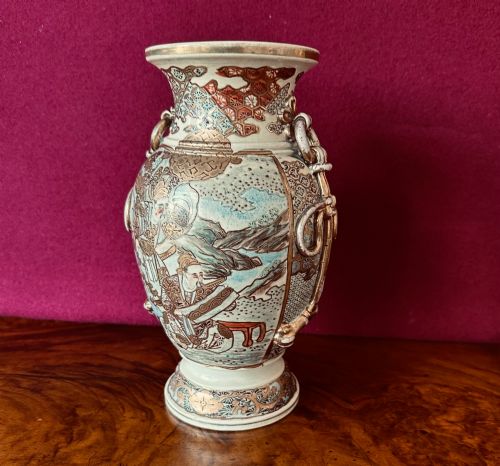
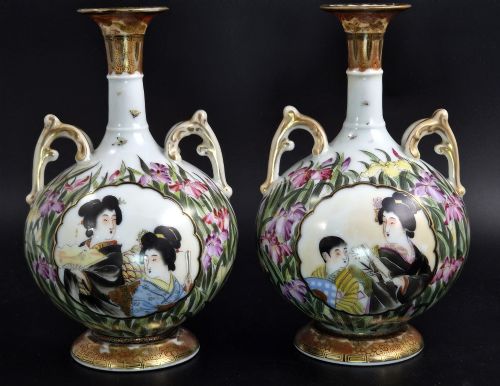
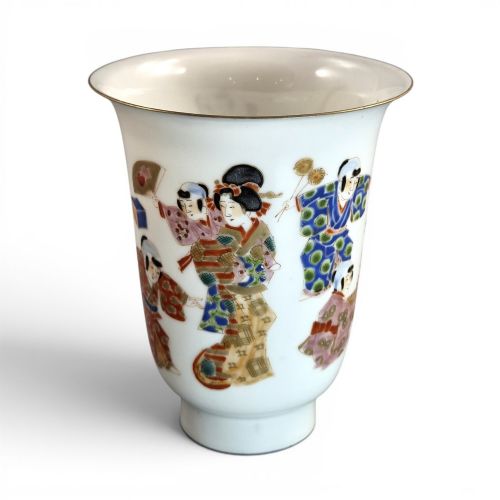
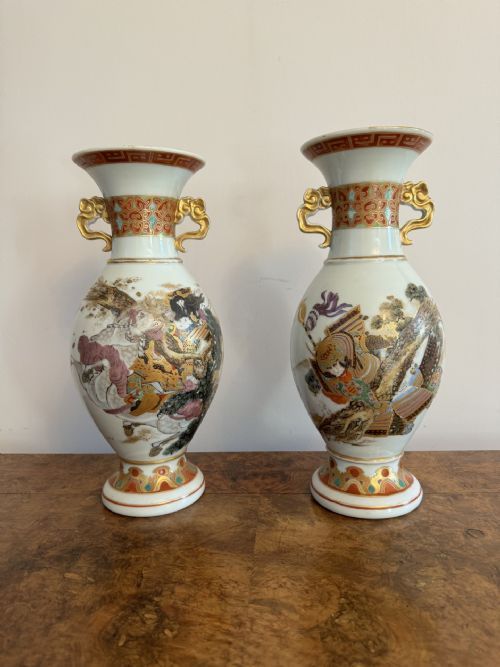
When you search for an asian export porcelain vase, you encounter a diverse array of decorative vessels manufactured in China and Japan specifically for overseas markets. These objects span several centuries, with nineteenth-century examples appearing most frequently alongside pieces originating from the seventeenth and early twentieth centuries.
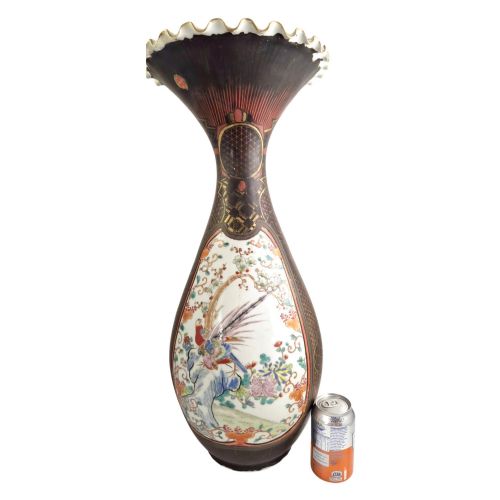
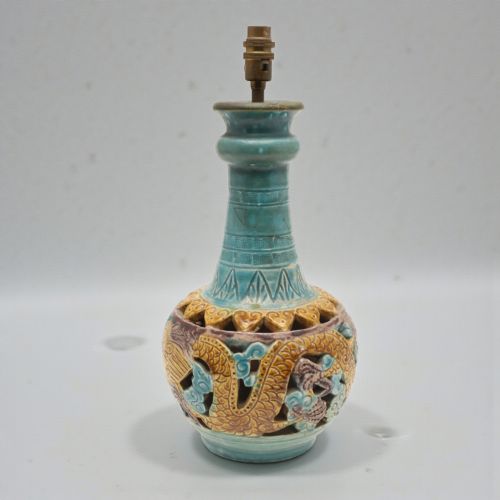
The selection encompasses various forms such as monumental floor vessels, double gourd shapes, trumpet-shaped beaker vases, and domestic table lamps adapted with brass mounts. Originating from distinct cultural traditions, they display regional aesthetics ranging from cobalt blue and white painting to polychrome enamel decoration.
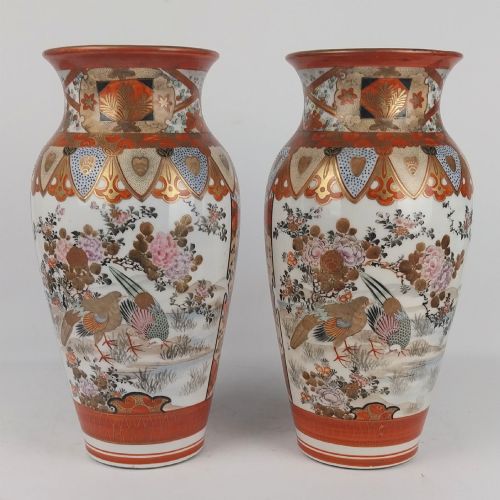
Collectors frequently encounter Japanese Imari, Kutani, and Satsuma styles alongside Chinese Famille Rose and celadon wares. Each form reflects the specific artistic inclinations of its period of manufacture, bridging Eastern ceramic traditions with Western interior tastes.
How they were made
Potters shaped fine ceramic paste, often utilising porcelain and occasionally earthenware, before applying intricate designs through hand-painted pigments and liquid glaze. Many pieces incorporate vibrant enamel work, meticulous gilding, and gold leaf applications to accent the primary motifs.
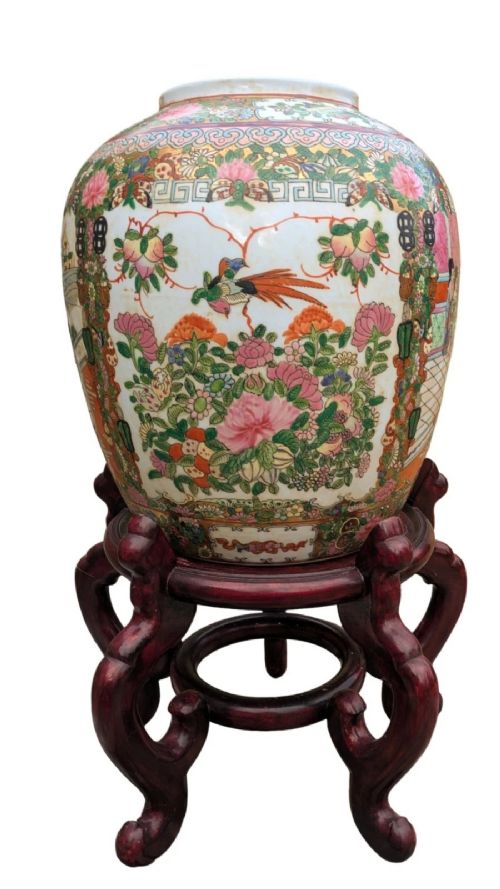
Certain utilitarian or decorative variations include structural additions such as wooden stands, brass mounts, and lacquered elements to complement the ceramic body. Kiln firing techniques allowed artisans to achieve deep cobalt underglazes as well as rich, multicolored overglaze decorations.
Asian Export Porcelain Vase Retail Price Guide 2026
Typical asking prices for asian export porcelain vase among the pieces listed under this phrase on Sellingantiques today, from the lower quarter to the upper quarter. They describe what is for sale here now, not the wider market.
Some towering nineteenth-century export vases stand nearly a metre tall, demanding sturdy furniture and adventurous interior placement.
What varies in quality
The degree of artistic execution in the hand-painted details dictates the visual distinction between standard production wares and exceptional examples. Precise brushwork, depth of colour in the enamel, and the richness of the gilding separate ordinary vessels from those created by prominent workshops.
Scale and proportion also influence desirability, particularly when pieces survive as matched pairs or retain original complementary stands and mounts. The crispness of the porcelain paste and the complexity of the decorative composition reveal the maker's mastery.
Yamaka and Tomomae·Takasaka Toemon·Hattori
The Asian Export Porcelain Vase Glossary
- Imari
- A style of Japanese export porcelain characterised by a palette of underglaze blue, iron red, and gold. This decorative scheme became immensely popular across European households during the trade periods.
- Celadon
- A term denoting European-invented terminology for ceramics featuring a pale green or grey-green translucent glaze. The subtle jade-like finish mimics natural stone.
- Satsuma
- Earthenware pottery originating from the Satsuma domain in southern Japan, typically featuring a finely crackled ivory glaze and elaborate polychrome enamel designs.
- Famille Rose
- A palette of Chinese porcelain enamels dominated by opaque pink or rose colours, introduced during the Qing dynasty and utilised for intricate floral and figural scenes.
- Double Gourd
- A traditional bottle vase form shaped like two stacked bulbous spheres. This silhouette holds auspicious symbolic meaning in traditional design.
Asian Export Porcelain Vase: Frequently Asked Questions
How do I date an asian export porcelain vase?
Dating relies upon examining the stylistic conventions, glaze characteristics, and potting techniques associated with specific historical periods like the Meiji era or Qing dynasty.
Changes in pigment formulations and the presence of specific workshop signatures also provide reliable chronological markers for experienced collectors.
Were these vases made for domestic use in Asia?
These ceramics were specifically produced for export to European and Western markets rather than for local consumption.
Consequently, the forms and decorative motifs often reflect a fusion of Eastern craftsmanship and Western interior design preferences.
Why are some vases mounted as lamps?
Many export vases were converted into table lamps during the nineteenth or twentieth centuries to suit contemporary lighting trends in Western homes.
This adaptation frequently involved adding brass fixtures while preserving the original ceramic body beneath.
How do I distinguish Chinese export from Japanese export?
Distinctions typically emerge through the clay body, glaze composition, and characteristic painting styles unique to each geographic region.
Chinese wares often feature celadon or blue and white underglazes, whereas Japanese pieces frequently display distinctive Imari palettes or Satsuma crackle-glaze earthenware.