




Asian Export Painting
Asian export painting brings together delicate watercolours on pith paper and vibrant export porcelain created for Western tastes.
Asian Export Painting
Asian export painting and associated wares cover works produced in China and Japan specifically for foreign markets, combining traditional Eastern motifs with forms suited to Western interiors.
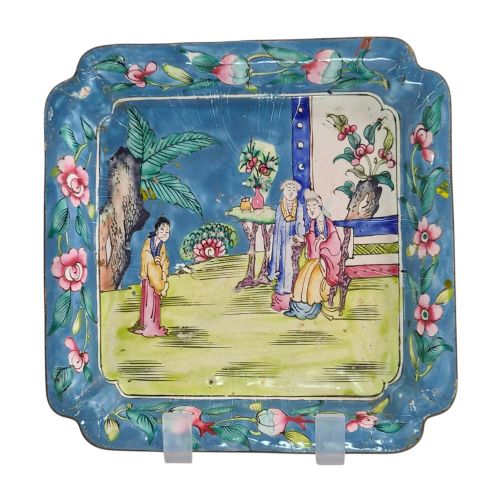
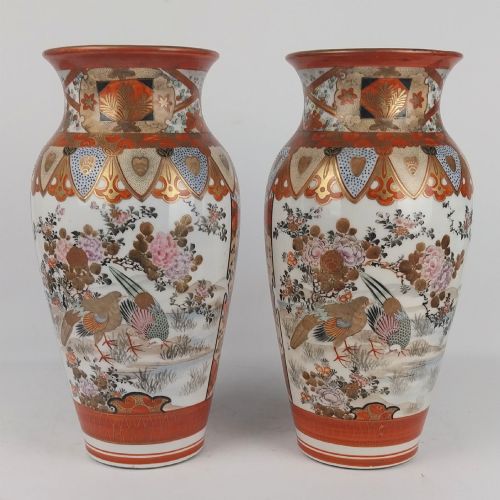
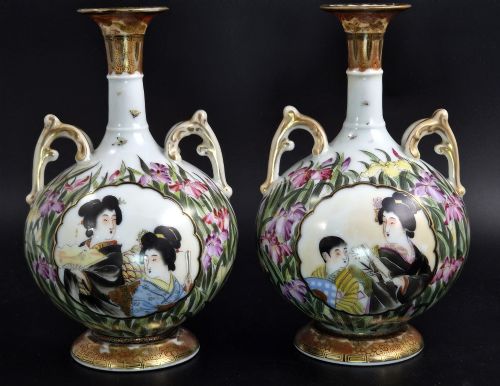
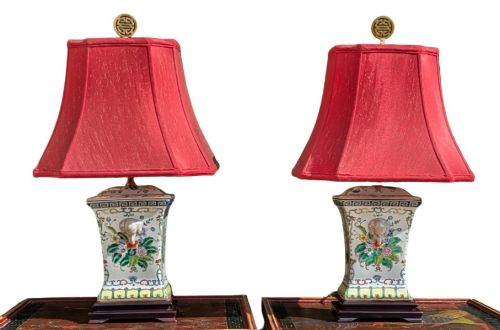
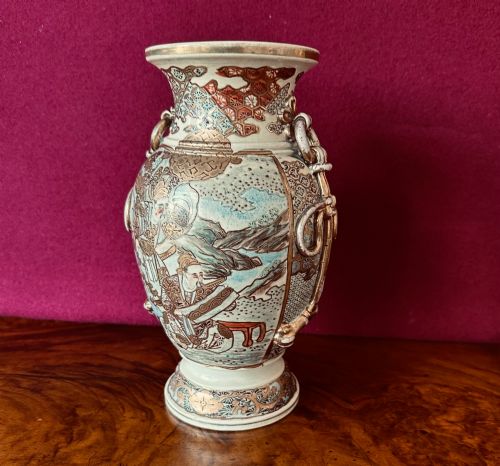
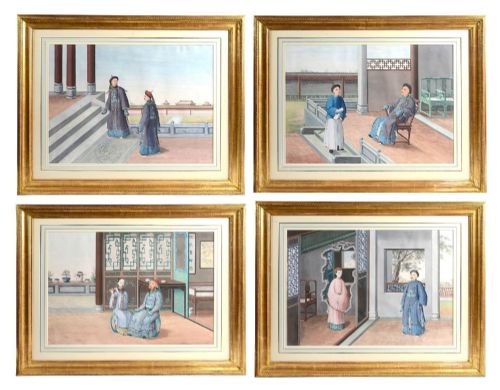
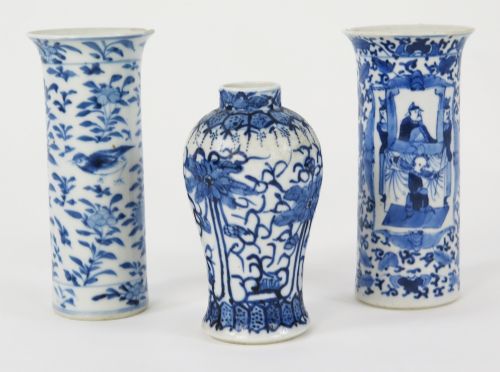
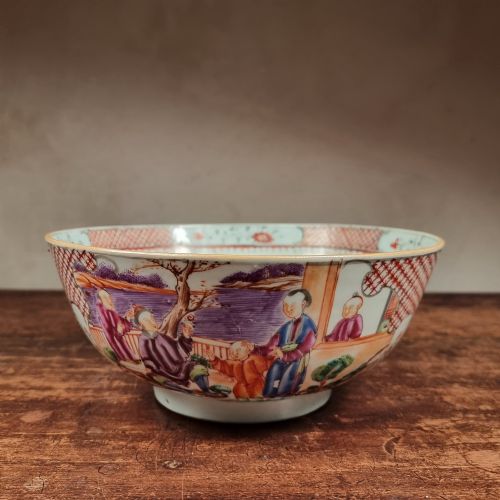
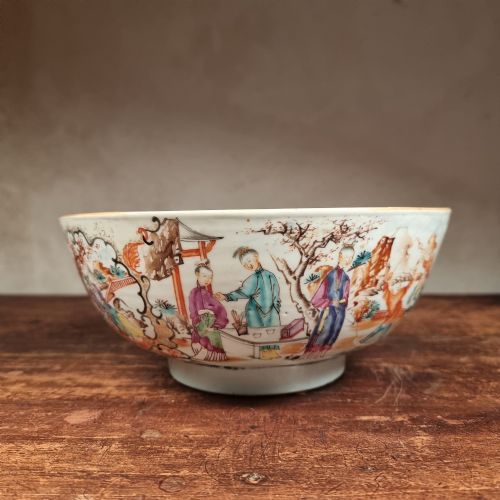
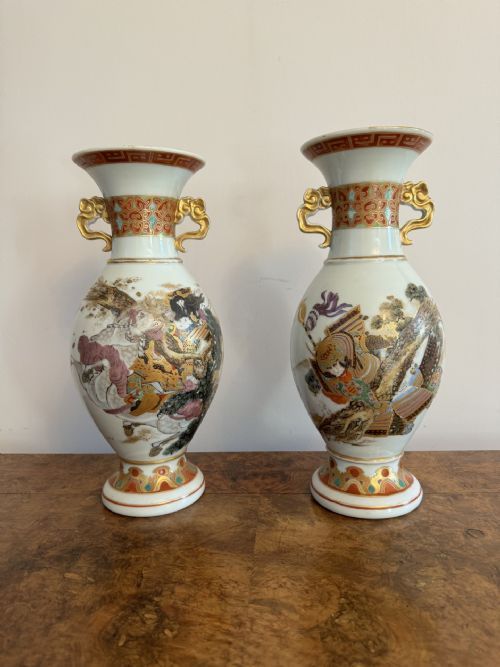
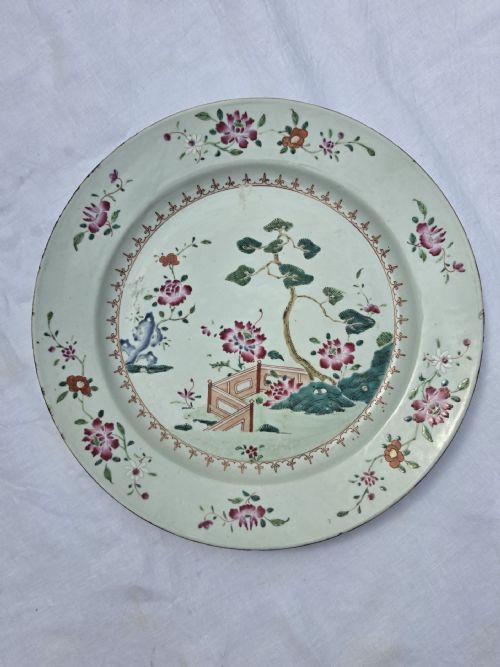
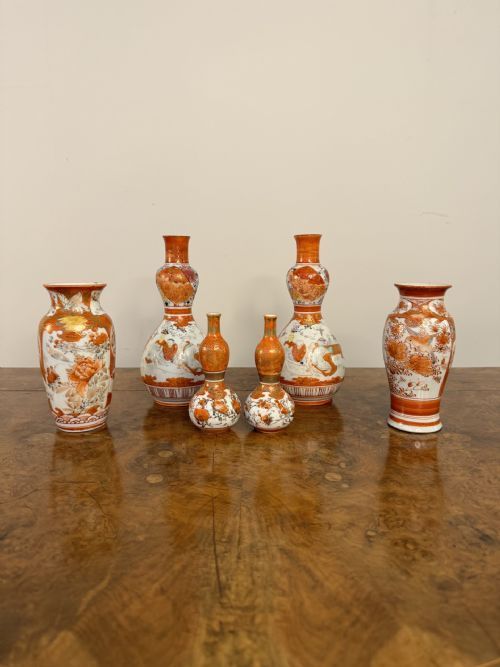
The pieces met on this page range from framed watercolours and gouache on pith paper to decorative porcelain chargers, vases, and bowls spanning the eighteenth and nineteenth centuries.
Buyers encounter distinct regional styles including Chinese Canton watercolours and Japanese Imari or Satsuma ceramics created during the Qing Dynasty and Meiji Period.
Materials and Techniques
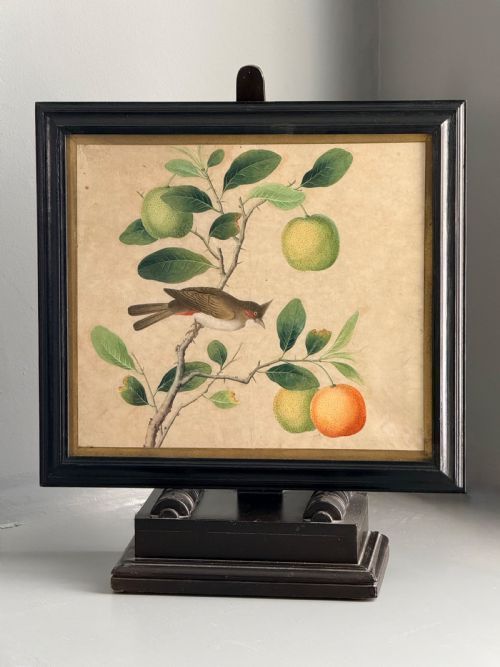
Works on paper utilise gouache and watercolour applied to delicate pith paper, capturing fine botanical and figural detail.
Ceramic pieces combine high-fired porcelain and earthenware bodies decorated with enamels, underglaze blue, and gold leaf.
Asian Export Painting Retail Price Guide 2026
Typical asking prices for asian export painting among the pieces listed under this phrase on Sellingantiques today, from the lower quarter to the upper quarter. They describe what is for sale here now, not the wider market.
Export artists occasionally painted exotic birds with imaginary tails simply because European buyers requested more drama.
Evaluating Quality
The distinction between standard commercial output and superior craftsmanship rests on the crispness of the brushwork, the vibrancy of the enamel palette, and the stability of the support material.
Early eighteenth-century pieces often display a greater discipline in pigment application and form than later mass-produced export items.
Takasaka Toemon·Hattori
The Asian Export Painting Glossary
- Pith paper
- A delicate organic material derived from the pith of the Tetrapanax papyrifer plant, commonly used for nineteenth-century watercolours. It has a velvet-like texture that absorbs gouache pigments with intense luminosity.
- Famille rose
- A major palette of Chinese ceramic glazes introduced in the eighteenth century, dominated by opaque pink or rose enamels. This technique allowed for subtle tonal gradations in floral and figural scenes.
- Imari
- A type of Japanese porcelain decorated in underglaze blue, iron red, and gold, produced in Arita and exported in large quantities. The bold contrasting palette made these wares popular in European stately homes.
- Satsuma
- Japanese earthenware pottery featuring a crackle-glaze ivory body decorated with elaborate polychrome enamels and gilding. Much of this ware was produced for the export market during the Meiji period.
- Gouache
- An opaque water-based medium composed of ground pigments and a binding agent, frequently used in export paintings on paper. It provides solid, flat areas of intense colour.
Asian Export Painting: Frequently Asked Questions
What is pith paper?
Pith paper is a fragile natural material cut from the pith of a shrub native to southern China. It served as a primary surface for portable watercolours made for foreign visitors.
The material accepts gouache and watercolour with unusual brilliance, giving these paintings their distinctive velvet-like appearance.
How do I date Imari porcelain?
Imari porcelain spans several centuries, with distinct shifts in body weight, glaze purity, and iron-red tones. Eighteenth-century examples generally show heavier potting and deeper cobalt blues.
Later pieces from the Meiji period tend to feature brighter, denser enamel applications and more complex gilded borders.
Where were export paintings made?
These works were produced in coastal trading hubs such as Canton in China and Yokohama or Arita in Japan. Workshops in these centres catered specifically to Western merchants.
Artists adapted traditional Eastern techniques to suit European tastes in domestic decoration and collecting.
How should I care for pith paper paintings?
Pith paper is extremely fragile and reacts poorly to fluctuations in humidity and direct sunlight. These works require professional framing behind UV-filtering glass.
Keep them away from heat sources and avoid touching the surface, as the material easily cracks or bruises under pressure.