




Asian Export Dish
These asian export dish selections bring together centuries of traded ceramic and metal craftsmanship made for international markets.
Asian Export Dish
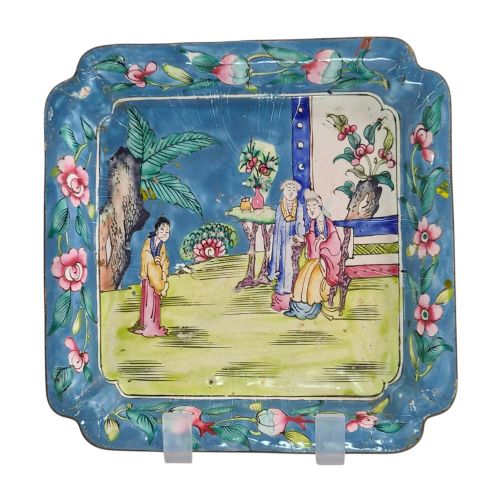
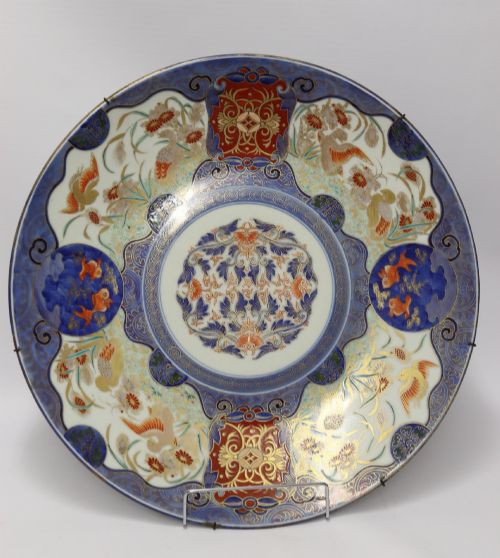
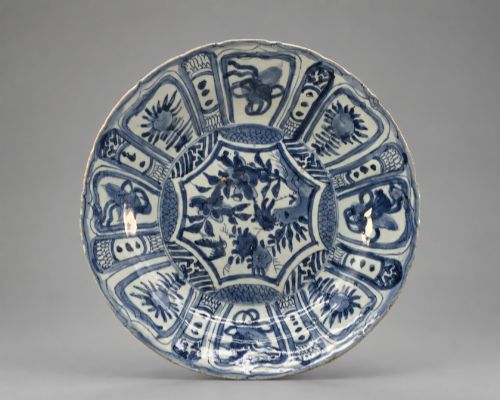
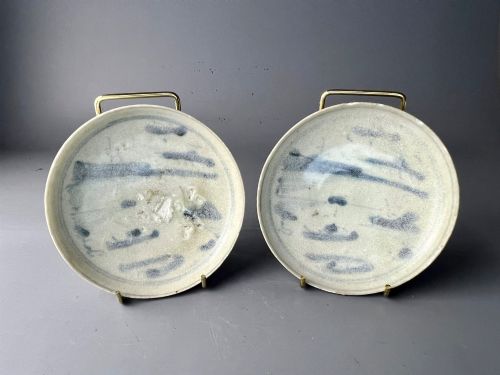
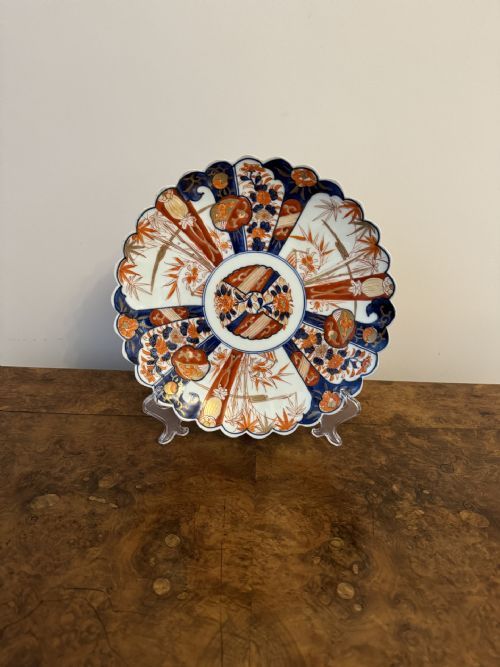
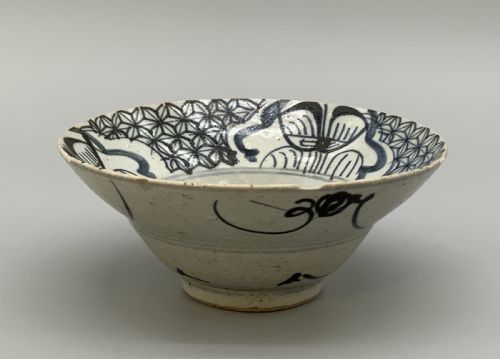
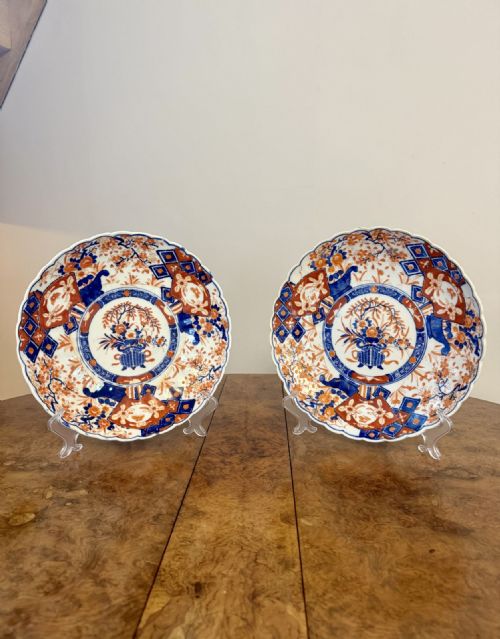
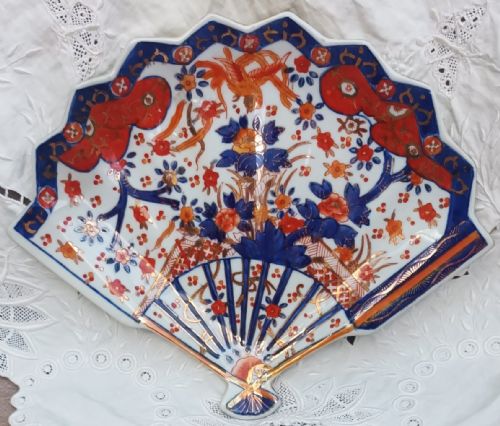
An asian export dish encompasses vessels and plates made in East Asia specifically for overseas trade and western markets. The selection on this page relies heavily on Japanese Imari porcelain and Chinese porcelain, spanning periods from the Ming Dynasty and 17th century cargo shipwrecks to the Meiji period and 1900s.
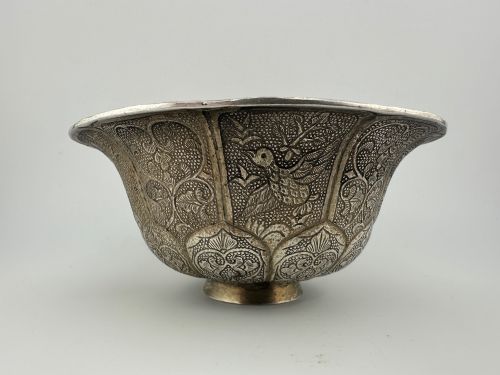
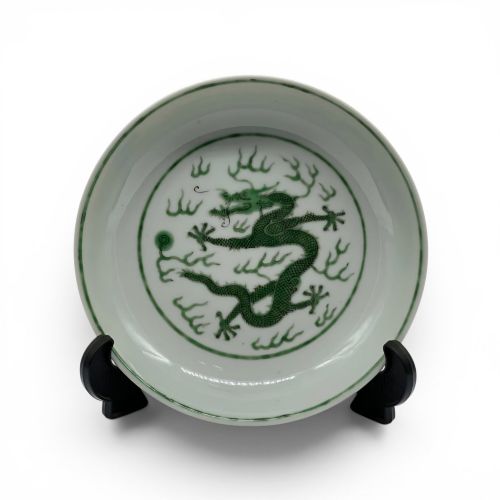
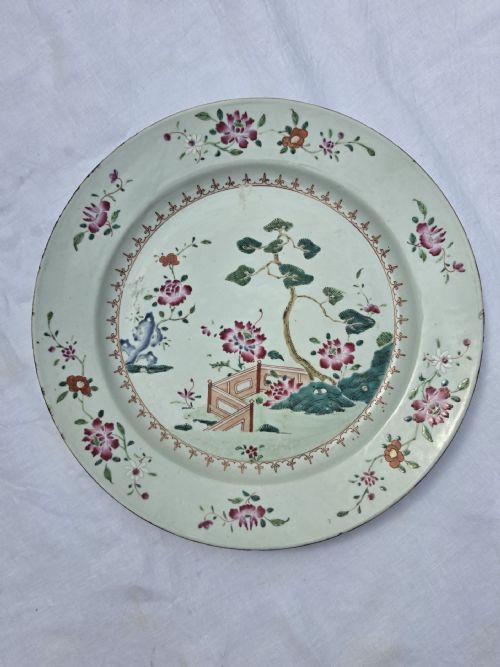
Forms range from decorative plates, chargers, and platters to deep bowls and lotus dishes. Pieces often showcase traditional motifs such as birds, floral arrangements, and imperial dragons rendered in cobalt underglaze, enamel, or gold leaf.
Buyers will most frequently encounter Japanese Imari plates from around 1900 alongside 18th century Chinese export porcelain. These items reflect both functional utility and ornamental display for historic interiors.
How they were made
Potters shaped high-fired porcelain clay to form the body of these vessels, applying cobalt underglaze for blue and white designs before the final glaze firing. Enamels and gold leaf were frequently added in subsequent low-temperature firings to build rich polychrome palettes.
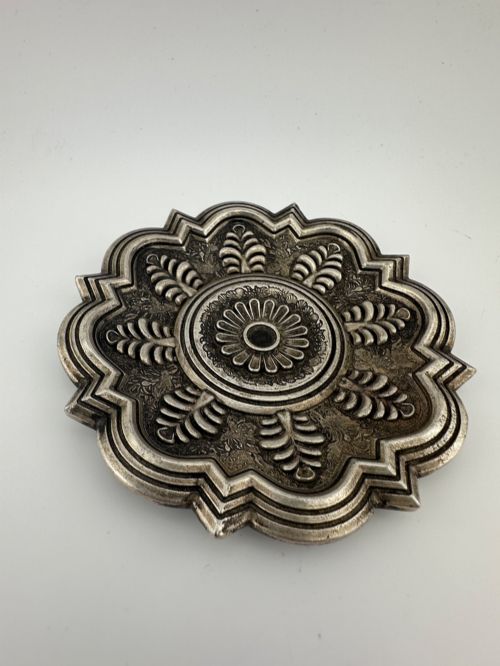
Metal dishes utilised white metal, brass, bronze, and export silver, shaped through hammering and casting. Artisans then chased or engraved surface details onto the metal to complement the intricate ceramic traditions.
Asian Export Dish Retail Price Guide 2026
Typical asking prices for asian export dish among the pieces listed under this phrase on Sellingantiques today, from the lower quarter to the upper quarter. They describe what is for sale here now, not the wider market.
Materials documented across the page include porcelain, enamel, gold leaf, silver, white metal, and bronze.
What varies in quality
The distinction between ordinary and superior pieces rests on the precision and confidence of the brushwork. Finely hand-painted designs display sharp outlines and controlled colour application that separate standard production wares from pieces destined for imperial or high-status export markets.
Material selection also dictates standing, with heavier white metal gauges, deep cobalt saturation, and generous applications of gold leaf elevating a piece. Well-balanced forms, such as crisp scalloped edges on plates, indicate superior forming techniques in the kiln.
The Asian Export Dish Glossary
- Imari
- A style of Japanese porcelain featuring a palette of underglaze blue, iron red, and gold. It originated in Hizen province and was shipped from the port of Imari.
- Famille Rose
- A palette of Chinese porcelain enamels dominated by opaque pink or rose colours, introduced during the Qing Dynasty in the 18th century.
- Kraak porcelain
- Chinese export porcelain produced mainly during the Wanli period, typically characterised by panelled borders and central blue and white floral or animal motifs.
- Cobalt underglaze
- A blue pigment applied to the raw clay body before glazing and firing, capable of withstanding high kiln temperatures without fading.
- White metal
- An alloy used in oriental bowls and dishes, often containing silver or tin components, frequently worked into decorative items around 1900.
Asian Export Dish: Frequently Asked Questions
How do I date an imari dish?
Dating relies on stylistic shifts in the iron red and cobalt blue pigments alongside the potting weight. Earlier pieces from the Edo period show different body densities compared to later Meiji or 1900s export items.
Examining foot rims and glaze pooling offers further clues to the manufacturing decade.
What is the difference between a plate and a charger?
Chargers are substantially larger decorative plates traditionally used for ceremonial display or serving multiple courses at grand tables. Standard plates measure smaller and served everyday dining functions.
Both forms appear frequently in export shipments over the centuries.
How should I clean antique export silver?
Export silver requires gentle dusting with a soft microfibre cloth to remove surface particles. Avoid harsh chemical dips that strip the natural patination built up over decades.
Consult a specialist conservator if tarnish obscures fine engraved details.
Can I display these dishes on a wall?
Wall mounting is possible utilising padded wire hangers designed specifically for heavy porcelain rims. Ensure the hanger distributes weight evenly across the diameter to prevent stress fractures.
Keep pieces away from direct sunlight and areas prone to heavy vibrations.