




Asian Decorative Charger Plate
When you search for asian decorative charger plate, you are looking at substantial display vessels crafted in porcelain, metal and enamel.
Asian Decorative Charger Plate
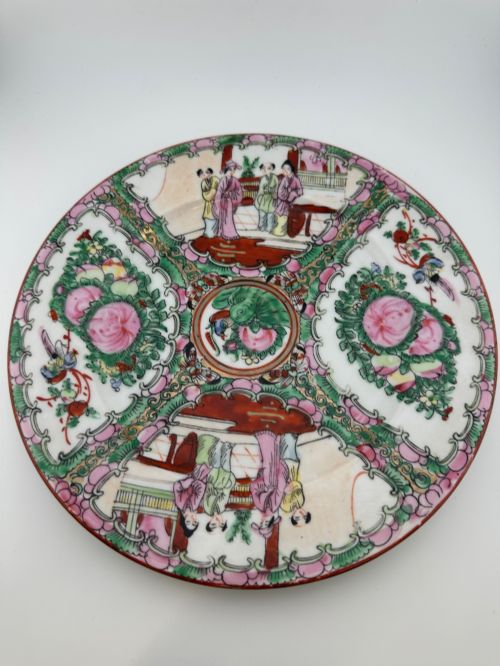
An asian decorative charger plate is a large-format display dish intended to be set on a table, hung on a wall or supported on a stand rather than used for serving food. When searching for asian decorative charger plate, collectors encounter substantial ceramic, lacquer and metal vessels originating primarily from Japan during the Meiji period and the Victorian era, alongside Chinese export wares.
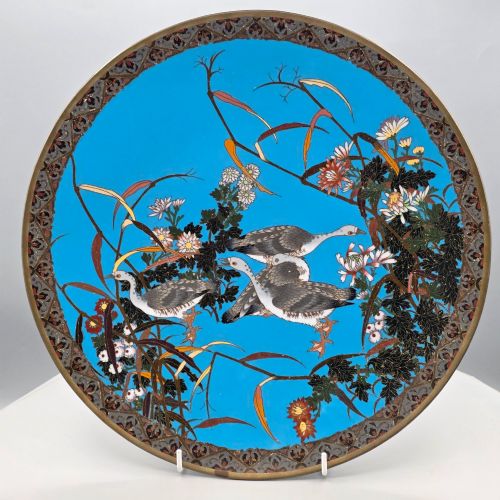
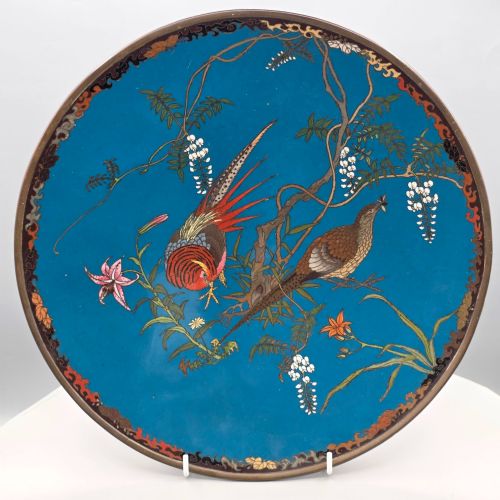
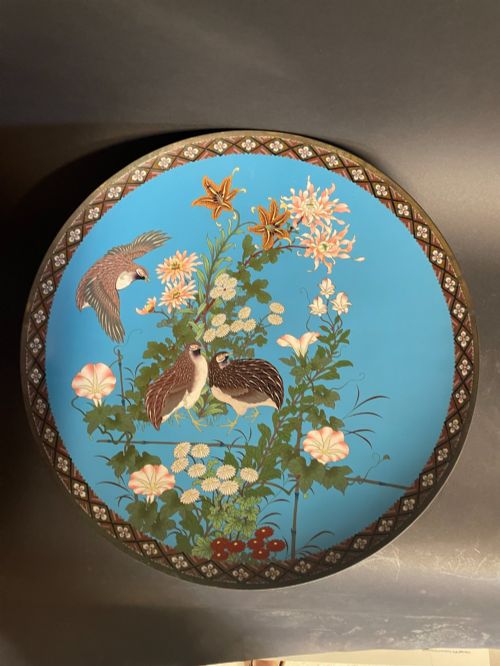
The most common examples on this page are Japanese Imari porcelain chargers and cloisonne enamel plates dating from the late nineteenth century and around 1900. These pieces often measure over thirty centimetres across and display complex hand-painted motifs or intricate wirework designs depicting birds, dragons, deities and landscapes.
How they were made
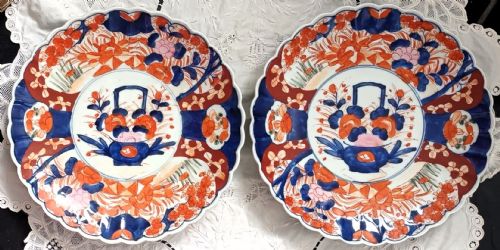
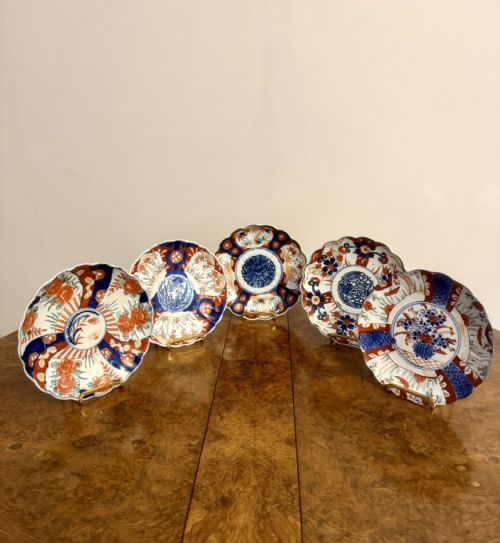
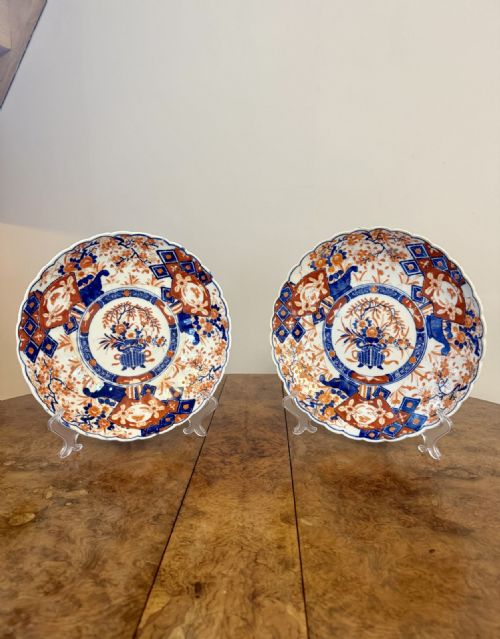
Ceramic chargers were shaped from porcelain clay, hand-painted with underglaze blue and vibrant overglaze enamels such as iron red and gold, then fired in kilns. Many pieces show the distinct influence of Arita and Kutani traditions.
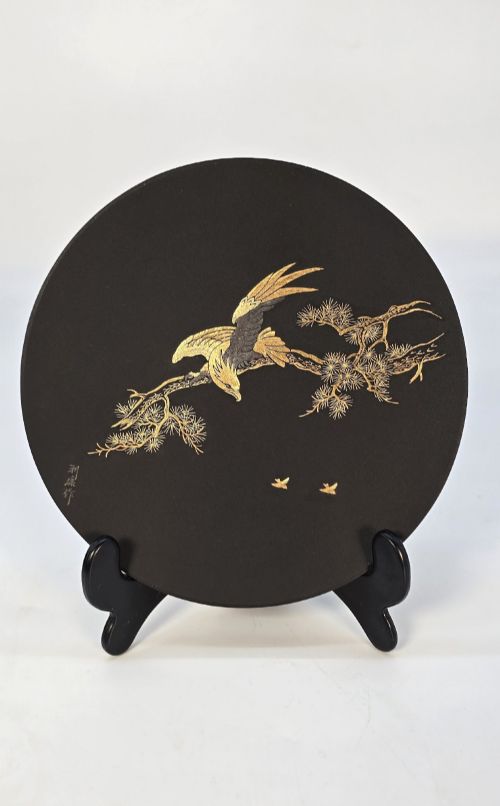
Metal and enamel plates relied on copper or brass bases decorated with cloisonne enamel, where thin metal wires formed compartments for coloured pastes, or featured patinated iron surfaces inlaid with gold and silver.
Several plates depict startled owls staring down Mount Fuji while nearby shrimp and leaping koi swim across adjacent trays.
What varies in quality
Quality rests on the precision of the hand-painting and the complexity of the composition across the broad surface of the dish. Finer examples display meticulous brushwork on porcelain or exceptionally neat wirework in cloisonne, where individual cells are tightly packed and polished flush.
The choice of subject matter and the richness of the palette also distinguish finer plates from standard production wares. Pieces depicting elaborate narrative scenes with deities, specific birds or multi-coloured dragons demonstrate greater artisanal skill than simpler repetitive patterns.
Koshida
The Asian Decorative Charger Plate Glossary
- Charger
- A large decorative plate or dish intended for display rather than domestic dining use. These substantial vessels provide a wide canvas for intricate painting or metalwork.
- Cloisonne
- An enamelling technique where metal wires are soldered to a copper or brass base to create compartments filled with coloured paste. The surface is then fired and polished smooth.
- Imari
- A style of Japanese porcelain featuring a distinctive palette of underglaze blue, iron red and gold. Originating from the Arita region, these wares were widely exported during the Meiji period.
- Meiji
- A historical period in Japan lasting from 1868 to 1912 that produced significant decorative arts for international export. Pieces from this era often combine traditional craftsmanship with ambitious pictorial designs.
- Kutani
- A style of Japanese porcelain known for bold polychrome enamel decoration and rich gilding. These works frequently incorporate figurative scenes, birds and natural motifs.
Asian Decorative Charger Plate: Frequently Asked Questions
What is an asian decorative charger plate?
An asian decorative charger plate is a large display dish made of porcelain, enamel or metal. These substantial pieces were created primarily for visual presentation.
They serve as focal points in a room, often exhibited on stands, cabinets or walls to showcase traditional craftsmanship.
How do you display a charger plate?
Charger plates are typically displayed on sturdy metal or wooden plate stands placed on tables, mantels or sideboards. Larger examples can also be mounted on walls using secure specialised hanging brackets.
Because these vessels are heavy and lack hanging loops on the reverse, proper support is essential for safe exhibition.
What periods do these pieces come from?
The majority of pieces date from the late nineteenth century, specifically the Meiji period in Japan and the Victorian era in Britain. Earlier examples from the seventeenth century and later twentieth-century productions also appear.
Stylistic markers and manufacturing techniques help differentiate these specific periods of production.
How do I tell Imari from Kutani?
Imari porcelain relies heavily on a triad of underglaze blue, iron red and gold highlights, often featuring symmetrical or panelled geometric designs. Kutani porcelain employs a broader, denser palette of multi-coloured enamels and heavy gilding.
Examining the underlying clay body, the weight of the dish and the primary pigment combinations clarifies the specific regional tradition.