
Asian Ceramic Urn
An asian ceramic urn brings the weight of centuries of pottery traditions straight into a room.
Asian Ceramic Urn
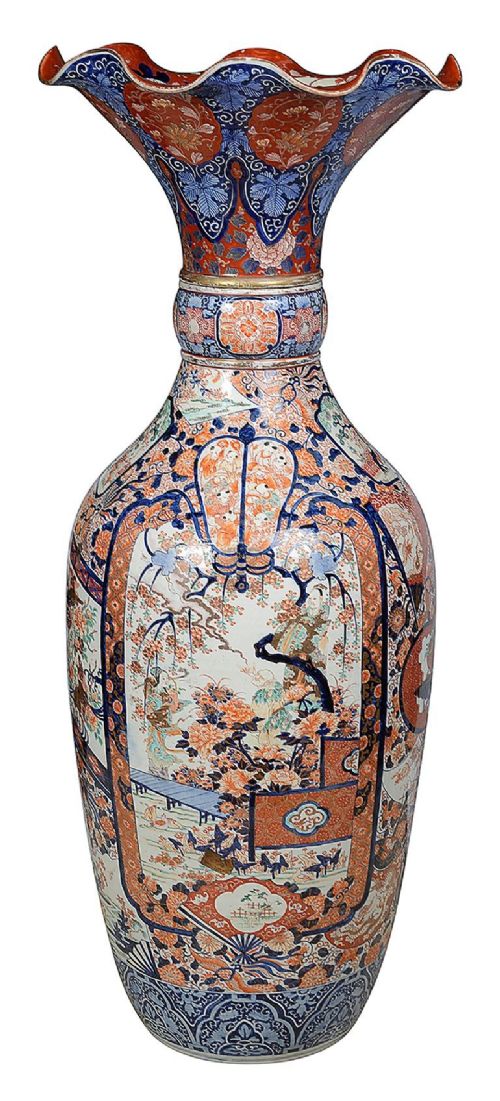
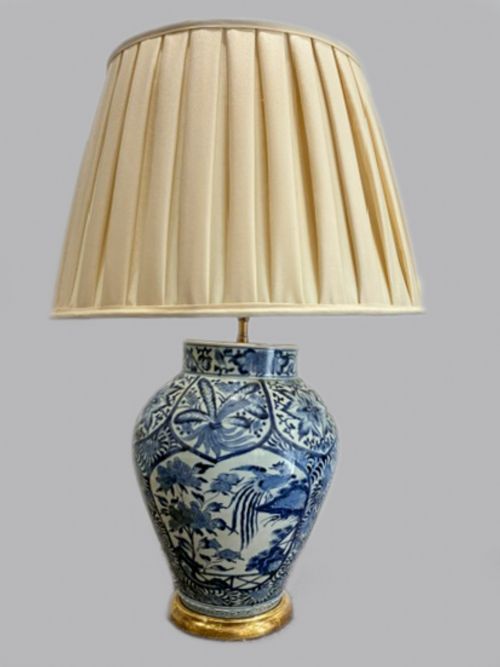
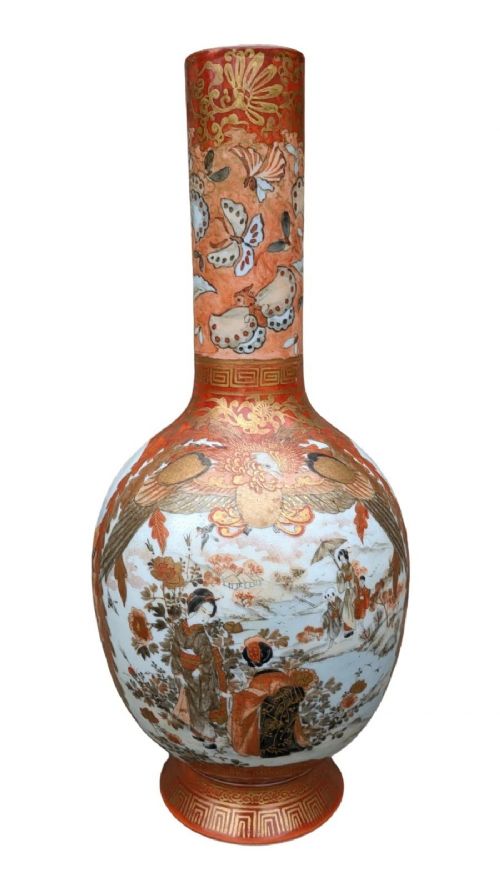
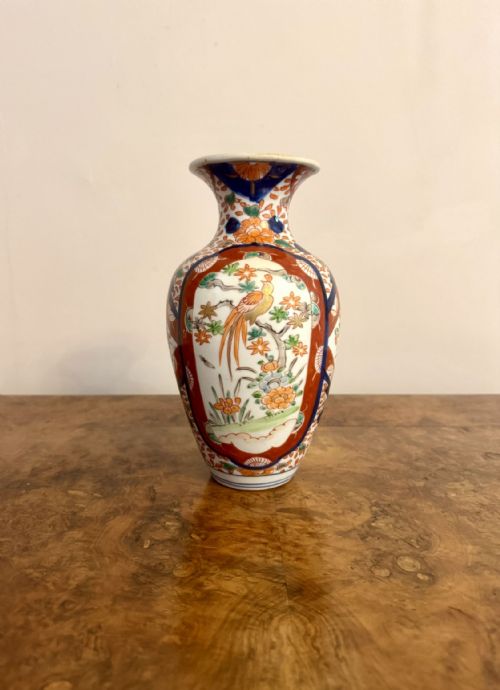
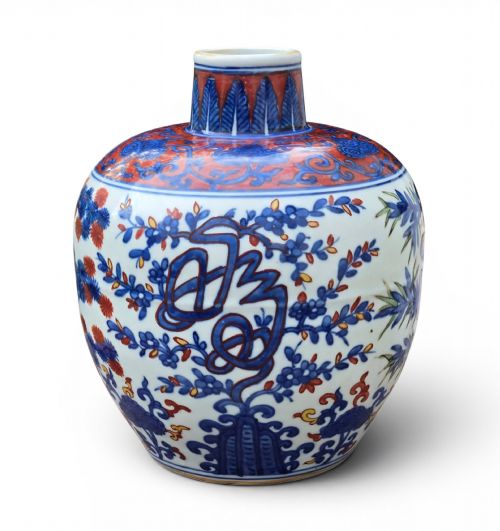
An asian ceramic urn spans diverse forms ranging from large lidded jars and floor vases to tabletop lamps and jardinieres. These pieces originate primarily from Chinese and Japanese traditions across the late seventeenth century through the early twentieth century.
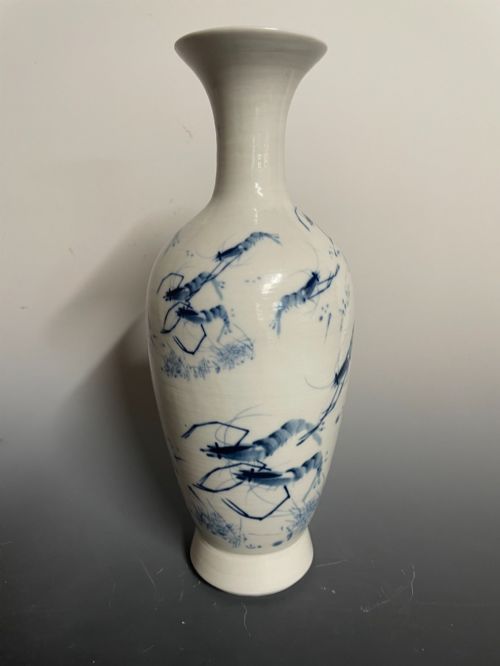
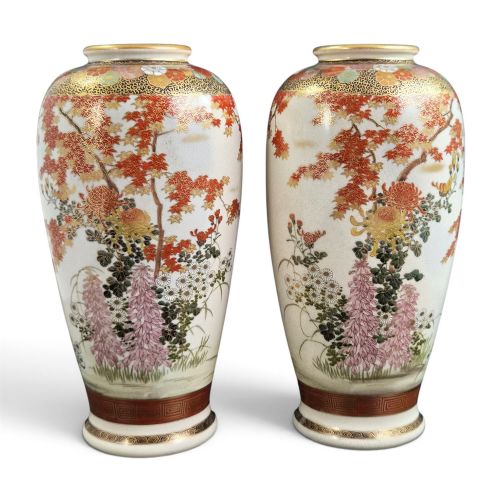
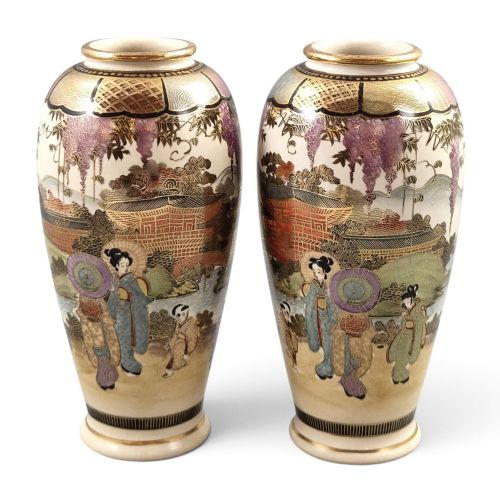
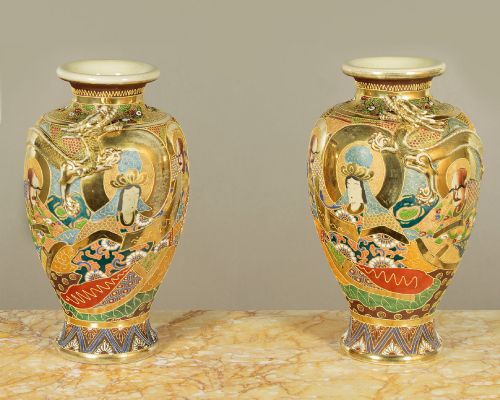
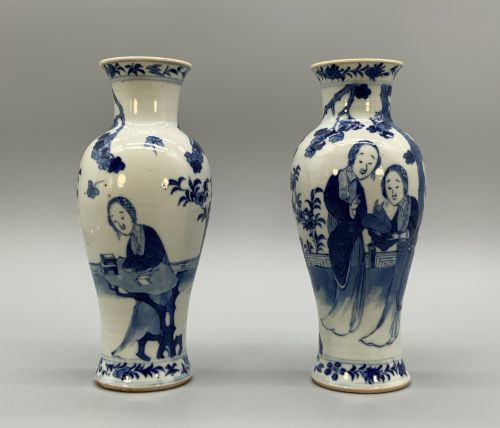
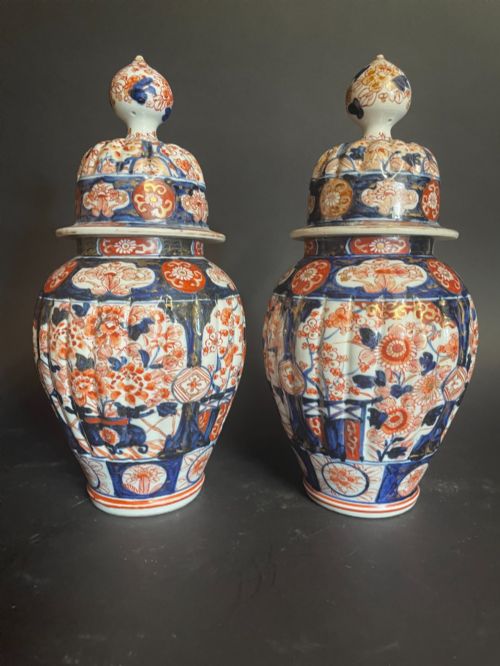
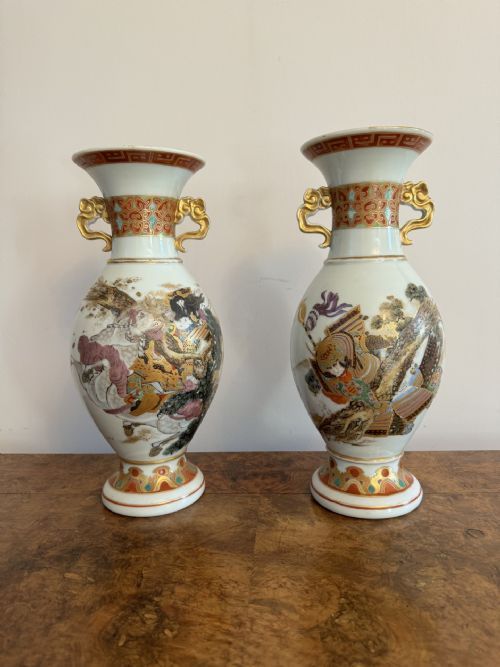
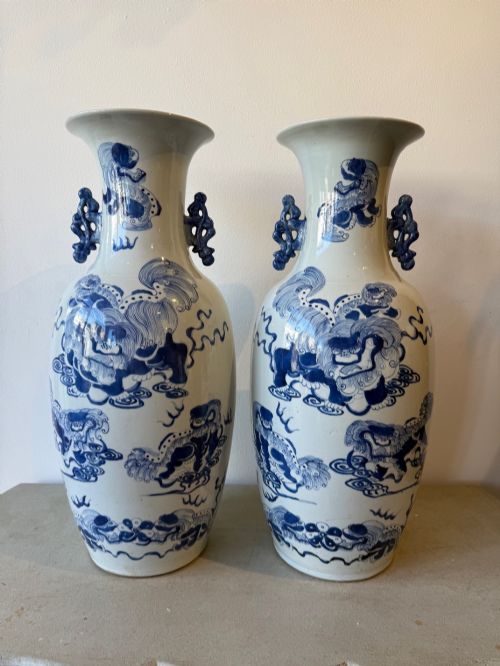
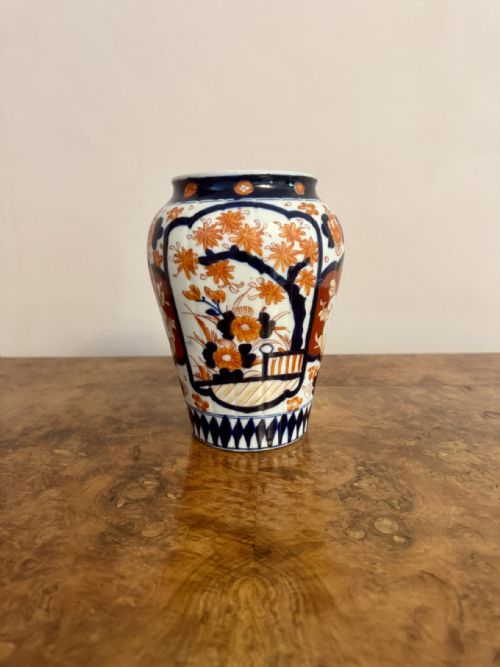
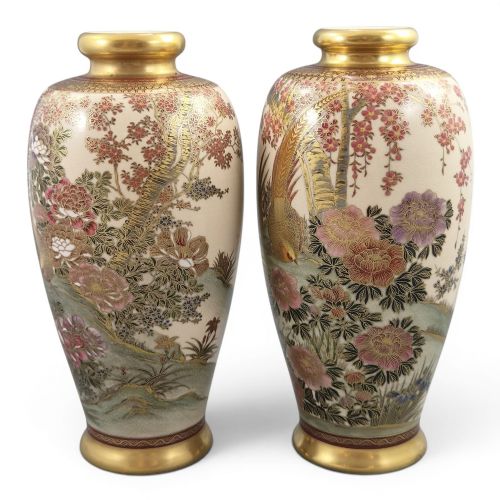
The most common examples on this page are Japanese Satsuma and Imari vases from the Meiji period, alongside Chinese blue and white porcelain and celadon vessels. Makers utilised earthenware, stoneware and porcelain to create these decorative and functional objects.
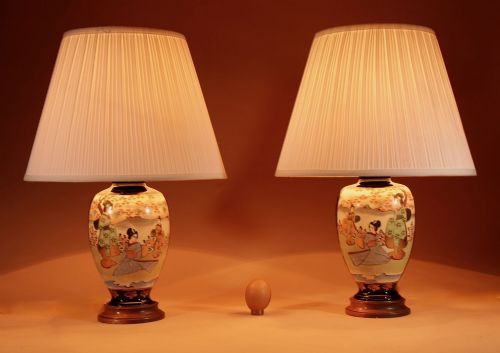
Buyers often encounter pairs of vases or individual ginger jars that have sometimes been converted into lamps. The stylistic vocabulary includes intricate figural scenes, flora and fauna executed in traditional workshops.
How they were made
Potters shaped clay into earthenware, stoneware and porcelain bodies before applying cobalt glaze, enamel and gold leaf. Kiln firing fixed these mineral pigments and underglaze designs into the ceramic substrate.
Many Satsuma and Kutani pieces received detailed hand-painted overglaze decoration finished with gilt highlights. Workshops relied on precise brushwork and controlled oxidation in kilns to achieve deep blues, reds and celadon greens.
What varies in quality
The distinction between standard production and masterwork output rests on the control of the brush and the fineness of the paste. Superior vessels display precise line work in the enamels and rich, evenly applied gold leaf that does not rub thin.
Signed pieces from renowned workshops such as Kinkōzan or makers like Makuzu Kozan demonstrate a higher level of sculptural finish and balanced composition. The weight of the porcelain or stoneware and the crispness of the underglaze cobalt indicate the skill of the original production.
Maruni Kobe·Shozan·Manpei·Kinkōzan·Hotoda·Makuzu Kozan·Kato Sanhei·Chosei
The Asian Ceramic Urn Glossary
- Satsuma
- A type of Japanese earthenware featuring an ivory-coloured crackle glaze and dense polychrome and gilt decoration. It originated in Satsuma Province and gained international acclaim during the Meiji period.
- Imari
- Japanese porcelain decorated in underglaze blue, iron red, and gold, produced in Arita for export to the West. The style mimics Chinese export wares while retaining a distinct palette.
- Celadon
- A term for ceramics denoting a pale green glaze resembling jade, achieved through iron oxide in a reduction kiln. This glaze tradition has ancient roots in Chinese kilns.
- Kutani
- Japanese coloured porcelain or stoneware characterised by bold designs in green, blue, yellow, purple and red. These wares often depict landscapes, figures or floral motifs.
- Baluster
- A vase shape with a rounded body that tapers toward the base and swells near the lower middle. This classical silhouette provides a stable canvas for painted panels.
Asian Ceramic Urn: Frequently Asked Questions
What is the difference between Imari and Kutani?
Imari ware relies on a specific palette of underglaze blue, iron red and generous gilt accents on porcelain bodies. The designs are often symmetrical and densely patterned with floral and geometric elements.
Kutani ware encompasses a broader range of colour tones including greens, purples and yellows, applied to stoneware or porcelain. Kutani pieces frequently highlight expressive narrative scenes or nature studies rather than strict geometric repeats.
Can I use these vases as lamps?
Many antique jars and vases were converted into table lamps during the twentieth century or more recently. This adaptation allowed historic ceramics to find a functional role in modern domestic lighting.
When evaluating a converted piece, consider whether the mounting respects the original ceramic body. Professional conversions avoid damaging the antique porcelain or stoneware.
How should I care for antique ceramics?
Keep ceramic urns and vases out of direct sunlight to protect delicate enamel colours and gold leaf from fading. Dust them gently with a dry, soft cloth rather than using liquid cleaning agents.
Avoid placing them in areas subject to sudden temperature shifts or heavy vibrations. Stable indoor placement preserves both the glaze and the underlying clay body.