



Asian Brass Sculpture
These asian brass sculpture pieces span centuries of metalwork traditions, offering intricate religious icons and decorative animals that anchor any room with character.
Asian Brass Sculpture
When you search for asian brass sculpture, you encounter a diverse range of metalwork spanning centuries and regions. The selection on this page covers everything from religious icons to decorative animal figures.
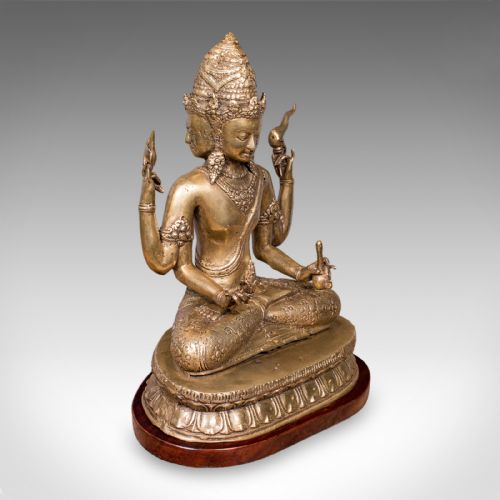
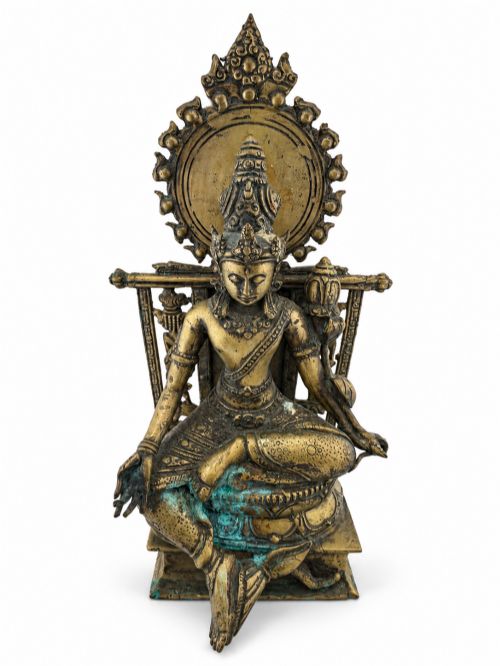
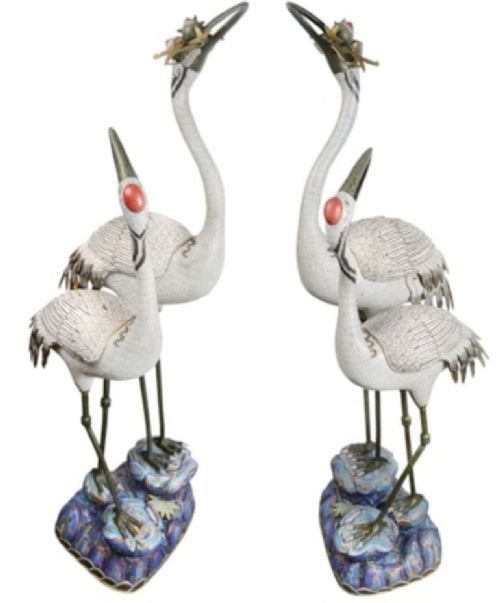
You are most likely to meet 19th century and early 20th century works, particularly figures of deities, temple lions, and birds such as cranes and quails. These objects reflect various cultural traditions, including Tibetan, Balinese, and Chinese Imperial styles.
The forms vary widely, encompassing both solitary devotional statues and balanced pairs meant for display. Materials extend beyond brass to include bronze, copper alloy, and gilt metal.
How they were made
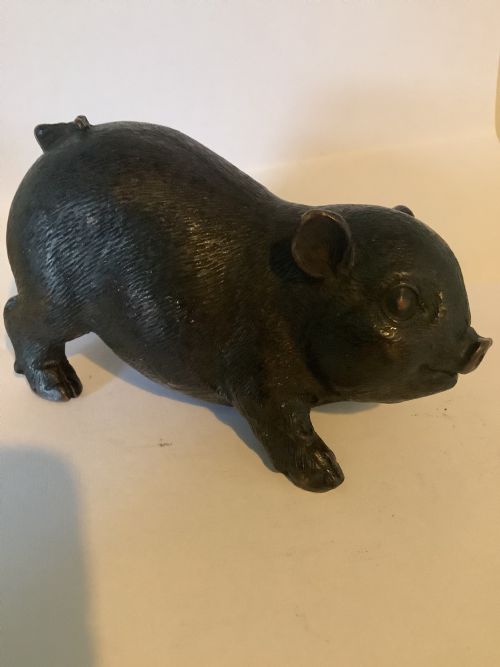
The construction of these pieces relies heavily on casting methods utilising copper alloys, brass, and bronze. Artisans shaped molten metal into detailed figures of deities, animals, and temple guardians.
Surface treatments add significant detail, with many examples featuring gilt finishes or inlaid mineral accents. Cloisonné enamel work also appears on select decorative pieces, integrating coloured glass pastes within metal wire partitions.
Asian Brass Sculpture Retail Price Guide 2026
Typical asking prices for asian brass sculpture among the pieces listed under this phrase on Sellingantiques today, from the lower quarter to the upper quarter. They describe what is for sale here now, not the wider market.
Listings span periods from pre-16th century works up to the early 20th century, incorporating materials like mineral inlays and cloisonne enamel.
What varies in quality
The application of gilding and enamel also distinguishes higher-grade examples from simpler production. Better pieces retain rich surface patination and precise inlays that survive centuries of handling.
The Asian Brass Sculpture Glossary
- Gilt bronze
- Metal cast from a copper alloy and coated with a thin layer of gold. This treatment provides a lustrous surface that resists tarnishing.
- Cloisonné enamel
- A technique where thin metal wires are soldered to a metal base to create compartments filled with enamel paste. These are then fired and polished smooth.
- Copper alloy
- A broad category of metals containing copper as the principal component, including brass and bronze. It forms the structural base for many historical statues.
- Mineral inlays
- Small decorative stones or minerals embedded into the surface of a sculpture. They add colour and contrast to the metalwork.
Asian Brass Sculpture: Frequently Asked Questions
How do I date an antique bronze statue?
Dating relies on stylistic markers, casting techniques, and the natural wear of the metal over time. Examining the specific craftsmanship of the period helps narrow down the origin.
Material composition and surface patination also offer clues to the age of the piece. Comparing known examples from specific regions provides a reliable baseline for comparison.
Where should I display temple lions?
Temple lions traditionally flank important entryways or shrines to provide protection and balance. Placing them symmetrically enhances their visual impact in a room.
Ensure they rest on stable surfaces like heavy wooden consoles or mantelpieces. Their substantial weight requires sturdy support.
What is the difference between brass and bronze?
Bronze is primarily an alloy of copper and tin, while brass is an alloy of copper and zinc. Both were utilised historically for sculptural casting.
Colour and patination often help distinguish the two metals visually. Bronze tends to develop a deeper brown or green patina, whereas brass leans towards a brighter golden hue.
How do I clean antique metal sculptures?
Dusting gently with a soft, dry brush is generally sufficient for regular maintenance. Avoid harsh chemical cleaners that can strip away historic patination.
Consult a professional conservator if the piece requires deeper intervention. Protecting the surface from excessive moisture preserves the integrity of the metal.