




Brass Table Ornament
When you search for brass table ornament, you seek the small metal objects that decorated Victorian and Art Deco surfaces.
Brass Table Ornament
A brass table ornament encompasses varied decorative forms designed to sit upon furniture surfaces, including candlesticks, desk clocks, and small sculptures. These objects originate from periods such as the nineteenth century, the Victorian era, Edwardian years, and the Art Deco epoch.
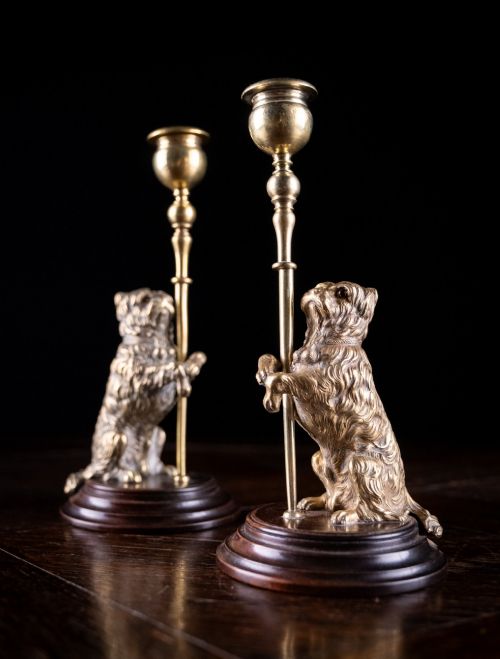
The pieces you encounter span diverse functional and decorative types, from animal figures like standing terrier dogs and ibexes to ships bells and signal cannon models. Many incorporate other media alongside the metal, linking brass with porcelain, glass, hardwood, chrome, and champleve enamel.
Victorian and Edwardian examples sit alongside pieces executed in the Chinese Qing Dynasty style or in the manner of mid-century workshops. Buyers seeking a specific aesthetic find everything from maritime instruments to figural candlesticks represented.
Materials and construction methods
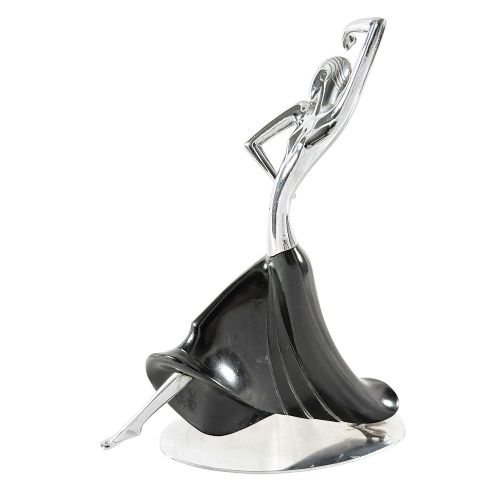
Makers utilised cast brass as the primary structural body for many ornaments, frequently combining it with porcelain inserts, glass, or carved wood. Gilt bronze and champleve enamel appear on more elaborate desk pieces, while later Art Deco items employ chrome plate and painted metal.
Workmanship involves precision casting, carving, and mounting, as seen in brass-mounted horn pieces and carved wood animal figures by named makers. Enamelling techniques and applied paint add colour and surface detail to figures and clock housings.
Brass Table Ornament Retail Price Guide 2026
Typical asking prices for brass table ornament among the pieces listed under this phrase on Sellingantiques today, from the lower quarter to the upper quarter. They describe what is for sale here now, not the wider market.
A pair of standing terrier dogs proudly holds candles, proving that Victorian domestic life had a delightfully canine sense of humour.
Judging the quality of the work
Quality rests upon the crispness of the casting and the finesse of any secondary materials, such as hand-painted porcelain or champleve enamel work. Superior examples demonstrate careful joining between dissimilar materials like metal and horn or wood.
Pieces bearing attribution to known designers or specific maritime vessels carry distinct historical context that elevates their interest. The weight of the metal and the fidelity of sculptural details like animal forms distinguish standard production from finer studio output.
Laszlo Hoenig·Barwise London
The Brass Table Ornament Glossary
- Champleve enamel
- A technique where troughs or cells are carved into the metal surface and filled with vitreous enamel before firing.
- Gilt bronze
- Bronze that has been treated with a thin layer of gold or gold-coloured alloy to give a rich metallic finish.
- Qing Dynasty style
- Decorative motifs and forms originating from the final imperial dynasty of China, adopted by later makers.
- Maritime
- Pertaining to the sea, ships, or navigation, describing items such as bells and signal cannon models.
Brass Table Ornament: Frequently Asked Questions
What counts as a brass table ornament?
These items include small decorative and functional objects designed for placement on furniture surfaces.
Examples range from figural candlesticks and desk clocks to small sculptures and ship bells.
How old are these decorative objects?
The pieces span from the nineteenth century through the Victorian and Edwardian eras up to the Art Deco period.
Dates generally range from the late nineteenth century into the nineteen-thirties.
What materials are used alongside brass?
Many pieces incorporate supplementary materials to enhance their visual appeal and texture.
Common combinations feature porcelain, glass, hardwood, chrome, painted metal, gilt bronze, and enamel.
How do I care for my ornament?
Care depends on the secondary materials attached to the metal frame, such as enamel or painted surfaces.
Dust gently with a soft cloth and avoid harsh chemical cleaners that might damage gilt or enamel.