

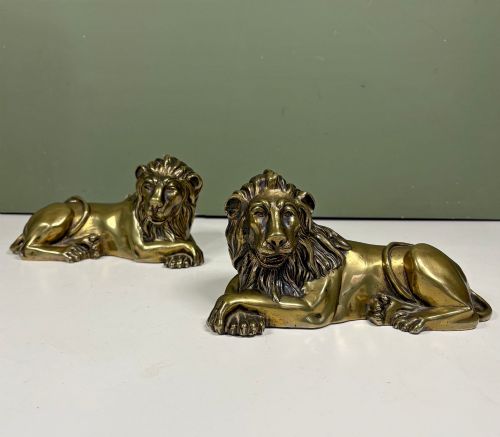


Brass Animal Sculptures
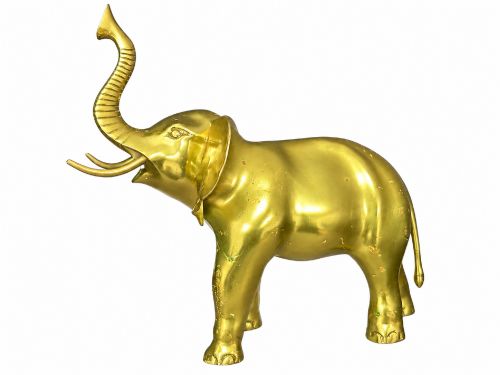
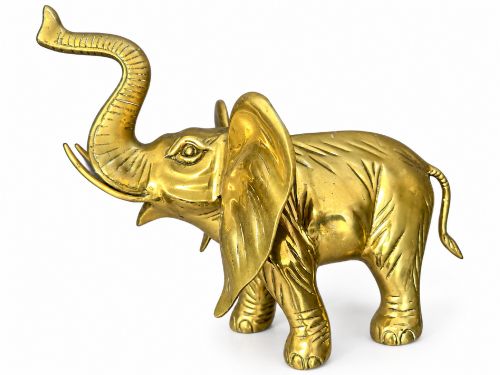
Brass animal sculptures bring character and heft to a room, ranging from fierce Victorian door stops to sleek Art Deco pelicans and birds.
Brass Animal Sculptures
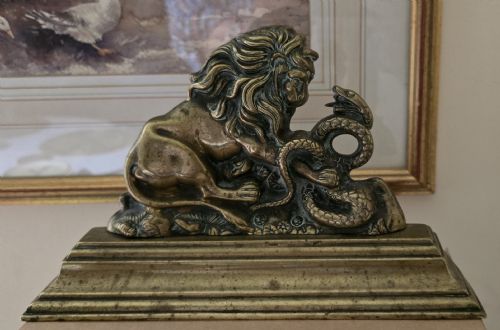
Brass animal sculptures encompass a diverse array of decorative objects, table lamps, bookends, and door stops shaped to resemble creatures both domestic and wild. When you search for brass animal sculptures, you encounter heavy functional items alongside pure decorative figures spanning the Victorian era through the 1930s. The selection on this page leans heavily toward 19th-century castings and Art Deco designs that capture the forms of lions, eagles, serpents, and birds.
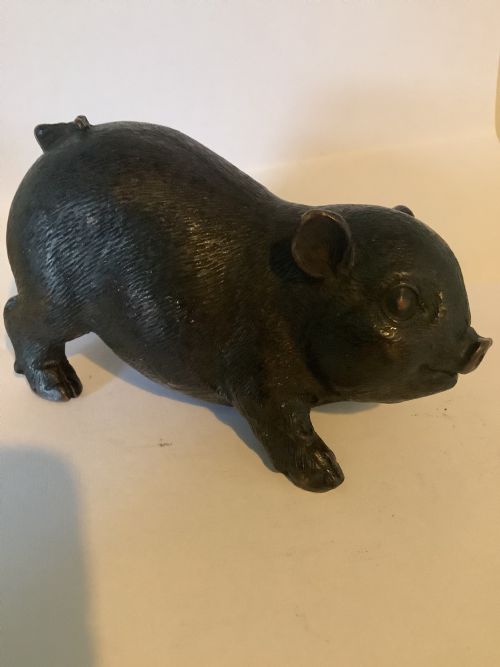
The objects take many practical and artistic shapes, from Chinese bronze horses and pigs to English brass lions and owl inkwells. You will find pairs of bookends, fountain spouts, and night lights incorporating materials such as marble, wood, and opaline glass alongside the metal base. These pieces reflect naturalistic decorative art and Asian art traditions that dominated elite and middle-class interiors across different periods.
How they were made
The primary construction relies on traditional casting methods, resulting in heavy pieces of solid brass and bronze. Makers poured molten metal into moulds to capture fine anatomical details such as feathers, mannes, and scales, often producing substantial pairs of lions, birds, and sea creatures.
Many sculptures incorporate mixed media, mounting the metal castings onto carved wood, marble bases, or granite plinths. Lighting elements integrate glass and fabric, while items like inkwells and door stops combine structural metalwork with functional cavities and hinged lids.
Brass Animal Sculptures Retail Price Guide 2026
Typical asking prices for brass animal sculptures among the pieces listed under this phrase on Sellingantiques today, from the lower quarter to the upper quarter. They describe what is for sale here now, not the wider market.
Listings feature periods spanning the Victorian era, the Edwardian years, and the 1920s to 1930s Art Deco movement.
What varies in quality
Quality rests in the crispness of the casting and the fidelity of the animal's anatomy. Superior pieces show sharp feather and fur detailing without the smoothing that comes from worn moulds, and they possess the natural weight expected from solid metal objects.
The integration of secondary materials defines the better examples in this field. A well-executed sculpture pairs finely finished brass with unblemished marble, granite, or carved wood, maintaining balance and proportion across complex forms like fountains, lamps, and bookends.
C Omin·Laszlo Hoenig
The Brass Animal Sculptures Glossary
- Brass
- An alloy of copper and zinc known for its bright golden appearance and durability. It takes a high polish and develops a rich patina over time.
- Bronze
- A copper alloy typically containing tin, prized for its strength and ability to render intricate sculptural details. It is frequently seen in animal figures from various Asian and European traditions.
- Door Stop
- A heavy functional object placed to hold doors open. In this category, they often take the form of lions or serpents cast in solid metal.
- Bookend
- A heavy support placed at the end of a row of books to keep them upright. Pairs featuring sea lions or other animals are common examples.
- Opaline Glass
- A translucent milky glass used in decorative lighting and night lights. It diffuses light softly and appears in pieces combined with metal sculptures.
Brass Animal Sculptures: Frequently Asked Questions
How do I clean brass animal sculptures?
Dust them gently with a soft cloth to preserve the surface finish. Avoid harsh chemical cleaners that strip away the natural historical patina.
Leaving the aged surface intact usually maintains the character and visual appeal of older metalwork. Consult a specialist if deeper cleaning becomes necessary.
Were these always meant as display pieces?
Many objects served dual purposes in period interiors rather than acting purely as ornaments. Items functioned practically as door stops, inkwells, table lamps, and bookends while portraying wildlife.
This blend of utility and sculpture made them popular additions to desks, libraries, and hallways throughout the nineteenth and early twentieth centuries.
How can I tell Victorian pieces apart from Art Deco ones?
Victorian examples often emphasise naturalistic detail, heft, and domestic utility, such as heavy door stops and inkwells depicting lions or owls. They lean into traditional realism and ornate decoration.
Art Deco pieces favour sleek, stylized lines and dynamic movement, frequently capturing birds, fish, or marine animals in streamlined poses mounted on marble or granite bases.
Are these items made of solid brass?
Most of the pieces consist of solid cast brass or bronze, giving them considerable weight. Some items combine the metal figures with bases made of wood, marble, or granite.
Mixed media pieces integrate glass or fabric components, particularly when the object functions as a lamp or a night light.