



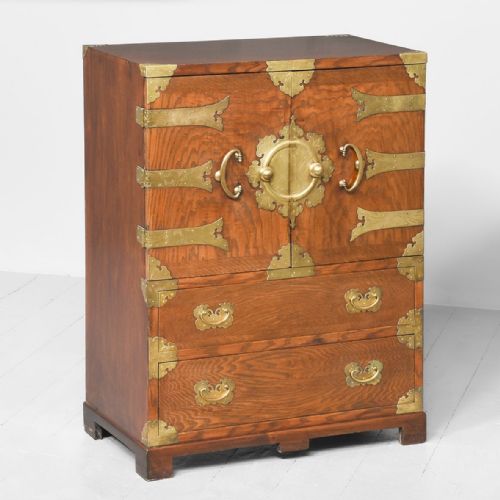


Asian Brass Mounted Furniture
Asian brass mounted furniture unites dense native timbers with striking metal reinforcement for functional storage and display across centuries.
Asian Brass Mounted Furniture
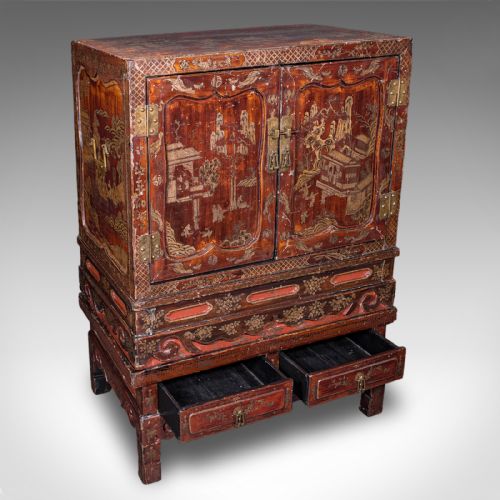
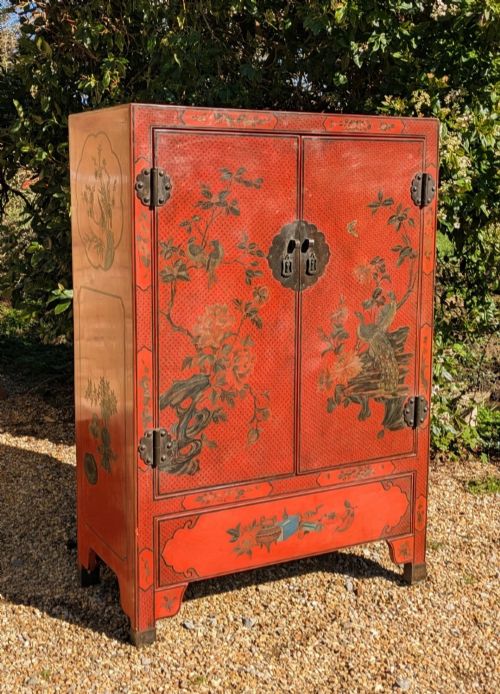
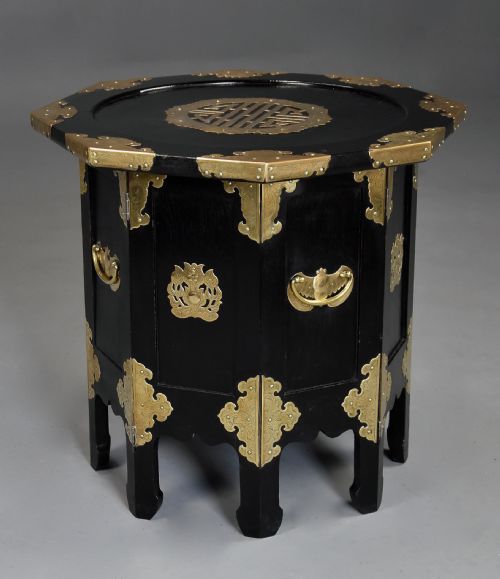
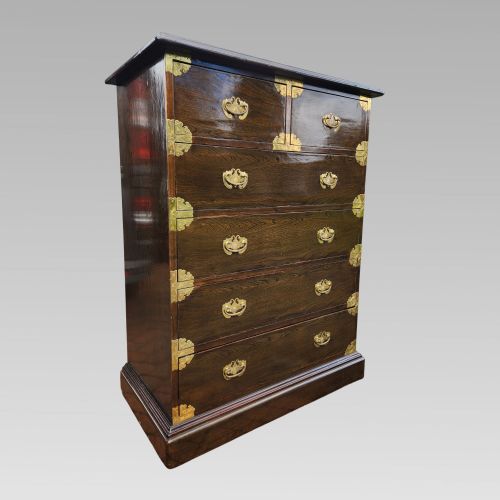
These items encompass cabinets, chests of drawers, sideboards, and occasional tables originating from various Eastern traditions and periods.
A buyer examining this selection encounters pieces spanning from the Victorian era through the early twentieth century, including Chinese Qing Dynasty and Korean Joseon styles.
Common forms include traditional Bandaji chests, noodle cabinets, and side cabinets equipped with prominent metal hardware.
Materials and construction
Workshops utilised robust timbers such as elm, burr elm, and general hardwoods as the primary structural foundation for these storage forms.
Surfaces frequently display black or red lacquer, ebonised finishes, or painted decoration beneath protective clear layers.
Brass mountings, hinges, and lock plates provide structural reinforcement while serving as decorative elements across the wooden bodies.
Asian Brass Mounted Furniture Retail Price Guide 2026
Typical asking prices for asian brass mounted furniture among the pieces listed under this phrase on Sellingantiques today, from the lower quarter to the upper quarter. They describe what is for sale here now, not the wider market.
The selection includes items spanning the Victorian era through the 1930s, utilising elm, burr elm, and lacquered wood.
Evaluating quality and condition
Superior examples maintain their original surface treatments, whether lacquer, paint, or polished wood, rather than later refinishing.
The precision and weight of the brass hardware relative to the timber carcase indicate the original workshop standard.
Integrity of traditional joinery and the survival of functional locking mechanisms distinguish standard production from finer creations.
The Asian Brass Mounted Furniture Glossary
- Bandaji
- A traditional Korean storage chest featuring a front-opening lid and prominent brass strapwork hinges.
- Chinoiserie
- European decorative style reflecting Chinese artistic influences, seen on various imported and domestic cabinets.
- Ebonised
- Wood finished to resemble ebony through staining or painting dark black, popular on early twentieth-century occasional tables.
- Tansu
- Traditional Japanese mobile storage cabinetry fitted with metal mounts and handles for transport.
Asian Brass Mounted Furniture: Frequently Asked Questions
What is an Asian brass mounted cabinet?
These are storage pieces constructed from timbers like elm and finished with lacquer or paint, featuring distinct metal reinforcement.
They function primarily as focal storage units or display surfaces within domestic interiors.
How do I care for lacquered wood?
Lacquered surfaces require stable indoor humidity and gentle dusting with a soft, dry cloth to prevent surface cracking.
Avoid placing these items in direct sunlight or near heat sources to preserve the original finish.
Where were these pieces used?
Original locations included domestic residences across China, Korea, and Japan, serving daily storage needs for clothing and household goods.
Today they function effectively as standalone accent furniture in contemporary living spaces.
How do I date an antique cabinet?
Dating relies on assessing the timber type, the style of the brass mounts, and the condition of the underlying lacquer or paint.
Comparing construction methods against known regional periods helps narrow the manufacturing decade.