




Vintage Ebonised Coffee Table
A vintage ebonised coffee table brings a sharp, dark silhouette to a room, offering a dramatic ground for lighter upholstery and colourful objects.
Vintage Ebonised Coffee Table
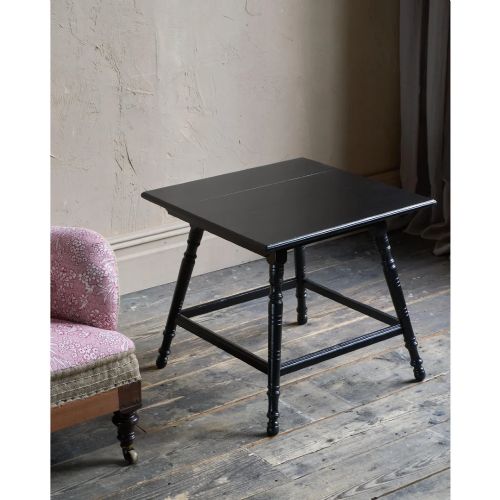
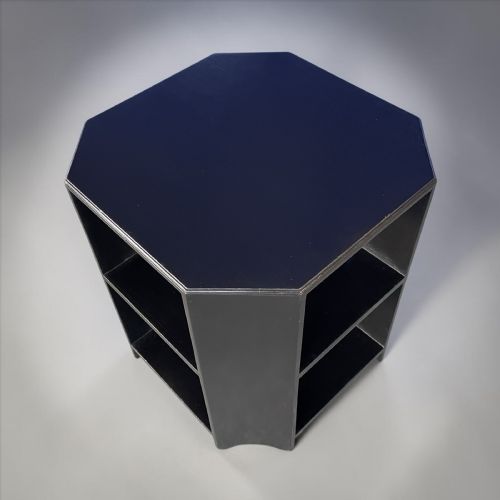
A vintage ebonised coffee table is a low surface finished with a dark, often black, stain or lacquer that imitates expensive ebony wood. These pieces span several decades, reaching from late nineteenth century revival styles through the geometric lines of the Art Deco period.
The selection here includes occasional tables, side tables, and nests adapted for modern living, alongside low coffee tables. Walnut, oak, and hardwood provide the timber foundations beneath the dark finishes, sometimes paired with contrasting woods like maple and birch.
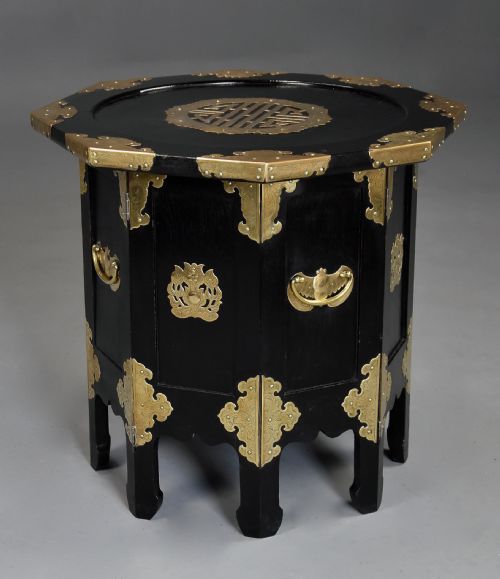
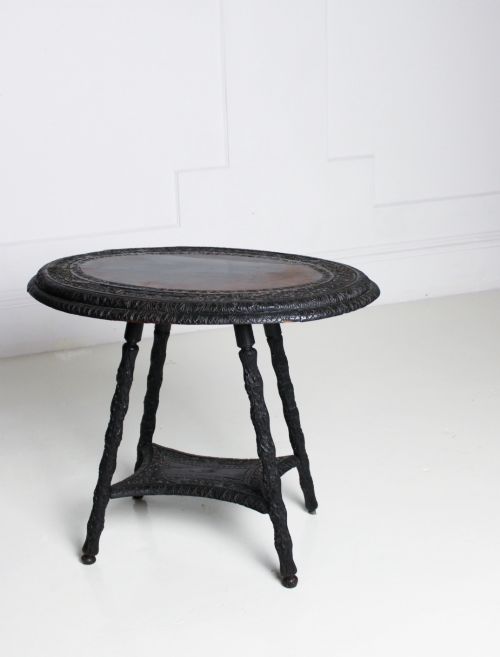
Moorish, Chinoiserie, and Anglo-Indian influences appear frequently among the designs, bringing carved details, brass work, and inlaid surfaces to the dark frames. A buyer searching this phrase is most likely to encounter compact occasional tables and tiered walnut or oak pieces from the nineteen-thirties.
Materials and construction methods
Craftsmen achieved the signature black finish by staining common hardwoods or fruitwoods, occasionally applying a glossy black lacquer to mimic Oriental imports. This ebonising process allowed makers to create the appearance of solid ebony without the prohibitive cost and weight of the exotic timber.
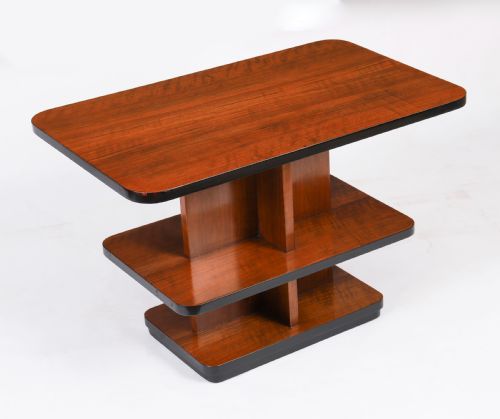
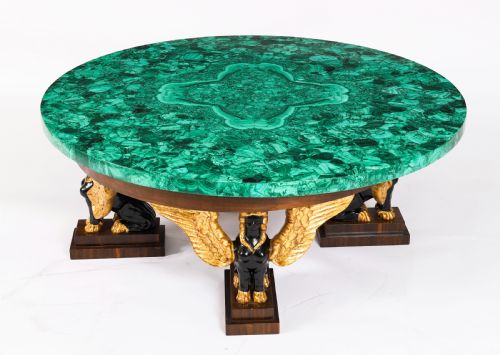
Secondary timbers such as walnut, oak, and rosewood form the structural carcases, while decorative elements rely on brass inlays, malachite panels, and giltwood highlights. Tiered constructions utilise sturdy joints and sometimes castors to support multiple display surfaces.
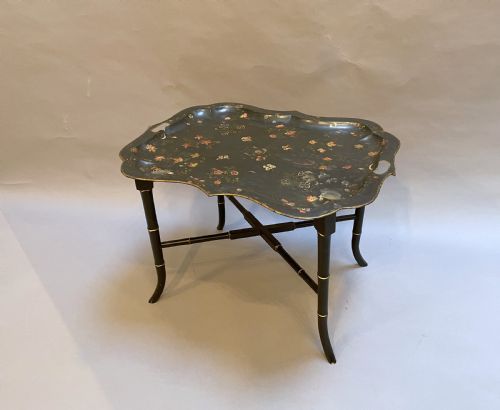
Painted tray tops and toleware surfaces demonstrate alternative methods for achieving a dark, decorative plane, often resting on folding or fixed wooden bases. Inlaid details in the Indian and Ottoman traditions involve intricate arrangement of contrasting materials set directly into the timber base.
Vintage Ebonised Coffee Table Retail Price Guide 2026
Typical asking prices for vintage ebonised coffee table among the pieces listed under this phrase on Sellingantiques today, from the lower quarter to the upper quarter. They describe what is for sale here now, not the wider market.
Listings feature woods including walnut, oak, rosewood, and maple, paired with decorative accents of brass and malachite.
Distinguishing quality in dark tables
The integrity of the ebonised surface dictates much of the visual success of the piece, with smooth, even finishes outperforming tired, flaking coats. Superior examples reveal careful preparation of the underlying hardwood, allowing the grain to show subtly beneath the dark stain rather than masking poor timber behind thick paint.
Construction depth separates simple occasional pieces from finer workshop productions, particularly in multi-tiered tables and inlaid items. Well-executed brass work, precise parquetry, and solid timber framing rather than thin veneers indicate a higher standard of manufacture.
Proportion and balance define the better items in this category, ensuring that dark finishes do not overpower the room but instead provide a clean architectural line. The integration of secondary materials like malachite or contrasting blonde woods requires a deft hand to avoid visual clutter.
Hindley and Sons·Liberty and Co
The Vintage Ebonised Coffee Table Glossary
- Ebonised
- Wood treated with stain, dye, or paint to imitate natural ebony. This dark finish became particularly popular during the Victorian and Art Deco eras for creating high-contrast interiors.
- Toleware
- Painted or lacquered metalware, typically tin or steel, used for table tops and trays. These durable surfaces often feature hand-painted decoration.
- Parquetry
- Geometric mosaic woodwork used for decorative tabletops. Makers arrange contrasting timber veneers in repeating patterns to create texture and depth.
- Malachite
- A green copper carbonate mineral used in thin slices for decorative inlay. Its characteristic concentric banding adds vibrant colour to dark wooden surfaces.
- Tiered
- Describing a table with multiple stacked surfaces supported by columns or uprights. This design maximises display space while maintaining a compact footprint.
Vintage Ebonised Coffee Table: Frequently Asked Questions
How do I clean an ebonised surface?
Dust the surface regularly with a soft, dry cloth to prevent microscopic particles from scratching the dark finish. Avoid modern chemical sprays and silicone polishes, which can build up and dull the lustre over time.
Feed the timber occasionally with a quality microcrystalline wax to protect the stain or lacquer from moisture. Apply the wax sparingly and buff gently with a clean flannel cloth to restore a soft sheen.
Are these tables suitable for daily use?
Many of these pieces served as occasional or tea tables originally, meaning their light frames suit cups, books, and decorative objects rather than heavy loads. Placing coasters on the top protects the historic finish from heat rings and moisture.
Tiered and nesting designs offer practical flexibility for smaller rooms, allowing you to pull out extra surfaces only when needed. Ensure that tables on castors move smoothly before placing them on delicate floor surfaces.
What is the difference between ebonised and black lacquer?
Ebonising is a chemical or staining process applied to timber so that the wood grain remains partially visible beneath the dark tone. It alters the colour of the actual material rather than building a thick skin on top.
Black lacquer involves building up multiple resin or paint layers to create a smooth, glossy, highly reflective surface that completely hides the underlying wood. French and Oriental styles often favour this deep, reflective lacquer finish.
How can I tell a nineteenth-century table from a nineteen-thirties piece?
Nineteenth-century examples often lean towards heavy revival styles, incorporating elaborate turned legs, brass inlays, or dense carving inspired by Victorian, Gothic, or exotic motifs. Their construction tends to rely on traditional joinery techniques suited to solid hardwoods.
Nineteen-thirties pieces generally display the cleaner, geometric lines of the Art Deco movement, featuring blonde woods like maple contrasting against the dark ebonised frames. Tiered structures and simple modernist shapes dominate this later decade.