


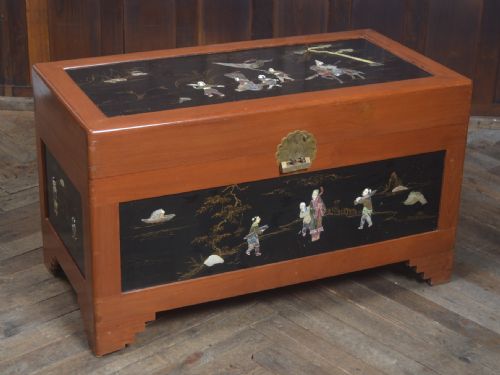


Asian Blanket Trunk
An asian blanket trunk brings together centuries of timber skill and enduring storage, offering heavy camphor wood and lacquer finishes.
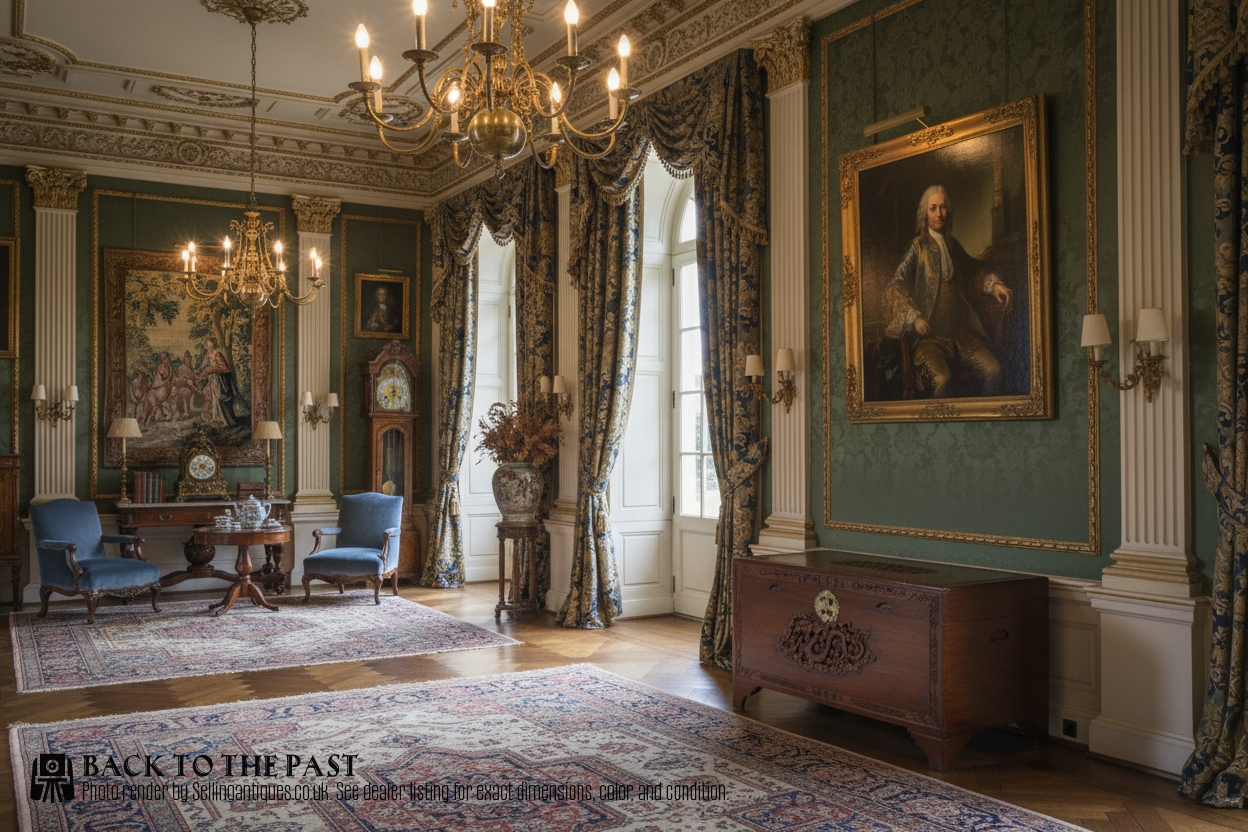
Asian Blanket Trunk
An asian blanket trunk serves as a practical storage vessel, emerging in forms like dowry chests, blanket boxes, and large coffers. These pieces span centuries from the eighteenth through to the early twentieth century, showing regional diversity from China, India, Japan, and Korea.
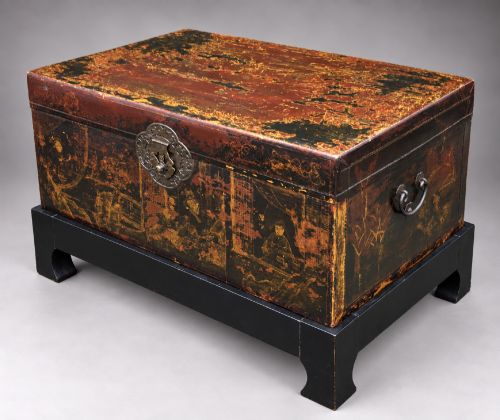
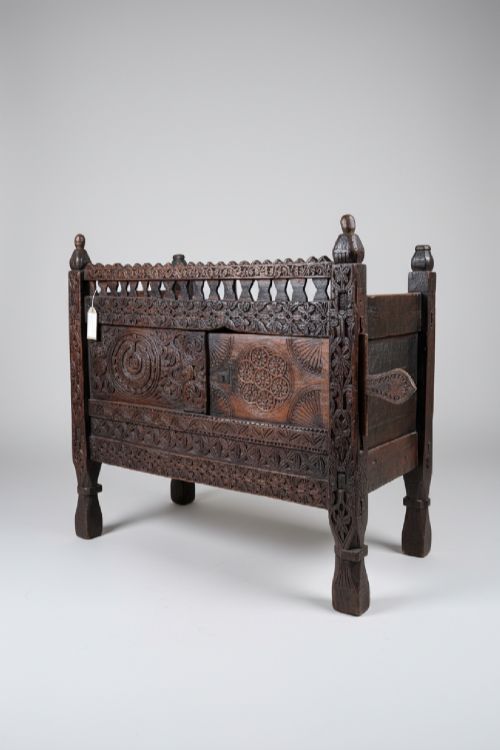
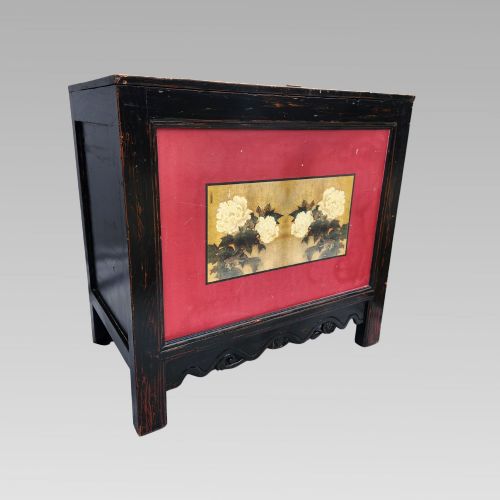
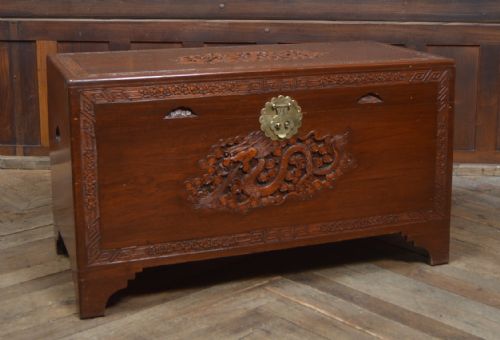
The most common examples on this page are Chinese camphor wood chests, alongside lacquered trunks finished with brass hardware. Buyers encounter heavily carved surfaces alongside smooth black lacquer and folk art painted panels.
What varies in quality
Depth and clarity of the hand-carved relief separate standard utility boxes from exceptional furnishing pieces. Crisp chisel marks and well-preserved surface pigment indicate superior workshop production.
The integrity of the timber framing and the original mounting of brass hardware dictate the structural standard of each trunk. Intact lacquer finishes without extensive restoration represent the higher tier of surviving examples.
The Asian Blanket Trunk Glossary
- Camphorwood
- A fragrant timber native to Asia, traditionally utilised for blanket trunks due to its natural insect-repellent properties.
- Chinoiserie
- European artistic interpretation of Chinese and East Asian decorative styles, frequently applied to lacquered furniture.
- Coffer
- A sturdy wooden chest traditionally used for storing valuables, linens, and documents.
- Bandaji
- A traditional Korean storage chest featuring distinctive metal strapwork and front-opening doors.
- Lacquer
- A durable resin finish applied in multiple layers to wooden surfaces, offering protection and a polished sheen.
Asian Blanket Trunk: Frequently Asked Questions
What is an asian blanket trunk?
An asian blanket trunk is a traditional wooden storage chest originating from regions such as China, India, Japan, and Korea. These pieces were built to safeguard textiles, garments, and valuables against moisture and insects.
They appear in various forms, from plain camphor wood boxes to heavily carved dowry chests and lacquered trunks mounted with brass hardware.
How were asian blanket trunks used?
These trunks served primarily for storing heavy blankets, garments, and household textiles within domestic interiors. Their dense timber construction helped protect contents from dampness and pests.
Many examples functioned as dowry chests, carrying a bride's belongings to her new household during marriage ceremonies.
How do I care for a camphor wood trunk?
Maintain the timber by keeping the trunk away from direct heat sources and sudden temperature fluctuations. Avoid harsh chemical cleaners and instead use a dry or slightly damp cloth for dusting.
Allow the natural grain to breathe, and lightly sand the interior if you wish to revive the characteristic camphor aroma over time.
How can I tell the age of a chest?
Dating relies on examining the construction methods, tool marks, timber shrinkage, and the style of the brass hardware. Eighteenth and nineteenth-century examples often display hand-forged fittings and traditional joinery without modern machine intervention.
Surface wear, patination of the wood, and the application of early lacquer or pigment layers provide further chronological clues.