

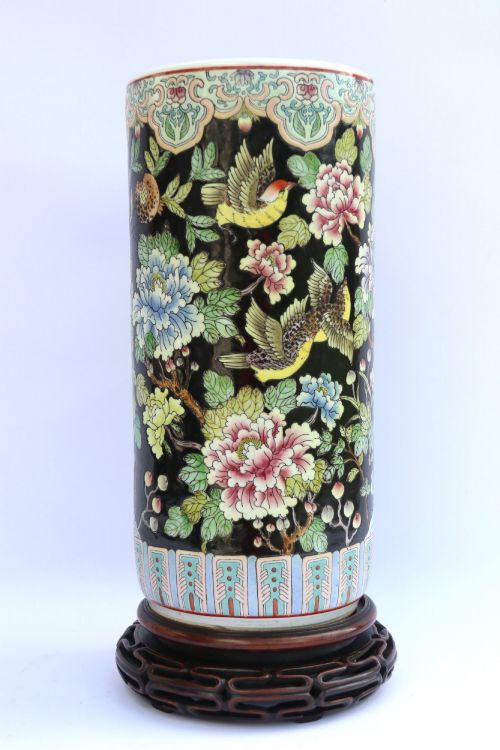
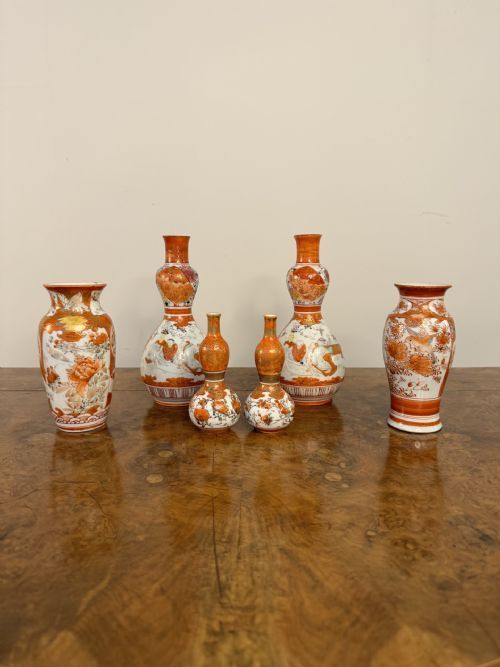


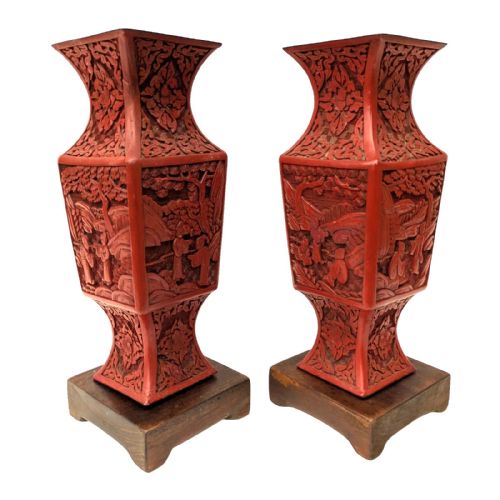

Asian Art Vase
An asian art vase brings together centuries of skilled craftsmanship in bronze, porcelain, and lacquer from Japanese and Chinese workshops.
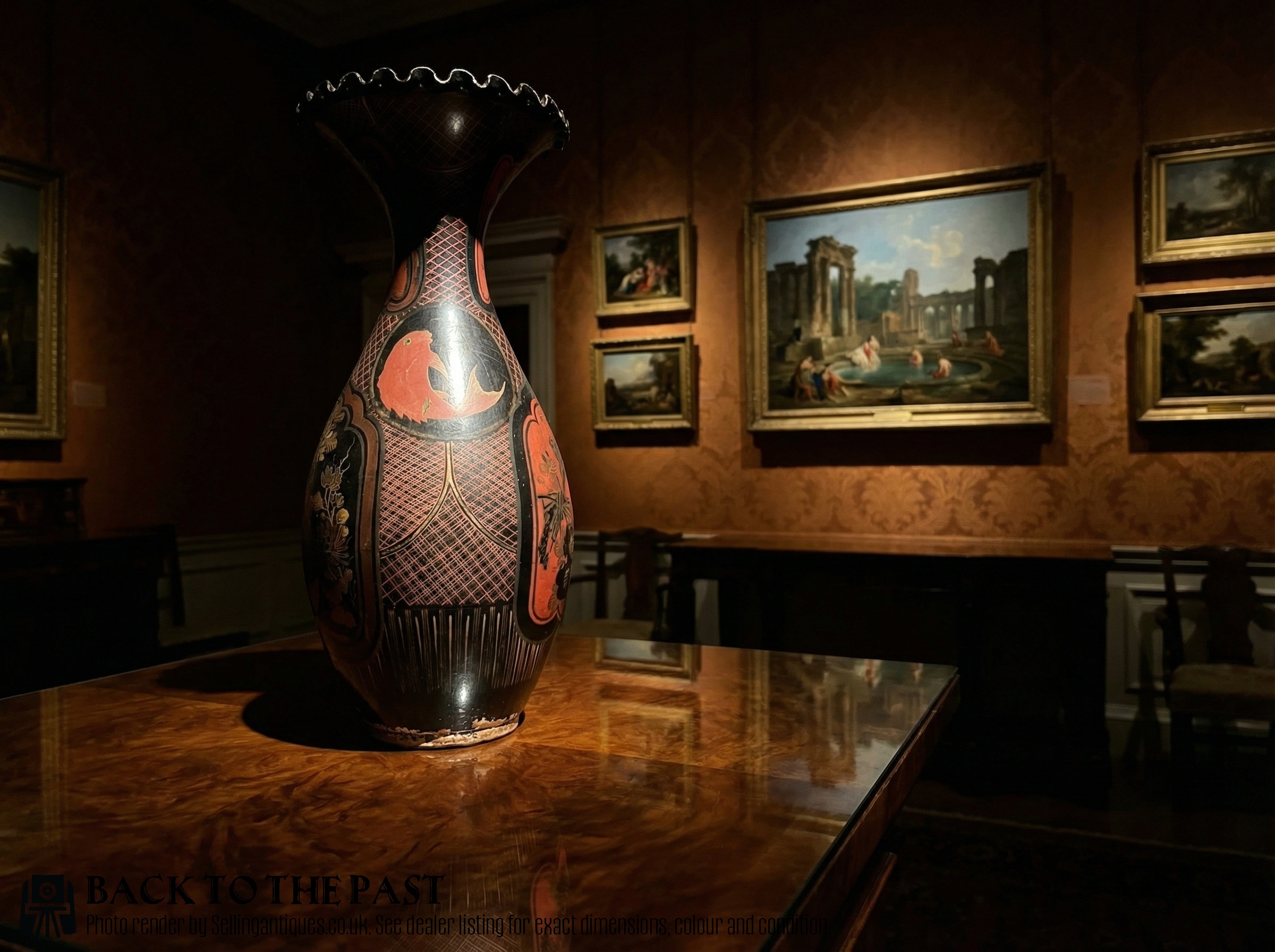
Asian Art Vase
When searching for an asian art vase, collectors encounter a diverse array of forms spanning the eighteenth through to the early twentieth century. The selection ranges from delicate blue and white porcelain pieces to robust bronze vessels and intricate lacquer works.
Most pieces seen here originate from Japanese Meiji and Taisho periods or Chinese Qing and Kangxi dynasties. Forms include traditional vases, decorative baskets, and large jardinières created for both domestic display and export.
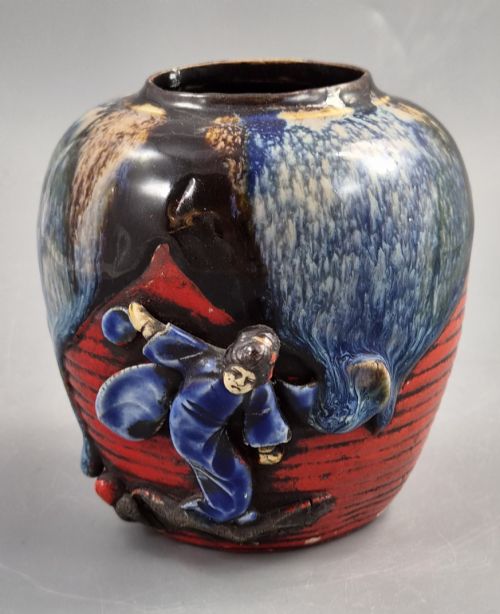
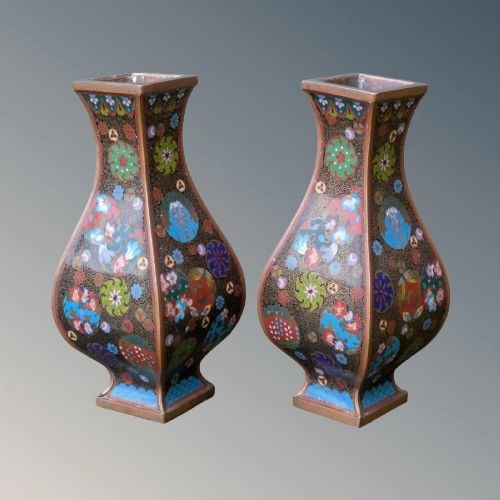
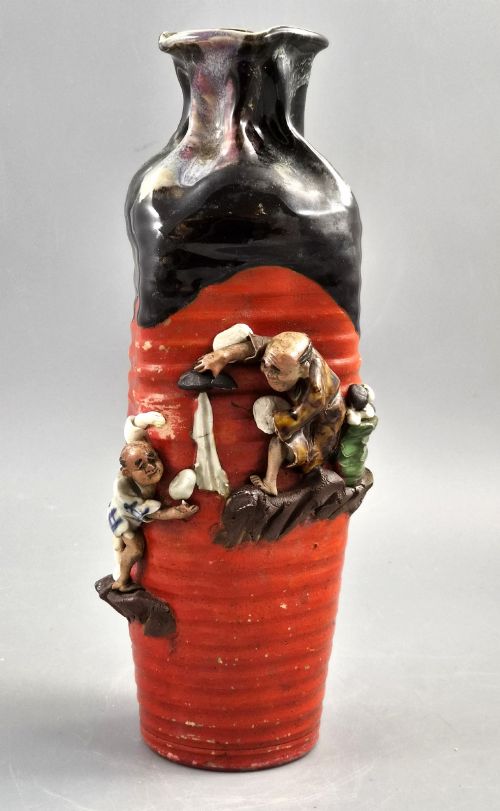
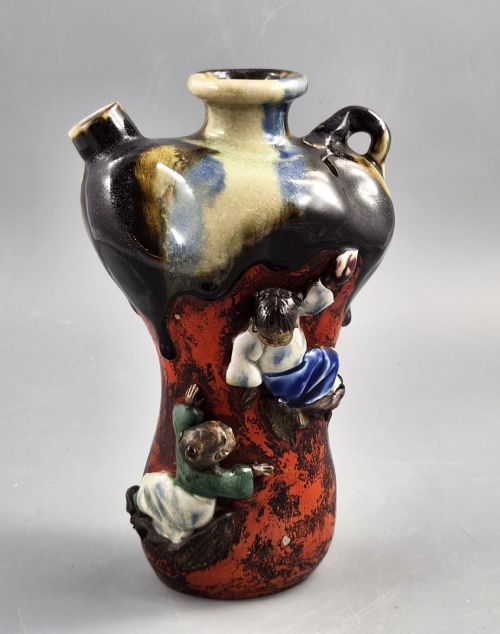
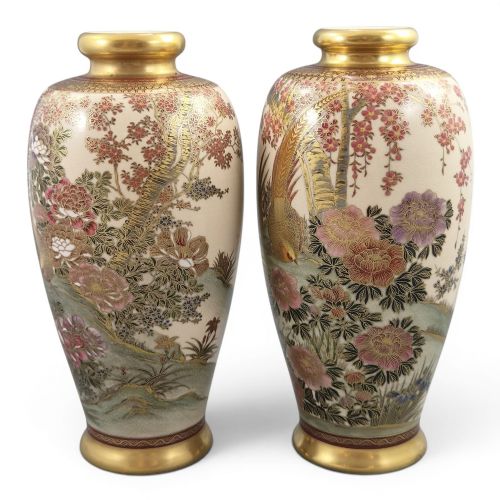
Buyers will frequently find Satsuma earthenware, Imari patterns, and Sumida Gawa pottery alongside metalwork vessels. Each style reflects the distinct aesthetic priorities of its specific period of origin.
Materials and Techniques
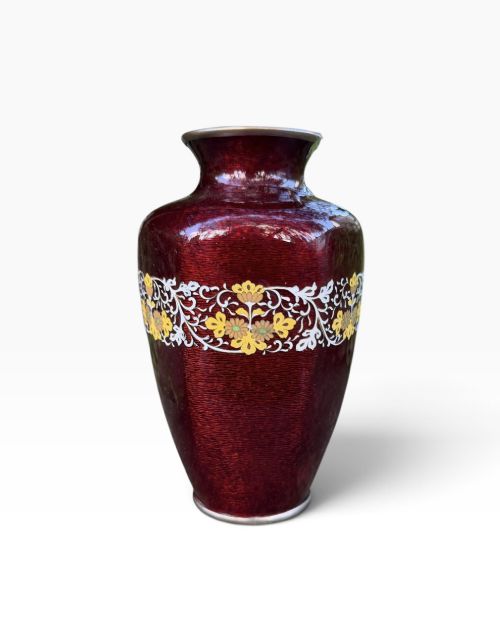
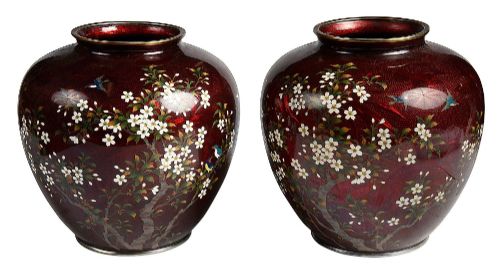
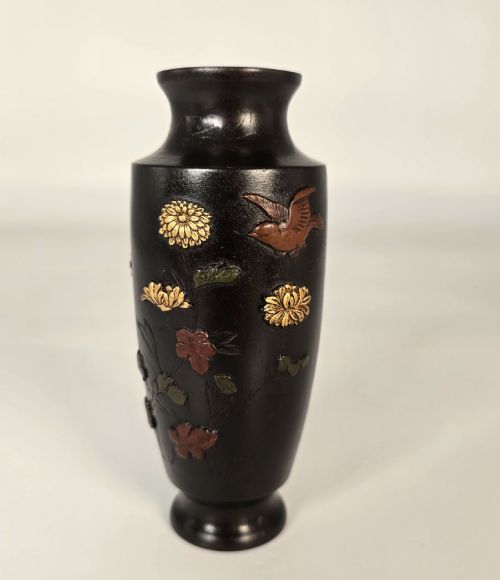
Potters and ceramists shaped these vessels from earthenware, stoneware, and fine porcelain, often applying elaborate glazes such as blue and white or flambé. Metalworkers utilised bronze, copper, and mixed metals to cast heavy sculptural vessels and intricate cloisonné pieces.
Surface decoration involved meticulous techniques including hand-painted enamel, gold leaf application, and carved cinnabar lacquer over black paint. Artisans also constructed organic materials like bamboo into decorative baskets for floral arrangements.
Japanese Meiji period works appear frequently alongside Qing dynasty Chinese porcelain and later Taisho and Showa pieces.
Distinctions in Quality
The standard of execution in modeling and surface detail separates workshop productions. Pieces bearing the signatures of established makers demonstrate superior precision in carving, enamelling, and metal casting.
Material preservation also defines the hierarchy, where intact original glazes, crisp lacquer carving, and original hardwood stands elevate a piece. The complexity of the imagery, such as multi-figured scenes on Satsuma earthenware, indicates the time invested by the artist.
Inoue Ryōsai·Manpei Kobe·Hotoda·Makuzu Kozan·Makuzu Kozan II
The Asian Art Vase Glossary
- Cloisonné
- Enamelwork created by pouring coloured paste into compartments formed by soldering flat metal wire onto a bronze or copper base. This technique produces vibrant geometric or floral patterns.
- Satsuma
- Earthenware pottery featuring a fine ivory-coloured crackle glaze, typically decorated with intricate enamel and gold leaf motifs. These pieces often depict historical figures or dense natural scenes.
- Imari
- Japanese porcelain decorated in underglaze blue and overglaze red, gold, and green. This distinct palette developed primarily for export during the Edo period and continued into later centuries.
- Ikebana
- Japanese floral art requiring specialised vessels such as bamboo baskets or bronze vases designed to hold specific plant arrangements. The form of the container complements the organic structure of the stems.
- Cinnabar lacquer
- Decorative technique involving numerous layers of red lacquer applied to a wooden or metal base before being deeply carved. The process demands considerable labour and patience from the artisan.
Asian Art Vase: Frequently Asked Questions
What is an asian art vase?
An asian art vase is a decorative vessel originating from traditions in China and Japan, encompassing diverse materials like bronze, porcelain, and lacquer.
These objects reflect the specific artistic movements and material techniques of periods ranging from the Qing dynasty to the Meiji era.
How were bronze vases used?
Bronze vases served primarily as decorative display pieces within traditional interiors, often showcased on carved wooden stands.
Heavier bronze and mixed metal vessels also functioned as structural containers for formal floral arrangements in domestic spaces.
How do I identify a Meiji period vase?
Meiji period pieces often display precise craftsmanship in Satsuma earthenware, cloisonné enamel, or heavy cast bronze. The styling reflects the opening of Japan to Western trade alongside traditional motifs.
Many of these items bear artist signatures or workshop stamps on the base that link them to known makers of the era.
How do I care for lacquer vases?
Lacquer vases require stable indoor humidity and temperature to prevent the wooden or metal core from expanding and cracking the surface. Keep them away from direct sunlight to preserve the depth of the dark paint and red pigments.
Dust them gently with a soft, dry cloth without applying modern cleaning chemicals or polishing agents.