




Asian Art Figurine
An asian art figurine brings diverse cultural traditions into a room, spanning bronze, porcelain and wood across multiple centuries.
Asian Art Figurine
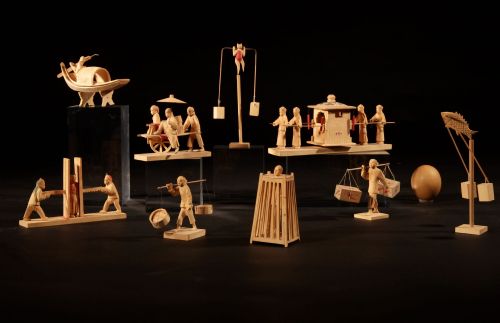
When you search for an asian art figurine, you encounter sculptural works originating from China, Japan, India, Tibet, Indonesia, and Burma. These pieces depict deities, immortals, animals, dancers, and daily life scenes from periods spanning the sixteenth century to the mid-twentieth century.
The selection on this page relies heavily on nineteenth-century creations, alongside items from the Edwardian era and the 1920s and 1930s. Common forms include okimono, netsuke, temple deities, and figurative groups cast in metal or carved from organic materials.
Materials and construction methods
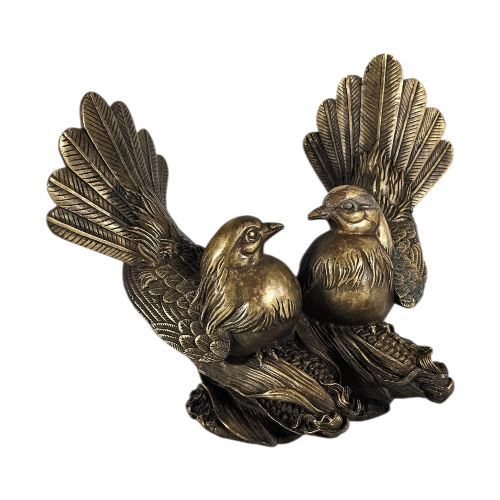
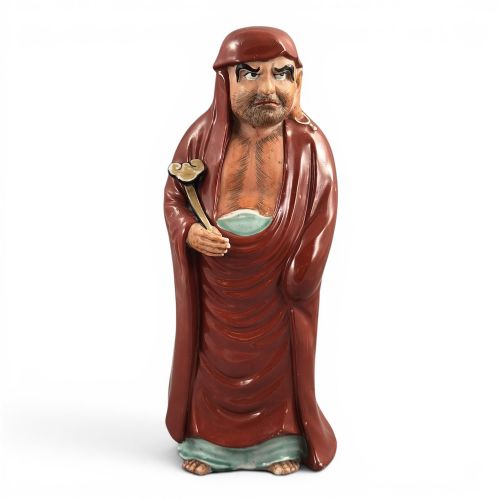
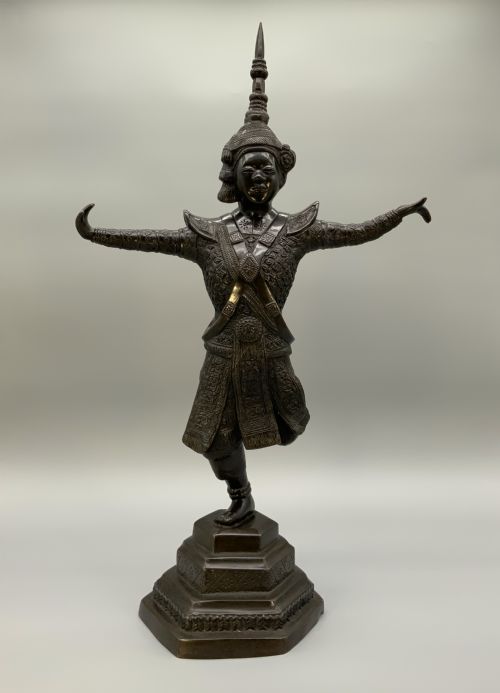
Makers utilised cast bronze, gilt bronze, and brass for durable statues and animal groups, often incorporating fine detail through chasing or surface marks. Porcelain appears in painted Kutani and Satsuma figures, bringing glazed colour and defined facial expressions to deities and monks.
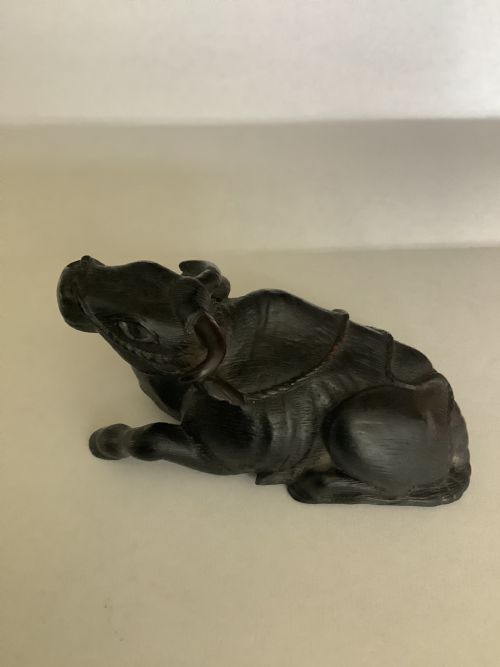
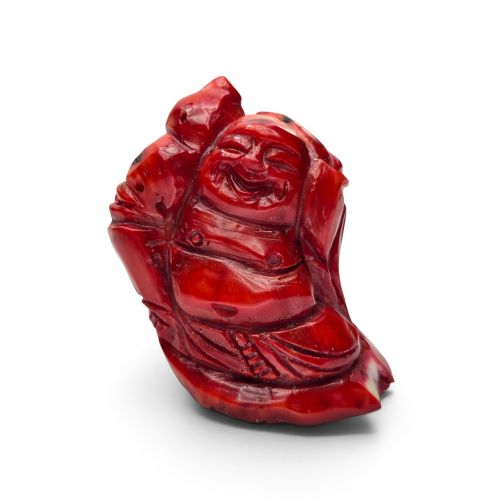
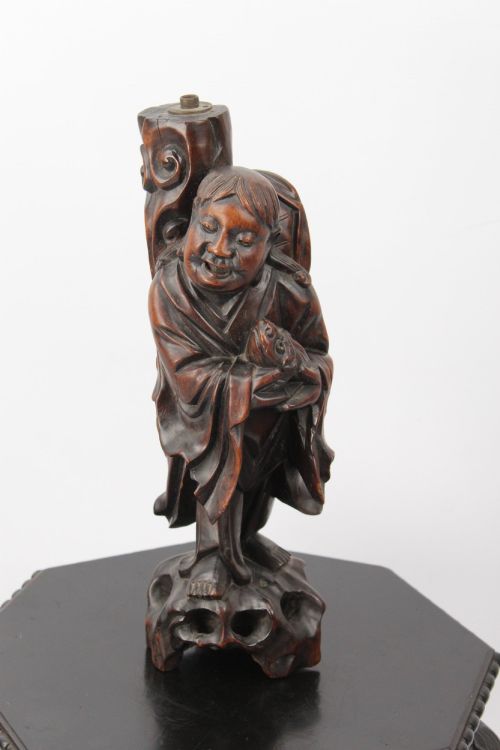
Wood serves as a primary medium, seen in root wood carvings, cherry amber netsuke, and hardwood sculptures shaped to follow natural gnarled contours. Stone and precious red coral provide denser alternatives for miniature figures and figural groups.
Listings feature items across eight distinct periods, spanning from the sixteenth-century Ayutthaya style to mid-twentieth-century sculptures from the applied arts school in Bien Hoa.
Distinctions in craftsmanship
The choice of material and the complexity of the composition also separate standard decorative items from finer collector pieces. Organic media with intricate undercutting or large bronzes with balanced patination indicate higher artisan skill.
The Asian Art Figurine Glossary
- Okimono
- A Japanese freestanding ornamental carving intended for display in a home alcove or on a shelf. These figures often portray folklore characters, deities, or animals with high attention to naturalistic detail.
- Netsuke
- A small carved toggle with pierced channels used to secure a pouch or small container to a traditional kimono sash. Collectors prize them for miniature intricacy and signed artisan signatures.
- Kutani
- Japanese porcelain recognised by its colourful enamel decoration and distinctive painted glazing. Pieces frequently depict figures from Buddhist and folk traditions.
- Meiji Period
- A Japanese historical era lasting from 1868 to 1912 noted for a surge in decorative metalwork and refined sculptural export goods. Works from this time often combine traditional iconography with advanced casting techniques.
- Qing Dynasty
- The final imperial dynasty of China, spanning from 1644 to 1912, represented in material culture by bronze vessels, jade miniatures, and detailed wood carvings.
Asian Art Figurine: Frequently Asked Questions
What is an okimono figurine?
An okimono is a Japanese decorative sculpture designed for display rather than utility. These pieces portray historical figures, gods, or animals.
They reflect the artistic standards of periods such as the Meiji era and utilise materials like ivory, wood, or porcelain.
How do I care for wooden carvings?
Wooden and root wood sculptures require stable humidity levels to prevent cracking in the material. Keep them away from direct sunlight and heat sources.
Dust them gently with a soft, dry cloth rather than liquid cleaners.
What materials are common in these figures?
The pieces utilise a wide range of organic and inorganic substances including bronze, brass, porcelain, jade, and stone. Wood is especially prevalent in root carvings and netsuke.
Gold leaf and enamel often provide surface decoration on metal and ceramic statues.
How can I identify the period?
Dating relies on stylistic markers, reign marks, signatures, and the specific material properties associated with eras like the Qing Dynasty or Meiji period. Certain regional schools also carry distinct aesthetic traits.
Comparison with documented examples helps establish the likely decade or century of origin.