





Arts Crafts Dining Carvers
These arts crafts dining carvers bring robust joinery and honest materials straight to the table.
Arts Crafts Dining Carvers
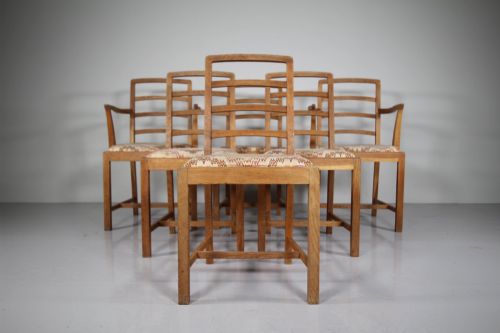
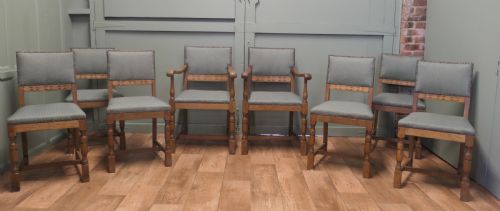
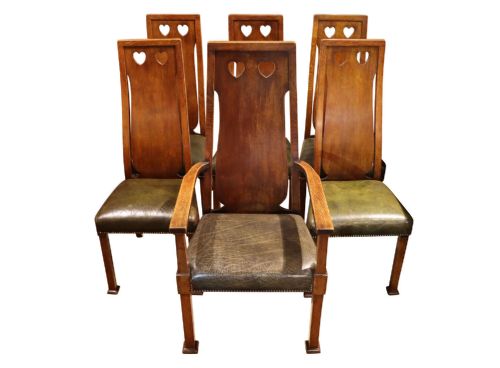
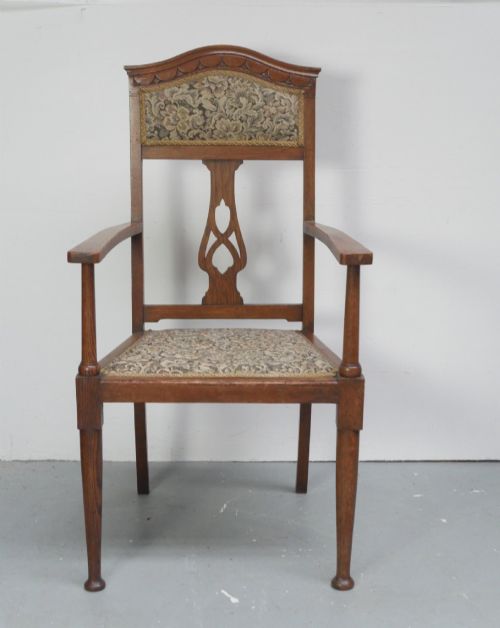
When you search for arts crafts dining carvers, you encounter sturdy seating designed with utility and form in equal measure. The pieces on this page span the late nineteenth century through to the nineteen thirties, drawing heavily upon Arts and Crafts, Edwardian, and Art Nouveau traditions.
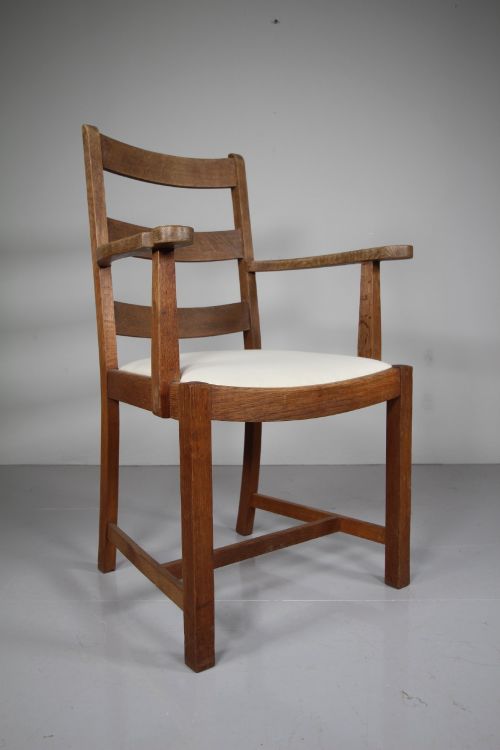
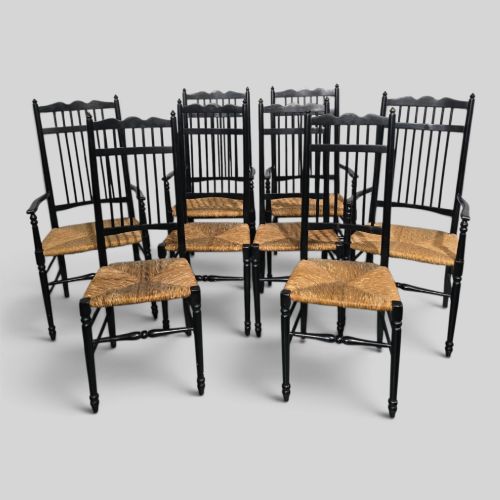
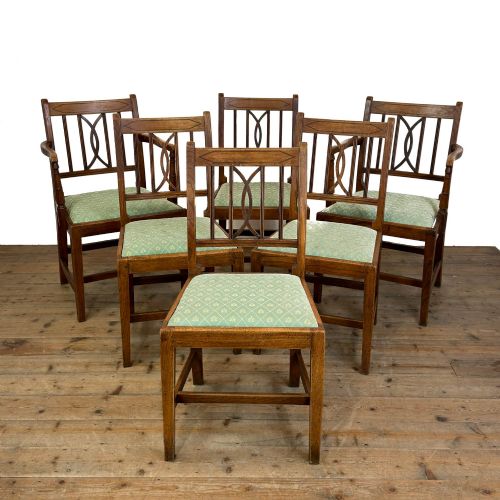
You will most frequently meet oak frames, often fashioned as elbow chairs or open armchairs with high backs. These seats serve well at the head of a dining table, offering broader proportions than standard side chairs.
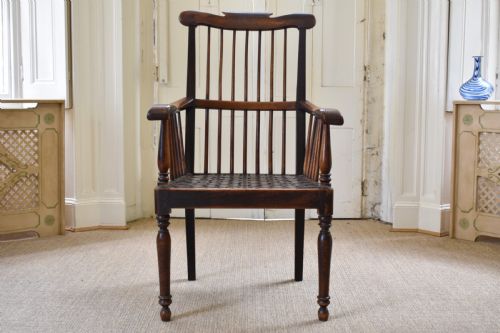
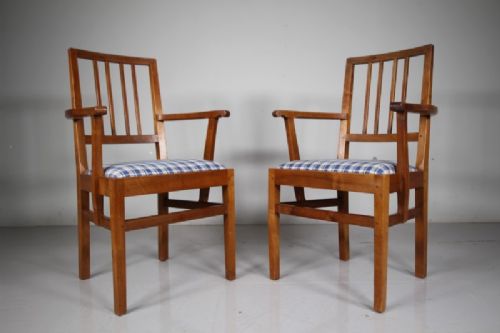
Makers utilised regional styles alongside mainstream movements, yielding everything from vernacular elm farmhouse seats to refined golden oak carvers. The selection encompasses single items, pairs, and larger matched sets suited to daily use.
Materials and construction
Makers relied principally upon oak, mahogany, elm, and laburnum to build durable frames that withstood heavy service. Timbers were selected for their grain and strength, frequently left in a natural finish to highlight the organic character of the wood.
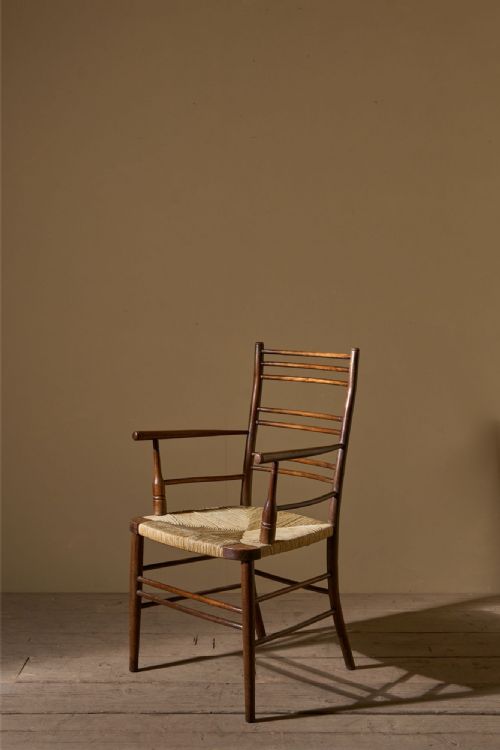
Seating surfaces required tactile materials such as woven rush, supple leather, and textured fabric or drop-in upholstery. Joinery techniques favoured pegged mortise and tenon joints, exposing structural honesty rather than concealing construction beneath veneer.
Arts Crafts Dining Carvers Retail Price Guide 2026
Typical asking prices for arts crafts dining carvers among the pieces listed under this phrase on Sellingantiques today, from the lower quarter to the upper quarter. They describe what is for sale here now, not the wider market.
Listings feature oak most prominently, alongside mahogany, elm, and laburnum.
Judging quality
Quality rests upon the integrity of the timber selection and the precision of the joinery. Superior examples display thoughtful proportion, balanced carving, and substantial frames that remain rigid through decades of use.
Edward Barnsley·Dicon Nance·Shapland & Petter·Wheelers of Arncroach
The Arts Crafts Dining Carvers Glossary
- Carver
- An armchair designed specifically to sit at the head or foot of a dining table. These pieces feature lower arms to fit underneath the tabletop.
- Rush seat
- A seating surface woven from dried marsh grasses or sedge around a wooden frame. This traditional method provides a resilient and comfortable web.
- Elbow chair
- An alternative term for an armchair, denoting a seat with short armrests designed to support the elbows. They offer a compact footprint compared to bulky lounge chairs.
- Drop-in seat
- A removable upholstered frame that rests within a rebate in the chair rails. This design allowed for straightforward reupholstery without dismantling the main structure.
- Stretcher
- A horizontal rail connecting the legs of a chair to provide structural rigidity. They often appear in H-form or double sets on traditional frames.
Arts Crafts Dining Carvers: Frequently Asked Questions
How do I use carvers at the dining table?
Carvers typically sit at the head and foot of a dining table to anchor the seating arrangement. Their armrests provide additional comfort for hosts.
Ensure you measure the clearance height beneath your table apron before purchasing. Many older carvers possess low arm clearances compared to modern standard seating.
Are rush seats durable for daily dining?
Traditional rush seating is remarkably tough and withstands regular daily use. The natural fibres flex slightly under weight, offering resilient support.
Keep rush seats away from excessive moisture and direct heat sources to prevent the material from drying out and becoming brittle over time.
How do I distinguish Arts and Crafts from Edwardian styles?
Arts and Crafts pieces emphasise visible hand-tooling, pegged joints, and vernacular simplicity. The aesthetic avoids superfluous ornamentation in favour of structural honesty.
Edwardian designs often introduce lighter proportions, subtle revival motifs, and factory-assisted precision while retaining sturdy timber frames.
What is golden oak?
Golden oak refers to timber finished with warm, honey-toned polishes that accentuate the prominent medullary rays of the wood. This appearance became highly popular around nineteen hundred.
Over decades, exposure to light deepens this hue into a richer amber patina. Regular waxing maintains the lustrous sheen without darkening the grain.