



Craftsman Style Chairs
Craftsman style chairs bring solid oak frames and honest construction into daily use, offering enduring comfort and unpretentious form.
Craftsman Style Chairs
Craftsman style chairs encompass diverse seating forms originating from the late nineteenth and early twentieth centuries, rooted firmly in the Arts and Crafts movement. When searching for craftsman style chairs, buyers encounter practical domestic seating designed with structural integrity and simple lines.
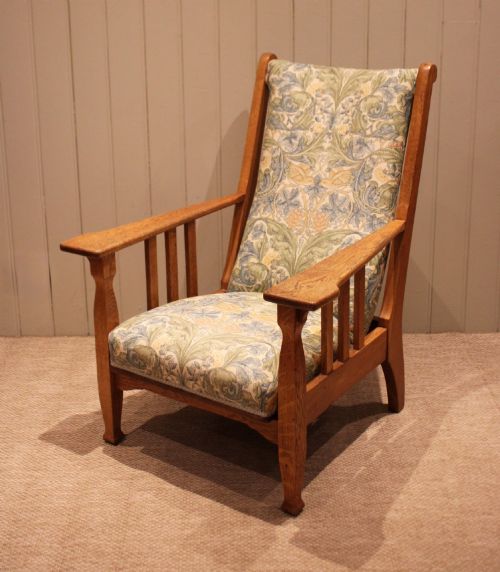
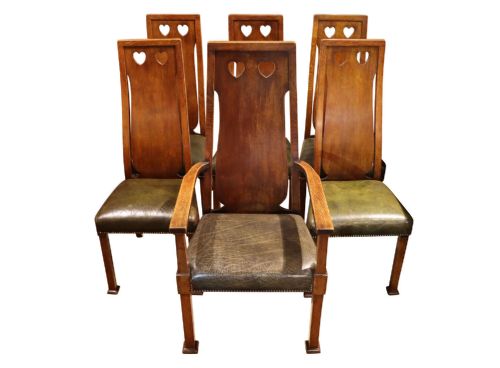
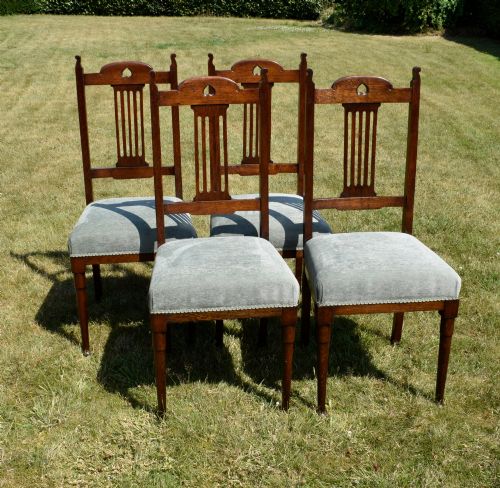
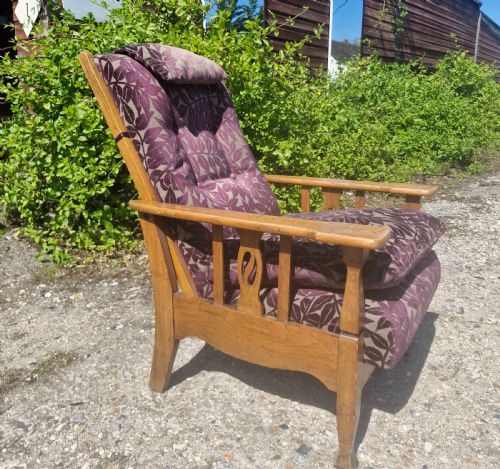
The pieces listed on this page span several practical forms including dining chairs, side chairs, stools, and reclining armchairs. Oak serves as the primary structural timber across the selection, complemented by walnut in Edwardian dining sets.
Originating around the nineteen hundreds and extending through the Edwardian period into the nineteen forties, these chairs reflect enduring domestic utility. Buyers are most likely to meet sturdy oak armchairs and matching dining sets rather than elaborate or ornate alternatives.
How they were made
Makers constructed these chairs primarily from solid oak and walnut, utilising natural timbers chosen for strength and visible grain. Joinery prioritised exposed structural joints and mortise-and-tenon construction rather than concealed fixings.
Seating surfaces incorporated traditional materials such as woven rush, leather, linen, and textile upholstery. Frames remained largely unadorned, allowing the natural qualities of the wood and the integrity of the handmade construction to define the aesthetic.
Craftsman Style Chairs Retail Price Guide 2026
Typical asking prices for craftsman style chairs among the pieces listed under this phrase on Sellingantiques today, from the lower quarter to the upper quarter. They describe what is for sale here now, not the wider market.
A wooden mouse quietly carved into the oak footer reveals the unmistakable craftsmanship of Robert Mouseman Thompson.
What varies in quality
Quality in these pieces rests upon the integrity of the timber selection and the precision of the joinery. Superior examples demonstrate robust framing where structural joints remain tight and weight distribution feels completely balanced.
The refinement of the surface finish and the selection of original materials such as leather or woven rush separate standard production from exceptional pieces. Attention to detail in the woodworking and the preservation of original hardware elevate certain examples above others.
Liberty's·Goodyers of London·Robert Mouseman Thompson·Liberty & Co·Morris & Co·Philip Webb·Shapland & Petter
The Craftsman Style Chairs Glossary
- Arts & Crafts
- A design movement advocating for handcraftsmanship and simple forms over mass production. This style rejects excessive industrial ornamentation.
- Ladder back
- A chair back featuring multiple horizontal wooden slats resembling the rungs of a ladder. This traditional form provides sturdy back support.
- Rush seat
- A seating surface woven from dried marsh rushes or reeds. It creates a durable and textured platform for daily sitting.
- Reclining armchair
- An adjustable chair designed for relaxation, often featuring a movable backrest. Early examples utilise mechanical adjustment rods.
- Side chair
- A light, movable chair without arms intended for dining or occasional use. These pieces surround tables or sit neatly against walls.
Craftsman Style Chairs: Frequently Asked Questions
Are these chairs comfortable for daily use?
These chairs are built for practical daily seating, particularly the reclining armchairs and upholstered variants designed with ergonomic support in mind.
Dining chairs and stools offer upright posture support suited for long meals or task seating around the home.
How do I identify an original piece?
Original pieces display period construction techniques, including hand-finished joinery and authentic materials like oak, rush, and leather.
Examining the structural framing and material ageing helps distinguish authentic early twentieth-century examples from later reproductions.
What rooms suit these chairs best?
Dining chairs integrate seamlessly into dining rooms and kitchens, while oak armchairs anchor living spaces and studies.
Their versatile timber frames complement both traditional interiors and modern minimalist settings alike.
How should I care for the wood and leather?
Maintain the oak and walnut frames by applying natural beeswax periodically to nourish the timber and prevent drying.
Keep leather and textile upholstery clean using appropriate soft dry cloths and avoid placing pieces in direct sunlight.