


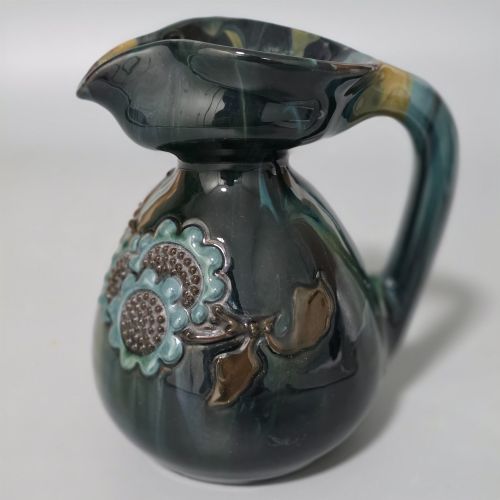


Arts and Crafts Pottery Jug
An arts and crafts pottery jug brings robust textures and hand-shaped forms to a room, offering a tactile anchor for daily use or display.
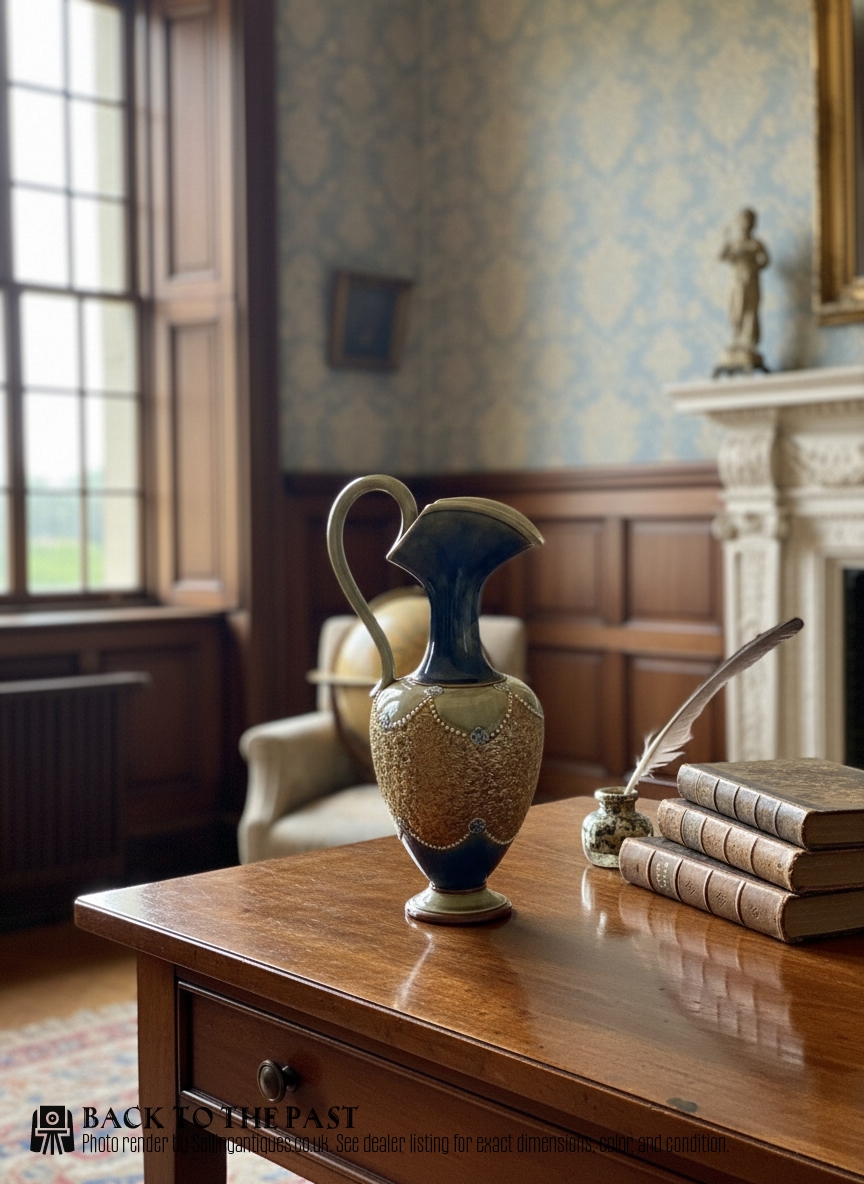
Arts and Crafts Pottery Jug
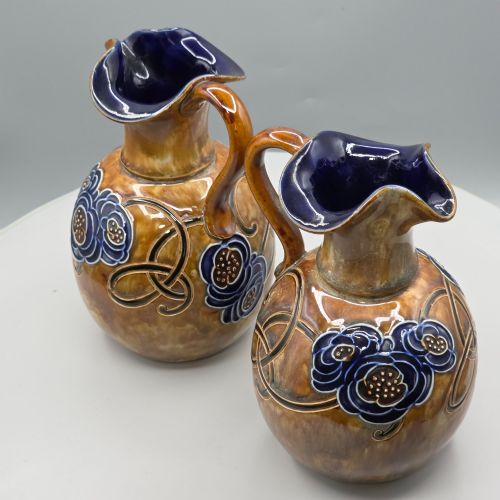
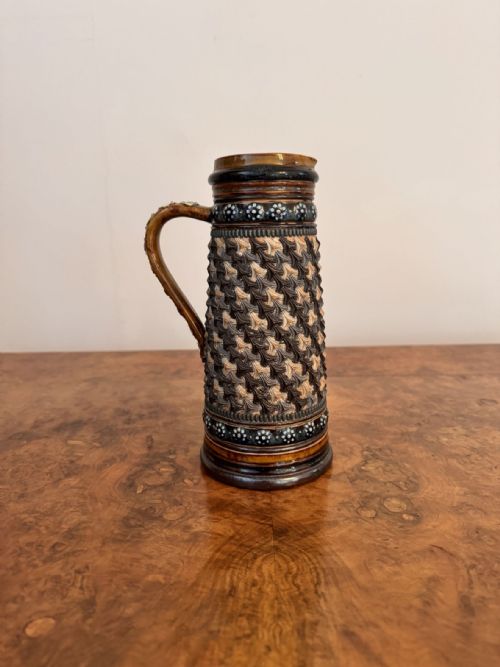
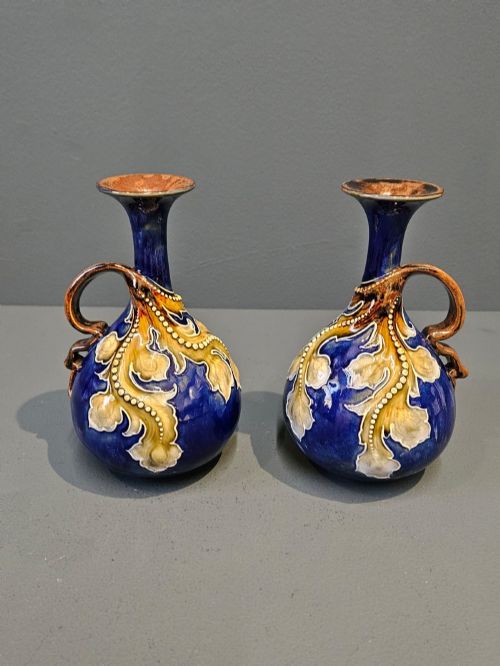
An arts and crafts pottery jug unites functional forms with handcrafted decoration, ranging from simple pitchers to large decorative ewers and water jugs. These vessels originate primarily from the Victorian and early twentieth century periods, reflecting the design movements active between eighteen eighty and nineteen ten.
Collectors frequently encounter pieces produced by major potteries such as Doulton Lambeth alongside individual studio output. The forms encompass standard jugs, pitchers, and specialised ewers finished with distinctive handles and spouts.
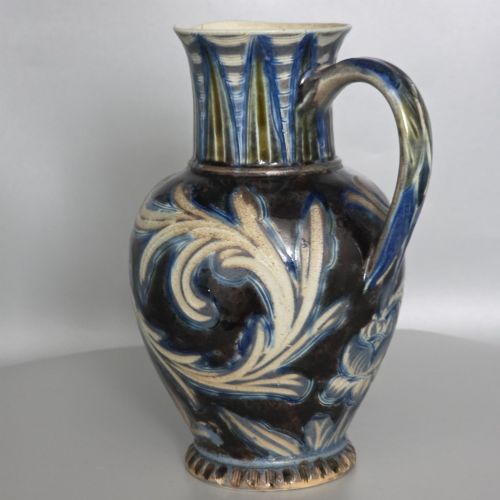
The style draws on traditional craftsmanship, often displaying incised patterns, slip decoration, or naturalistic motifs. These pieces serve equally well as standalone decorative objects or as functional vessels in domestic settings.
Materials and Techniques
Makers shaped these vessels using durable earthenware or sturdy stoneware bodies suited to heavy use. Potters applied rich salt glazes and specialised ceramic coatings to seal the clay and create varied surface textures.
Decoration relied on hand-incising, applied sprigs, and specialist glaze chemistry rather than mass-produced transfer printing. Individual artists worked directly onto the wet clay, leaving tool marks and distinct variations in each finished piece.
Arts and Crafts Pottery Jug Retail Price Guide 2026
Typical asking prices for arts and crafts pottery jug among the pieces listed under this phrase on Sellingantiques today, from the lower quarter to the upper quarter. They describe what is for sale here now, not the wider market.
Object forms span standard jugs, pitchers, decorative ewers, and water vessels.
Judging Quality
Superior examples display crisp incising, confident brushwork, and controlled glaze reactions that enhance the underlying ceramic body. The best work balances sculptural weight with precise execution in the handle and spout.
Studio pieces and named makers generally command greater attention due to documented artistic direction and individual flair. Consistency of the glaze finish and the clarity of factory or artist stamps further separate ordinary production from exceptional output.
Doulton Lambeth·Royal Doulton·Sir Edmund Elton·Emma Shute·Dr Christopher Dresser·Minton
The Arts and Crafts Pottery Jug Glossary
- Earthenware
- A porous pottery fired at lower temperatures, requiring a glaze to hold liquids. It forms the foundation for many decorative studio pieces.
- Stoneware
- A dense, impermeable ceramic fired at high heat until the clay vitrifies. This material provides exceptional durability for water jugs and pitchers.
- Salt Glaze
- A vitreous coating created by throwing common salt into the kiln during high-temperature firing. This process produces a distinctive orange-peel texture on the ceramic surface.
- Ewer
- A large jug with a wide spout and a curved handle, traditionally used for holding and pouring water. Victorian makers adapted this historical form for decorative display.
- Incised
- A decorative technique where designs are cut directly into the damp clay body before firing. This method allows for sharp, permanent linear patterns.
Arts and Crafts Pottery Jug: Frequently Asked Questions
What is an arts and crafts pottery jug?
These pieces are handcrafted ceramic vessels produced during the Victorian and Edwardian eras, combining traditional throwing methods with artistic surface decoration.
They range from utilitarian water jugs to sculptural ewers created by notable potteries and independent studios.
How do I date a ceramic jug?
Dating relies on factory stamps, stylistic markers, and the type of glaze or clay body used in construction. Nineteenth-century examples often feature incised monograms or specific manufacturer marks from periods like the eighteen eighties.
Changes in material preference from earthenware to salt-glazed stoneware also help narrow down the period of manufacture.
Are these jugs waterproof?
Most stoneware and glazed ceramic pieces are fully vitrified or sealed, making them suitable for holding water and flowers. Earthenware examples should be checked for interior glaze coverage before holding liquids.
Many collectors prefer to use them strictly for display to preserve historic surfaces.
How should I clean my jug?
Dust gently with a soft, dry cloth to protect historic glazes and delicate incised surfaces from abrasive damage. Avoid soaking antique ceramics in water, particularly pieces with porous earthenware bodies or unglazed areas.