
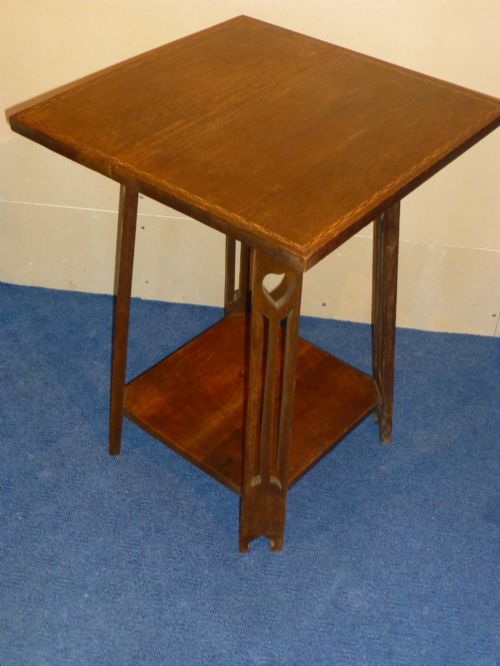
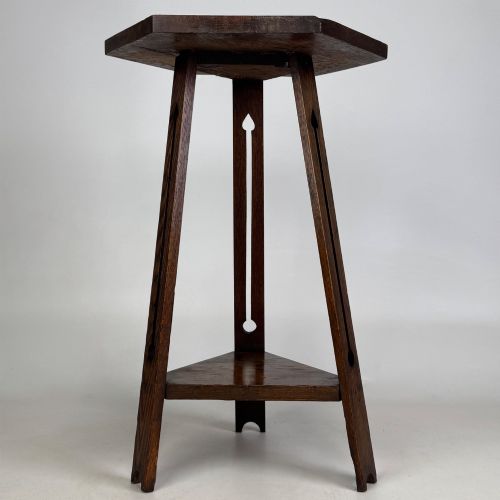
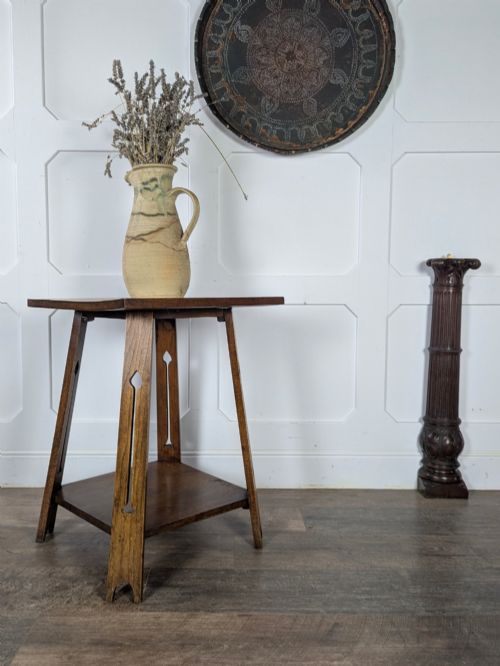
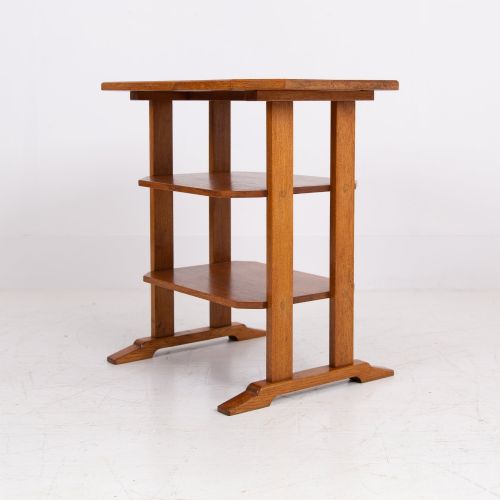
Arts and Crafts Plant Table
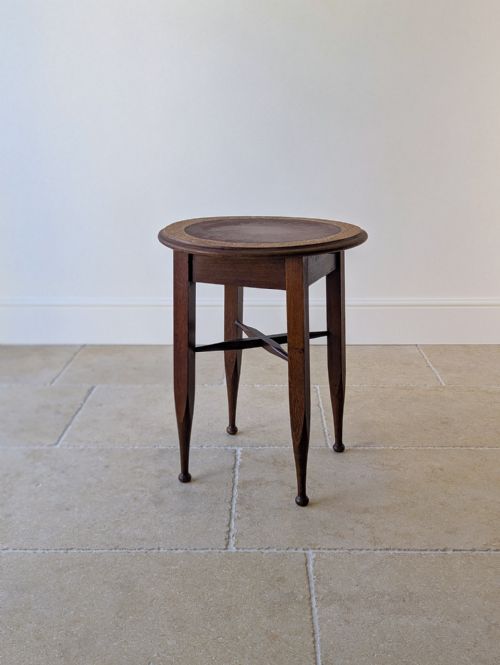
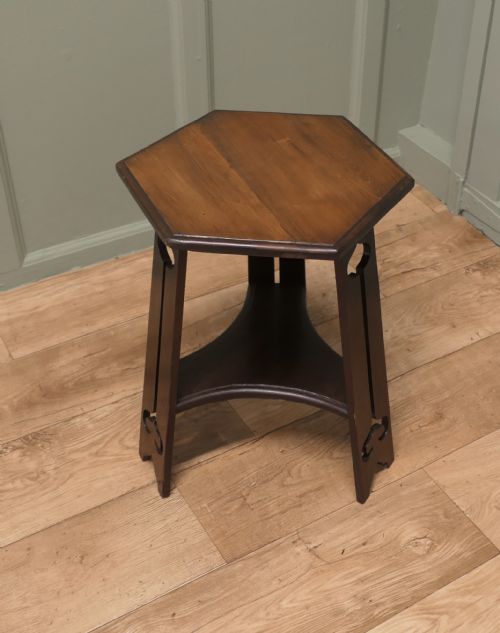
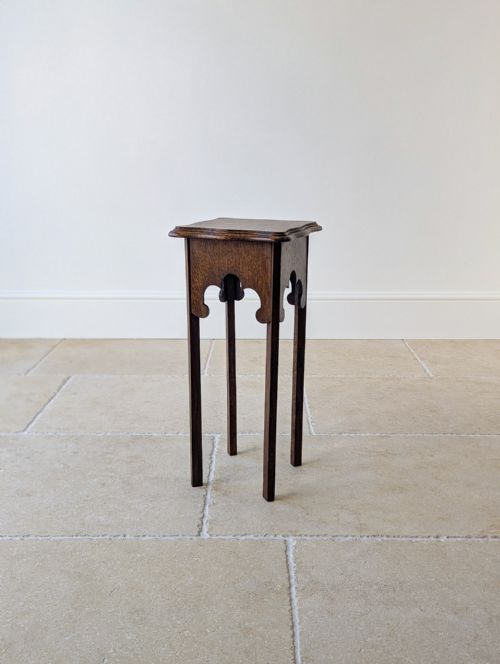
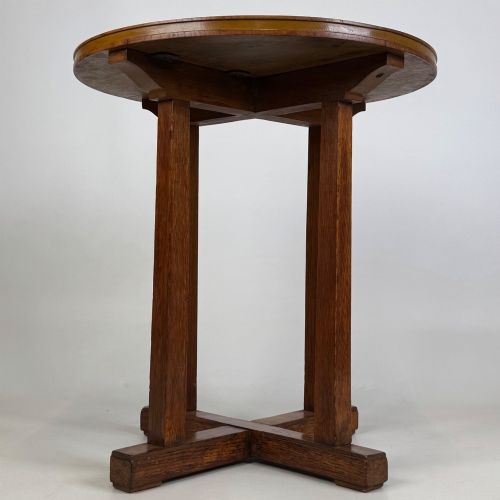
An arts and crafts plant table brings functional craftmanship and organic design directly to a corner of any room.
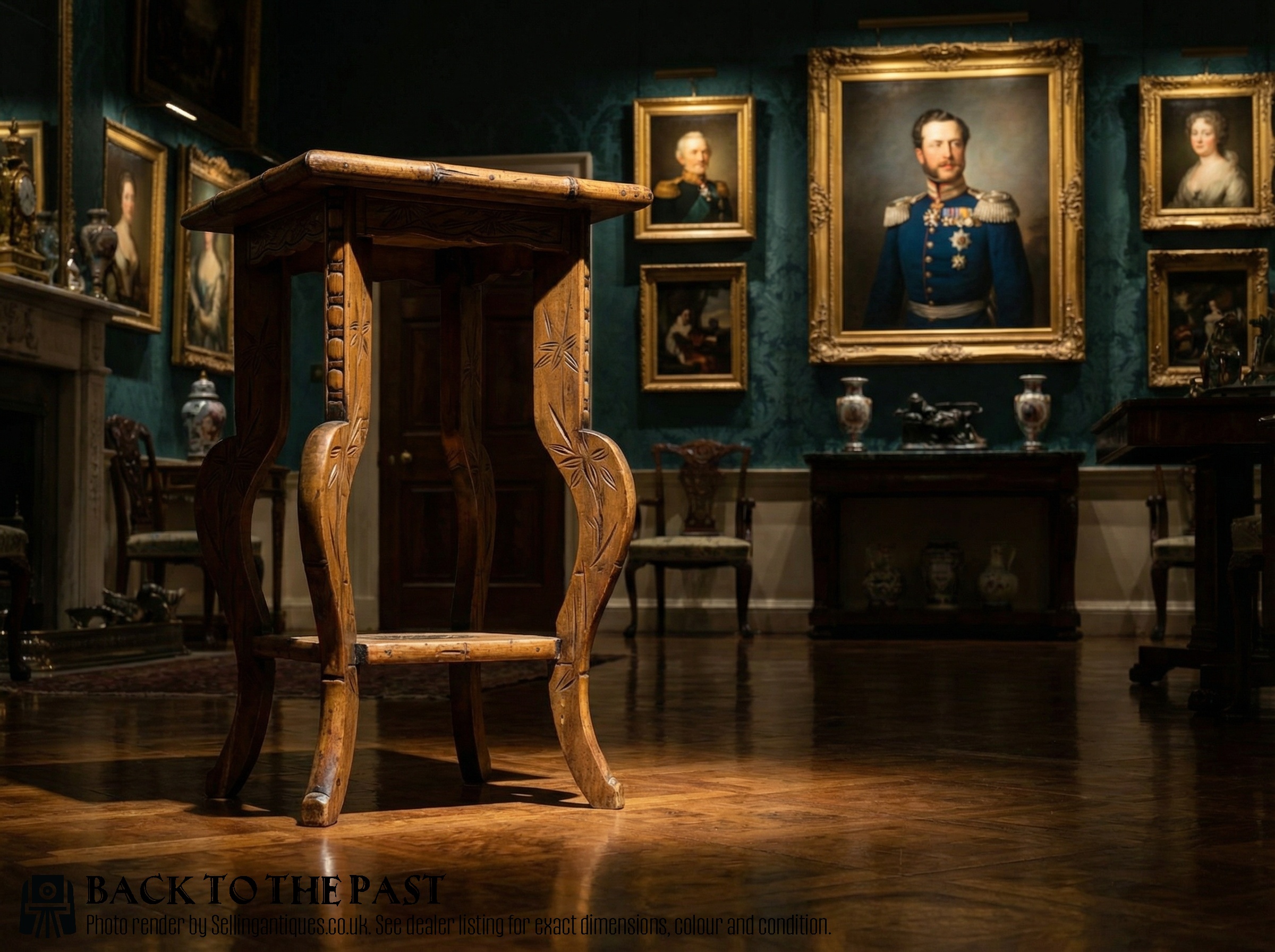
Arts and Crafts Plant Table
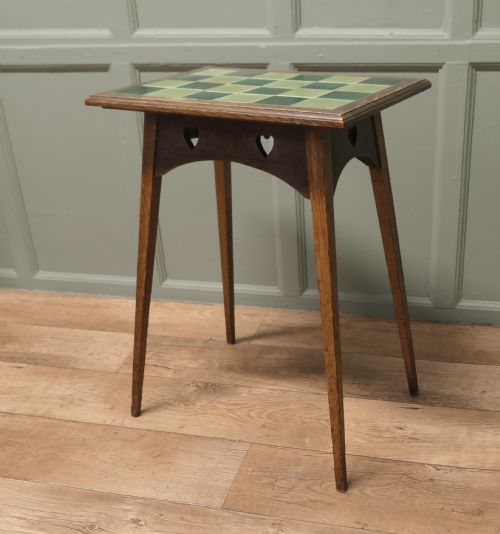
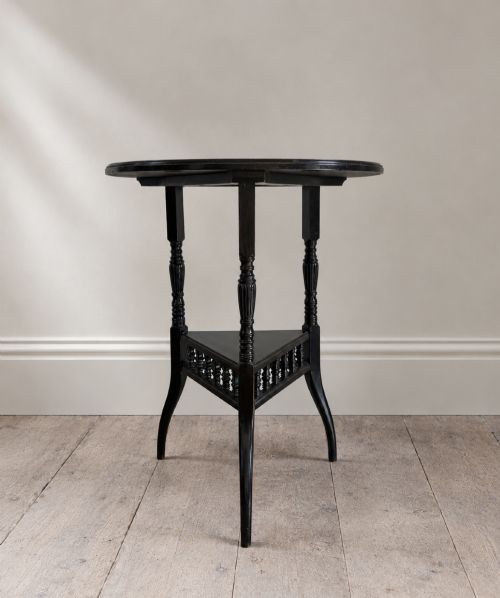
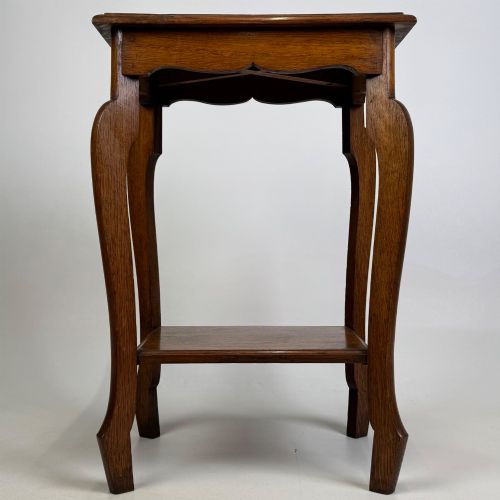
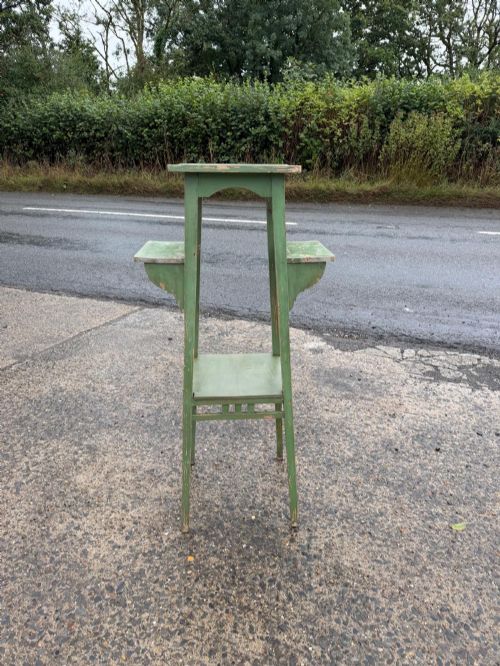
An arts and crafts plant table serves as a sturdy pedestal for greenery or a compact surface for lamps and ornaments. These pieces appear primarily in oak, walnut, and ebonised wood across periods spanning the Victorian era through the Edwardian years and into the 1920s.
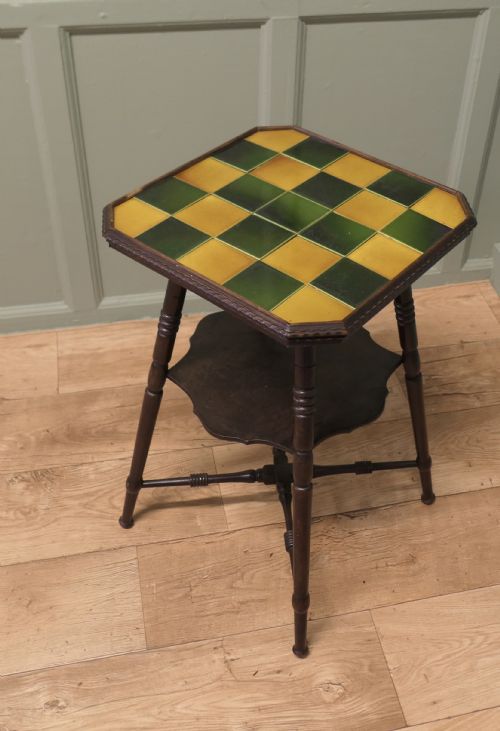
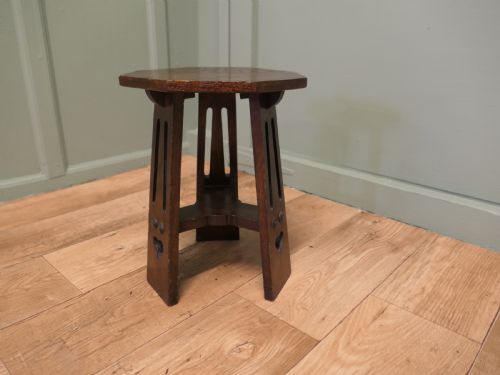
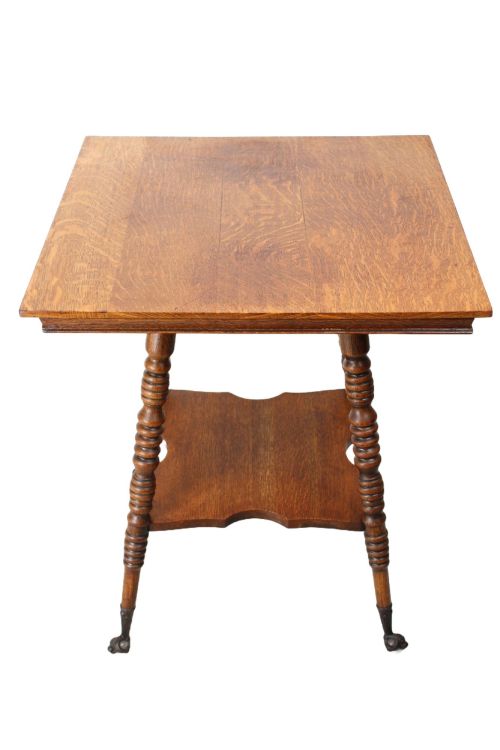
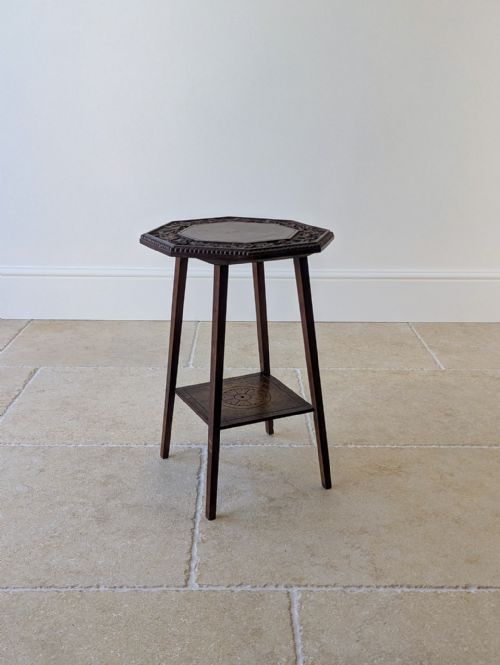
Forms range from octagonal tops and square surfaces to multi-tiered stands, often classified interchangeably with side tables, occasional tables, or jardiniere stands. The stylistic influence stretches from the Cotswold and Glasgow Schools to the distinctive aesthetics of Liberty and Co.
Buyers most frequently encounter solid oak examples dating around nineteen hundred, reflecting the movement's preference for honest materials and structural clarity. Some variations incorporate ceramic tiles or carved detailing, bridging the gap between utilitarian furniture and decorative art.
Evaluating the craftsmanship
Quality rests in the integrity of the timber selection and the precision of the joinery. Tables featuring integrated ceramic tiles or complex multi-tiered structures demand a higher standard of carpentry to maintain stability over time.
Attribution to notable workshops or specific design circles elevates a piece, distinguishing standard commercial production from individualized studio output. Original finishes, such as early paint or patinated polish, preserve the physical history and integrity of the item.
The listings show a strong preference for oak, accompanied by occasional examples in walnut, mahogany, and ebonised wood spanning the Victorian to 1920 periods.
Shapland & Petter·Liberty & Co.·William Birch·Baillie Scott·Hubert Simpson of Kendal·Archibald Knox
The Arts and Crafts Plant Table Glossary
- Jardiniere stand
- A tall table specifically designed to hold a decorative pot or indoor plant container. These stands often feature raised rims or tiled surfaces to contain moisture.
- Occasional table
- A small, movable table intended for versatile placement and light utility within a room. They appear frequently in octagonal and square formats.
- Ebonised wood
- Timber treated with a chemical stain or finish to imitate ebony. This dark surface treatment was popular in late nineteenth-century aesthetic design.
- Chip carving
- A traditional decorative technique where small chips are removed from a wooden surface with a knife or chisel to create geometric patterns. It adds tactile depth to table legs and aprons.
Arts and Crafts Plant Table: Frequently Asked Questions
What is an arts and crafts plant table used for?
These tables provide a stable elevated surface for displaying potted plants, ferns, or floral arrangements inside the home. Their compact footprints also suit them for holding lamps or small decorative objects in narrow spaces.
Historically, they filled corners and empty spaces in domestic interiors during the late nineteenth and early twentieth centuries. Today, they serve the same functional purpose while adding period character to a room.
How do I identify an arts and crafts table?
Look for honest construction methods, exposed joinery, and a preference for solid woods like oak and walnut. Designs often favor clean geometric lines, occasional chip carving, or integrated ceramic tiles.
Many examples feature octagonal tops, multi-tiered shelving, or influences from the Glasgow and Cotswold Schools. Maker marks or attribution to firms such as Liberty provide definitive confirmation.
Are these tables suitable for everyday use?
Solid oak and hardwood construction makes these tables durable enough for daily domestic environments. Tiled top variants offer particular resistance to water rings from plant pots.
Placing them away from direct heat sources helps preserve the stability of the timber and any historic finishes. Routine dusting and occasional waxing keep the wood conditioned.
How do I distinguish between periods?
Victorian and 1880s pieces often incorporate ebonised wood or heavier Aesthetic Movement details. Edwardian and 1910 examples lean towards simpler oak construction with subtle chip carving or tile inserts.
Items from the 1920s frequently reflect Cotswold School influences with unadorned surfaces and multi-tier formats. Comparing the joinery style and materials helps narrow down the era of production.