
Arts and Crafts Credenza
These arts and crafts credenza options bring honest construction and sturdy timber into modern dining rooms and hallways.
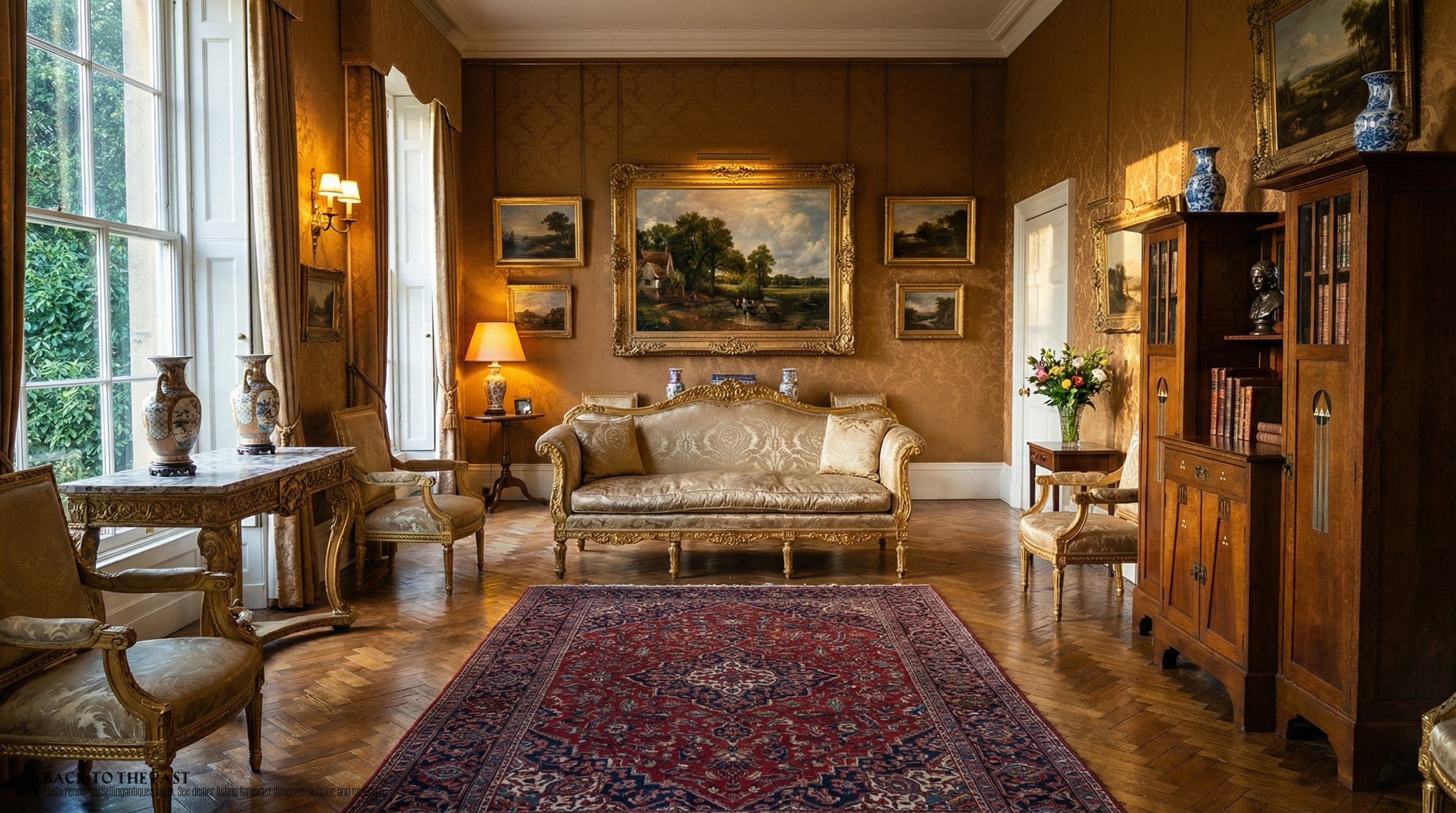
Arts and Crafts Credenza
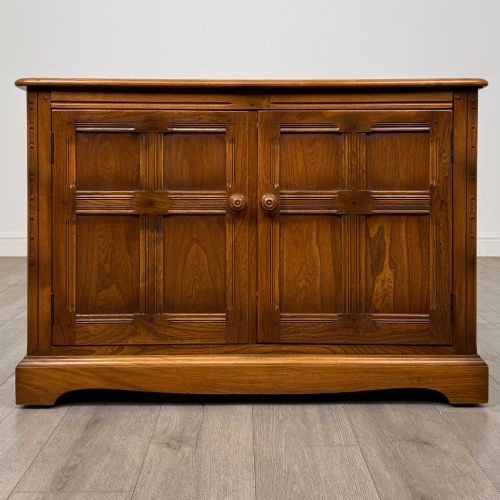
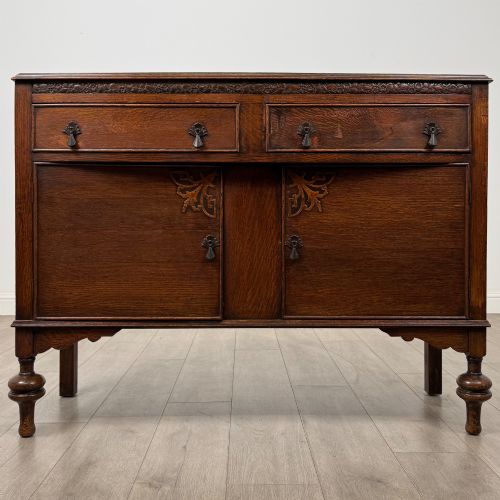
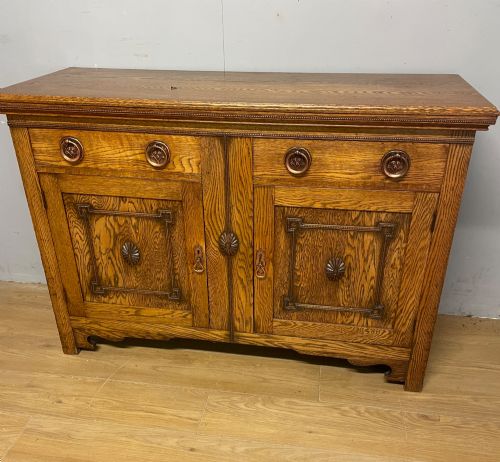
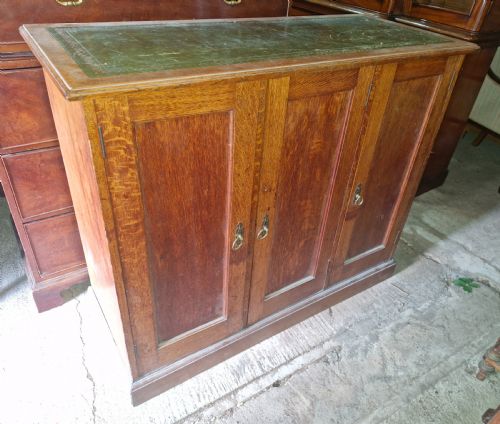
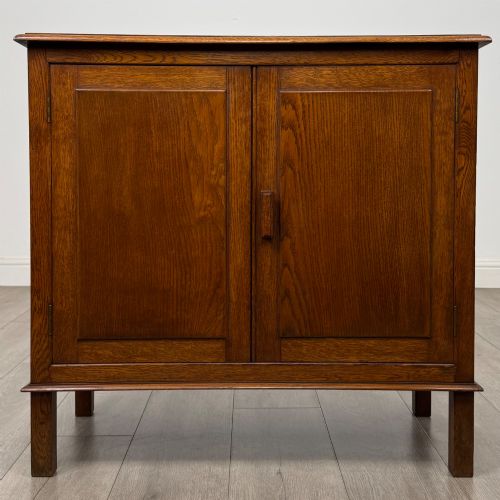
An arts and crafts credenza encompasses robust sideboards, low cupboards, and dressers originating from the late nineteenth century through to the nineteen-thirties. Buyers searching this phrase most commonly encounter Edwardian golden oak sideboards and side cabinets influenced by the movement's ideals of utility and handcrafted detail.
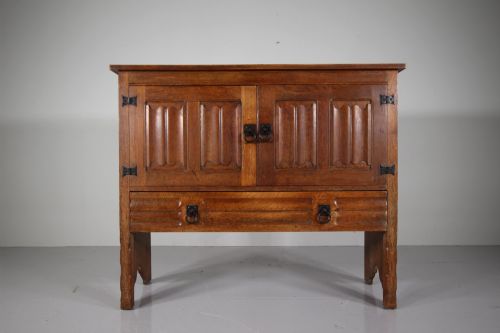
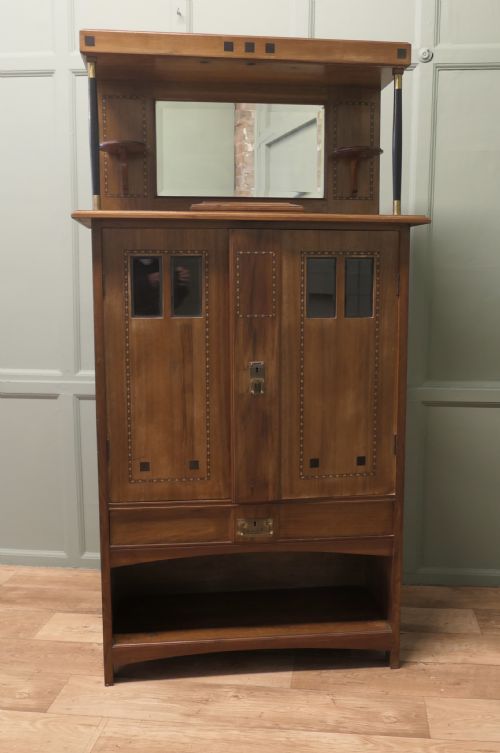
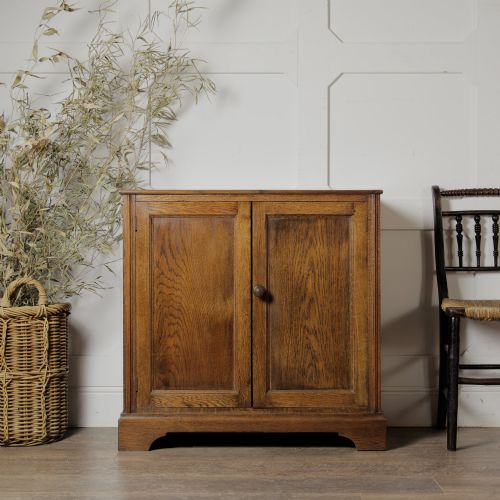
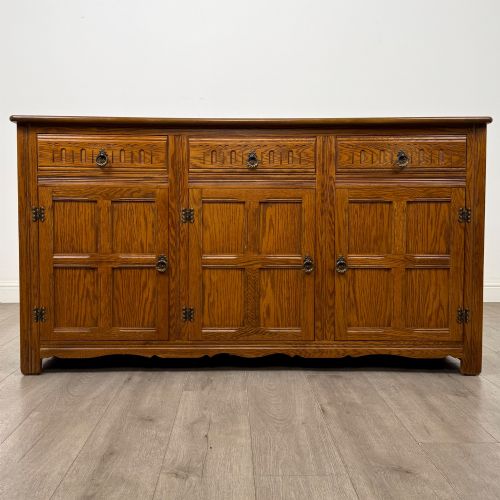
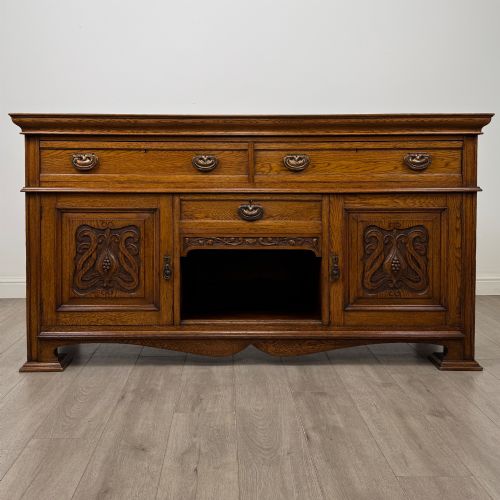
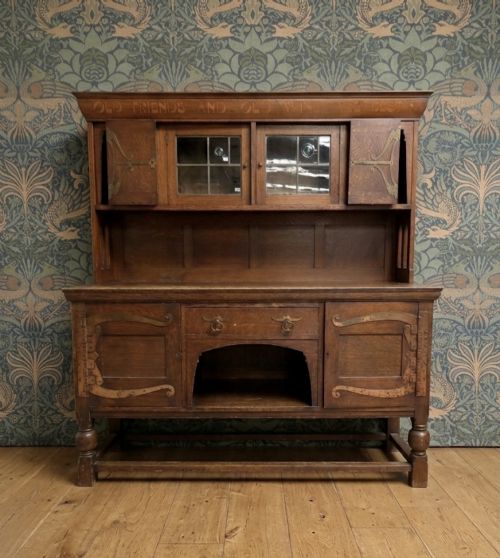
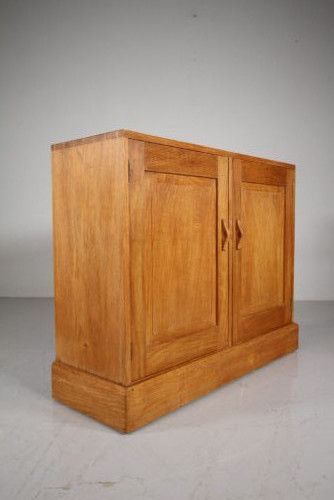
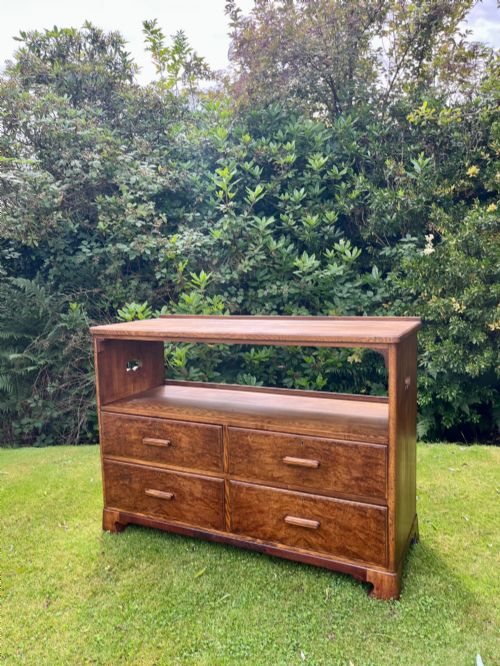
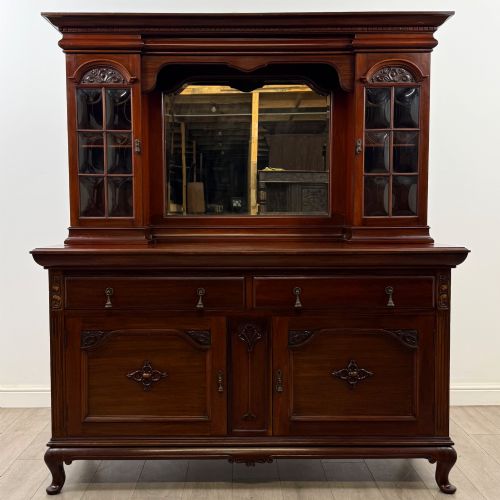
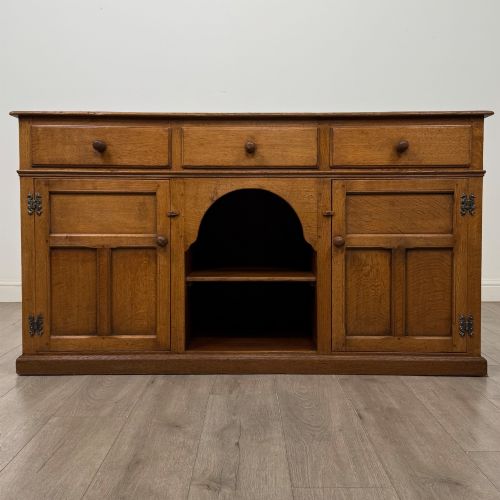
The listings span diverse forms including cocktail display cabinets, dresser bases, and mirrorback sideboards made during the Edwardian period and the nineteen-twenties. Pieces range from plain utility cupboards in solid oak to sophisticated side cabinets reflecting Cotswold School and Secessionist design principles.
Makers and retailers such as Liberty and Co., Shapland and Petter, and Whytock and Reid shaped the aesthetic seen across these pieces. The structural formats prioritize low profiles, generous storage cupboards, and surfaces suited for display.
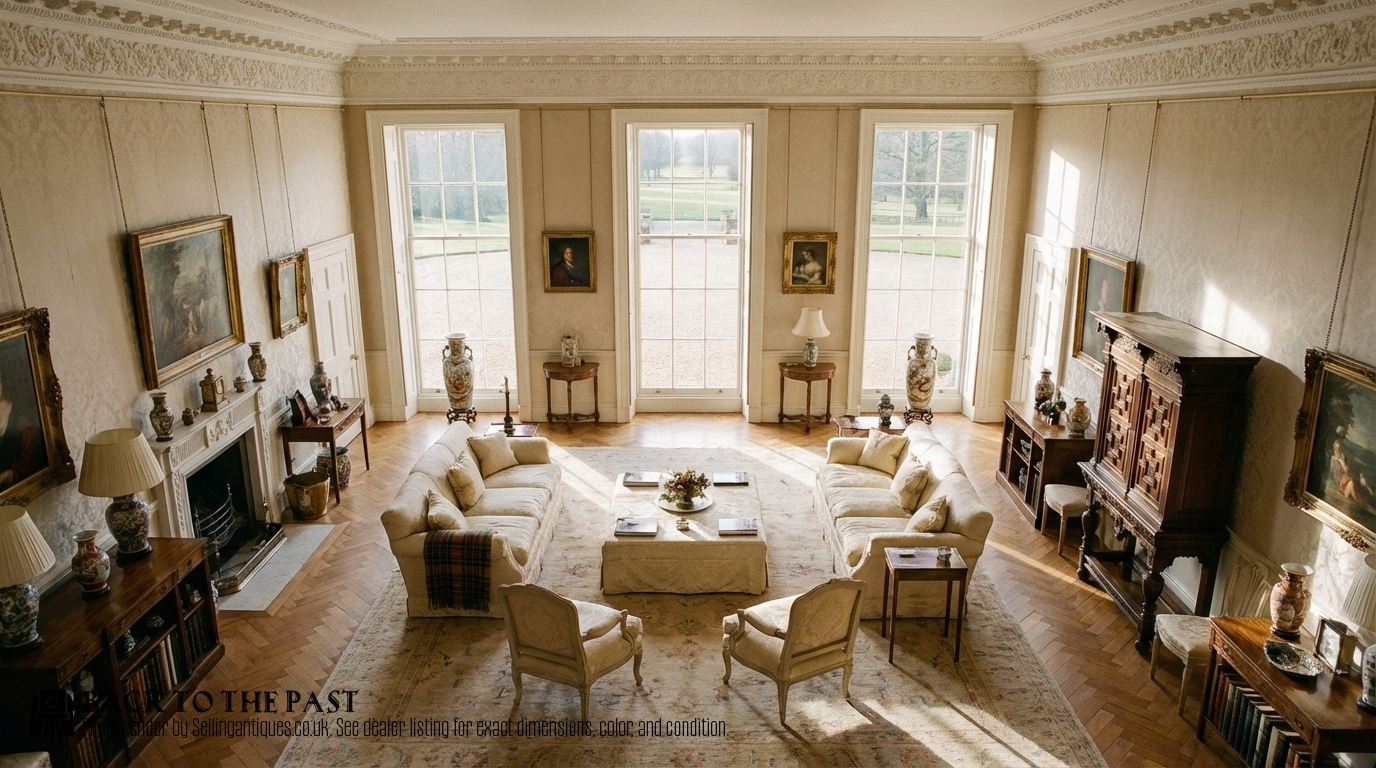
Materials and Construction
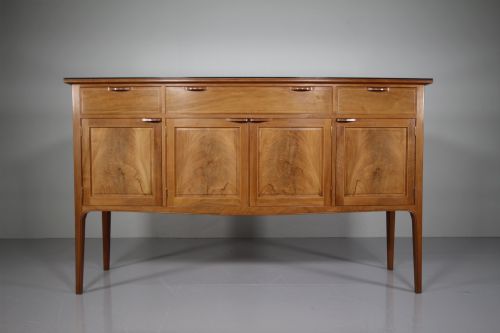
Solid oak serves as the predominant timber across these pieces, frequently finished to highlight the natural grain in golden or pale tones, alongside occasional examples in mahogany, elm, and walnut. Metal hardware typically consists of exposed brass, copper, and iron hinges, strapwork, and drop handles that anchor the structural design.
Makers utilised traditional joinery techniques to build enduring carcases for sideboards and cupboards, incorporating glass panels in display doors and occasional mirrored backs. Surfaces often feature subtle hand-carved motifs rather than heavy applied ornamentation, aligning with the philosophy of honest craftsmanship.
Listings feature solid oak, mahogany, elm, and walnut timber paired with brass, copper, and iron hardware across the Edwardian and Victorian periods.
Judging Quality and Execution
The distinction between standard utility cupboards and superior pieces lies in the selection of timber, the weight of the solid oak, and the finesse of the hand-carved details. Higher-tier examples demonstrate precise joinery and thoughtful proportions that elevate a functional storage unit into a considered interior statement.
Original hardware, such as patinated copper or brass strap hinges, distinguishes workshops like Shapland and Petter or pieces retailed by Liberty and Co. The integrity of the timber movement and the crispness of any carved decoration reveal the level of hand labour invested in the construction.
Edward Barnsley·Ambrose Heal for Heal and Son·Leonard Wyburd·Whytock and Reid·Shapland and Petter·T Simpson and Son
The Arts and Crafts Credenza Glossary
- Credenza
- A sideboard or low cabinet utilised for storing and serving dining provisions. This form often provides a long top surface and enclosed cupboards below.
- Secessionist
- A design style emerging from European artistic movements around nineteen hundred that emphasised geometric forms and stylized motifs. It appears on cabinets with distinctive linear accents.
- Cotswold School
- A nineteenth and twentieth-century English craft movement centered on vernacular furniture making and exposed construction. Pieces from this tradition prioritize plain solid timbers and hand tools.
- Mirrorback
- A sideboard or cabinet featuring an upright mirror attached to the rear of the upper surface. This component reflects light and displays objects placed on the ledge.
- Dresser Base
- The lower section of a kitchen or dining storage unit, built as a heavy sideboard with drawers and cupboards. These items offer substantial lower storage without upper shelving.
Arts and Crafts Credenza: Frequently Asked Questions
What is an arts and crafts credenza?
An arts and crafts credenza is a sturdy storage cabinet or sideboard built during the late nineteenth or early twentieth century. These pieces emphasise functional utility and honest wood construction over heavy historical revival styles.
Makers utilised solid oak and natural brass or copper hardware to create durable furniture for dining rooms and hallways. The designs range from plain utilitarian cupboards to refined cabinets associated with Liberty and Co.
How do I identify an Edwardian sideboard?
Edwardian sideboards from this grouping typically feature golden oak construction with simple linear panels and exposed metal hardware. The proportions remain lower and broader than heavy Victorian furniture.
Many examples incorporate subtle carved details or copper strap hinges rather than elaborate applied mouldings. Maker stamps or retailer attribution marks occasionally appear inside drawer boxes.
Where should I place a side cabinet?
A side cabinet works well in a dining room, hallway, or living space to provide enclosed storage for tableware, linens, or books. The flat top surface also accommodates lamps, ceramics, or serving trays.
Measuring the available floor space ensures the low cupboard doors open fully without obstructing room traffic. Placing the timber away from direct heat sources protects the finish and grain.
What defines Cotswold School furniture?
Cotswold School furniture relies on plain solid timbers, traditional hand-joined construction, and minimal ornamentation. Pieces from this tradition showcase the natural qualities of oak, elm, or walnut.
The style avoids mass-produced factory methods in favor of visible handcraftsmanship and utility. This approach creates heavy, reliable storage cupboards designed to last for generations.