
Vintage Oak Dresser Cabinet
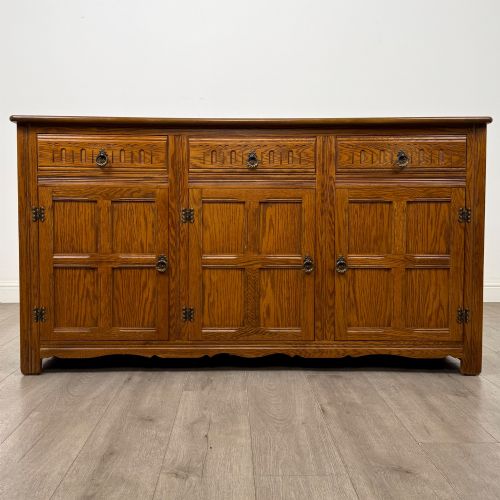
A vintage oak dresser cabinet brings substantial timber storage into a room, joining display space with deep drawers and cupboards.
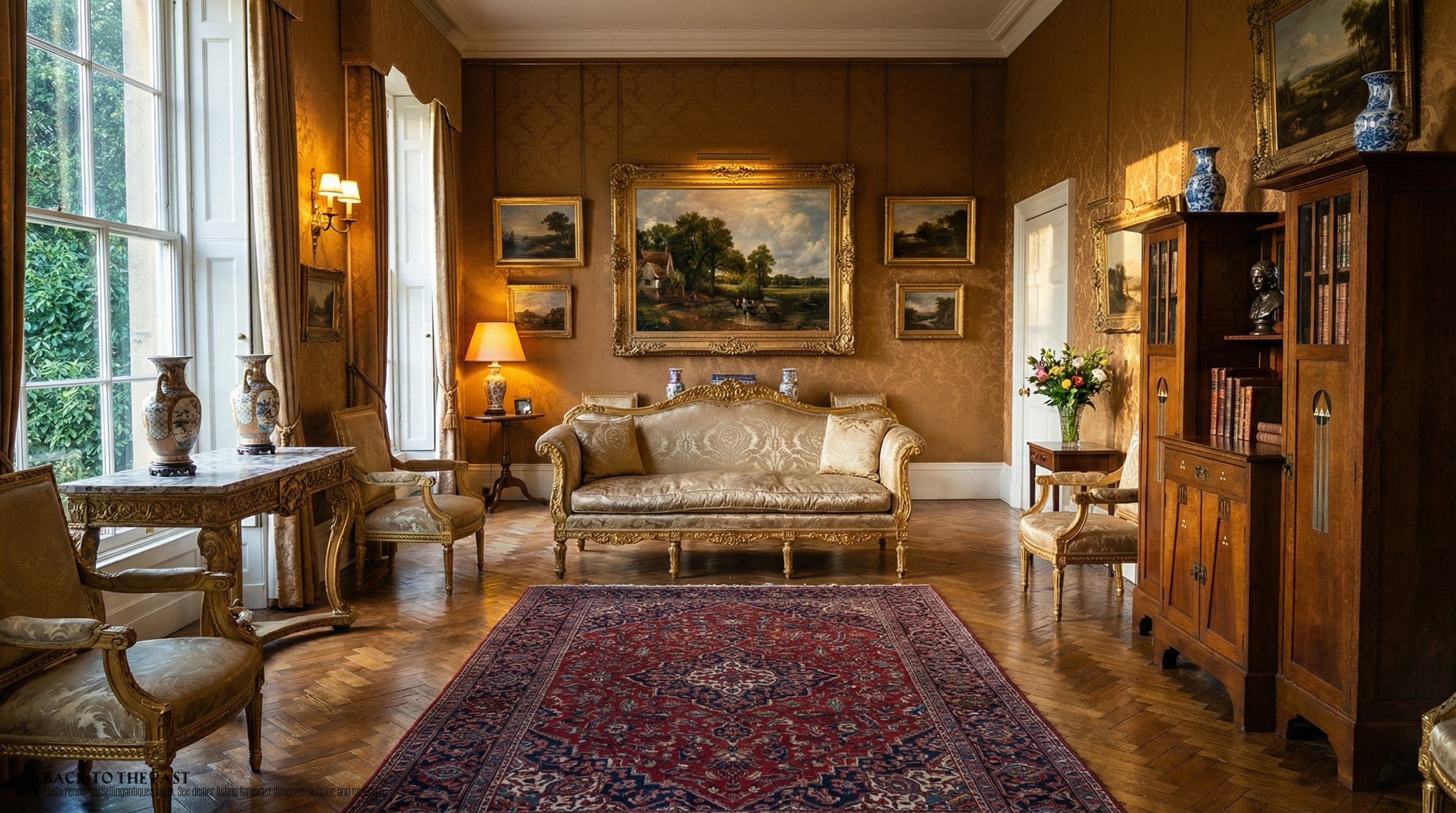
Vintage Oak Dresser Cabinet
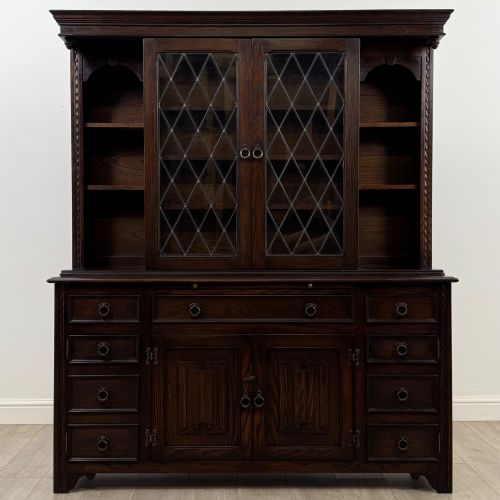
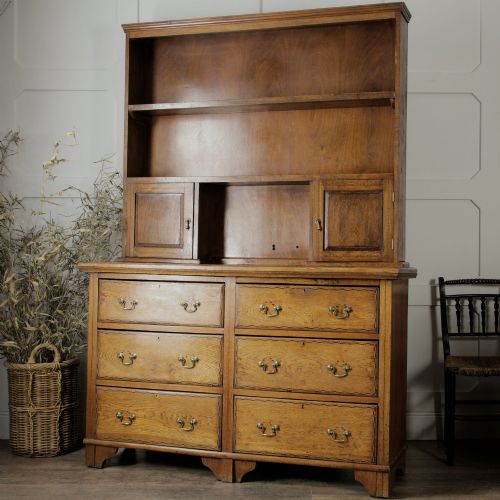
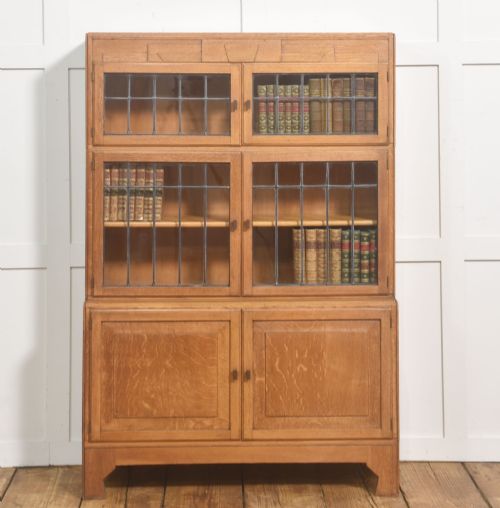
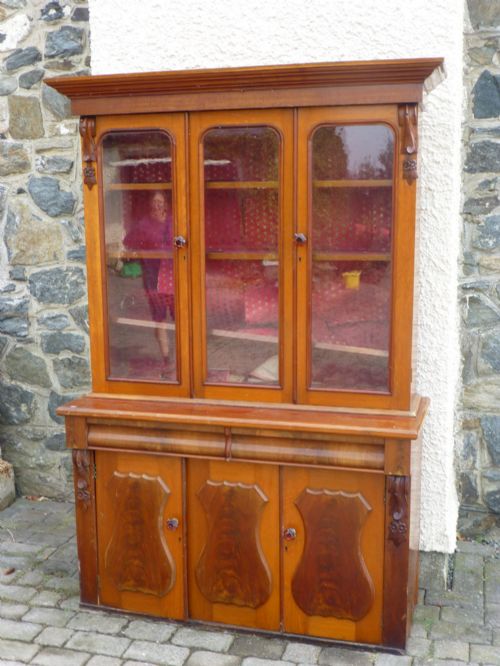
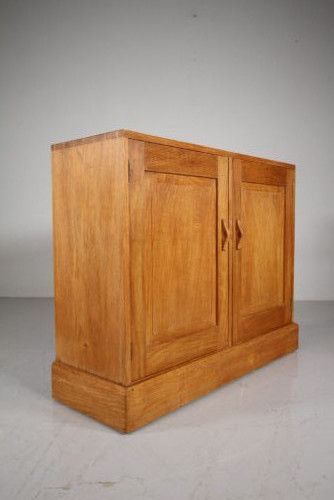
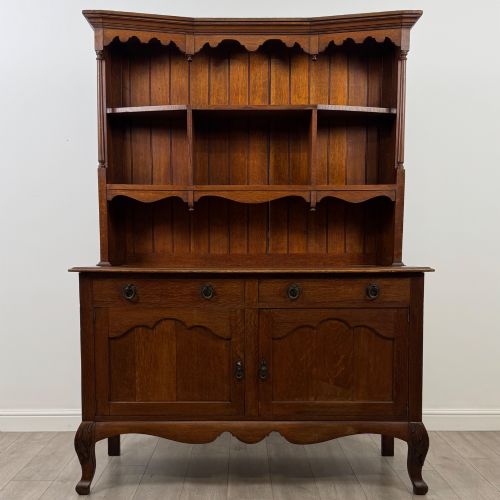
A vintage oak dresser cabinet combines timber storage furniture with display shelving or enclosed cupboards, drawing from periods such as the Edwardian era, the nineteenth century and the 1930s. The selection ranges from Welsh kitchen dressers and glazed bookcases to sideboard dresser bases and linenfold cupboards.
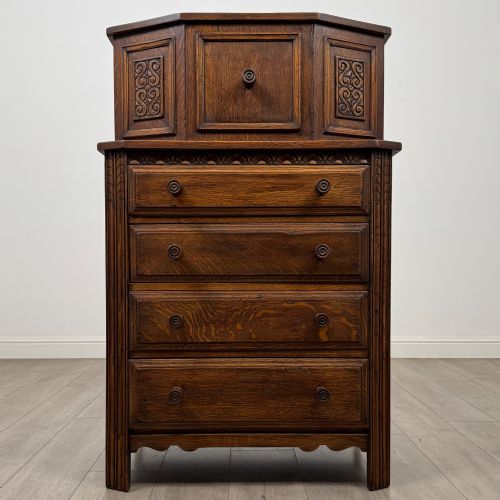
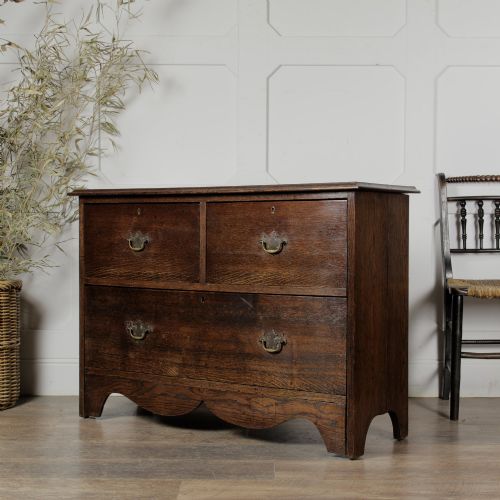
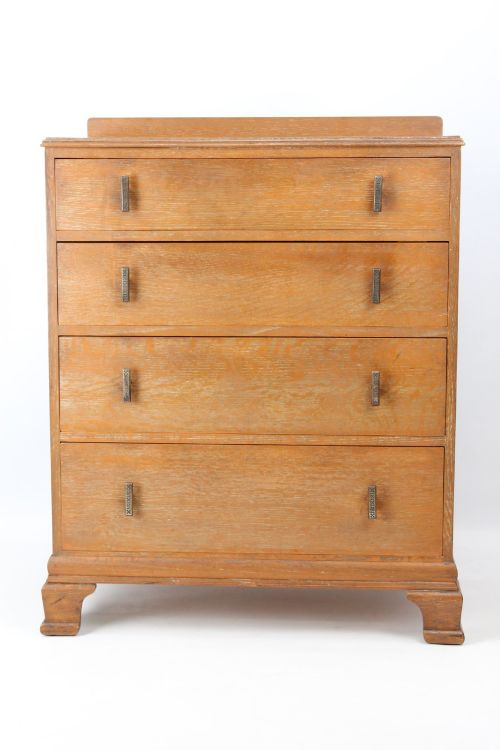
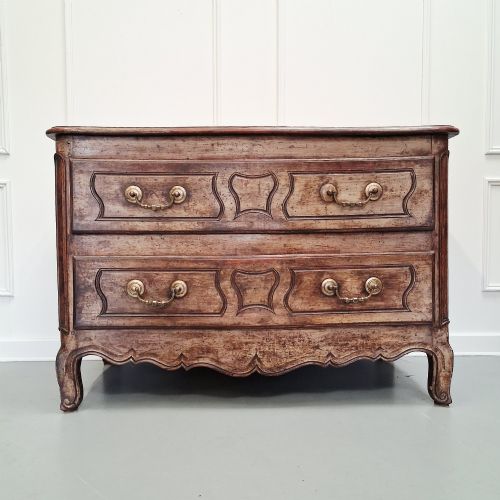
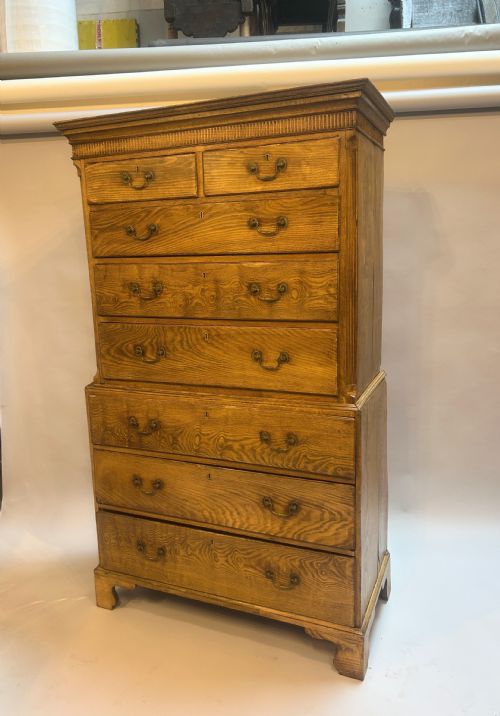
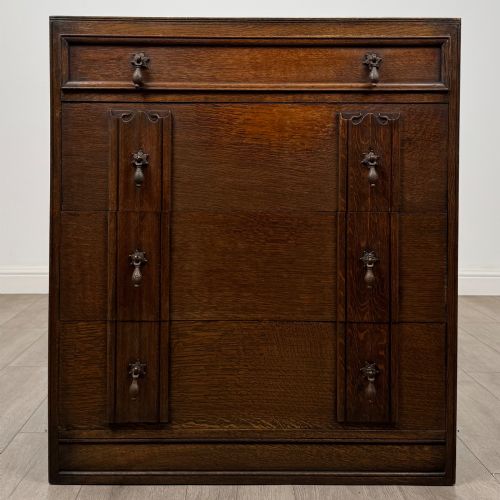
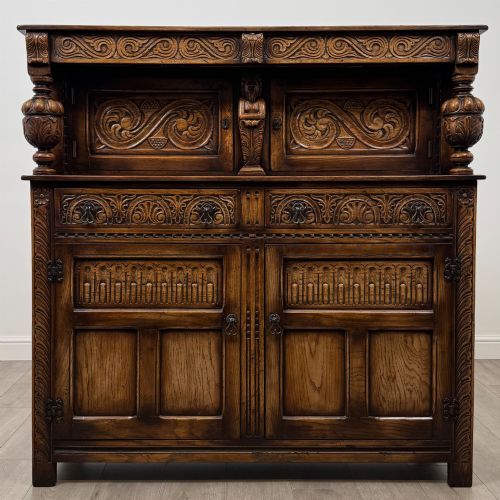
Buyers meet Edwardian golden oak sideboards and Welsh dressers most frequently on this page, alongside solid honey oak pieces from the early twentieth century. Forms extend to chests of drawers, court cupboards and tallboys in various regional British and continental styles.
How they were made
Construction relies heavily on solid oak and tiger oak, frequently augmented with mahogany, fruit wood, brass, glass, lead and iron hardware. Makers utilised traditional joinery to build sturdy carcases, incorporating leaded glass panels and mirror elements into upper display sections.
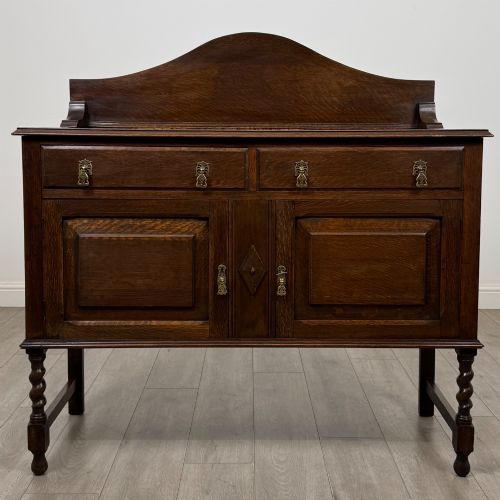
Surface treatments range from natural golden finishes and dark carved details to limed oak applications, linenfold panel carvings and barley twist supports. Cupboards and dressers often utilise brass handles and iron hinges to secure doors and drawers.
The listings show oak combined with brass, glass, lead, iron, mirror and mahogany across Edwardian and 1930s forms.
What varies in quality
Quality shows in the selection of timber figures, such as tiger oak and golden oak grain patterns, alongside the depth and crispness of carved details like linenfold panels or Jacobean Revival motifs. Heavier, solid construction distinguishes substantial Welsh dressers and court cupboards from lighter secondary pieces.
The integration of materials like leaded glass, brass hardware and mirror glass indicates the level of craftsmanship in a piece. Finer examples display balanced proportions across multi-part constructions, such as glazed bookcase tops paired with dresser bases.
Peter Waals
The Vintage Oak Dresser Cabinet Glossary
- Welsh Dresser
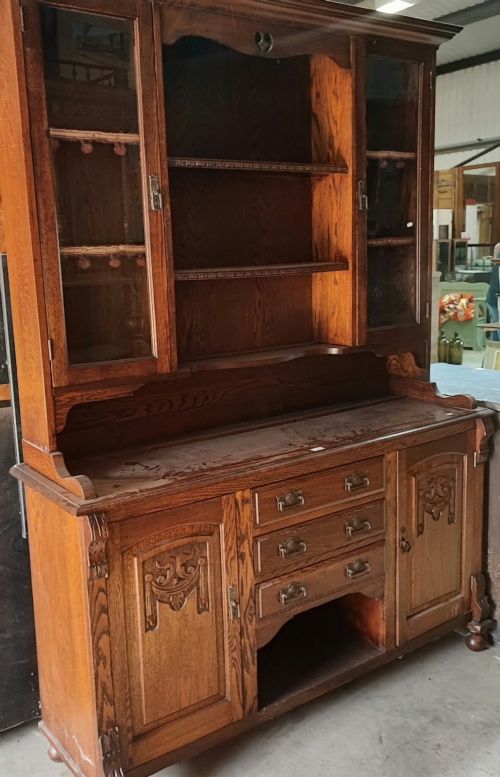
- A traditional kitchen storage unit featuring open plate racks or glazed shelving above a lower section of drawers and cupboards.
- Linenfold
- A style of wood carving that imitates folded parchment or linen, commonly found on Edwardian cupboard doors and panels.
- Barley Twist
- A turned furniture leg or support resembling the twisted shape of a barley stalk, seen on Edwardian sideboards.
- Court Cupboard
- A traditional enclosed wooden storage cabinet featuring multiple tiers, often elaborately carved in oak.
- Limed Oak
- A wood finishing technique that leaves a white or pale pigment in the grain pores of oak, popular during the 1930s.
Vintage Oak Dresser Cabinet: Frequently Asked Questions
How do I clean oak furniture?
Dust surfaces regularly with a dry cloth to prevent dirt accumulation on the timber grain.
Avoid harsh chemical cleaning products that might strip the natural wax or polish from the oak.
Where should I place a dresser cabinet?
Position the piece against a sturdy wall in a dining room, kitchen or living space where it receives balanced light.
Keep wooden cabinets away from direct heat sources and strong sunlight to protect the oak finish.
How do I identify Edwardian oak pieces?
Look for golden oak timber, carved linenfold panels and decorative elements like barley twist supports.
Edwardian furniture often combines traditional forms with lighter proportions compared to heavy Victorian designs.
What is the difference between a sideboard and a dresser?
A sideboard consists primarily of a low storage base with drawers and cupboards for dining room items.
A dresser includes an upper section with shelving, racks or glazed cabinets for displaying crockery.