
Oak Display Dresser Cabinet
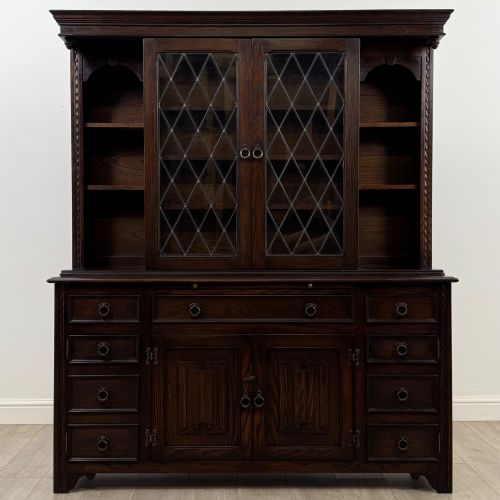
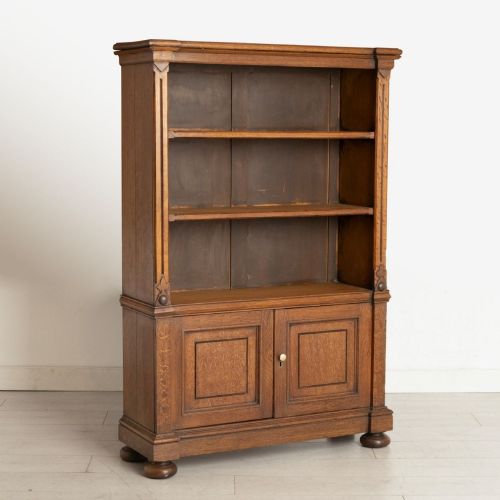
An oak display dresser cabinet combines storage and display, bringing substantial presence and traditional utility to a dining room or kitchen.
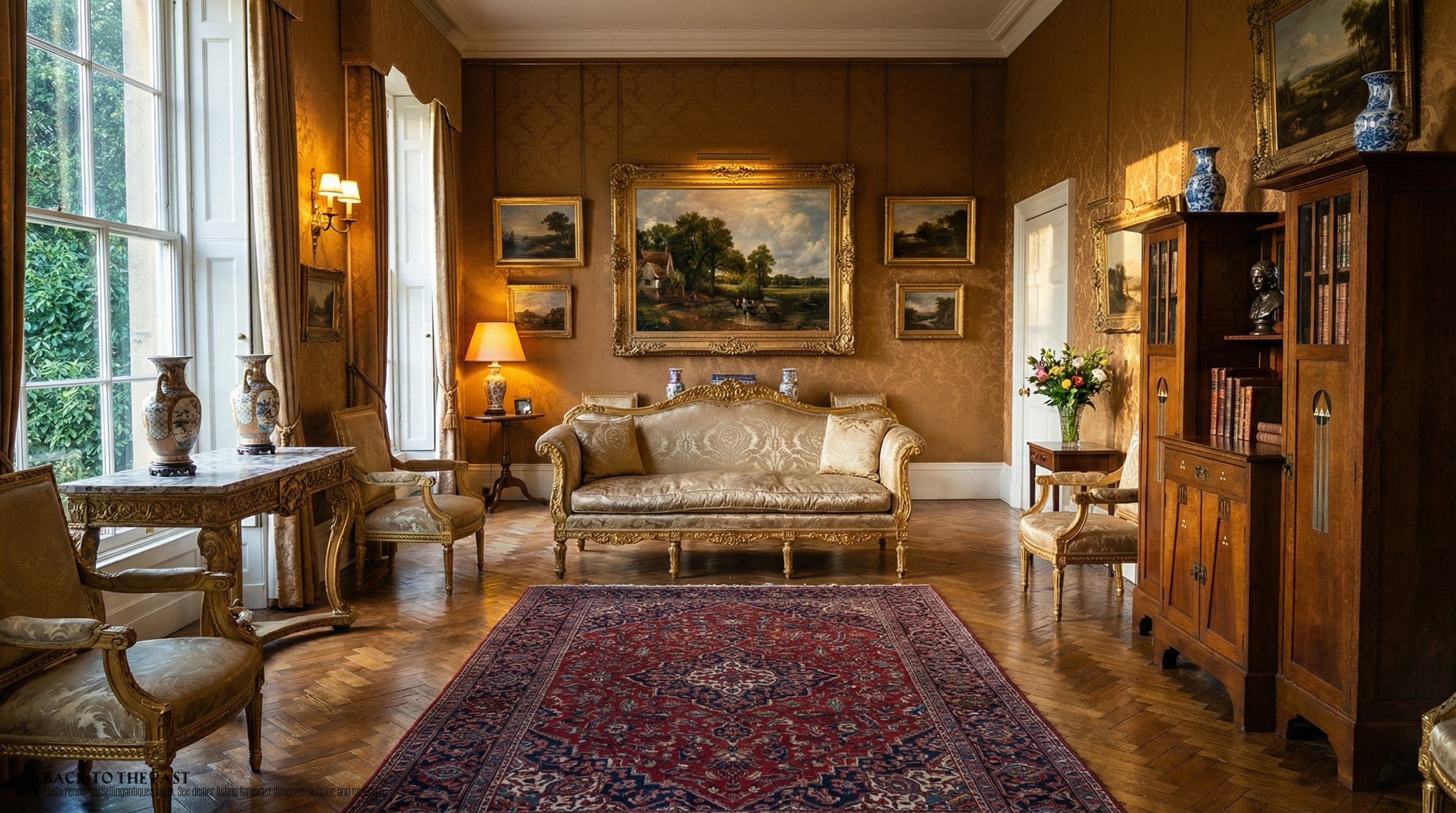
Oak Display Dresser Cabinet
When you search for an oak display dresser cabinet, you encounter sturdy timber furniture designed for storing and exhibiting tableware or books. These pieces span the eighteenth, nineteenth and early twentieth centuries, reflecting changing domestic habits across generations.
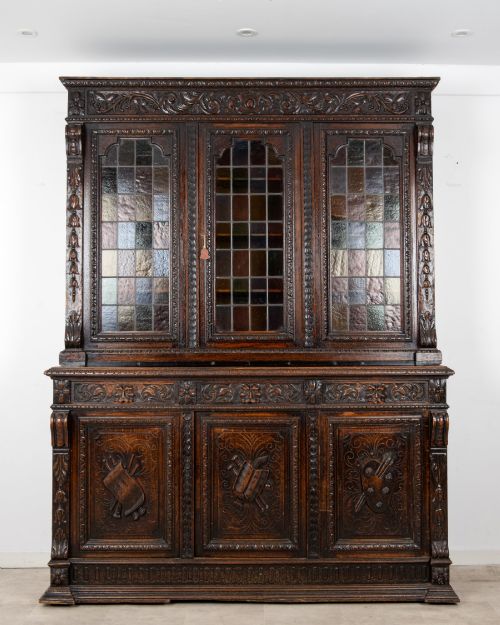
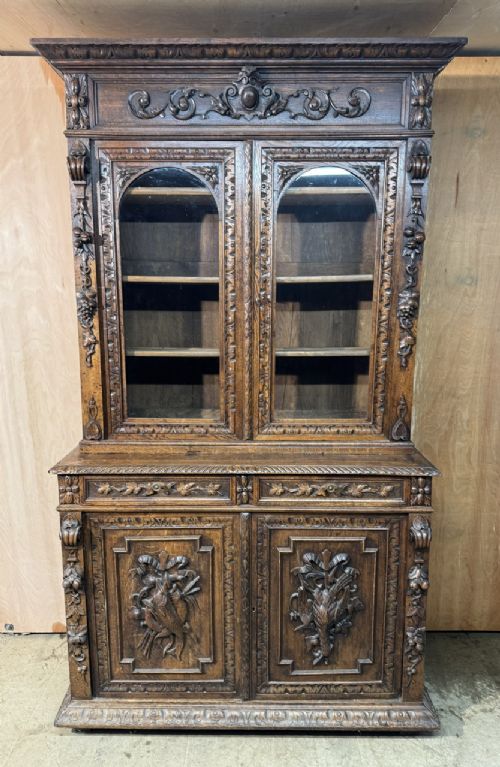
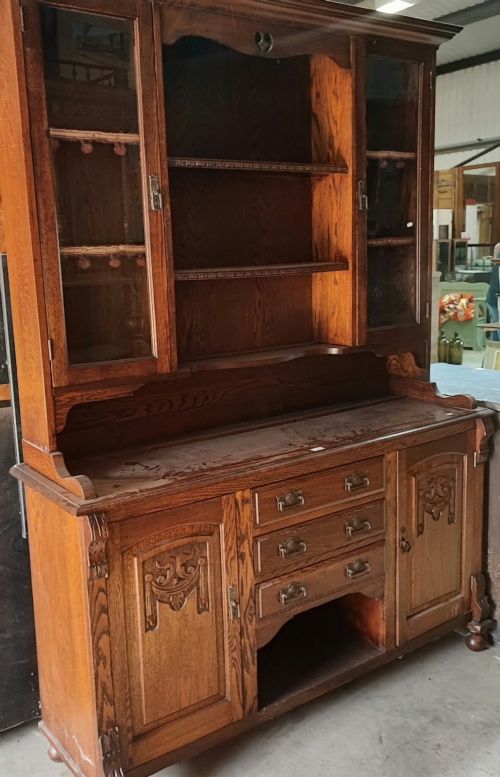
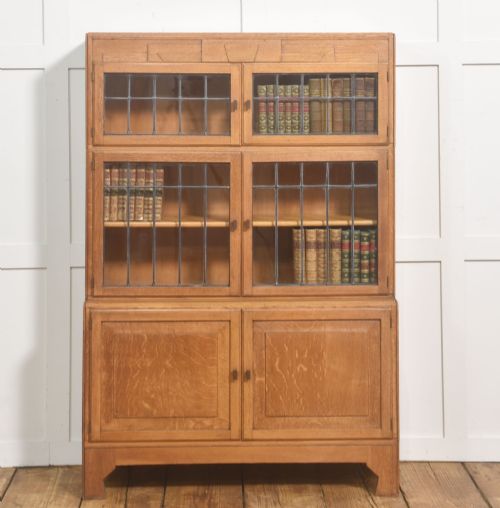
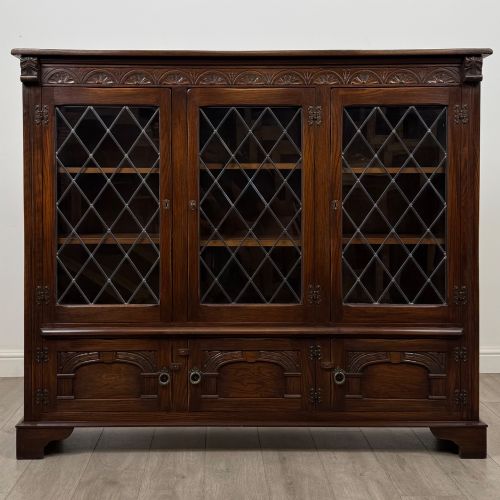
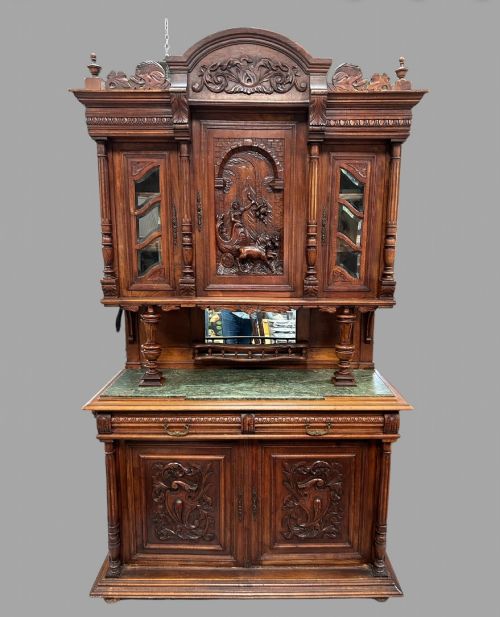
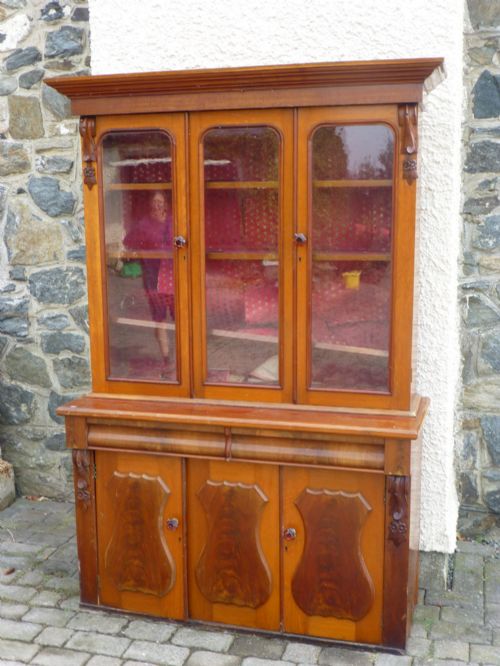
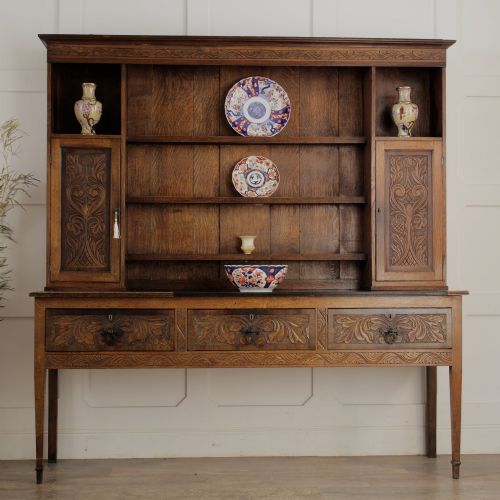
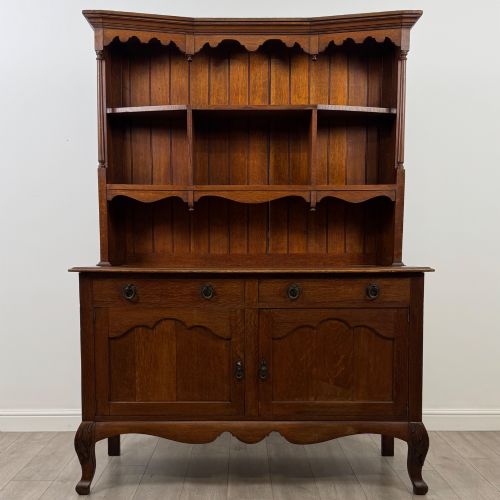
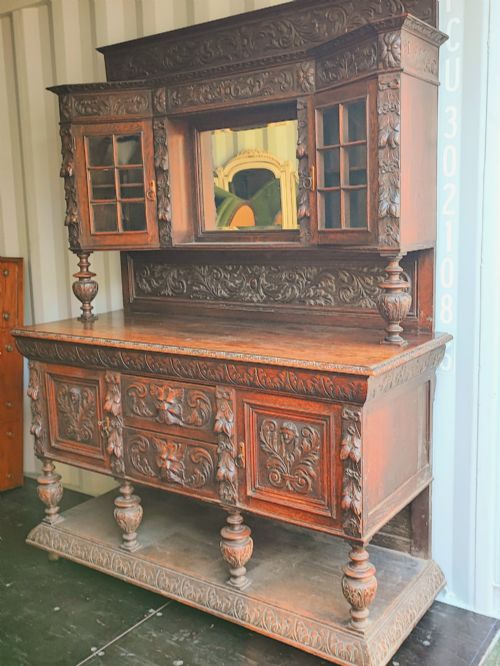
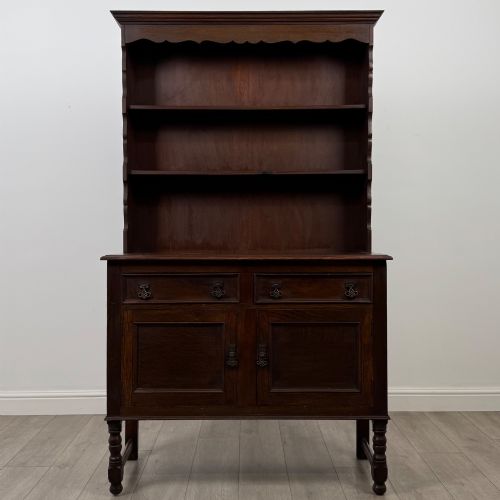
The examples on this page are most frequently Victorian, Edwardian or eighteenth century in origin. Forms range from tall Welsh dressers with plate racks to glazed bookcases, sideboards and two-part buffets.
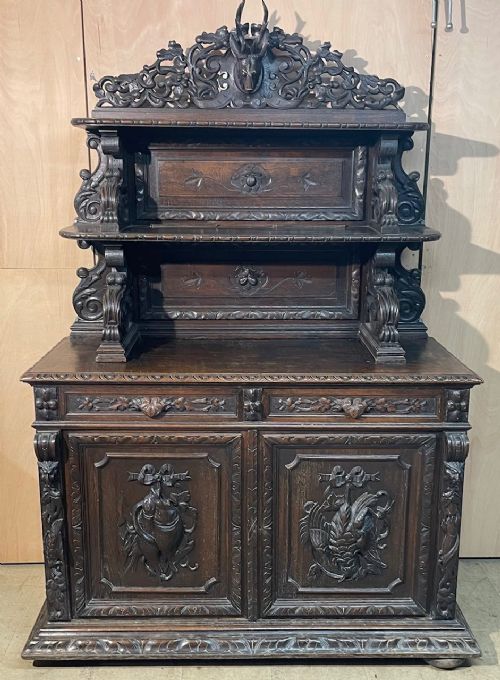
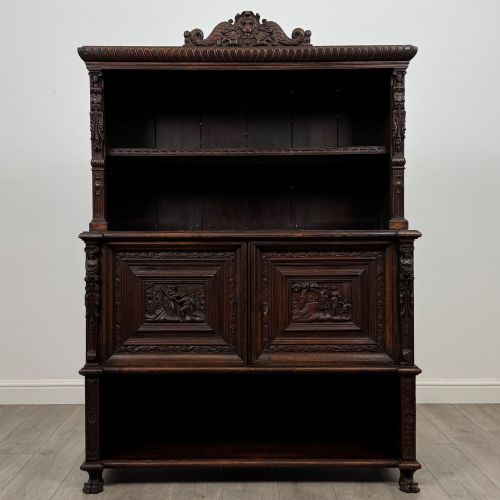
Regional variations appear regularly, including traditional Welsh formats and French provincial styles. Makers utilised local timber and vernacular traditions to build functional furniture that accommodated both utilitarian storage and formal display.
Craftsmanship and Proportion
Quality in an oak display dresser cabinet lies in the selection of the timber and the crispness of the joinery. Superior pieces show thoughtful grain matching, well-fitted drawers and original glass within the display doors.
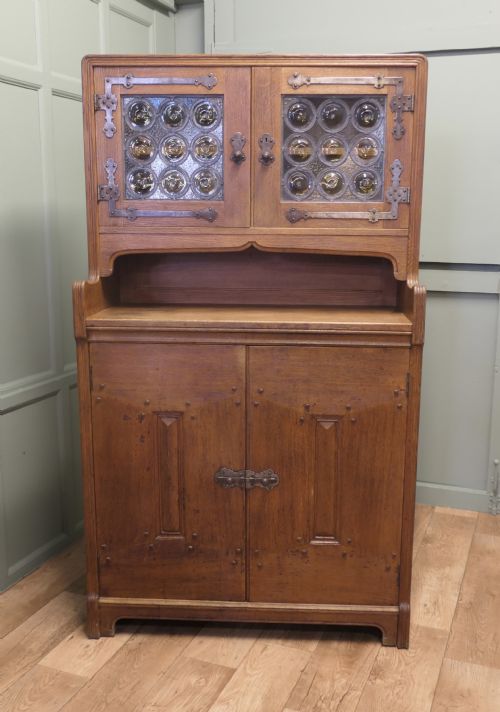
Proportion and decorative restraint separate standard workshop output from finer examples. Pieces designed by notable firms or featuring deliberate stylistic movements display a higher level of execution in both carving and hardware.
Several Victorian dressers feature hidden green man carvings peering out from beneath the bowfront drawers.
Liberty·Shapland and Petter·John Moyr Smith
The Oak Display Dresser Cabinet Glossary
- Welsh dresser
- A traditional kitchen or dining room piece comprising a lower base of cupboards and drawers surmounted by open plate shelves. This form evolved to display pewter and ceramic tableware.
- Buffet deux corps
- A substantial two-part French cabinet featuring a lower storage section beneath an upper display or shelving unit. These architectural pieces often utilise regional carved oak.
- Leaded glass
- Small panes of glass held together by strips of lead to form geometric or decorative patterns within cabinet doors. This technique is typical of Arts and Crafts and early twentieth-century design.
- Cwpwrdd Gwydr
- A Welsh term for a glazed cupboard, often used to describe regional Welsh oak furniture with glass-fronted doors for displaying porcelain.
- Breakfront
- A cabinet design where the central section projects forward from the flanking outer sections. This creates visual depth and architectural interest on larger sideboards and bookcases.
Oak Display Dresser Cabinet: Frequently Asked Questions
How do I clean an antique oak cabinet?
Dust the timber regularly with a soft, dry cloth to prevent dirt accumulation. Avoid modern silicone sprays, applying a traditional beeswax sparingly to nourish the oak surface.
Keep the cabinet away from direct heat sources and strong sunlight to prevent the timber from drying and splitting. Check the stability of brass hardware periodically without over-tightening screws.
How do I distinguish eighteenth-century oak from later revival pieces?
Examine the timber boards inside the cabinet and on the drawer linings for hand-tool marks and uneven thickness. Eighteenth-century pieces show construction methods consistent with vernacular workshop practices.
Revival pieces from the Victorian and Edwardian eras often feature machine-sawn timber and standardised fixings. Stylistic cues, such as heavy proportions or specific revival motifs, also indicate later nineteenth-century manufacture.
Can I use a dresser cabinet in a modern kitchen?
An oak display dresser provides practical storage for contemporary tableware, cookbooks and glassware. The deep base cupboards conceal everyday items while the upper glazing showcases ceramics.
Ensure the room humidity remains relatively stable to protect older timber and glued joints. Measure ceiling height carefully before purchasing taller two-part dressers.