






Victorian Credenza on Stand
These Victorian credenza on stand pieces combine cabinetmaking with elevated display, offering structured storage and period character for the home.
Victorian Credenza on Stand
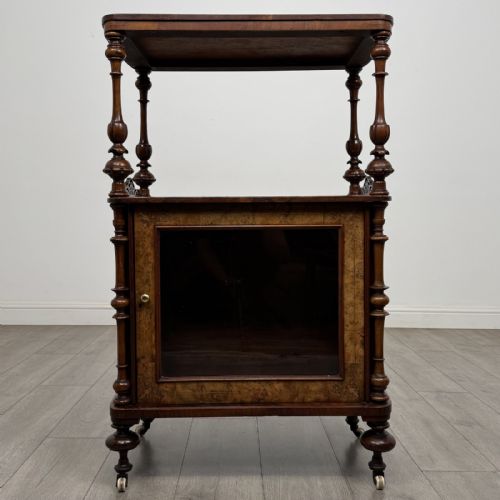
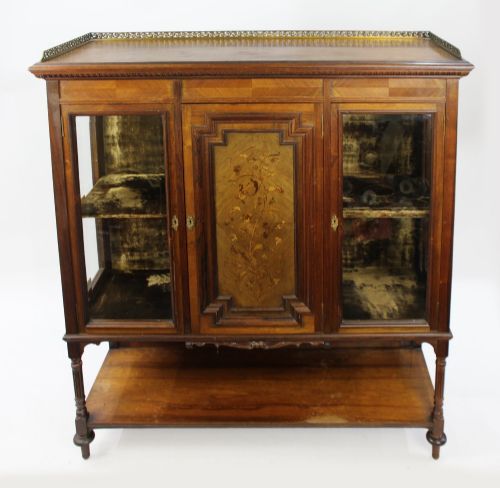
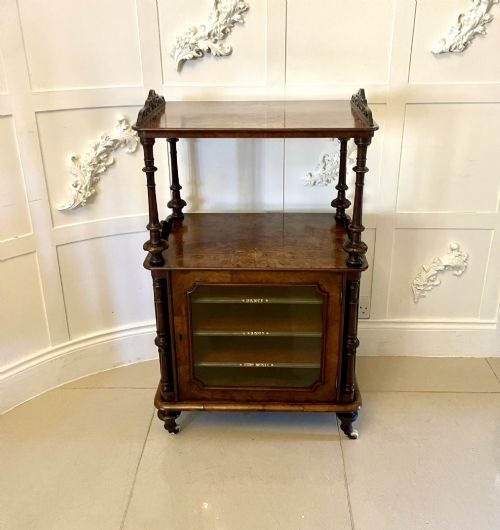
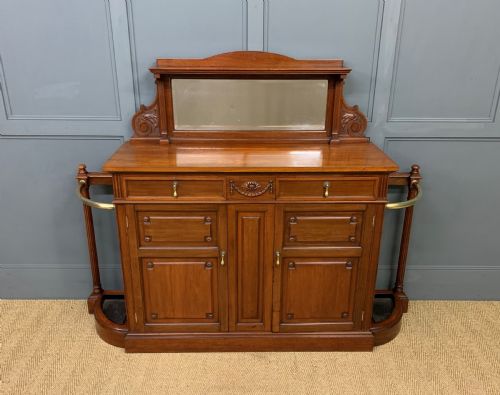
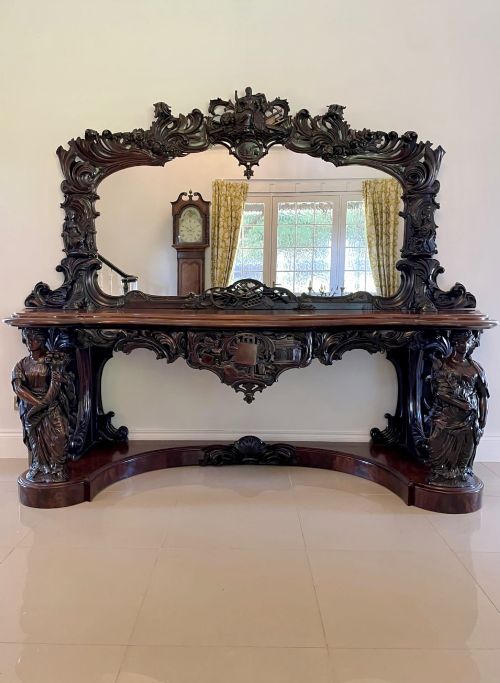
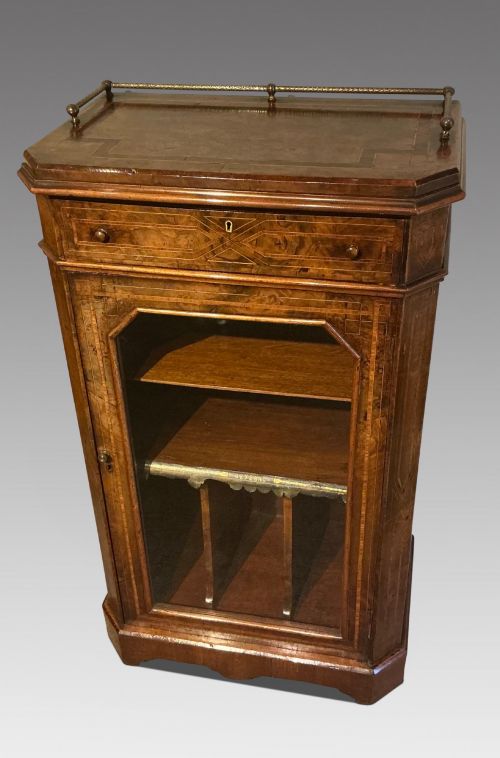
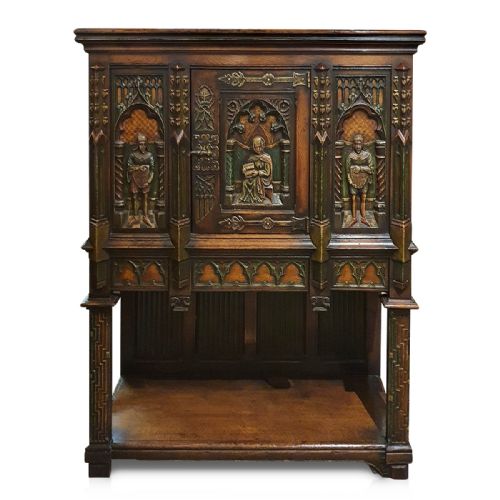
When you search for a Victorian credenza on stand, you encounter pieces designed for nineteenth-century domestic interiors that blend display and cabinetry. The selection includes cabinets, side cabinets, and architectural cupboards on raised supports or stands, reflecting the diverse cabinet forms of the period.
The pieces appearing on this page span the nineteenth century, including specific dates from eighteen-sixty to eighteen-ninetynine. You will find styles ranging from Gothic Revival and Sheraton Revival to Victorian Rococo Revival and Anglo-Indian designs.
Makers and designers represented in the wider cabinet tradition include Gillows, Shoolbred and Company, Collinson and Lock, Edwards and Roberts, and Bruce Talbert. These makers shaped the aesthetic vocabulary of the era through distinct regional workshops and exhibition pieces.
Materials and construction
Makers utilised a rich palette of timbers including burr walnut, walnut, rosewood, oak, mahogany, satinwood, teak, and black walnut. These woods were chosen for their grain patterns and structural durability.
Decoration involved intricate marquetry inlay, carving, and the integration of brass hardware, mirror glass, and clear glass panels. Stands and bases elevate the main cabinet body, supported by turned or carved legs characteristic of nineteenth-century joinery.
Victorian Credenza on Stand Retail Price Guide 2026
Typical asking prices for victorian credenza on stand among the pieces listed under this phrase on Sellingantiques today, from the lower quarter to the upper quarter. They describe what is for sale here now, not the wider market.
The documented periods span from eighteen-sixty through eighteen-ninety, covering Gothic Revival, Sheraton Revival, and Aesthetic movement pieces.
Judging quality in nineteenth-century cabinets
Quality rests in the precision of the cabinetmaker's joinery, the selection of figured veneers such as burr walnut or satinwood, and the crispness of the carved details. The integration of the stand with the upper cabinet requires balanced proportion and robust structural integrity.
Attribution to known makers or documented workshops elevates a piece, as does the complexity of marquetry inlay and the retention of original glass and brass fittings. Exhibition-level items display a higher degree of hand-finishing and specialised ornamentation.
Shoolbred & Co.·Collinson & Lock·Gillows·Edwards and Roberts·Bruce Talbert
The Victorian Credenza on Stand Glossary
- Burr walnut
- A highly figured timber harvested from walnut tree growths, prized for its swirling grain patterns. It was frequently used for veneering high-status Victorian cabinet doors and panels.
- Marquetry
- The art of applying decorative pieces of veneer to a structure to form intricate pictorial designs. Craftsmen utilised various tinted woods to achieve contrasting tones.
- Gothic Revival
- An architectural and decorative style drawing inspiration from medieval forms. Pieces in this mode feature pointed arches, tracery, and robust oak construction.
- Credenza
- A low cabinet or sideboard, historically used for displaying plate or serving food. In the nineteenth century, it evolved into a glazed display piece for the parlour.
- Satinwood
- A durable, lustrous timber native to India and Sri Lanka, producing a yellowish sheen. It served as a primary wood or contrasting inlay material in fine furniture.
Victorian Credenza on Stand: Frequently Asked Questions
What is a Victorian credenza on stand?
A Victorian credenza on stand is a raised cabinet or display piece from the nineteenth century, designed to hold and exhibit household objects.
These pieces combine enclosed storage with elevated platforms or legs, reflecting the varied revival styles popular during the period.
How were these cabinets used?
Original nineteenth-century interiors utilised these cabinets in parlours and drawing rooms for displaying ceramics, glassware, and decorative books.
The enclosed lower sections provided functional storage for household linens or documents, while glass doors protected delicate display items.
What timbers are most common?
Walnut and burr walnut dominate the surviving examples, alongside oak, rosewood, mahogany, and satinwood.
Makers selected these hardwoods for their durability and capacity to receive elaborate carving, marquetry inlay, and French polished finishes.
How do I identify different styles?
Styles range from the medieval motifs of Gothic Revival to the refined classical lines of Sheraton Revival and the rich veneers of Victorian Rococo.
Examining the carved details, leg forms, and inlay patterns reveals the specific design movement influencing the maker.
Where should I place one at home?
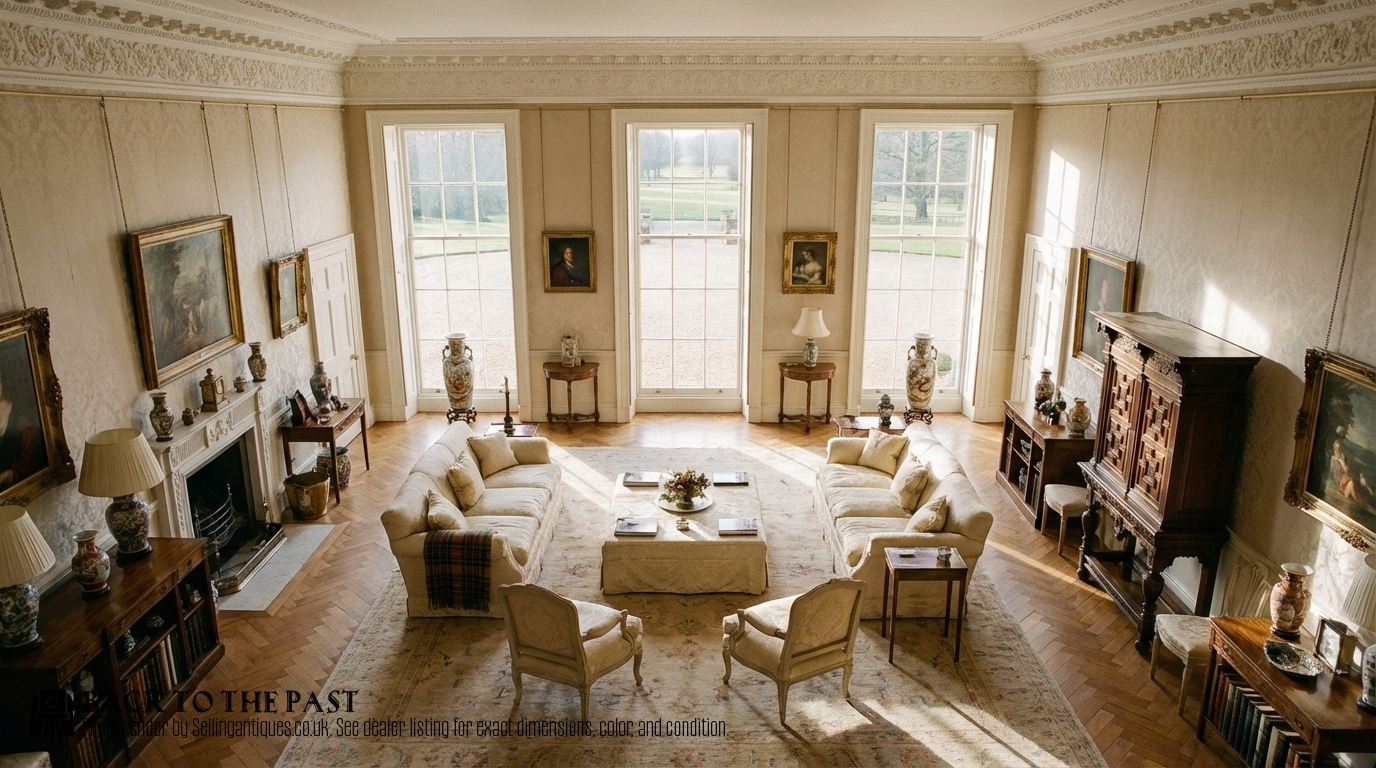
These cabinets suit living rooms, dining rooms, and hallways where their height and raised stands can be appreciated without overcrowding the floor plan.
They function effectively as focal points against plain walls, allowing the figured timber and glass panels to stand out.