





Arts and Crafts Accent Furniture
These arts and crafts accent furniture pieces bring hand-wrought timber and utilitarian design to modern interiors.
Arts and Crafts Accent Furniture
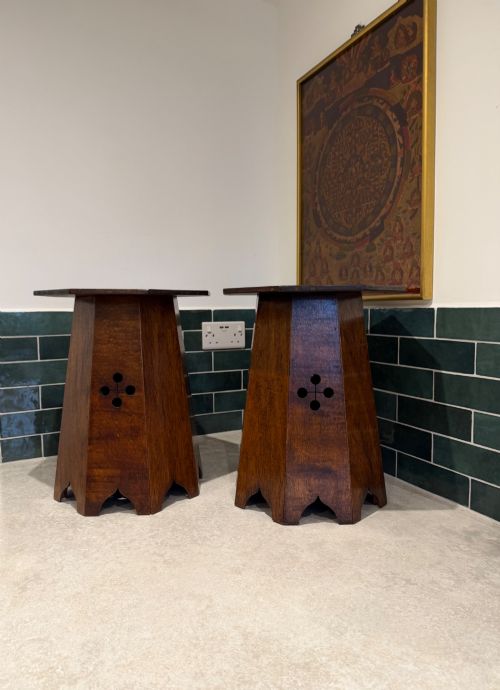
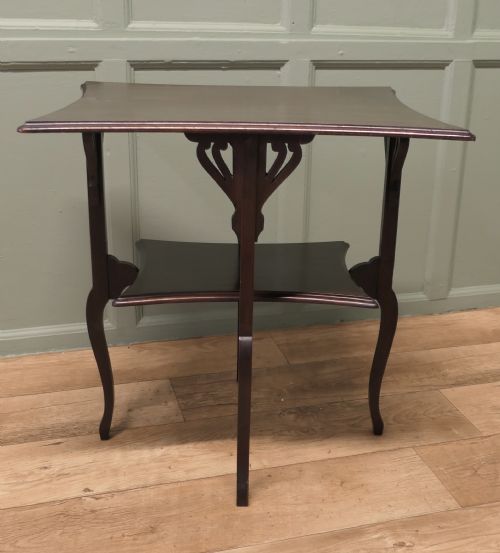
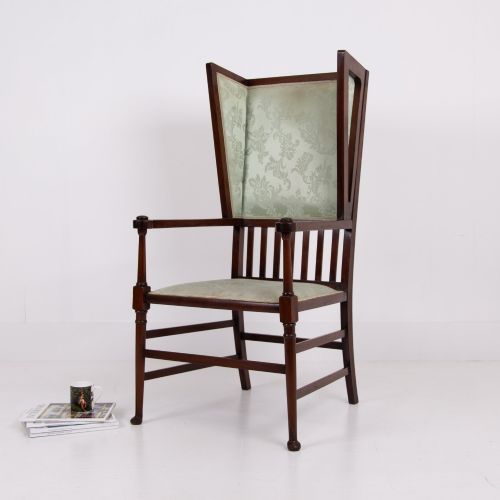
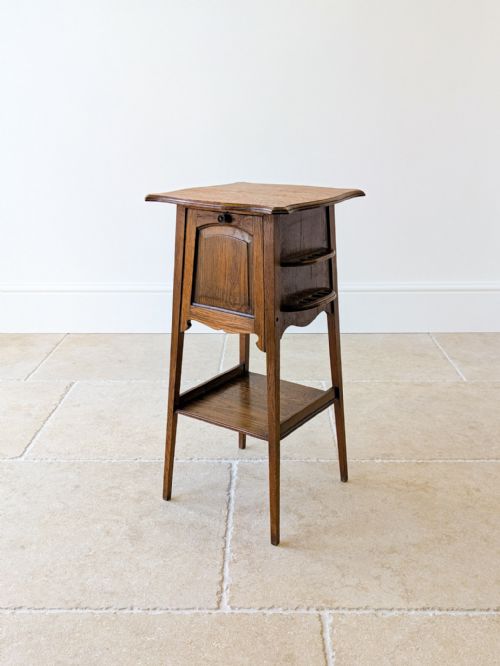
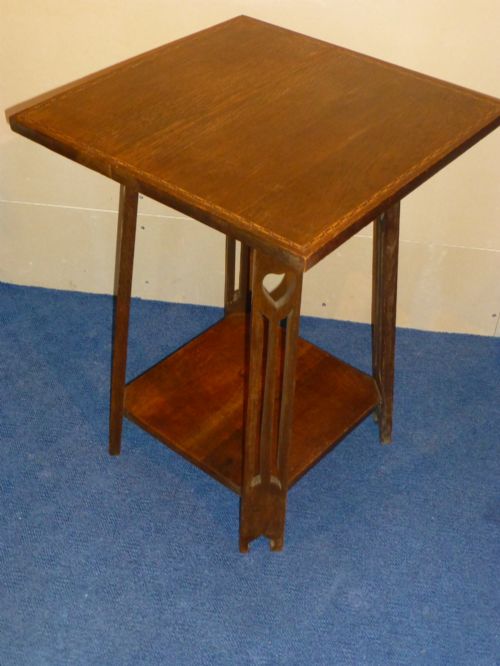
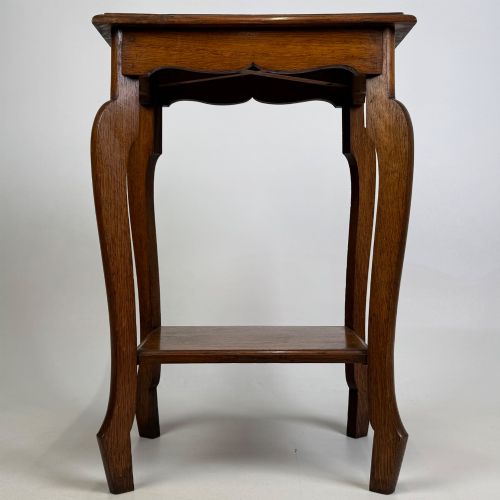
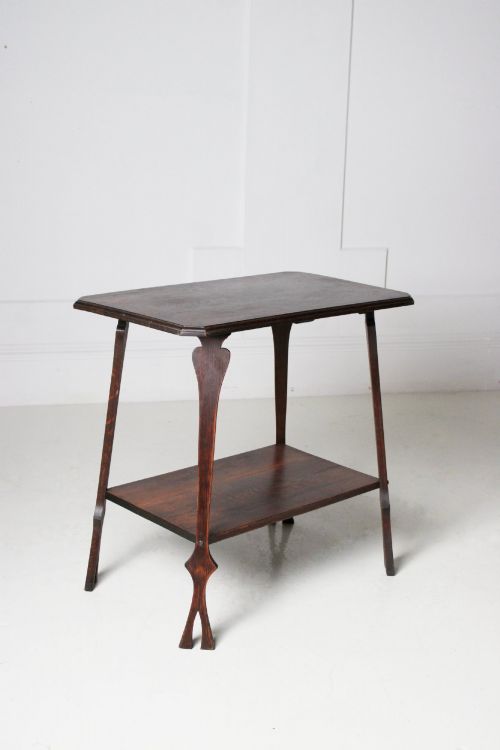
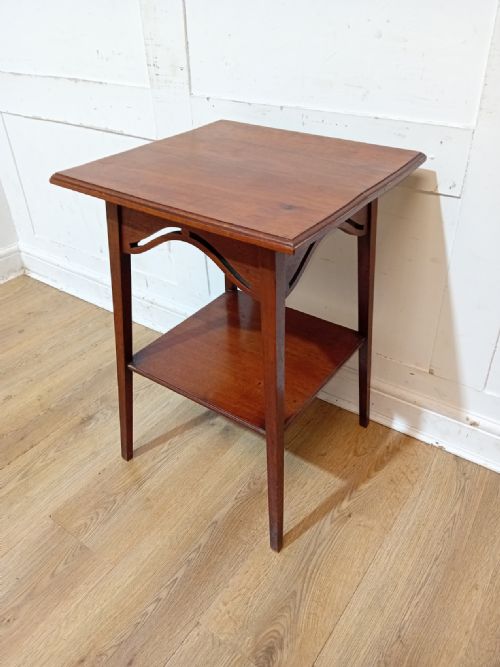
When you examine arts and crafts accent furniture, you encounter items designed to combine simple utility with handcrafted character, originating mostly around the turn of the twentieth century. These smaller furnishings include side tables, occasional tables, armchairs, plant stands, and storage cupboards that reflect the movement's rejection of mass production.
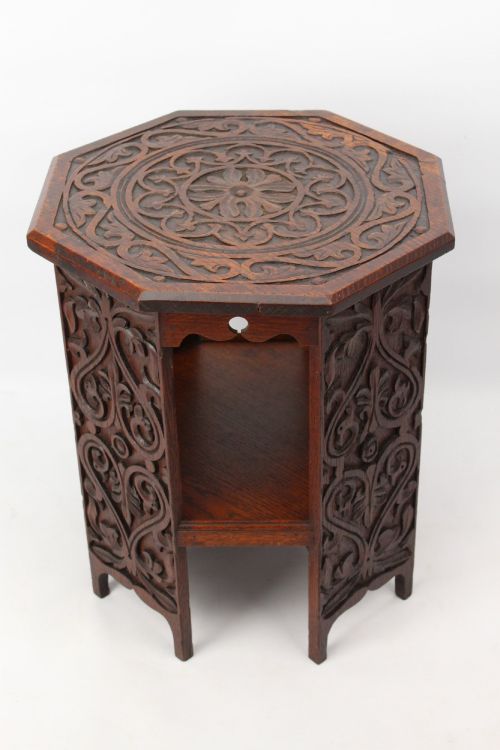
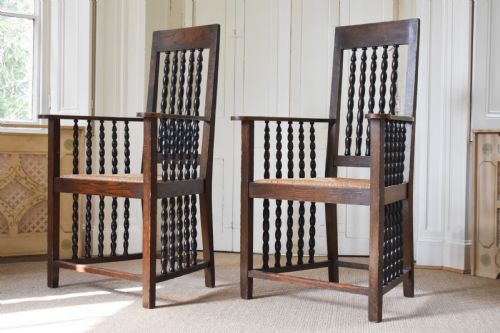
You are most likely to meet oak occasional tables and rush-seated armchairs on this page, reflecting the heavy reliance on sturdy domestic timber and woven seats during the Edwardian period and the late nineteenth century. Forms range from copper-topped cricket tables and octagonal side tables to low chairs and gossip seats associated with regional makers.
Materials and construction
Makers relied principally on solid oak, walnut, beech, and mahogany, often combining the timber with metalwork details such as beaten copper tops, brass fixtures, and decorative inlays. Frames frequently display visible joinery, bobbin turning, or structural elements like rush seating and quatrefoil leather panels.
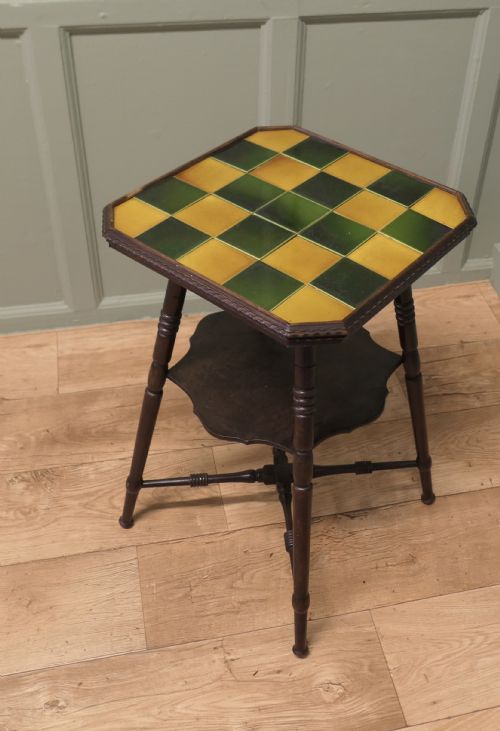
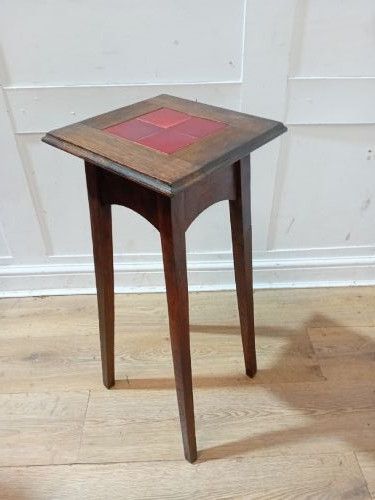
The construction prioritised functional integrity, using straightforward joinery methods that exposed the natural grain of the wood. Upholstered elements and adjustable mechanisms appear in seating, while auxiliary surfaces integrate ceramic tiles or painted decoration in the Pre-Raphaelite style.
Arts and Crafts Accent Furniture Retail Price Guide 2026
Typical asking prices for arts and crafts accent furniture among the pieces listed under this phrase on Sellingantiques today, from the lower quarter to the upper quarter. They describe what is for sale here now, not the wider market.
Listings feature periods spanning from the 1880s through the 1930s, alongside Edwardian production.
Distinctions in craftsmanship
Quality in these pieces rests upon the integrity of the timber selection and the precision of the hand-finishing, distinguishing standard workshop production from output associated with notable retail houses or specific designers. Superior examples exhibit deliberate thought in proportion, grain alignment, and integrated metalwork rather than mere adherence to a rustic formula.
The refinement of the carving, the tightness of the joinery, and the authenticity of ancillary materials like hand-beaten copper or original rush seating elevate certain items above routine domestic wares. Pieces retaining documented connections to known retail firms or regional vernacular traditions demonstrate a higher tier of design ambition.
Shapland and Petter·Liberty and Co·Morris and Co·William Birch·Wheeler of Arncroach
The Arts and Crafts Accent Furniture Glossary
- Occasional table
- A small, movable table designed for specific, intermittent use rather than central placement in a room. These versatile surfaces appear frequently in oak or mahogany.
- Rush
- Dried marsh grass woven to form seats for chairs and stools. This traditional seating material provides a textured, pliable surface.
- Jardiniere stand
- A tall piece of furniture designed to hold a plant pot or floral display. These stands often feature compact tops and sturdy vertical supports.
- Bobbin turned
- Furniture legs and stretchers shaped on a lathe to resemble a string of rounded bobbins or spools. This decorative turning style adds rhythmic detail to chair frames.
- Cricket table
- A small, three-legged table with a round top, traditionally balanced for uneven floors. Versions in this category frequently incorporate copper tops or octagonal formats.
Arts and Crafts Accent Furniture: Frequently Asked Questions
What defines arts and crafts furniture?
These pieces originate from a design movement that prioritised honest construction, visible hand craftsmanship, and simple forms over ornate industrial decoration. The aesthetic values utility and the natural qualities of materials like oak and copper.
Items span various household forms, including occasional tables, armchairs, and plant stands produced from the late nineteenth century through the early decades of the twentieth century.
How do I identify a Liberty and Co piece?
Pieces associated with this retailer often carry specific design traits such as chequered inlay, Anglo-Moresque motifs, or distinct catalogued forms like Thebes stools. Attribution usually relies on stylistic markers or recorded workshop practices.
Many examples reflect collaborations with prominent designers and craftsmen of the period, distinguishing standard commercial items from retailing house productions.
Where were gossip chairs used?
These specialised seating forms were designed for casual conversation or telephone use in hallways and sitting rooms during the Edwardian era. Their compact frames often incorporate attached side tables or writing surfaces.
Regional variations, such as those from Scottish vernacular traditions, demonstrate local interpretations of comfortable domestic seating.
How do I care for antique oak furniture?
Maintain these timber surfaces by avoiding direct sunlight and excessive temperature fluctuations that can dry out the wood. Regular dusting with a soft, dry cloth preserves the natural finish without building up heavy chemical residues.
Treat woven rush seats gently, keeping them dry and supporting the underlying frame to prevent tension fractures in the natural fibres.