
Art Pottery Vessel
An art pottery vessel brings together organic form and tactile glaze, offering a distinct focal point for a room through individual studio experimentation.
Art Pottery Vessel
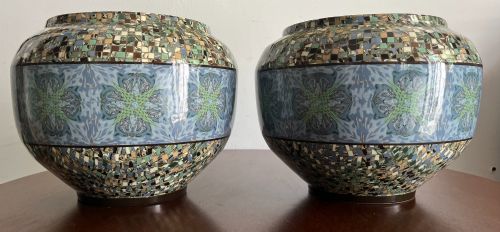
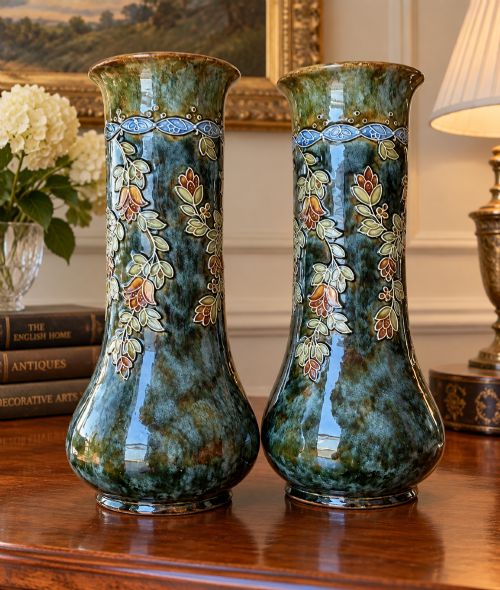
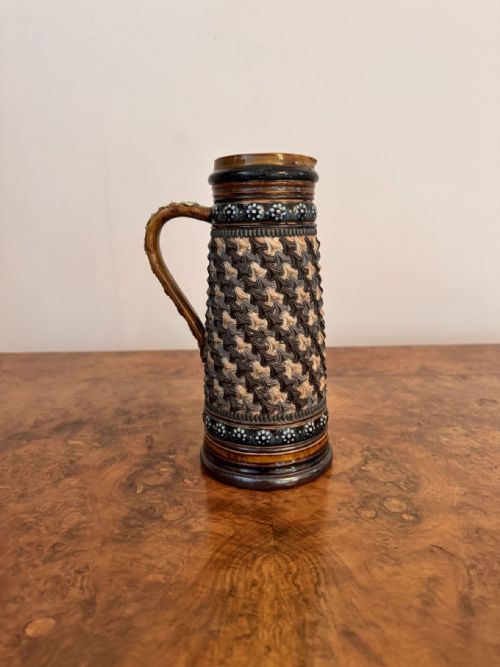
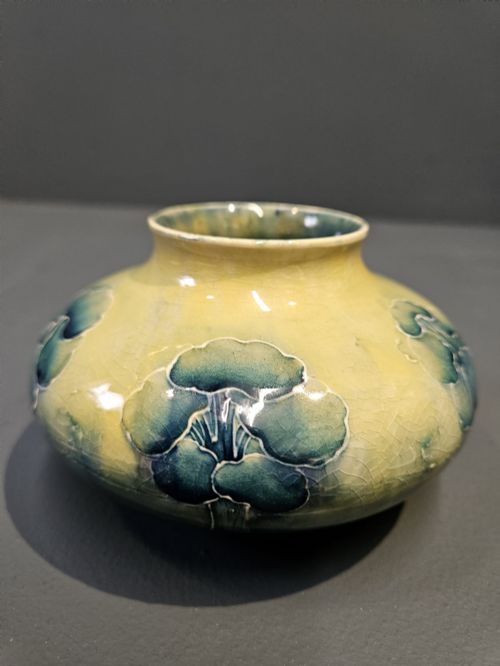
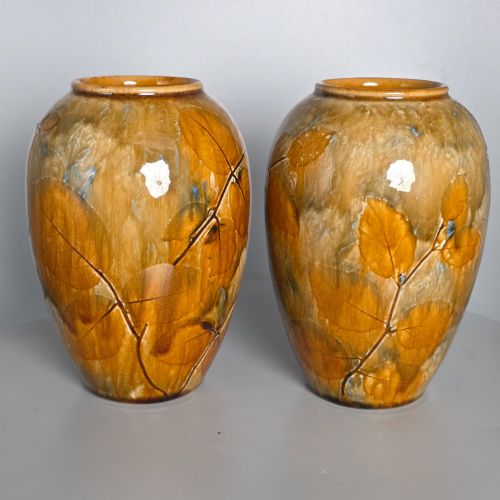
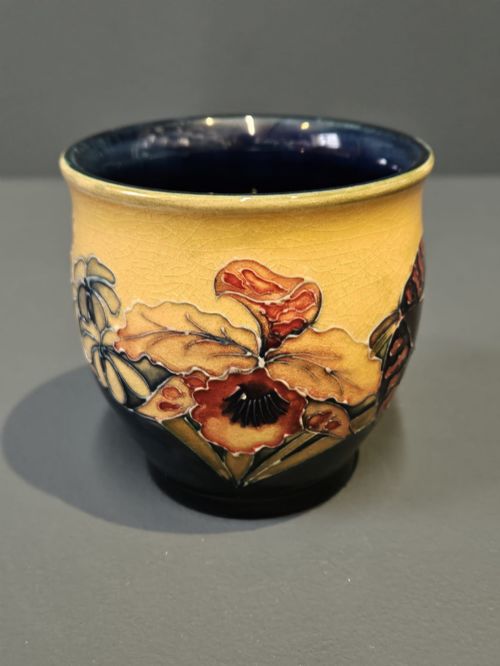
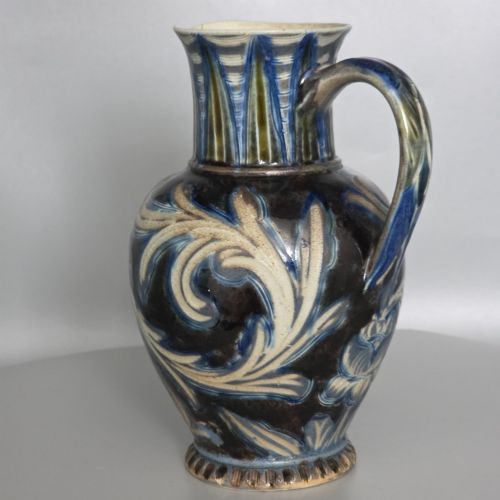
When searching for an art pottery vessel, a buyer encounters a diverse range of decorative items, including vases, jugs, pitchers, and jardiniere bowls. These pieces emerge from late nineteenth-century and early twentieth-century design movements, spanning the Victorian era through the Art Nouveau and Art Deco periods.
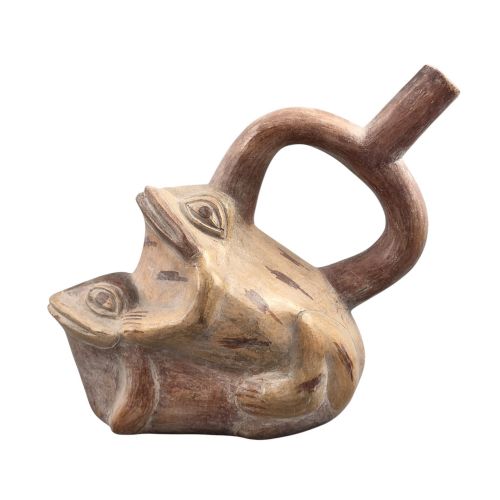
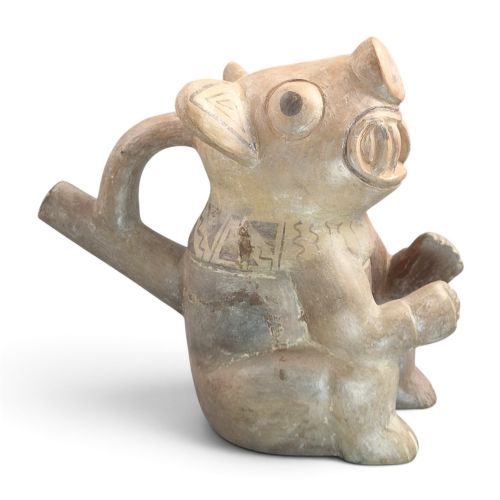
The selections available here lean heavily toward British and European production, alongside specific Japanese and Pre-Columbian examples. Stoneware and earthenware forms dominate the inventory, often displaying distinct regional glazing techniques and hand-painted or tube-lined surface patterns.
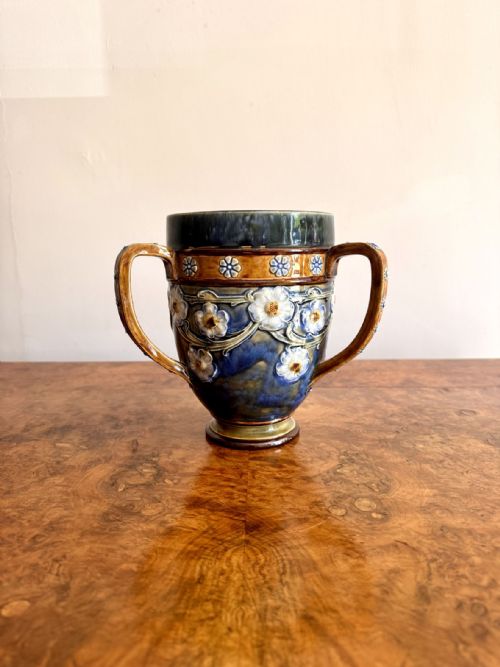
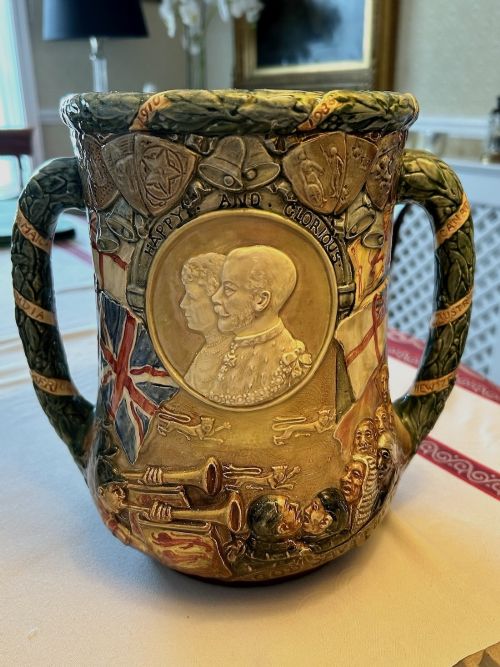
Collectors frequently meet utilitarian shapes transformed into decorative statements, such as loving cups, ewers, and brush washers. These items reflect the transition from industrial ceramic production to artistic studio pottery driven by distinct makers.
How They Were Made
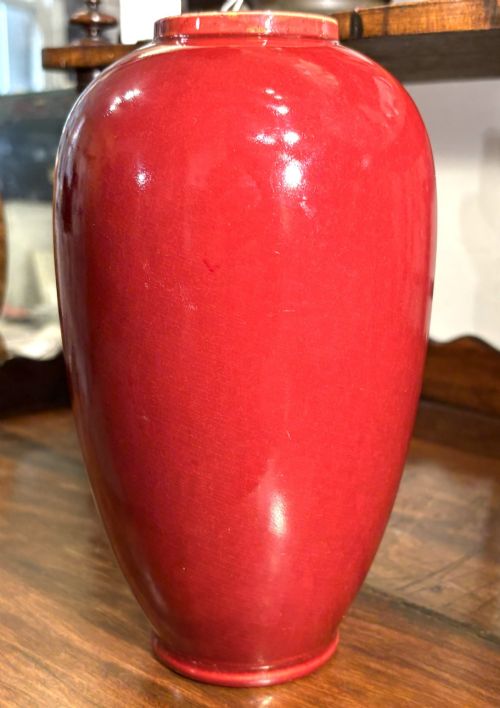
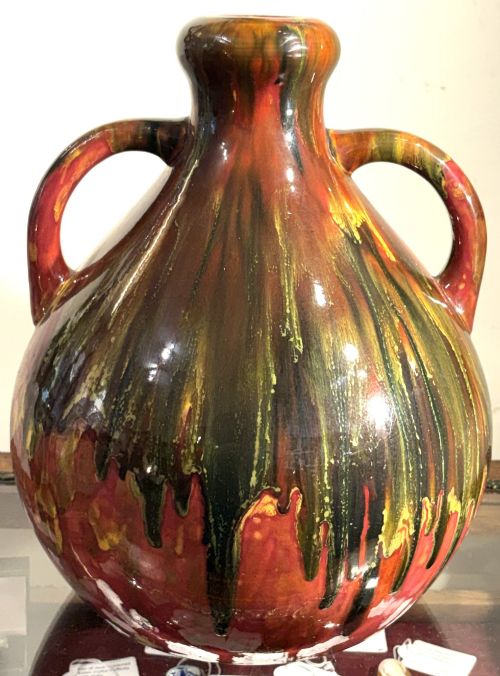
Potters shaped these vessels primarily from stoneware, earthenware, and porcelain bodies, utilising throwing techniques on a wheel or moulding intricate sculptural forms by hand. Artisans then applied complex glazes, ranging from reactive iron rust to lustrous enamels and fluid flambé finishes.
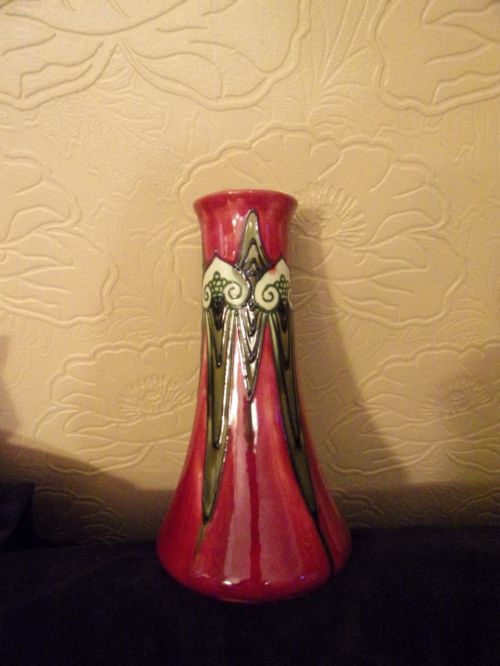
Surface decoration frequently involved tube-lining, where liquid clay creates raised outlines to hold vibrant enamels, or incised carving directly into the damp clay body. Certain workshops added applied elements such as jewelled cabochons, gold leaf, or copper effects before high-temperature firing.
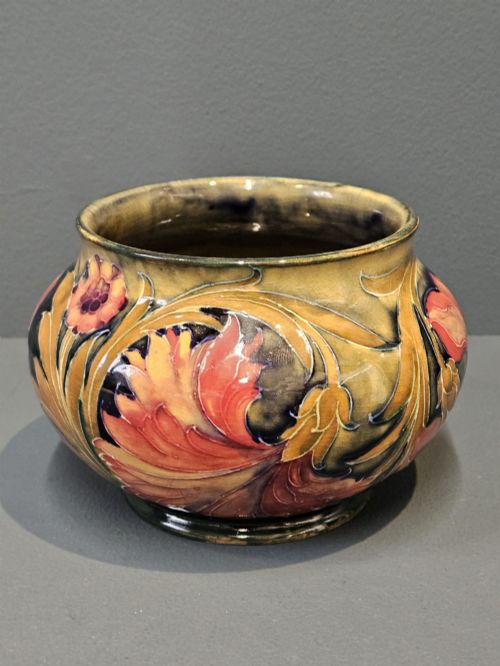
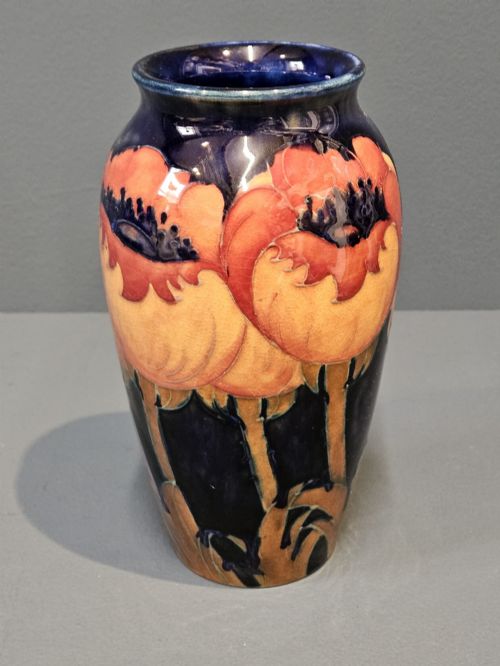
Listings feature stoneware and earthenware vessels decorated with Art Nouveau, Arts and Crafts, and Art Deco styles.
What Varies in Quality
Quality rests upon the ambition of the design and the technical mastery required to achieve complex glazes and surface decoration. Pieces displaying sharp, clean tube-lining and purposeful hand-painting stand apart from routine commercial output.
The involvement of named artists and established ceramic studios elevates the standing of a vessel. Successful integration of form, glaze depth, and distinctive stylistic markers defines the upper tier of these works.
Royal Doulton·Moorcroft·Burmantofts·Doulton Lambeth·Minton Secessionist·Boch Freres·Bretby Pottery·Sumida Gawa·Wedgwood·Makuzu Kozan·Mettlach Pottery
The Art Pottery Vessel Glossary
- Stoneware
- A robust, vitrified ceramic pottery fired at high temperatures until non-porous. It provides a durable body well suited for heavy glazes and deep incised decoration.
- Tube-lining
- A decorative technique using a fine nozzle to squeeze slip onto a clay surface in raised lines. These ridges form cells that hold coloured glazes during firing.
- Faience
- Tin-glazed earthenware decorated with opaque metallic glazes. It offers a smooth surface for hand-painted botanical or figurative motifs.
- Jardiniere
- A large ornamental pot designed to hold a live plant or floral arrangement. These vessels often feature prominent handles or sculptural relief panels.
- Flambé
- A variegated glaze effect produced by reduction firing of metallic oxides. It yields unpredictable, swirling patterns of crimson, purple, and lavender.
Art Pottery Vessel: Frequently Asked Questions
How do I identify art pottery?
Art pottery is identified by distinctive studio marks, artist monograms, and registration numbers impressed or painted on the base. The emphasis shifts from mass production to unique artistic expression through specialised glazes and hand-modeled or tube-lined decoration.
Many pieces reflect specific movements like Art Nouveau or Arts and Crafts, utilising naturalistic forms, organic motifs, and tactile surfaces that separate them from standard domestic tableware.
How were these vessels used?
While many pieces functioned as decorative vases, jardiniere bowls, or ewers for floral displays, others served specific ritual or domestic purposes. Items such as loving cups, brush washers, and pitchers combined practical utility with high artistic ambition.
Owners typically displayed these vessels on mantelpieces, pedestals, or tabletops where their glazes and sculptural profiles could catch the light within a furnished interior.
What is Doulton Lambeth?
Doulton Lambeth represents the pioneering art pottery studio of Royal Doulton based in London during the late nineteenth and early twentieth centuries. The workshop employed celebrated artists who decorated stoneware bodies using incised carving, pate-sur-pate, and slip decoration.
Pieces from this studio are recognised by distinct impressed factory marks alongside the personal monograms of master decorators like Florence Barlow, Eliza Simmance, or Hannah Barlow.
How do I care for art pottery?
Art pottery requires gentle maintenance, primarily consisting of dusting with a soft, dry cloth to protect fragile glazes and historical surfaces. These ceramic and stoneware bodies should avoid harsh chemical cleaners, immersion in water, and placement in direct sunlight.
Displaying vessels on stable, level surfaces away from heavy foot traffic ensures that handles, sculptural figures, and delicate earthenware bodies remain secure.