

Art Nouveau Table Silver
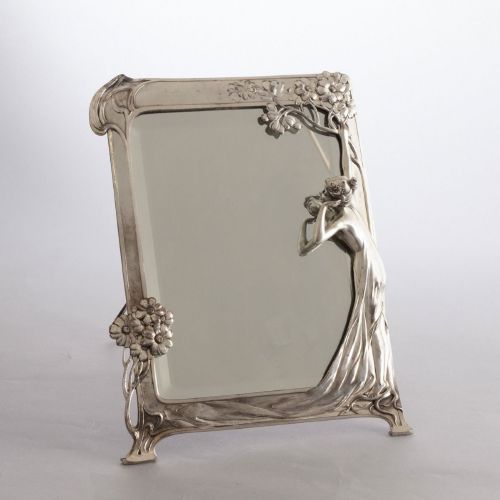
Art nouveau table silver brings flowing botanical lines and maiden motifs to dining rooms and dressing tables through sterling silver, pewter, and glass.
Art Nouveau Table Silver
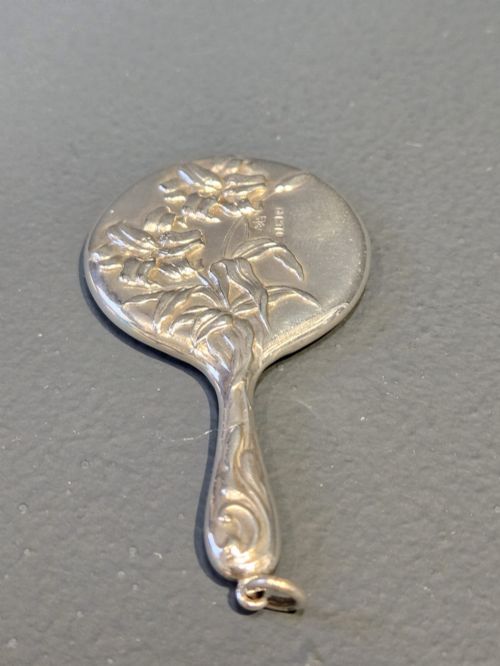
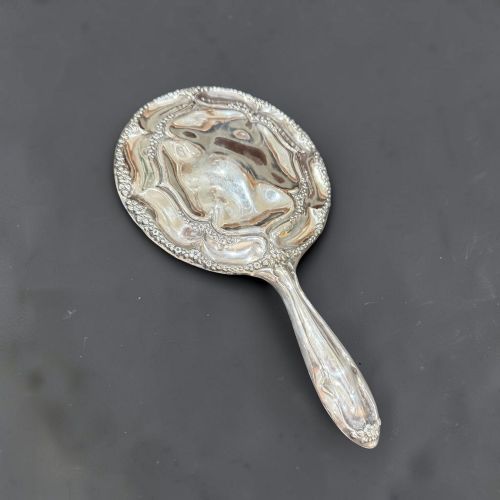
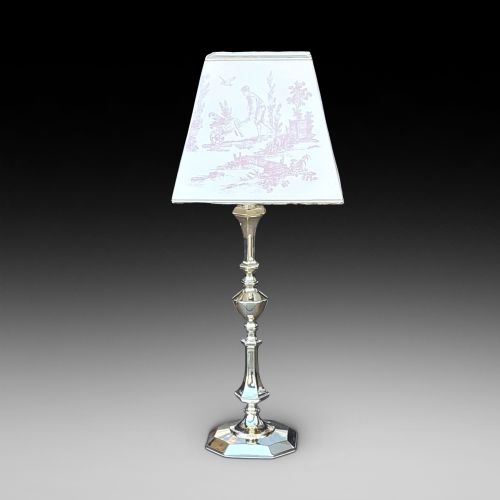
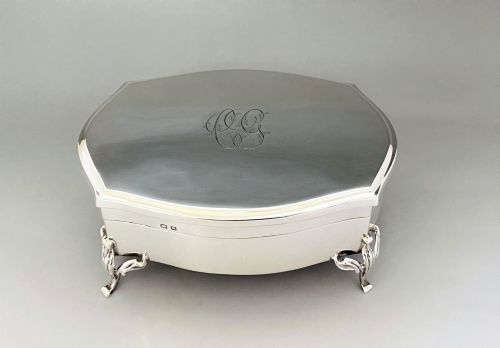
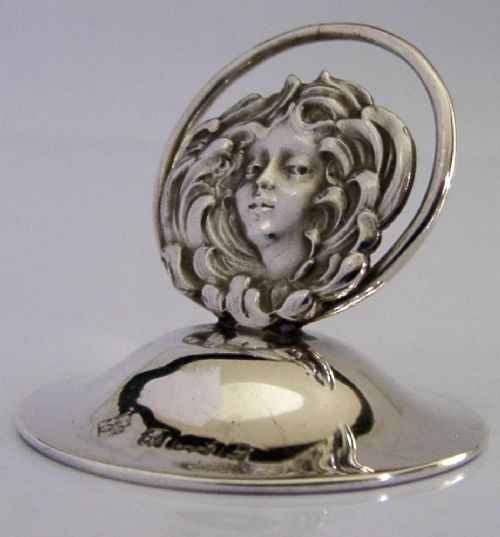
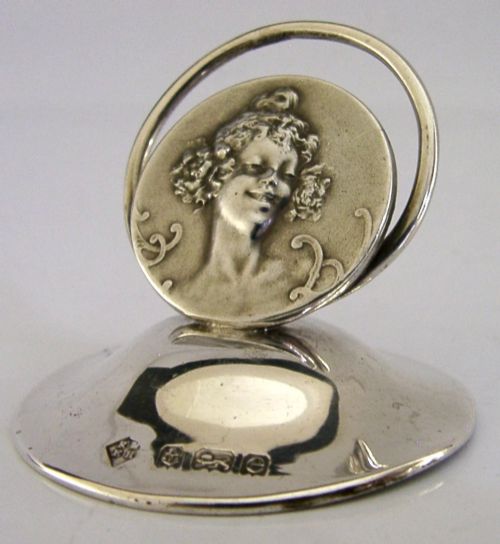
Art nouveau table silver encompasses functional decorative objects designed around the turn of the twentieth century, bridging the Victorian era and the Edwardian period. The selection here leans towards dressing table accessories, menu holders, centrepieces, and small clocks that display organic, flowing motifs.
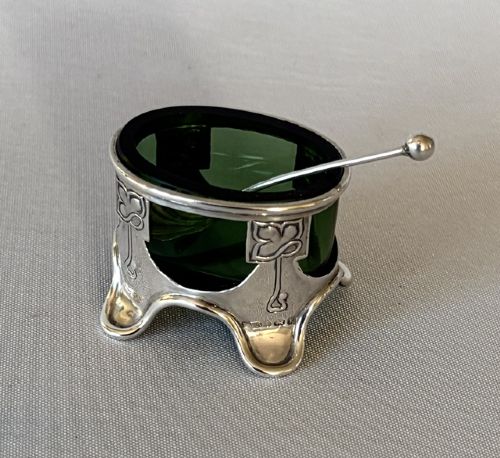
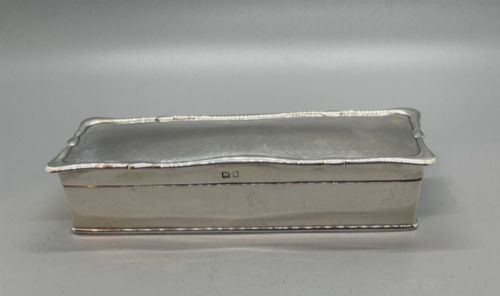
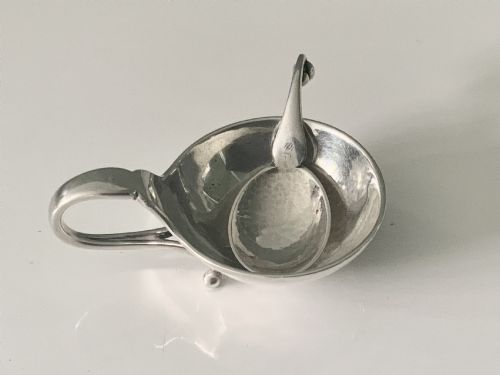
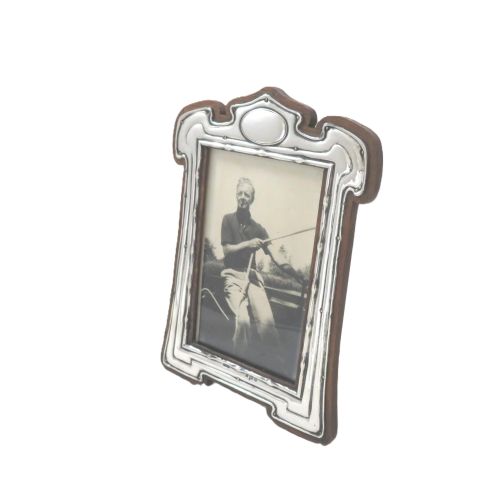
Makers utilised sterling silver and silver plate alongside pewter, glass, and enamel to create items like salt tubs, photo frames, and trinket boxes. These pieces reflect the international spread of the style, appearing under regional names such as Jugendstil and incorporating adjacent Arts and Crafts aesthetics.
Materials and construction
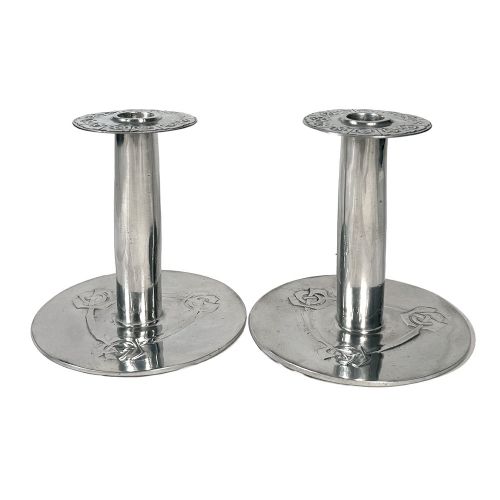
Metals form the core of these items, with sterling silver and silver plate providing reflective surfaces for chased and pierced ornamentation. Pewter serves as a primary medium for cast vessels and clocks, often paired with green glass or abalone inlay.
Art Nouveau Table Silver Retail Price Guide 2026
Typical asking prices for art nouveau table silver among the pieces listed under this phrase on Sellingantiques today, from the lower quarter to the upper quarter. They describe what is for sale here now, not the wider market.
Listings feature items spanning from the Victorian era through the nineteen thirties, with a strong concentration around nineteen hundred.
Assessing craftsmanship
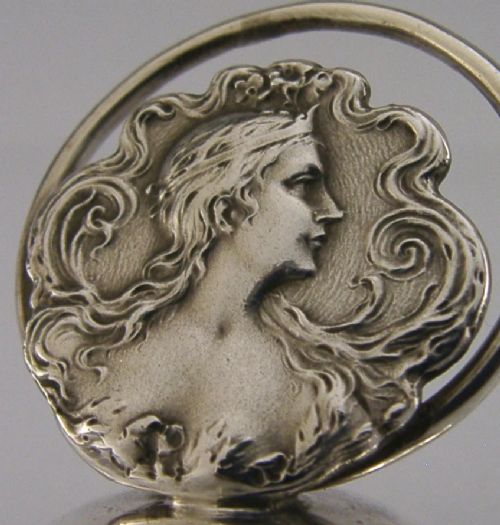
Quality rests in the crispness of the cast or hand-wrought botanical relief and the integration of mixed materials like glass and metal. Well-executed pieces maintain proportional harmony between the organic ornamentation and the functional vessel.
Maker attribution and firm stamps elevate certain pewter and silver items, distinguishing standard production runs from distinguished workshop designs. The integrity of original glass inserts and the preservation of delicate pierced work further differentiate examples.
Archibald Knox for Liberty and Co·Georg Jensen·William Hutton·Friedrich Adler for Osiris·Georg Adam Scheid
The Art Nouveau Table Silver Glossary
- Sterling silver
- An alloy containing ninety-two point five percent silver by mass, standard for quality table items.
- Tudric pewter
- A trade name used by Liberty and Co for high-quality pewterware designed by artists like Archibald Knox.
- Jugendstil
- The continental German-language variant of the art nouveau style, sharing identical organic motifs.
- Epergne
- A large ornamental centrepiece featuring multiple branching dishes or vases for fruit and flowers.
- Bon bon dish
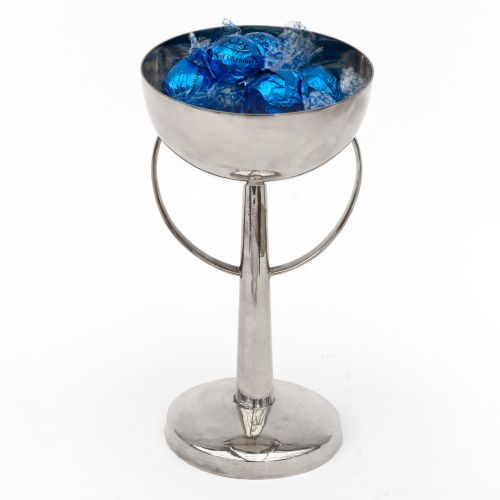
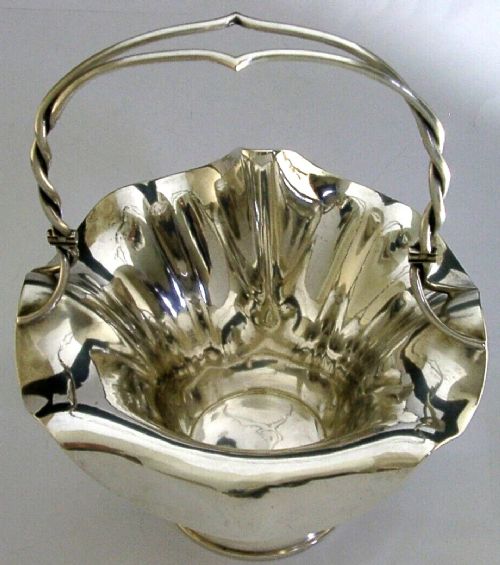
- A small open bowl designed specifically for holding small sweets or confectionery on a table.
Art Nouveau Table Silver: Frequently Asked Questions
How do I date art nouveau table silver?
Dating relies on hallmarks stamped into sterling silver pieces, which indicate the assay office and year of production. Stylistic markers and maker marks on pewter or plated items also help narrow the manufacturing window.
Most pieces originate from the period between eighteen ninety and nineteen ten, when the style reached its peak popularity across Europe.
What is the difference between sterling and plate?
Sterling silver consists of solid precious metal throughout the object, governed by strict purity standards and official hallmarking. Silver plate involves a thin layer of silver applied over a base metal foundation like brass or copper.
Heavier items often utilise plating to achieve large decorative forms without the prohibitive cost and weight of solid silver.
How were these items used originally?
Many pieces served specific domestic functions in upper-middle-class dining rooms and bedrooms during the Edwardian era. Menu holders, salt cellars, and centrepieces structured the formal dinner table.
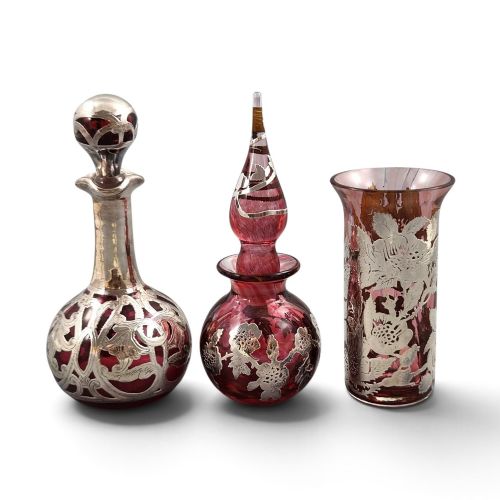
Dressing table items such as mirrors, trinket boxes, and perfume bottles organised personal grooming spaces.
How do I care for pewter items?
Pewter requires gentle cleaning with warm soapy water and a soft cloth to preserve the surface finish. Aggressive metal polishes can strip away the historic patination valued by collectors.
Keeping pieces dry prevents oxidation and staining on both the metal and any inset glass or enamel elements.