


Art Nouveau Pearl Necklace
An art nouveau pearl necklace brings fluid organic curves and lustrous gems together from the turn of the twentieth century.

Art Nouveau Pearl Necklace
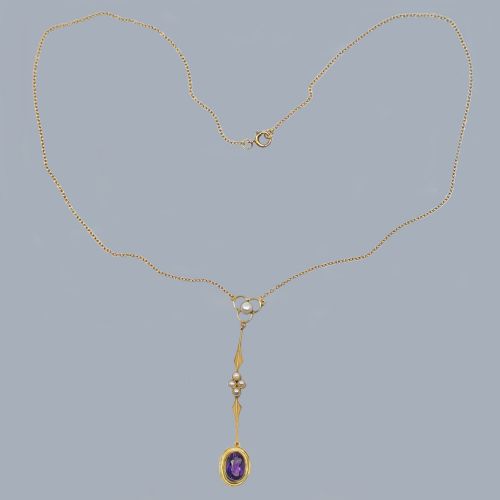
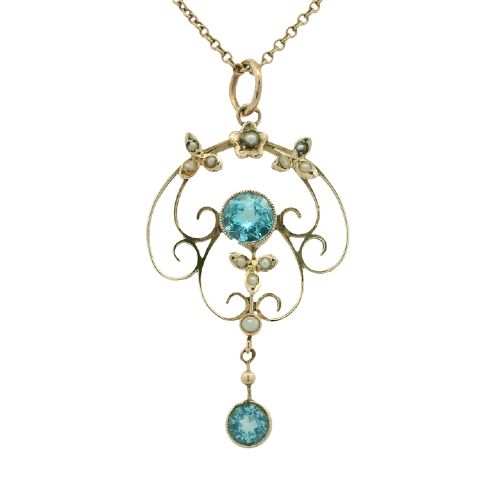
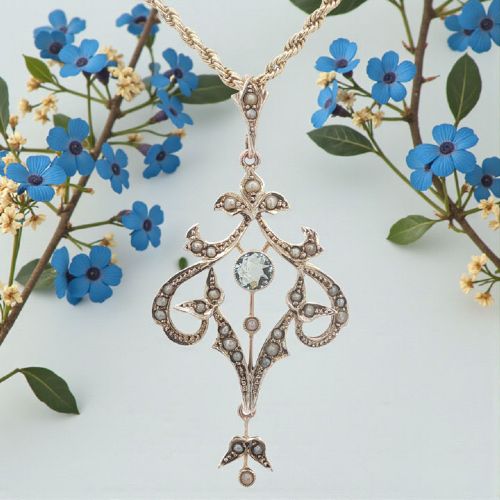
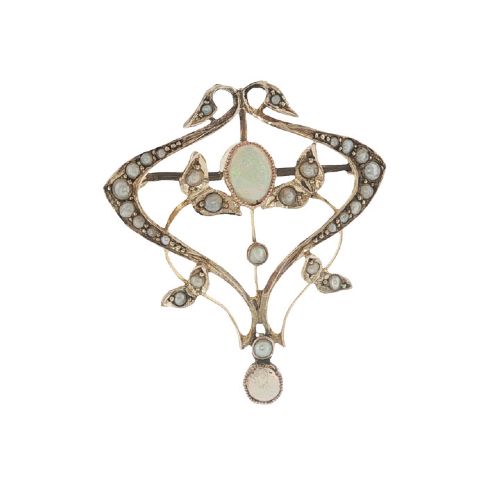
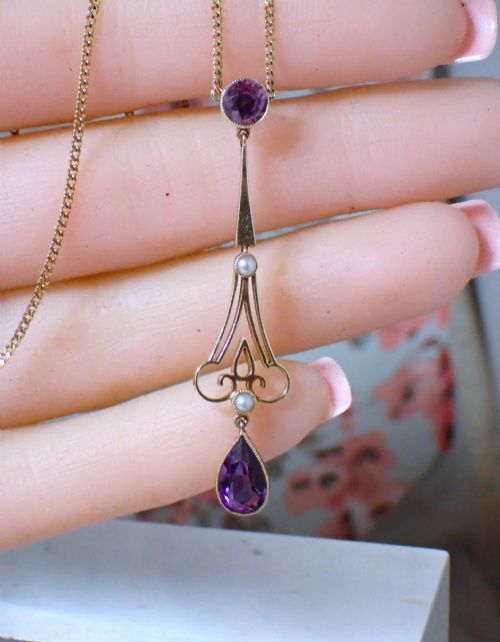
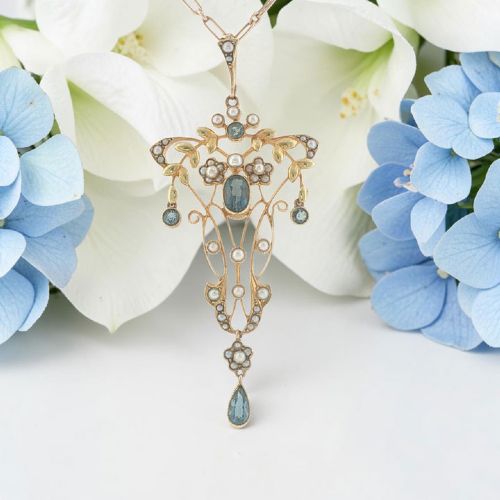
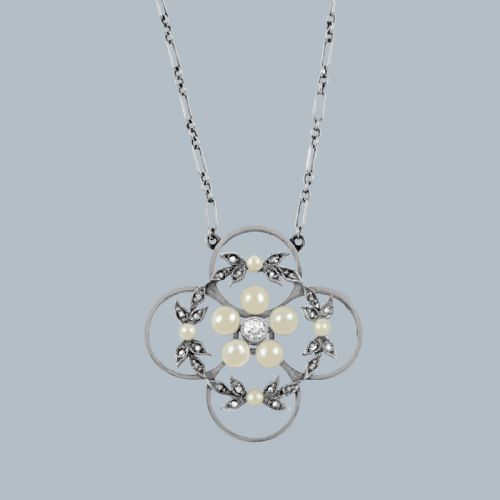
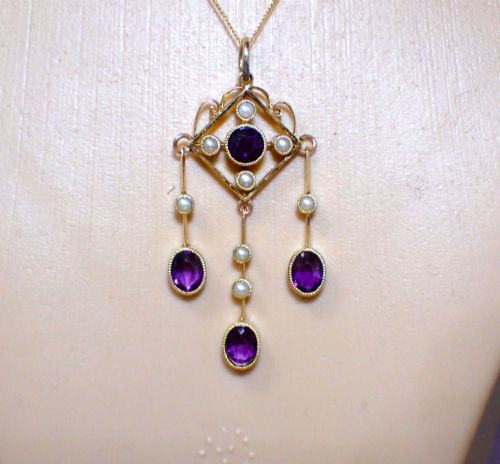
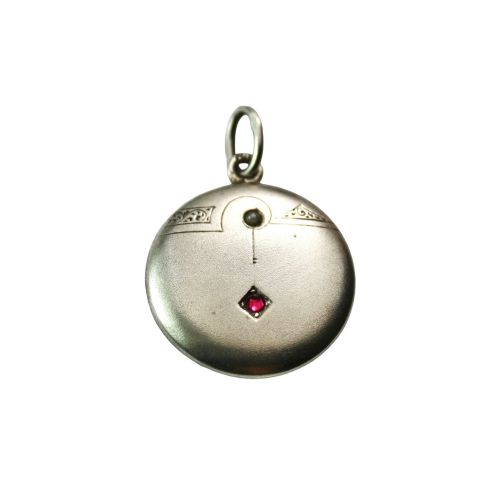
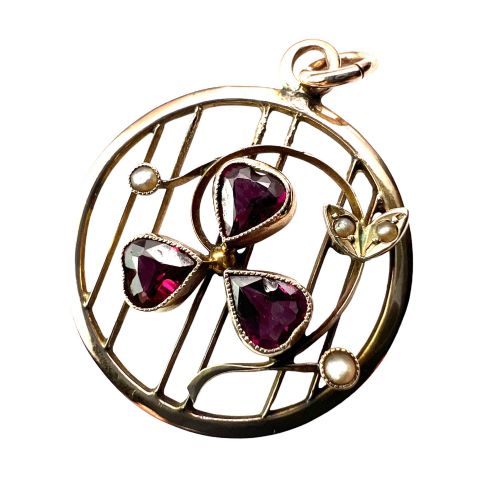
The pieces appearing on this page span the late Victorian, Edwardian and Arts and Crafts periods, reflecting a unified design philosophy across Europe and Britain. Most examples combine pearls with coloured gemstones like amethyst, peridot or aquamarine within distinctive pendant or lavalier formats.
Materials and construction
Goldsmiths utilised both nine carat and fifteen carat yellow gold, alongside silver and silver gilt, to construct the intricate frames for these jewels. Gemstones are secured via fine bezel or prong settings, often accompanied by cascading pearl drops that accentuate the movement of the pendant.
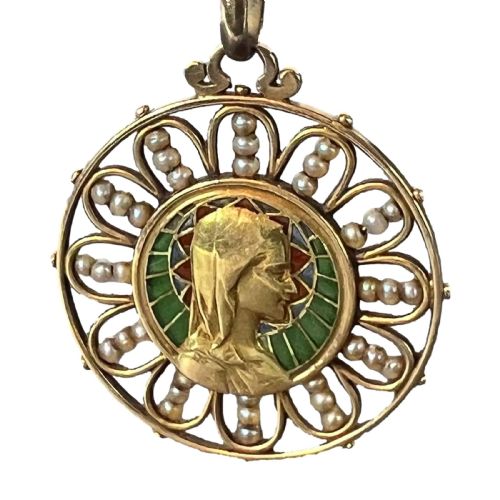
Plique-à-jour enamel serves as a defining technique, allowing light to pass through translucent coloured glass cells without a backing metal. This method creates a stained-glass effect that complements the organic outlines of leaves, blossoms and winged figures.
Judging the work
Quality rests upon the precision of the metalwork and the complexity of the enamel cells. Master workshops achieved seamless transitions in plique-à-jour work and hand-forged gold frameworks that display crisp, deliberate detailing rather than soft or repetitive casting.
The selection and matching of the pearls and coloured stones dictate the refinement of the piece. Well-balanced proportions between the central gems, the supporting seed pearls and the surrounding organic motifs distinguish superior creations from standard production.
Archibald Knox·Liberty and Co·Murrle Bennett·Wilhelm Fuhner·Levinger and Bissinger·Eduard Loss·Theodor Fahrner
The Art Nouveau Pearl Necklace Glossary
- Plique-à-jour
- An enamelling technique where enamel is applied in cells without a backing, creating a transparent, window-like effect. It lets light pass directly through the coloured glass.
- Seed pearl
- Very small, naturally occurring or cultured pearls often used in clusters or fringes. They add delicate texture to Edwardian and art nouveau mountings.
- Lavalier
- A pendant necklace featuring a central drop stone suspended below a main motif. This style gained immense popularity during the Edwardian era.
- Silver gilt
- Sterling silver that has been coated with a thin layer of gold. This finish provides the visual warmth of gold while utilising a silver base for intricate metalwork.
Art Nouveau Pearl Necklace: Frequently Asked Questions
How do I care for antique pearls?
Pearls are organic gems that require gentle handling, as harsh chemicals and perfumes can damage their lustrous nacre over time. Wipe them clean with a soft cloth after wearing and store them separately to avoid scratching.
Because many antique pieces feature delicate seed pearls held by thin claws or glue, avoid immersing the entire necklace in liquid cleaning solutions. Professional inspection ensures the setting remains secure.
What is plique-à-jour enamel?
Plique-à-jour translates from French as letting daylight through, describing an enamelling method that resembles miniature stained glass. Artisans fire translucent enamel within open wire frames without a solid backing metal.
This technique creates glowing, colourful wings and petals that catch the light from behind. It represents a hallmark of high-quality art nouveau jewellery design.
Are these necklaces original to their chains?
Many antique pendants survive alongside their original or period-appropriate chains, though some have been paired with replacements over the decades. Examining the connection rings and metal hallmarks helps determine if the chain matches the age of the pendant.
Collectors appreciate original chains when present, but period-correct replacements remain entirely acceptable for daily wear.
How can I distinguish art nouveau from arts and crafts?
Art nouveau design focuses on flowing, asymmetrical lines inspired by plant stems, vines and feminine silhouettes. It prioritises dynamic movement and decorative enamel work.
Arts and crafts pieces often emphasise hand-wrought simplicity, visible construction marks and traditional craftsmanship. Both movements frequently utilised pearls and coloured stones during the same historical window.