



Art Nouveau Green Glass
Art nouveau green glass captures the organic curves and vibrant hues typical of turn-of-the-century design, bringing fluid botanical forms into domestic spaces.
Art Nouveau Green Glass
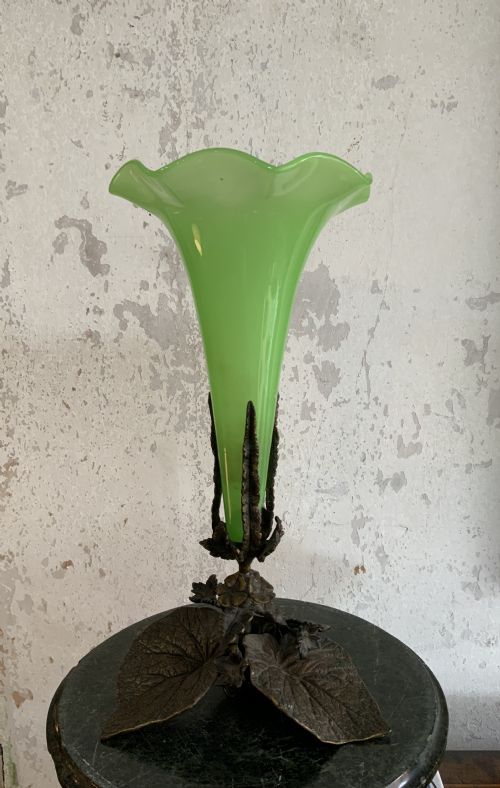
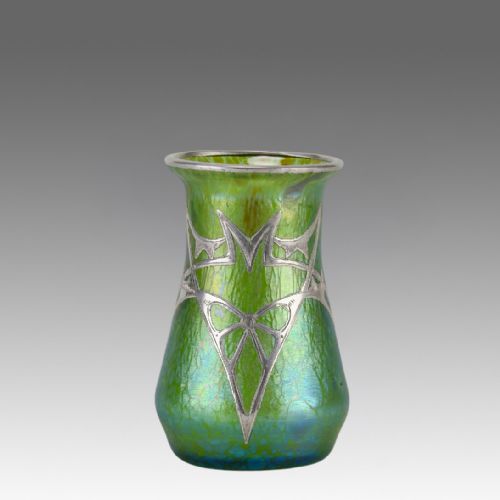
Art nouveau green glass encompasses a diverse range of decorative objects produced during the late nineteenth and early twentieth centuries, spanning the Victorian, Edwardian, and Jugendstil periods. Buyers searching this phrase most frequently encounter glassware designed as vases, decanters, perfume bottles, and lighting components such as ceiling lamps and epergnes. These pieces utilise verdant tones ranging from pale pistachio to deep vaseline and peacock shades, often mirroring natural plant structures.
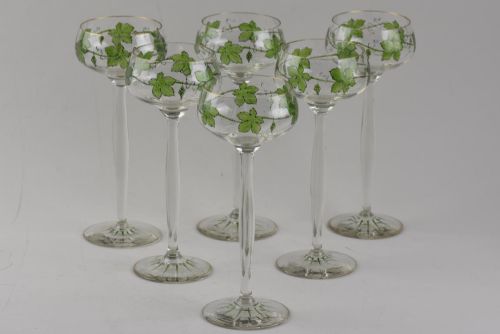
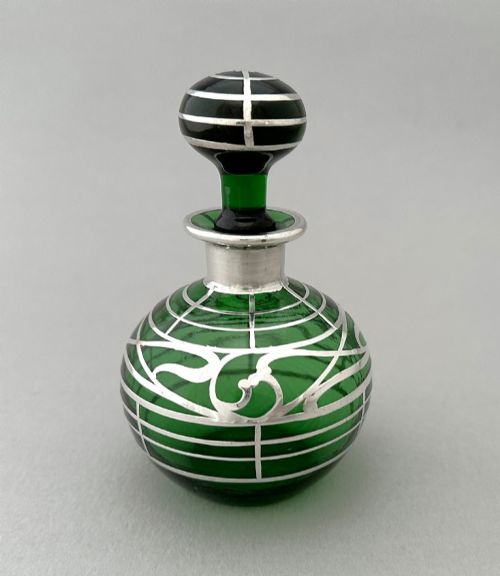
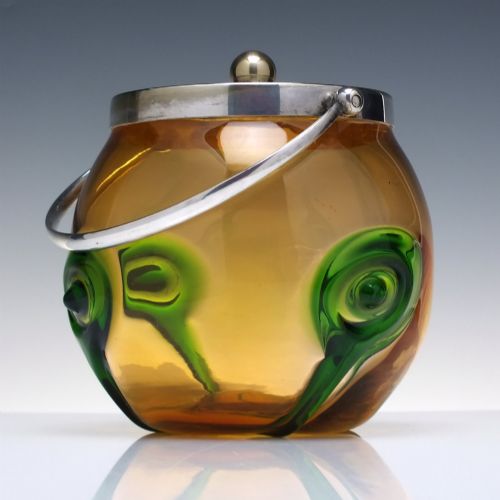
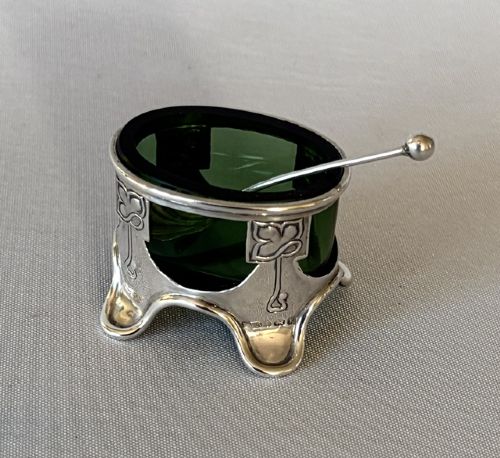
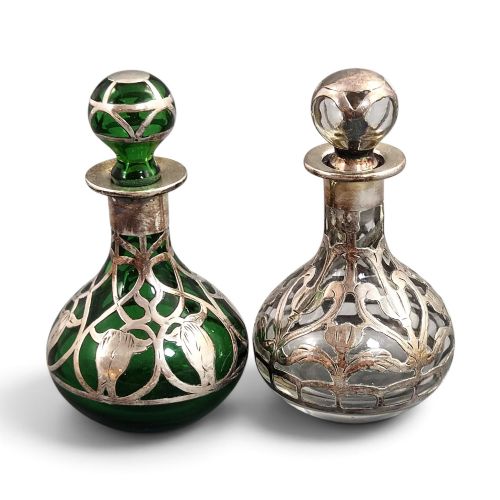
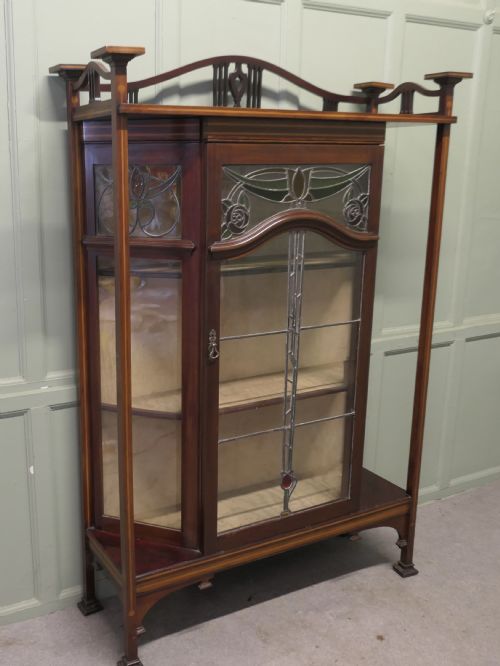
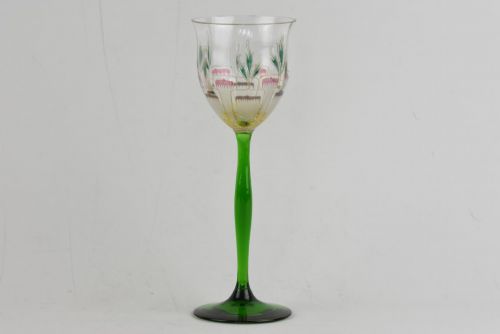
The category extends beyond simple vessels to include complex decorative items like cameo glass vases, enamelled wine glasses, and leaded stained glass windows. Production centres largely in European workshops across Bohemia, France, Germany, and Austria, with makers employing distinct regional interpretations of the organic style. Functional items such as biscuit barrels and salt tubs frequently combine green glass bodies with metal mounts in silver overlay, brass, or pewter.
Materials and production techniques
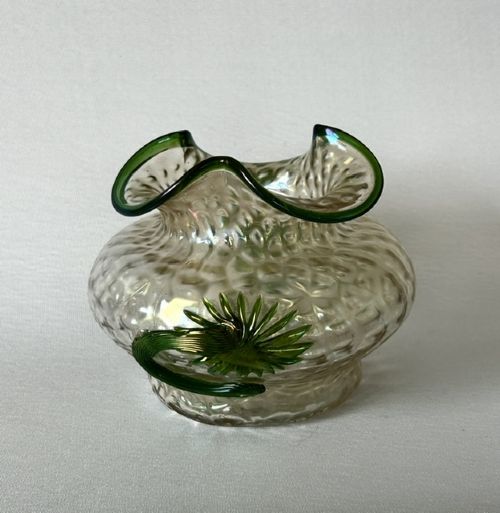
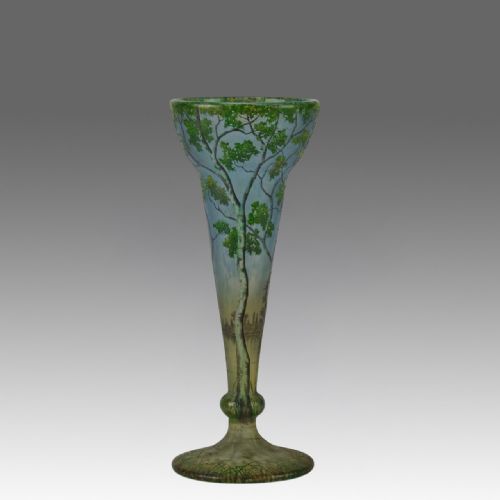
Glassmakers utilised various chemical compounds and melting methods to achieve the characteristic green coloration, occasionally incorporating uranium for vibrant fluorescent yellow-green shades or employing iridescent finishes like the Phänomen and Papillon décors. Many vessels feature optical blowing or surface texturing, while others incorporate multi-layered cameo glass carved to reveal contrasting background hues. Molten glass work frequently involved free-forming shapes such as the Jack-in-the-Pulpit silhouette or moulding tactile elements like peacock eyes and tadpole patterns directly into the body.
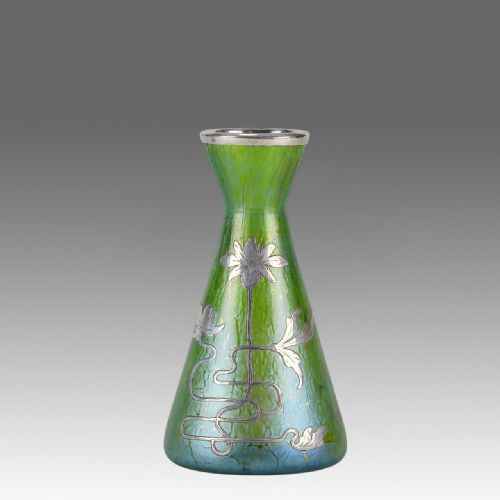
The primary glass bodies frequently incorporate supplementary materials including sterling silver overlays, gilt bronze mounts, or pewter frameworks designed by prominent metalwork studios. Surface decoration often relies on polychrome enamel painting, gold leaf application, or acid-etching to render botanical motifs like campanula, cornflowers, and dragonflies. Metal mounts were secured using collars, hinged lids, or delicate filigree cage work that wrapped around the blown glass containers.
Art Nouveau Green Glass Retail Price Guide 2026
Typical asking prices for art nouveau green glass among the pieces listed under this phrase on Sellingantiques today, from the lower quarter to the upper quarter. They describe what is for sale here now, not the wider market.
Listings feature green glass items spanning the late nineteenth century through the nineteen-twenties, incorporating materials such as sterling silver, pewter, and bronze.
Assessing quality in art nouveau green glass
Quality differences stem primarily from the sophistication of the glassblowing technique and the complexity of the surface treatment. Pieces exhibiting multi-layered cameo carving, intricate iridescent optical effects, or detailed hand-enamelled floral motifs represent higher tiers of craftsmanship compared to plain moulded glass. The depth of colour saturation and the precision of the cooling and shaping processes dictate the overall visual impact of each vessel.
The integration of secondary materials further differentiates the standard of production. Superior examples feature hallmarked sterling silver overlay, heavy cast pewter mounts from recognised design partnerships, or intricate bronze fittings that complement rather than overpower the glass body. The crispness of acid-etching and the deliberate execution of organic contours separate standard utilitarian wares from ambitious studio art glass.
Emile Gallé·Daum Frères·Johann Loetz·Kralik glassworks·Theresienthal·James Powell·Gorham·Baccarat
The Art Nouveau Green Glass Glossary
- Vaseline glass
- A type of glass coloured with uranium dioxide that exhibits a distinct yellowish-green hue and glows brightly under ultraviolet light.
- Cameo glass
- A method of manufacturing flashed glass by fusing layers of different colours together and carving away the exterior layer to create a raised design.
- Iridescent glass
- Glass treated with metallic vapours while hot to produce a shimmering, rainbow-like sheen across the surface.
- Roemer
- A traditional Germanic large-bowled wine glass featuring a decorative raspberry prunt stem, frequently produced in green glass.
- Epergne
- A centrepiece table decoration featuring a central trumpet vase surrounded by smaller hanging or attached baskets for fruit or flowers.
- Pâte de verre
- A glasscasting method where finely crushed glass is mixed with a binder, packed into a mould, and fused in a kiln.
Art Nouveau Green Glass: Frequently Asked Questions
What is art nouveau green glass?
Art nouveau green glass refers to decorative glassware produced during the late nineteenth and early twentieth centuries that embraces the flowing, organic lines of the art nouveau movement. These items utilise various shades of green, from pale celadon to deep iridescent tones, often styled after natural forms like flowers, leaves, and stems.
Items range from everyday tableware such as wine glasses and decanters to ambitious studio vases and architectural stained glass windows. Many pieces combine the green glass body with metal mounts made from silver, pewter, or brass.
How do I identify vaseline glass?
Vaseline glass displays a characteristic transparent or translucent yellow-green coloration resembling petroleum jelly. When exposed to an ultraviolet light source, uranium content within the glass causes it to emit a bright green fluorescent glow.
This material was utilised across various functional and decorative objects during the nineteenth and early twentieth centuries, particularly in tableware and lighting fixtures.
Where were these pieces made?
The majority of these glass objects originated in European artistic centres during the height of the art nouveau and Jugendstil movements. Bohemia, France, Germany, and Austria housed the primary glassworks and studios responsible for developing innovative colouring and texturing techniques.
Prominent workshops operated in regions with established glassmaking traditions, exporting their output internationally through retailers and metalwork studios.
How do I care for antique glass?
Antique glass requires gentle handling and should be washed by hand using lukewarm water and mild detergent rather than placed in a dishwasher. Sudden temperature changes can cause thermal shock and crack fragile historic glass bodies.
Objects featuring delicate metal overlays, enamel decoration, or silver plating benefit from avoiding harsh chemical cleaners and abrasive cloths to preserve the surface finish.