



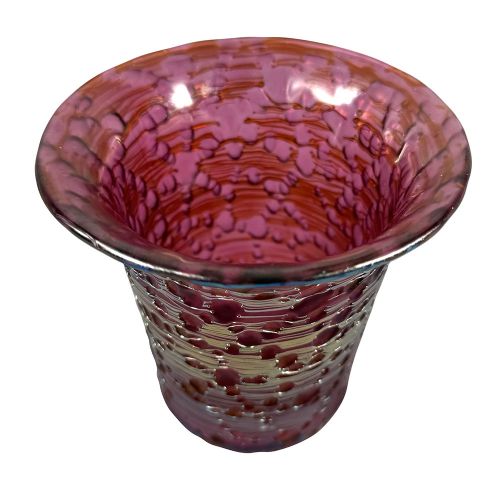
Art Nouveau Decorative Urns
These art nouveau decorative urns and vases capture fluid organic forms and intricate glazes from the turn of the twentieth century.
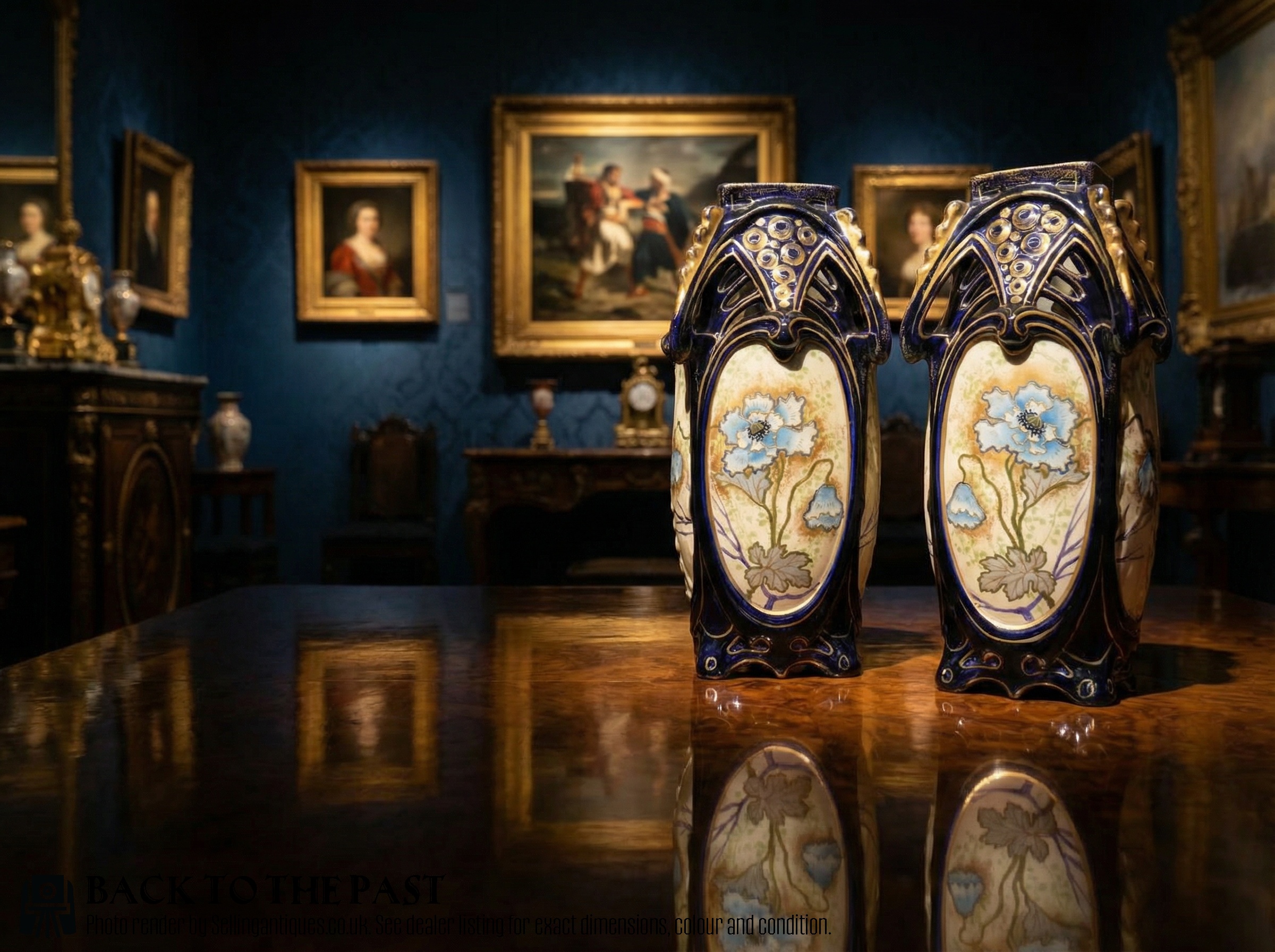
Art Nouveau Decorative Urns
Art nouveau decorative urns encompass a diverse selection of ceramic, glass and bronze vessels shaped during the late nineteenth and early twentieth centuries. These objects reflect the flowing lines, botanical motifs and secessionist influences popular across British, French, Austrian and Japanese workshops.
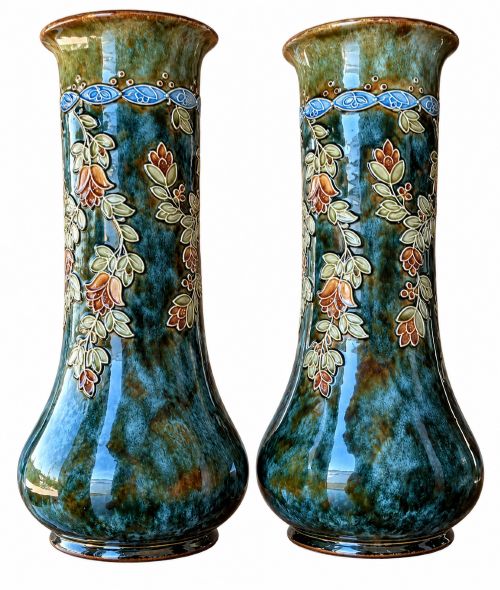
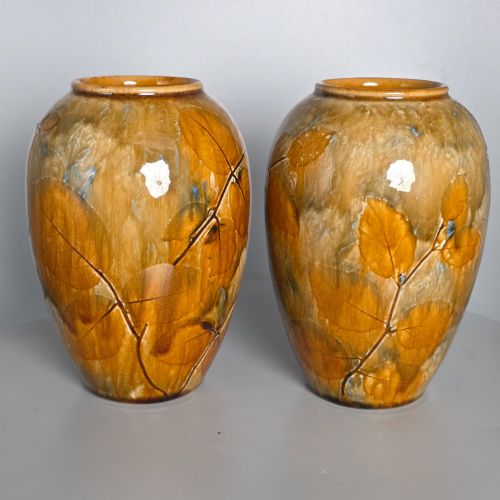
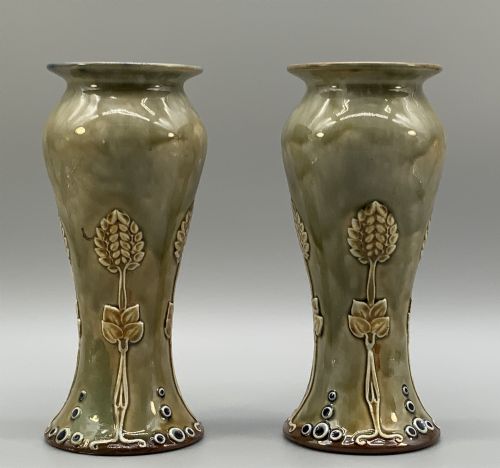
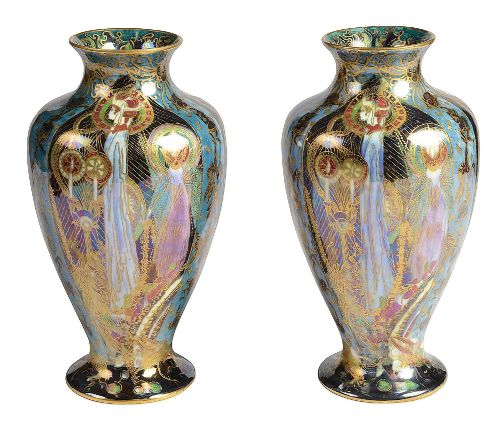
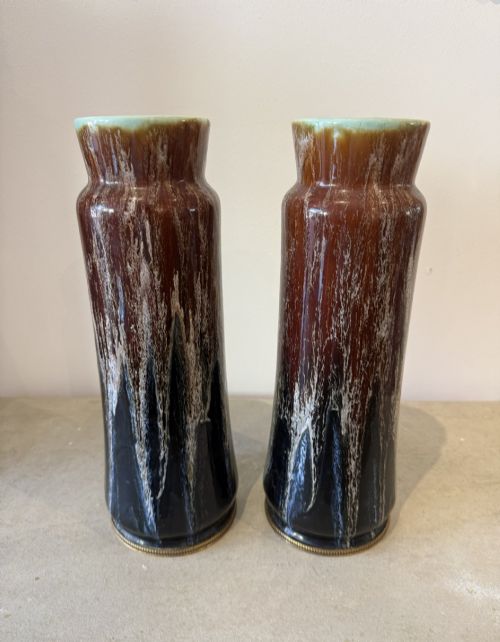
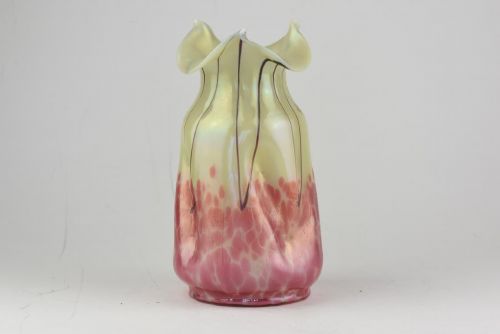
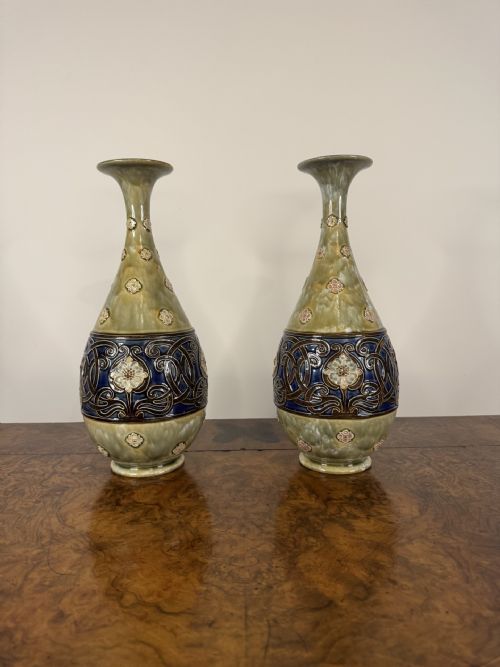
Vases, jardinières and baluster vessels dominate the selection, often appearing in matched pairs or individual statements. Examples range from monumental stoneware pieces by English potteries to delicate iridescent glass vessels from continental makers.
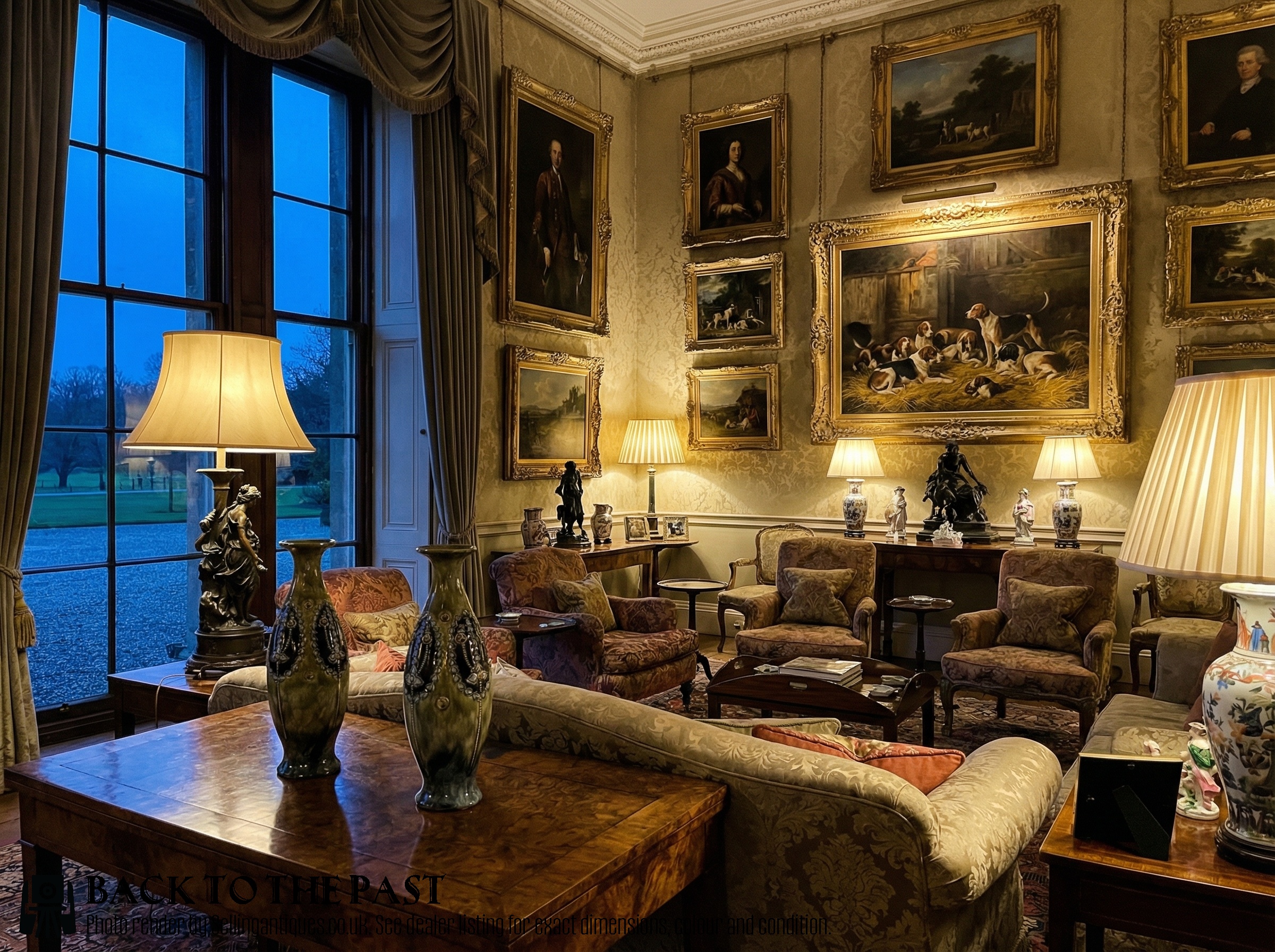
How they were made
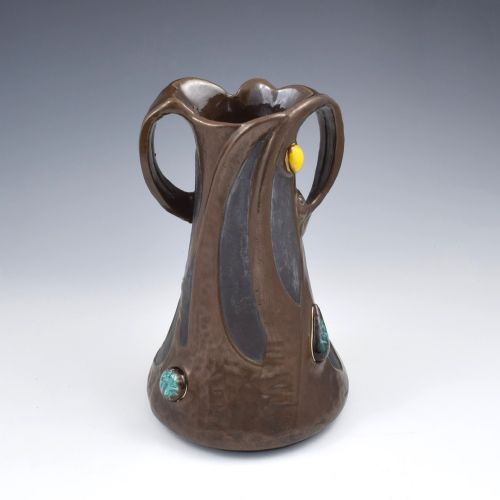
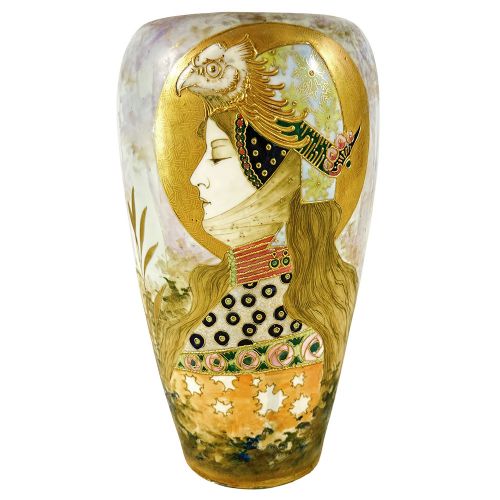
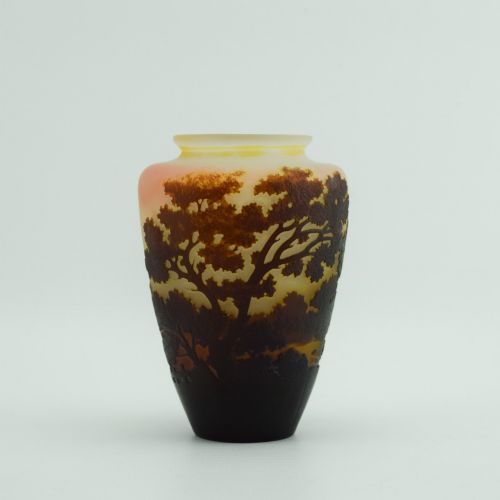
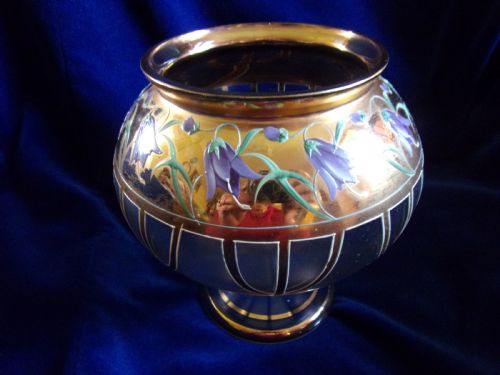
Makers utilised stoneware, earthenware, porcelain and glass, applying techniques such as hand painting, gilding, enamel work and cameo blowing. Glazed ceramic and stoneware bodies often received copper effects, pewter overlays or jewelled cabochons to enhance the fluid contours.
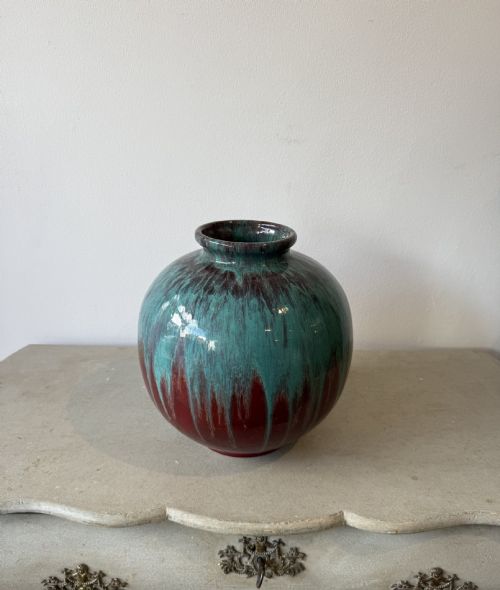
Foundries cast bronze into figurative and organic shapes, incorporating patination and detailed chasing. Potters manipulated clay into bulbous baluster forms and multi-handled jardinières, fired with reactive glazes that produced deep autumnal tones and iridescent surfaces.
Listings feature ceramics, stoneware, glass and bronze objects spanning the Victorian era through the 1930s.
What varies in quality
The distinction between standard production items and exceptional works lies in the execution of the surface decoration and the ambition of the form. Hand-painted botanical patterns, precise gilding and complex cameo glass blowing elevate certain pieces above routine factory output.
The reputation of the designer and the studio dictates the standing of a piece within this category. Signed works from notable ceramicists and glass artists demonstrate superior command over kilns and material chemistry.
Royal Doulton Lambeth·Wedgwood·William Moorcroft·Ernst Wahliss
The Art Nouveau Decorative Urns Glossary
- Baluster
- A vase form characterised by a rounded body that tapers toward a narrow neck and wide foot. This silhouette provides a balanced canvas for organic motifs and metallic overlays.
- Jardiniere
- An ornamental pot designed to hold living plants or floral arrangements. These vessels often feature multiple handles and generous proportions suited to interior display.
- Iridescent
- An optical effect displaying shifting rainbow colours across a glass or ceramic surface. Makers achieved this finish by treating hot glass with metallic vapours.
- Stoneware
- A dense, impermeable ceramic fired at high temperatures. This durable material allowed potters to apply thick, rich glazes without losing structural integrity.
Art Nouveau Decorative Urns: Frequently Asked Questions
What defines an art nouveau decorative urn?
These vessels are defined by their use of whiplash lines, stylised floral motifs and natural forms derived from plant and animal life. They emerged during a period of artistic reform spanning the late nineteenth and early twentieth centuries.
Craftsmen across Europe applied these organic principles to ceramics, glass and bronze, creating decorative objects that moved away from rigid historic revival styles.
How were these decorative urns used?
They served primarily as interior ornamentation on mantelpieces, sideboards and pedestals within prosperous homes. Many functioned as display vases for seasonal flowers or as standalone works of art.
Larger vessels like jardinières accommodated potted plants, bringing botanical elements directly into domestic living spaces.
How do I care for antique ceramic and glass urns?
Maintenance requires gentle dusting with a soft, dry cloth to protect delicate painted surfaces, gilding and metallic overlays. Avoid using chemical cleaners or submerging pieces with vulnerable enamels in water.
Display the vessels away from direct sunlight and temperature extremes to preserve the stability of reactive glazes and historic glass.
How can I tell different period styles apart?
Art nouveau pieces favour asymmetrical, flowing lines inspired by stems and seed pods. In contrast, subsequent Art Deco works introduce geometric rigidity, symmetry and stylised sunburst patterns.
Victorian precursors often rely on heavier historic revival motifs before transitioning into the organic curves characteristic of the turn of the century.