





Art Nouveau Decorative Glass
Art nouveau decorative glass captures organic, flowing forms through skilled manipulation of colour and light.
Art Nouveau Decorative Glass
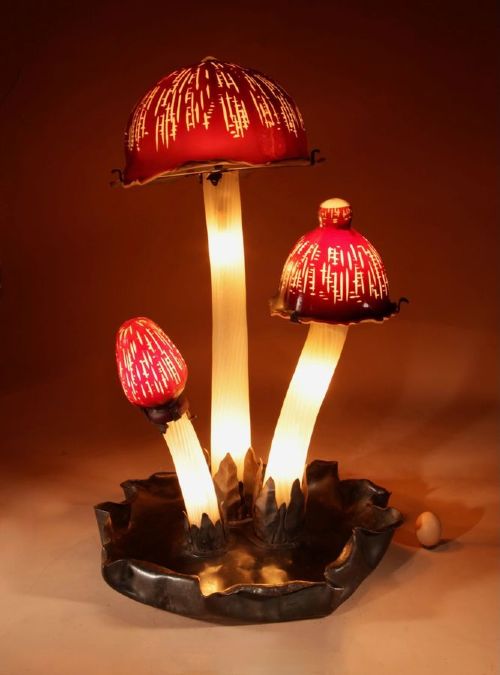
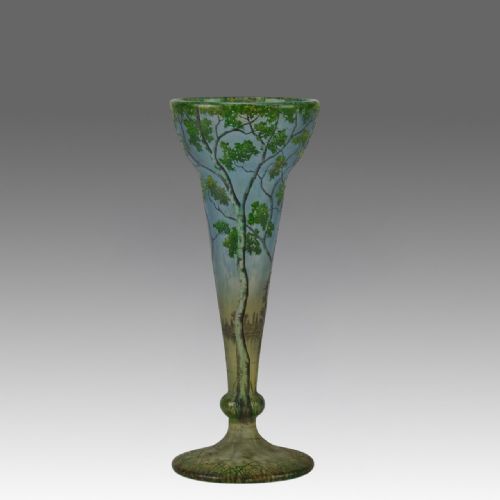
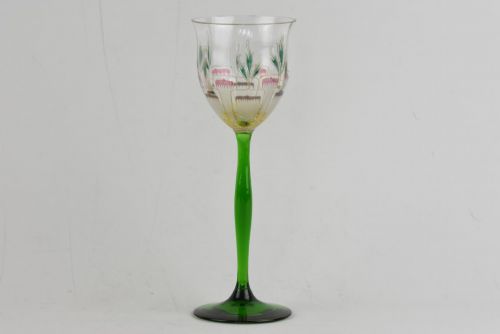
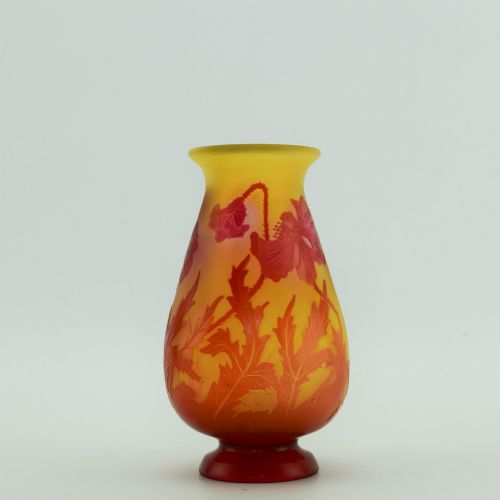
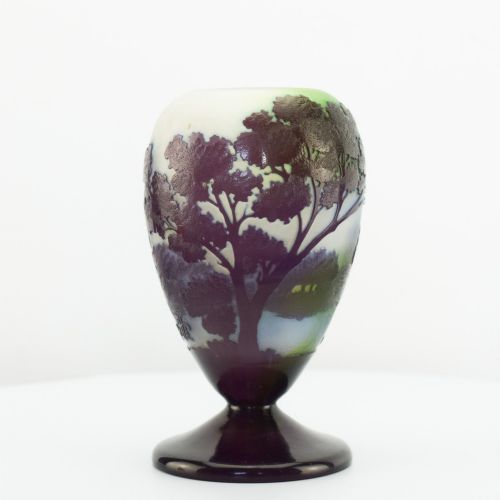
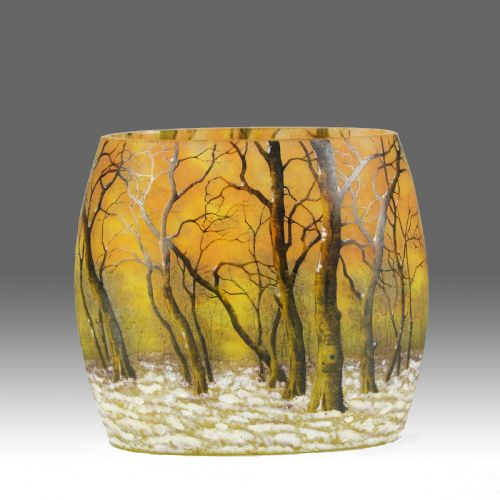
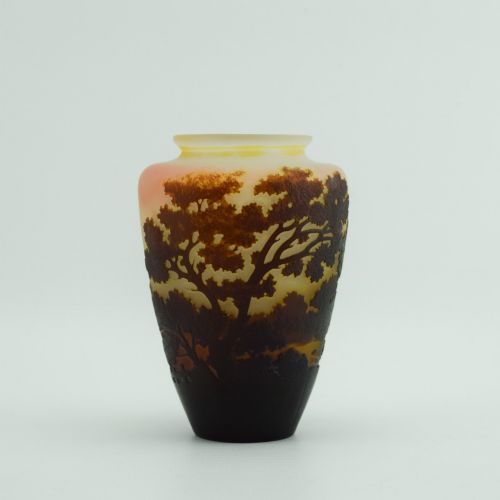
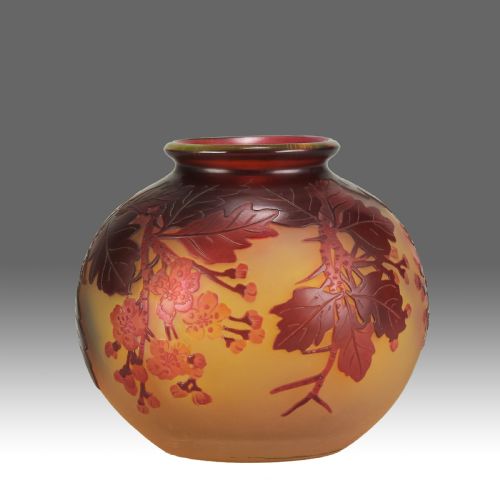
Art nouveau decorative glass encompasses a wide array of objects designed during periods spanning the late nineteenth and early twentieth centuries, including vibrant vases, lamps, bowls, and architectural elements such as stained glass windows. These pieces draw heavily on natural motifs like floral themes, landscapes, and winding plant stems, reflecting the core aesthetic of the movement.
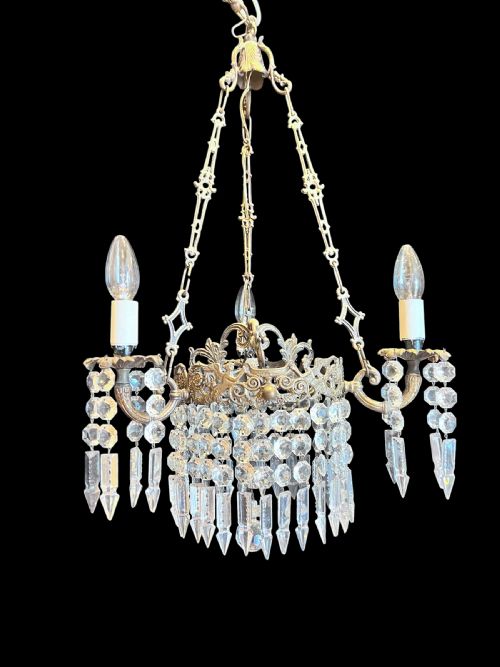
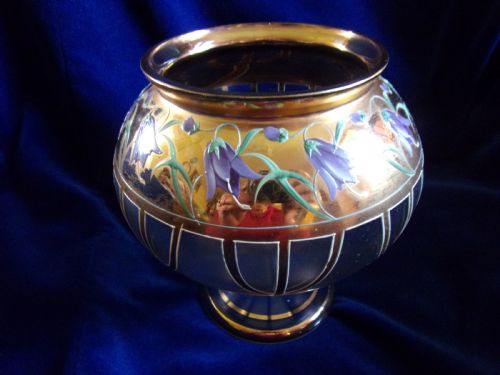
Vases dominate the selection, appearing frequently in cameo glass, iridescent finishes, and intricate enamel work created by prominent European makers. Alongside these vessel forms, collectors encounter specialised items like table lamps, glass-panelled fire screens, chandeliers, and mirrors framed in brass or bronze.
The objects originate primarily from French, Bohemian, and Continental workshops operating between eighteen eighty and nineteen thirty. Pieces range from delicate cabinet items adorned with gold leaf to substantial architectural windows and large floor or table lighting fixtures.
Materials and techniques
Makers utilised glass as their primary medium, often combining it with metal components such as brass, bronze, and pewter for mounts, frames, and bases. Acid-etching and cameo techniques allowed artisans to carve away outer layers of glass to reveal contrasting coloured backgrounds beneath.
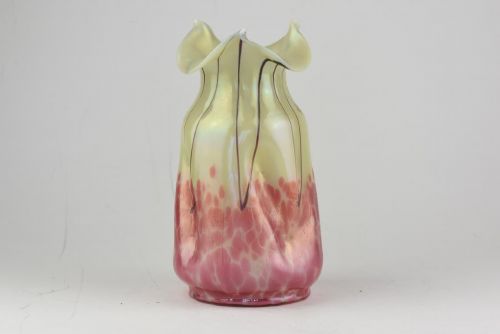
Surface decoration frequently involved intricate enamel work and applied gold leaf to accentuate naturalistic details like flowers and foliage. Frosted and iridescent finishes created shimmering optical effects that caught the light, while lead cames held smaller glass segments together in windows and screens.
A surprising number of ink bottles survived intact inside decorative stands, having successfully avoided the messy realities of daily Victorian correspondence.
Judging the work
Quality rests upon the depth and precision of the carving in cameo pieces, where crisp lines and well-defined botanical or landscape motifs separate master workshops from routine production. The sophistication of the colour palette and the harmonious integration of glass with metal mounts dictate the overall success of a piece.
Artisanal control over chemical reactions during blowing and cooling produces the distinctive iridescent sheens and optical effects seen in superior examples. Pieces that display confident execution in enamel, gilding, and acid treatment command greater appreciation among collectors.
Daum Freres·Pallme Konig·Thereisenthal·Emile Galle·Georges Leleu·Rene Lalique·James Powell·S Theeman·Baccarat
The Art Nouveau Decorative Glass Glossary
- Cameo glass
- Glass formed with multiple distinct layers of different colours, allowing artisans to carve away the exterior strata to create raised relief designs. This demanding technique requires immense precision to avoid cutting through to the background layer.
- Iridescent glass
- Glass treated with metallic salts while hot to produce a shimmering, rainbow-like surface sheen that mimics natural oil slicks or beetle wings. Loetz and other makers perfected this technique to enhance organic forms.
- Acid-etched glass
- Glass decorated by applying an acidic substance to eat away unprotected areas, creating textured patterns or matte designs. It offered a reliable alternative to hand-carving while maintaining intricate detail.
- Enamel
- Opaque or translucent glass paste applied to the surface of a vessel and fired to fuse permanently. This technique added vibrant blocks of colour and intricate painted details to vases and glassware.
- Jugendstil
- The German manifestation of the broader art nouveau movement, characterised by dynamic, undulating lines derived from plant growth. The style influenced decorative arts across Central Europe during the early twentieth century.
Art Nouveau Decorative Glass: Frequently Asked Questions
Where were these pieces made?
Production centred primarily in France and Bohemia, with significant contributions from British and Continental workshops. Prominent centres included Nancy and Paris alongside regional glasshouses in Central Europe.
Makers ranged from large established factories to smaller artisanal studios operating during the late nineteenth and early twentieth centuries.
How should I clean iridescent glass?
Clean iridescent surfaces gently with a soft, dry cloth to remove dust without disturbing the delicate metallic sheen. Avoid harsh chemical cleaners or abrasive materials that might damage the treated outer layer.
Display pieces away from direct, harsh sunlight to preserve the fugitive colours of the iridescence and enamelling over time.
What defines the art nouveau style?
The style relies upon asymmetrical, undulating lines inspired by natural forms such as stems, flowers, insect wings, and flowing water. Straight lines are largely avoided in favour of dynamic, organic curves.
This aesthetic permeated every aspect of design, uniting glasswork, metal mounts, and architectural elements into a cohesive visual language.