


Antique Cameo Glass
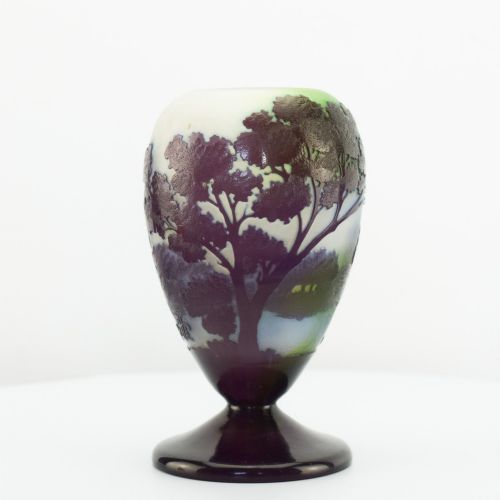
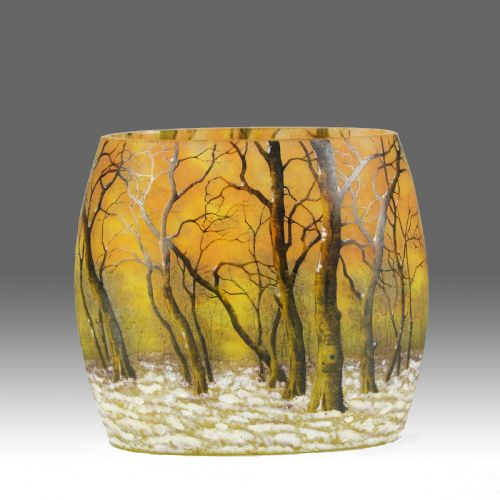
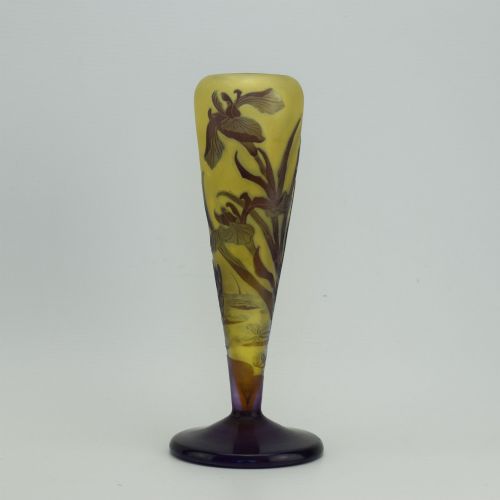
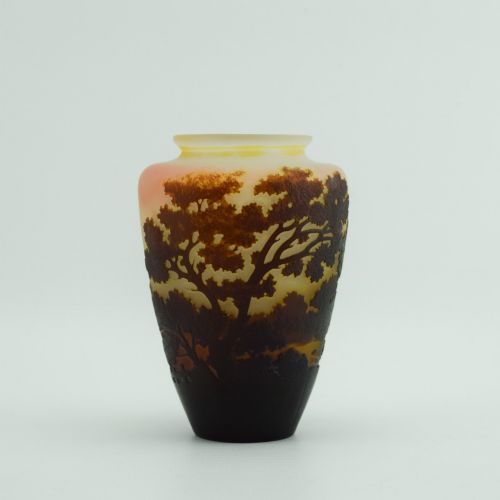
Antique cameo glass brings together layered vessels and objects shaped through acid-etching and carving, offering distinct floral and landscape motifs.
Antique Cameo Glass
When you search for antique cameo glass, you find multi-layered glass vessels carved or acid-etched to reveal contrasting colours and detailed designs. These pieces most frequently take the form of vases, scent bottles, and table lamps originating from the late nineteenth and early twentieth centuries.
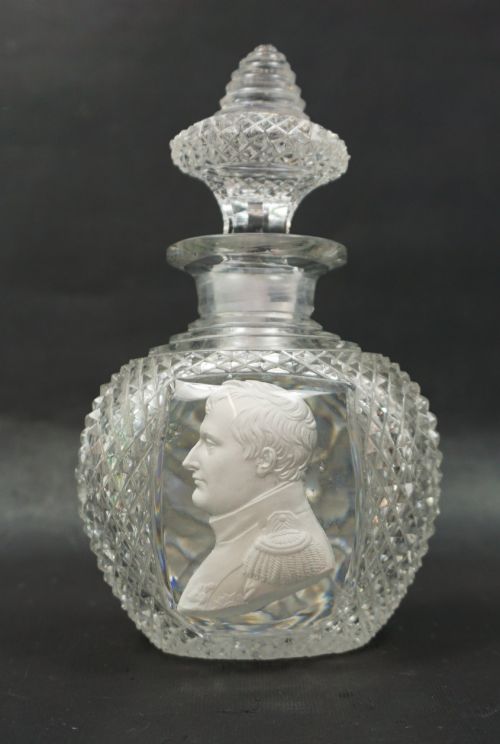
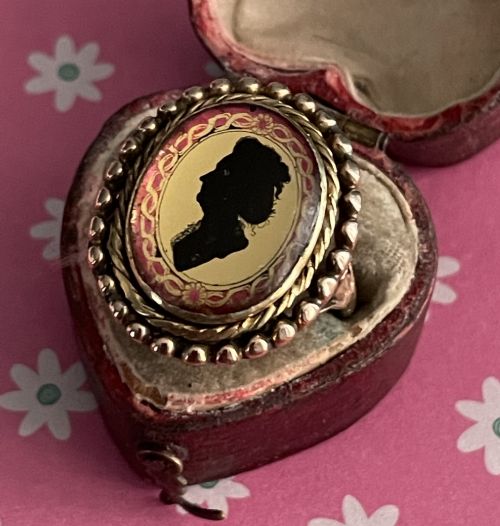
The selection centres heavily on French production, notably Art Nouveau and Art Deco creations from workshops such as Emile Gallé and Daum Frères. Alongside these vases, the category includes smaller items like rings, portrait miniatures, and wine glasses stretching back into the Georgian era and the nineteenth century.
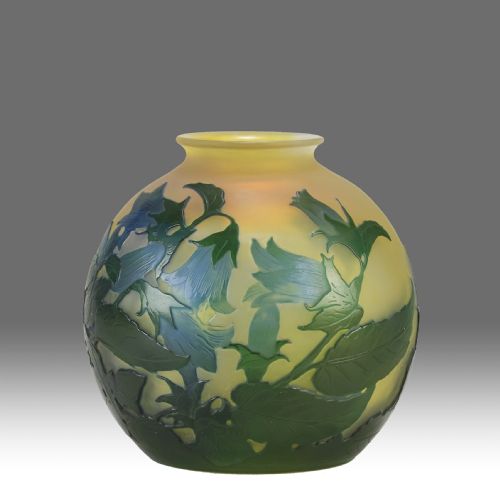
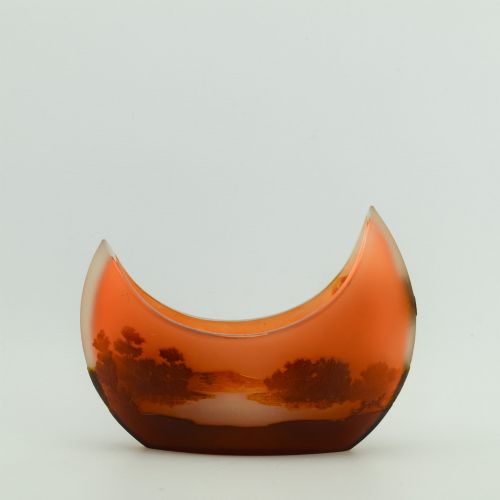
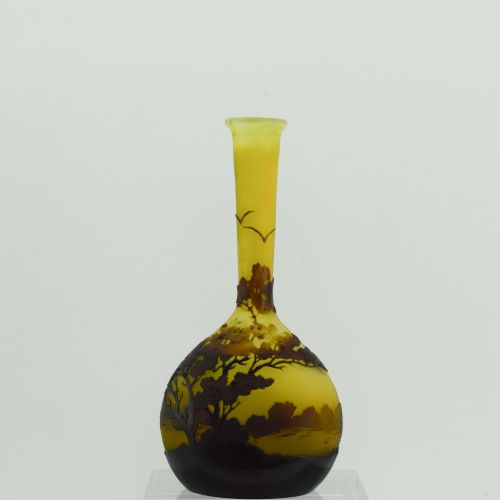
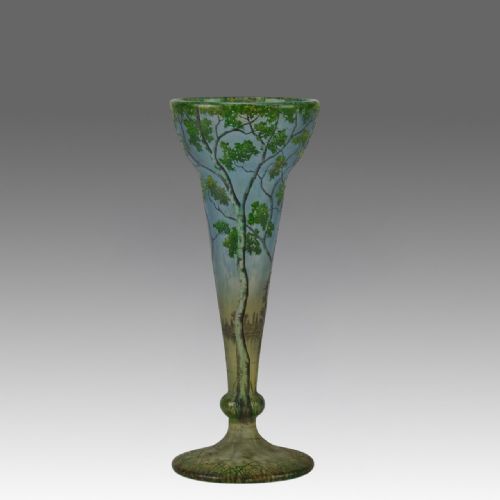
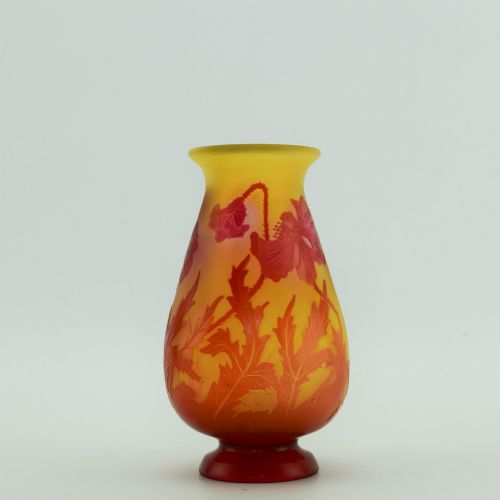
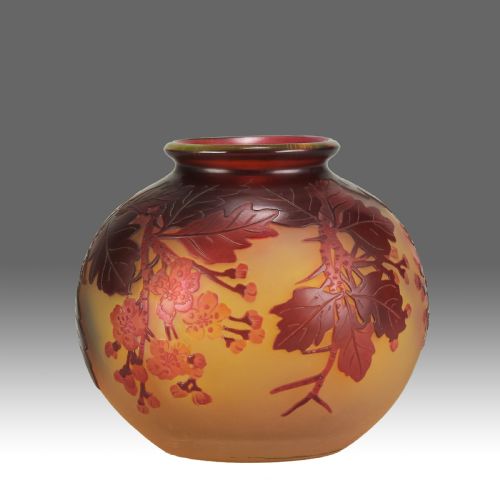
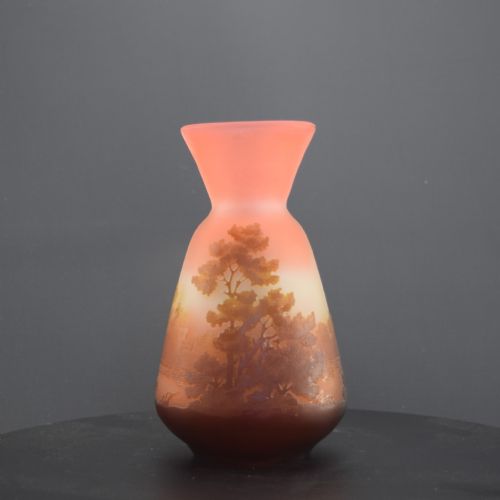
The subjects depicted on these glass objects draw heavily from nature, showing floral varieties like iris, poppy, and clematis, alongside atmospheric landscape scenes. Buyers encounter both monumental display pieces and smaller cabinet items, each utilising layered glass techniques to create depth.
How antique cameo glass pieces were made
The creation of these objects relies on blown glass techniques where multiple layers of differently coloured glass are gathered together while molten. Artisans then carve away the outer layers by hand or utilise acid-etching to expose the background colour and define the motif.
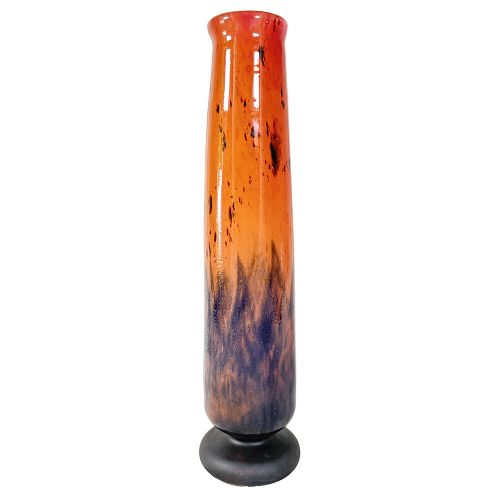
Makers frequently enhanced these layered glass vessels with supplementary decoration, incorporating enamel work, frosted glass textures, or applied gold leaf. Blow-out or soufflé methods were also employed, pushing the hot glass into metal moulds to achieve high relief before final surface finishing.
Several pieces capture whimsical miniature scenes, including tiny boating expeditions and delicate dragonflies hovering over banjo-shaped vases.
What varies in quality in antique cameo glass
The distinction between standard production and exceptional work lies primarily in the depth and clarity of the carving, alongside the harmony of the contrasting colours. Pieces that demonstrate precise hand-carving reveal sharper transitions between the design and the background than those relying solely on basic acid-etching.
Design complexity and scale also govern the hierarchy of these objects, with multi-layered landscape scenes and intricate botanical subjects commanding greater visual depth. The integration of supplementary details, such as fire-polishing or delicate enamelling, separates routine glassware from masterworks.
Emile Gallé·Daum Frères·Le Verre Francais·Stevens & Williams·Baccarat
The Antique Cameo Glass Glossary
- Acid-Etched Glass
- A technique where acid is applied to eat away unprotected areas of the glass surface. This process creates low-relief designs and matte textures without manual cutting.
- Cameo Glass
- Glass vessels formed of two or more distinct colour layers fused together. Carving or etching away the top layer exposes the contrasting background.
- Art Nouveau
- A decorative style prevalent around nineteen hundred characterised by fluid organic lines. Motifs draw heavily from natural plant forms and landscapes.
- Art Deco
- A design movement emerging after the first world war favouring geometric symmetry and stylised forms. Pieces from this era display cleaner lines and bolder colour contrasts.
- Enamel
- Opaque coloured glass fused to the surface of a vessel through firing. This adds painted details and polychrome highlights to the carved glass.
Antique Cameo Glass: Frequently Asked Questions
How do I identify a Gallé cameo glass vase?
Gallé pieces typically feature distinct signature markings etched directly into the design, usually incorporating botanical or landscape subjects characteristic of the Art Nouveau period. The glass itself is built up in multiple translucent layers to create atmospheric depth.
Examination of the surface reveals whether the carving was executed by hand or finished with acid. Genuine examples show careful attention to natural colour transitions across floral and woodland motifs.
What is the difference between acid-etched and carved cameo glass?
Acid-etched glass relies on chemical baths to eat away the outer glass layers using a protective resist, resulting in uniform depth and slightly textured matte surfaces. Hand-carving involves wheels and abrasive tools, producing varied relief and smoother facets.
Many late nineteenth and twentieth-century workshops combined both methods, using acid to remove bulk material before refining the details manually. Close inspection under magnification helps reveal the tool marks left by hand cutting.
How were cameo glass vases used originally?
These decorative vessels served primarily as ornamental display pieces in affluent homes during the late Victorian and Edwardian eras. Their intricate layered designs were intended to showcase modern glassmaking artistry.
While some larger forms could hold cut flowers, many were valued strictly as cabinet objects or artistic centerpieces. Smaller versions functioned as scent bottles and table lamps for domestic interiors.
How do I date antique cameo glass?
Dating relies on stylistic markers, signature formats, and the technological evolution of glass layering techniques. Pieces aligned with the height of Art Nouveau generally date around nineteen hundred, while geometric forms correspond to the nineteen-twenties.
Factory marks and signatures changed over time, reflecting shifts in workshop leadership and production methods. Comparing the colour palette and subject matter against documented examples helps narrow down the period of manufacture.