



Art Nouveau Ceramic Figure
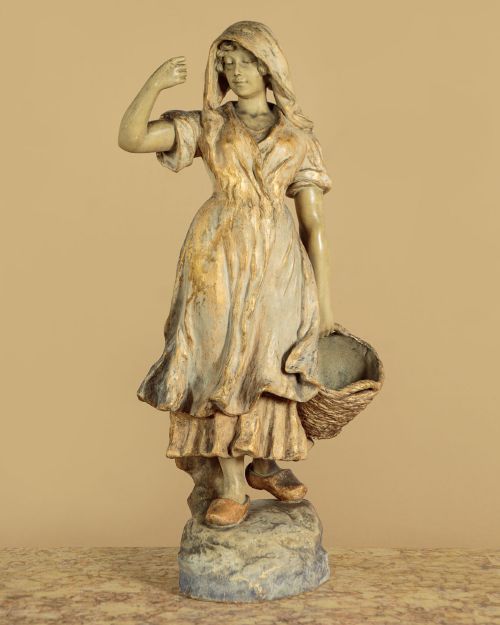
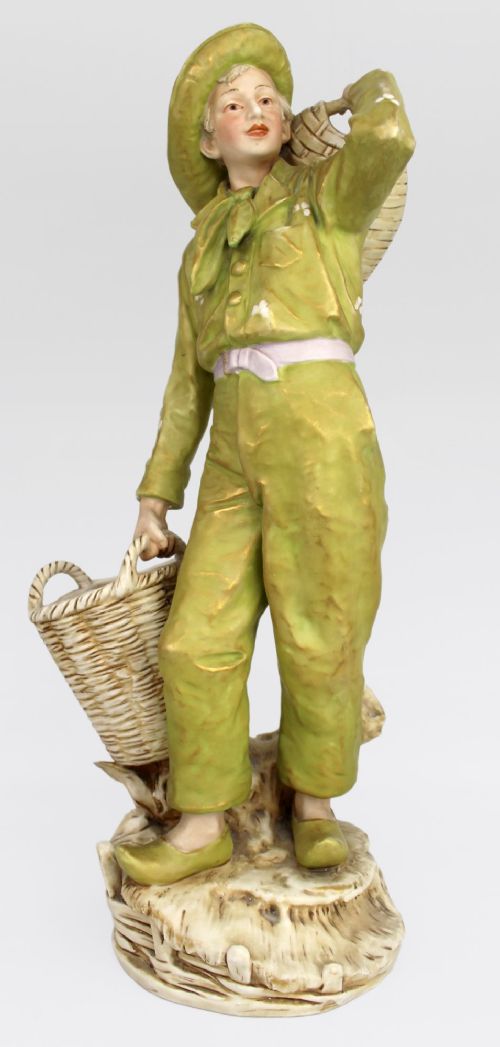
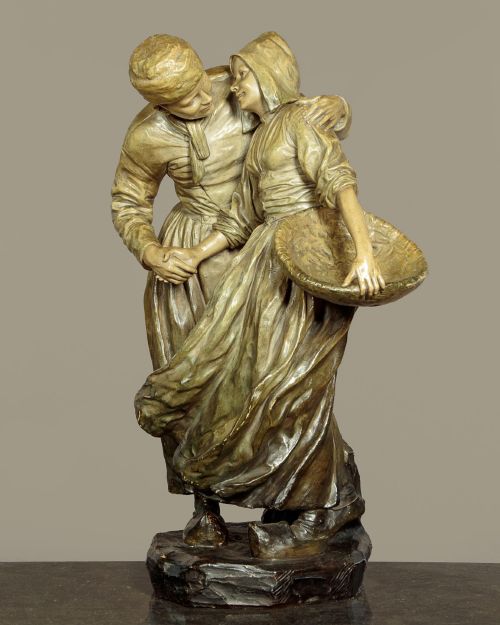
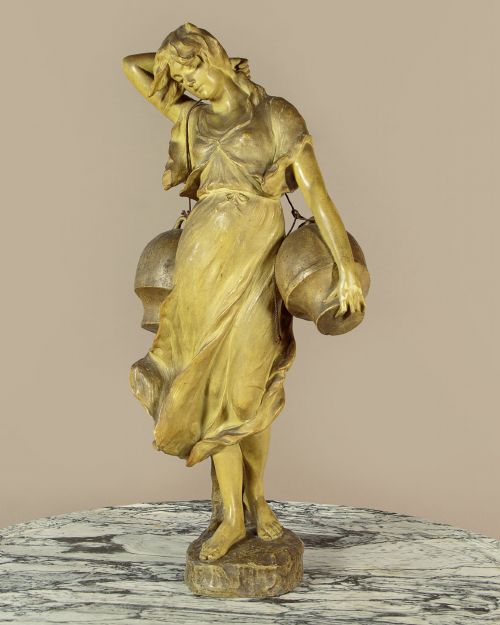
These art nouveau ceramic figure examples capture flowing organic lines and natural forms, offering tactile displays for domestic settings.
Art Nouveau Ceramic Figure
When searching for an art nouveau ceramic figure, buyers encounter sculptures, figurines, and decorative busts spanning the late nineteenth century into the Edwardian era and the nineteen-twenties. These pieces frequently depict young women, water carriers, maidens, and figures with animals, rooted in the organic styling of the period.
The selections on this page draw from European makers and workshops, encompassing earthenware, terracotta, and porcelain forms. Many incorporate utilitarian elements such as spill vases or centrepieces alongside pure figurative sculpture.
The aesthetic prioritises fluid drapery, naturalistic postures, and soft modelling. These items reflect the prevailing design movements of their decades, including Orientalist and Arts and Crafts influences.
Materials and construction methods
The pieces combine moulded earthenware, terracotta, and porcelain, often finished with detailed glazes, paint, or gilt accents. Slip casting techniques and terracotta shaping allowed makers to achieve smooth contours and intricate folds in garments.
Bisque porcelain appears in French works, offering an unglazed, matte surface that highlights fine sculptural detail. Bronze-finished slip cast variations also feature among the terracotta and earthenware outputs of the period.
Material choices on this page span terracotta, bisque porcelain, and glazed ceramic, alongside painted and gilt finishes.
Factors that define quality
Larger monumental figures and complex figure groups demonstrate higher ambition in design and kiln execution. The clarity of factory marks, model numbers, and artist signatures further distinguish the production standard of individual items.
Goldscheider·Royal Dux Bohemia·Luca Madrassi·Ernst Wahliss·A Gory
The Art Nouveau Ceramic Figure Glossary
- Terracotta
- A porous, fired clay body ranging in colour from buff to reddish brown. It served as a primary medium for large sculptural figures during the period.
- Bisque porcelain
- Un-glazed porcelain fired to a matte, white finish resembling marble. It allows fine facial expressions and clothing textures to remain sharp.
- Slip cast
- A manufacturing technique where liquid clay slip is poured into a plaster mould. This process permits the creation of hollow, complex figurative shapes.
- Earthenware
- Porous pottery fired at lower temperatures than porcelain. It forms the base for many glazed and painted decorative objects.
Art Nouveau Ceramic Figure: Frequently Asked Questions
Where were these ceramic figures made?
The pieces originate primarily from European workshops in Austria, Bohemia, France, and England. Major factories and independent studios produced them during the late nineteenth and early twentieth centuries.
Production centres such as Vienna and Bohemia housed prominent firms that exported these decorative items internationally.
How do I display an art nouveau ceramic figure?
These sculptures require stable horizontal surfaces with adequate space to view their profiles and details. Placing them away from direct foot traffic protects delicate porcelain and terracotta extremities.
Good lighting helps reveal the subtle glazes, painted highlights, and matte bisque textures characteristic of the style.
How can I tell the period of a figure?
Dating relies on factory marks, impressed model numbers, and stylistic markers typical of the turn of the twentieth century. The sinuous lines and natural motifs align with the broader design movements of the era.
Signatures from known sculptors and backstamps from firms like Royal Dux or Goldscheider provide chronological anchors.
What subjects are most common?
Human figures dominate the category, particularly graceful maidens, water carriers, nymphs, and figures with animals. Allegorical subjects and domestic figures such as children or country maidens also appear frequently.
Functional variations include spill vases, candlesticks, and figural centrepieces combined with standard sculptural forms.