
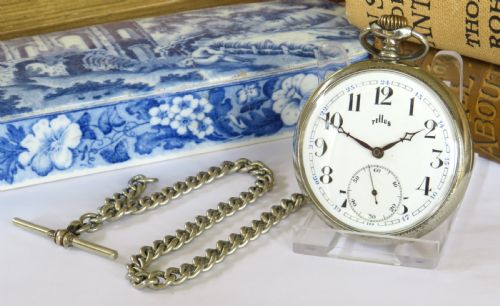


Art Deco Watch Chain
An art deco watch chain is a stylish period piece that secures a timepiece or doubles as a distinct necklace.
Art Deco Watch Chain
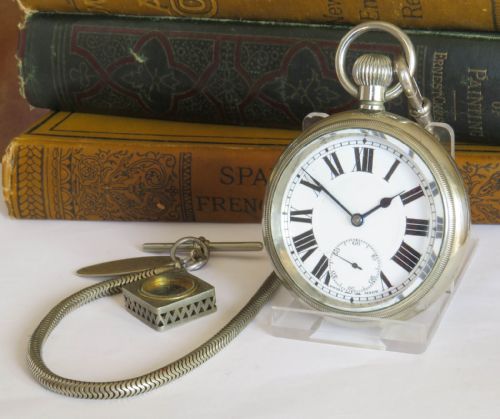
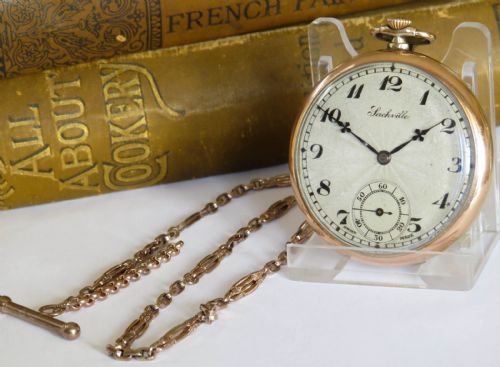
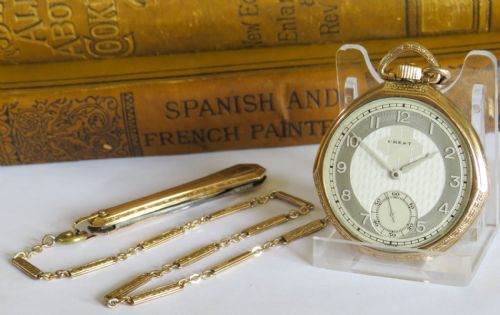
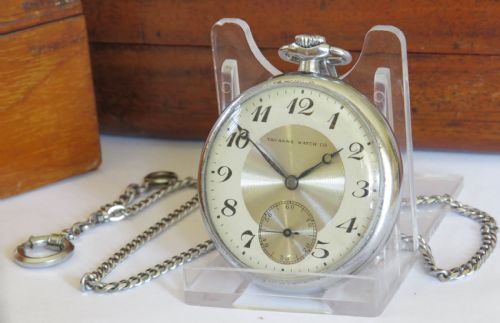
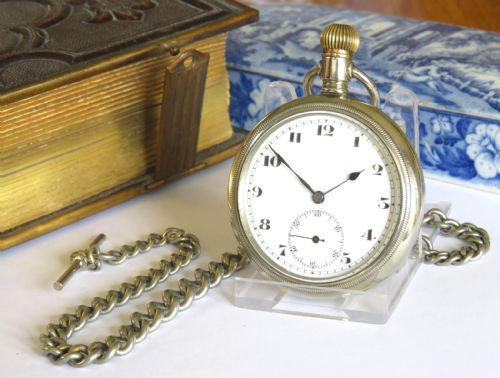
An art deco watch chain connects a pocket watch to a waistcoat or acts as a short necklace around the neck. These pieces frequently appear alongside pocket watches, compasses, and fob medals.
The selections span the 1920s and 1930s, reflecting the geometric and streamlined aesthetics of the period. Buyers most commonly encounter silver and gold variants fitted with dog clips and sturdy links.
Many examples double as necklaces due to their versatile lengths, ranging around fifteen to sixteen inches. They survive either as standalone chains or paired directly with period timepieces.
How they were made
Makers utilised metals such as silver, 9ct gold, 18ct gold, nickel, and gold filled or plated compositions to construct these durable lengths. Enamel and glass elements occasionally appear on accompanying fobs and pendants.
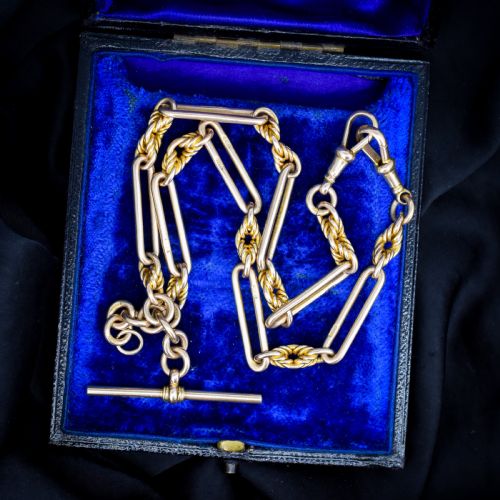
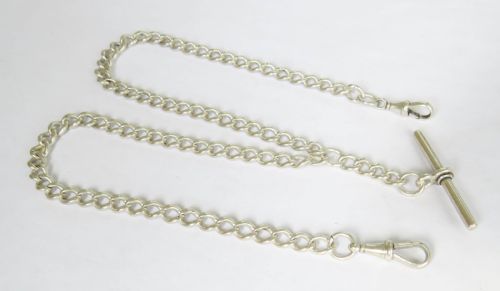
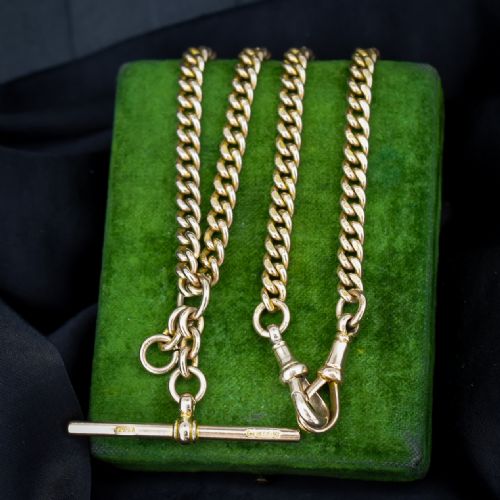
Links were formed into distinct patterns like trombone, love knot, uniform curb, and graduated curb formations. Dog clips and secure fastenings were soldered or attached to anchor the chains securely to garments.
Several chains come paired with heavy football and floral fob medals, proving that interwar enthusiasts took their local league bragging rights very seriously.
What varies in quality
Heavier gauges of gold and solid silver distinguish the more substantial pieces from lighter plated or nickel alternatives. The complexity of the link work, such as intricate trombone and love knot designs, elevates the workmanship.
The presence of original hallmarking and matching components like dog clips or inscribed fob medals adds tangible historical weight. Intact elements demonstrate the care taken by their original makers during the interwar years.
Tavannes·Horos·Tellus·Cyma·Pioneer·Tempo·Tièga
The Art Deco Watch Chain Glossary
- Dog clip
- A spring-loaded swivel fastening attached to the end of a watch chain. This mechanism clips securely onto pocket watch loops or pendant rings.
- T-bar
- A short transverse metal bar attached to the centre of an albert chain. It slips through a waistcoat buttonhole to anchor the watch safely.
- Half hunter
- A pocket watch featuring a case with a small glass aperture or outer ring on the cover. This allows the wearer to check the time without opening the case fully.
Art Deco Watch Chain: Frequently Asked Questions
Can I wear an art deco watch chain as a necklace?
Many of these chains measure between fourteen and sixteen inches in length, making them suitable to wear directly around the neck. Their substantial links and decorative dog clips give them the presence of a standalone necklace.
Historically designed to secure pocket watches, they easily transition into modern neckwear when detached from timepieces.
What materials were used for these chains?
Makers utilised a range of metals depending on the desired durability and cost. Options span solid 9ct and 18ct gold, silver, nickel, and gold filled or plated base metals.
Enamel and glass elements also appear on the fobs and medals frequently suspended from the links.
How do I secure an albert chain to clothing?
The central T-bar slips horizontally through a buttonhole on a waistcoat or jacket. The pocket watch or fob then fastens to the dog clip at the opposite end.
This traditional arrangement kept timepieces secure and accessible during daily wear in the nineteen-twenties and thirties.
What is the difference between a curb link and a trombone link?
A curb link consists of uniformly interlocked loops that lie flat against the clothing or skin. Trombone links feature alternating long and short geometric segments reminiscent of musical instrument construction.
Both styles provide the structural strength necessary to support pocket watches and medals.