




Art Deco Statuette
An art deco statuette brings the dynamic energy and sleek stylisation of the early twentieth century directly onto a mantelpiece or desk.
Art Deco Statuette
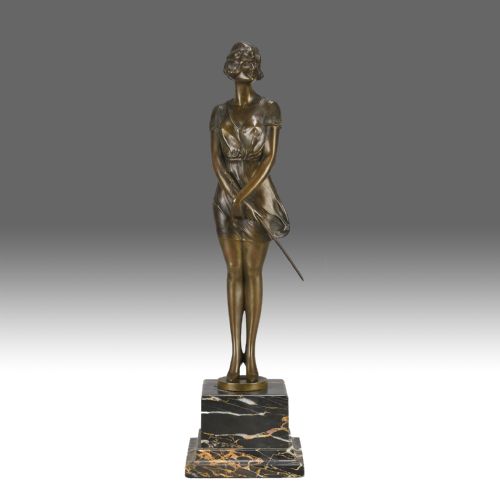
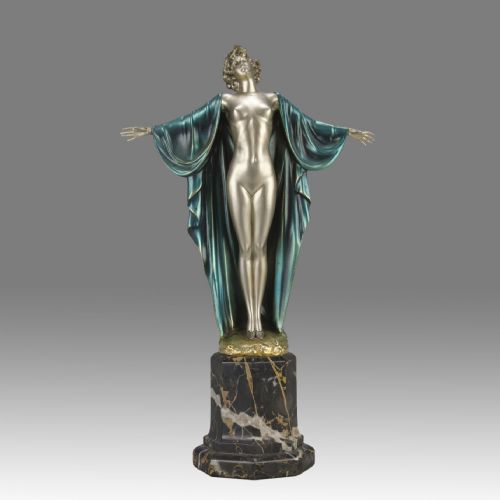
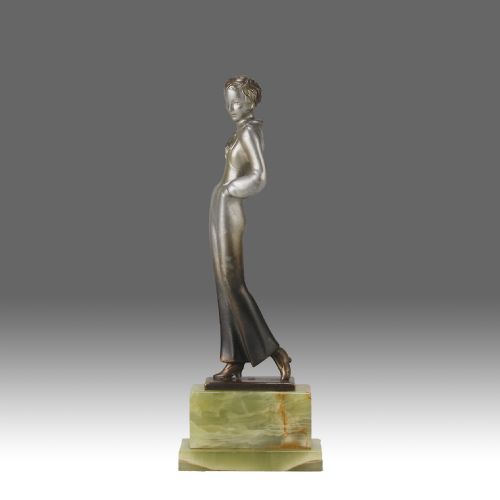
An art deco statuette encompasses a diverse range of tabletop sculptures and figurines produced primarily during the 1920s and 1930s. These pieces capture human dancers, stylised animals, and mythological figures through the distinct aesthetic lens of the twentieth century. Collectors encounter everything from cast metal dancers to moulded glass mascots.
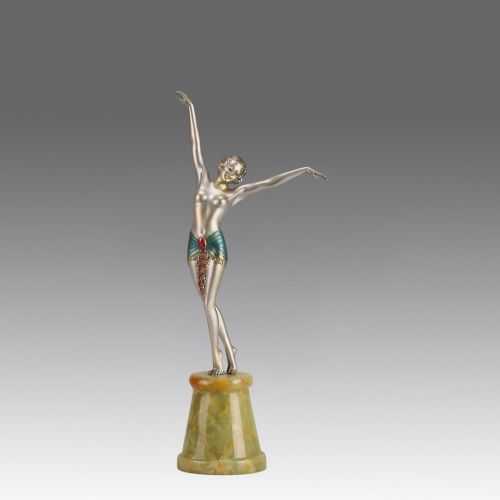
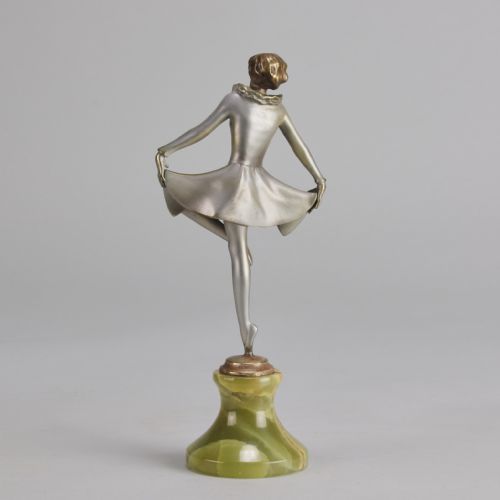
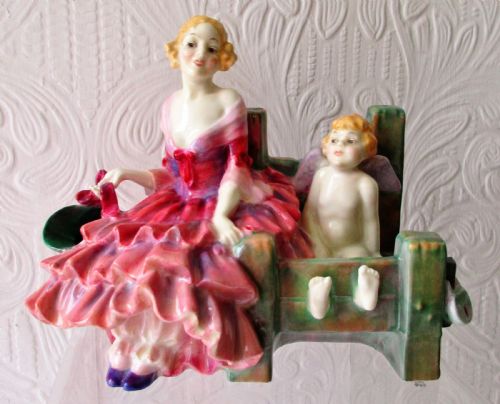
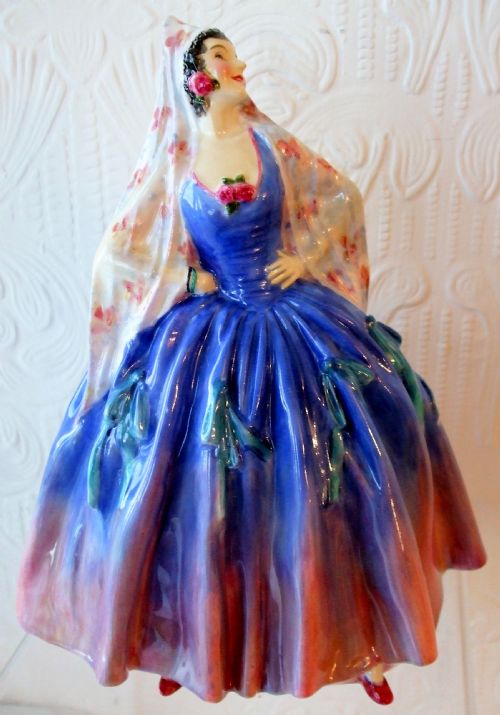
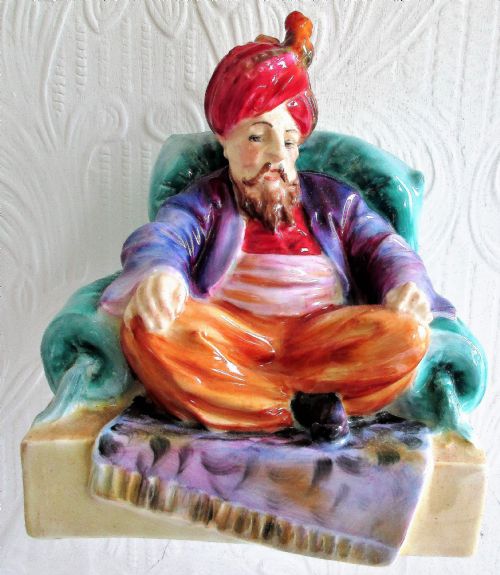
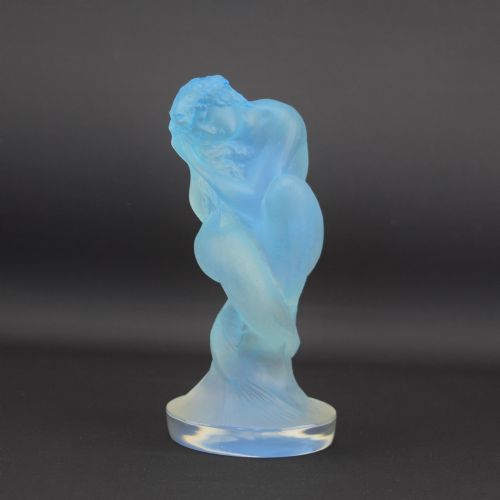
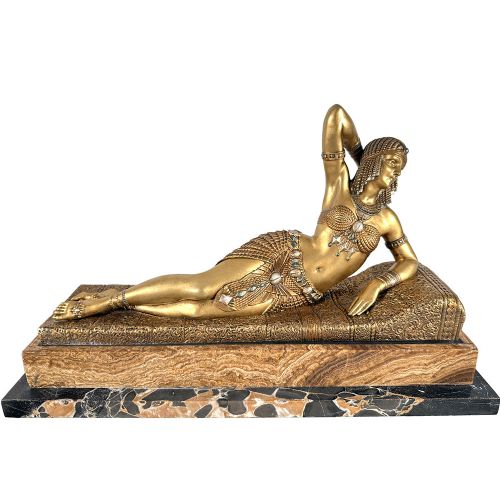
The selections on this page lean heavily towards cold-painted bronze human figures, English porcelain characters, and French opalescent glass objects. Works depicting agile dancers and sleek panthers dominate the forms, reflecting the motion and speed celebrated during the period.
How they were made
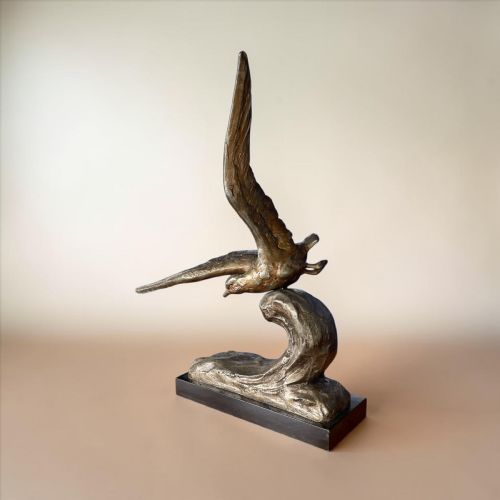
Makers utilised traditional lost-wax casting methods to shape bronze into intricate human and animal forms, often finishing the metal with cold-painted pigments, silvering, or gilding. Many bronze figures are mounted onto contrasting plinths made of black marble or onyx.
Glass pieces rely on pressed or moulded techniques, sometimes utilising opalescent or frosted finishes to catch the light. Porcelain statuettes achieve their coloration through glazed earthenware and bone china production methods.
Art Deco Statuette Retail Price Guide 2026
Typical asking prices for art deco statuette among the pieces listed under this phrase on Sellingantiques today, from the lower quarter to the upper quarter. They describe what is for sale here now, not the wider market.
Object forms range from car mascots and paperweights to large cabinet sculptures and porcelain figurines.
What varies in quality
The integration between the figure and its base matters significantly, particularly where bronze meets marble or onyx. Finer pieces demonstrate careful proportioning and balanced composition across the entire object.
Bruno Zach·Ferdinand Preiss·Josef Lorenzl·Royal Doulton·Rene Lalique·Claire Jeanne Roberte Colinet
The Art Deco Statuette Glossary
- Cold-painted bronze
- A technique where bronze receives a paint finish applied at room temperature rather than fired in a kiln. This method allows for vivid multi-coloured clothing and hair details on figurative bronzes.
- Opalescent glass
- Glass containing ingredients that cause it to milky-blue in transmitted light and warm amber in reflected light. This optical property defines many sculptural objects and car mascots from the period.
- Animalier
- A nineteenth and twentieth century artistic tradition focusing on the realistic or stylised depiction of animals. Sculptures in this category frequently capture panthers, birds, and pelicans in motion.
- Car mascot
- A sculptural ornament mounted on the radiator cap of an automobile during the early twentieth century. Many popular glass and bronze statuettes originally served this functional purpose before transitioning to cabinet displays.
- Patinated bronze
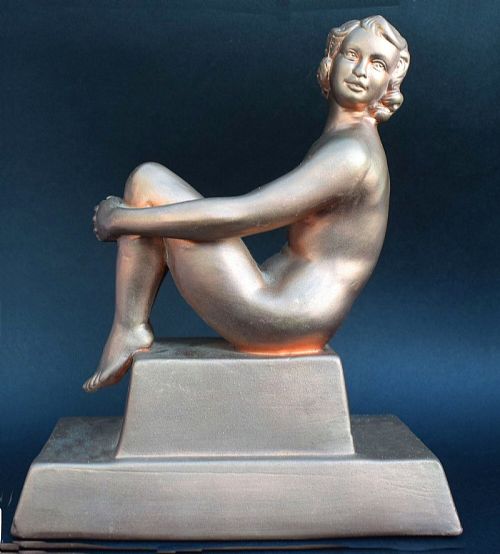
- Metal treated with chemical solutions to produce a specific surface colour or aged finish. This process accentuates the contours of clothed and nude figures alike.
Art Deco Statuette: Frequently Asked Questions
Where were most of these statuettes made?
The pieces originate primarily from European workshops, with French and Austrian foundries producing a large share of the metal sculptures. English potteries contributed significant quantities of porcelain figurines during the same decades.
Other notable regions include Spain and Germany, each bringing distinct regional materials and sculpting techniques to the broader movement.
How do I clean a bronze statuette?
Dusting gently with a dry, soft cloth remains the safest method for maintaining patinated and cold-painted bronze surfaces. Avoid using commercial metal polishes or water, as moisture can strip away delicate cold-painted pigments.
Marble and onyx bases tolerate a slightly damp cloth followed by immediate drying, provided moisture does not reach the metal join.
What is the difference between a mascot and a figurine?
Car mascots were originally engineered to mount onto automobile radiator caps, meaning they often feature a threaded hole or specific mounting base. Statuettes and figurines are self-contained sculptures designed strictly for tabletop or shelf display.
Despite their original automotive function, glass and bronze mascots frequently appear mounted on auxiliary plinths for indoor presentation.
How do I identify the period of a piece?
Stylistic markers such as streamlined drapery, geometric bases, and anatomical proportions typical of the 1920s and 1930s offer initial dating clues. Signatures, foundry marks, and registration numbers stamped into the bronze or glazed onto the porcelain base provide definitive chronological evidence.