




Art Deco Silver Shaker
An art deco silver shaker brings industrial geometry and cocktail hour glamour to a modern home bar.
Art Deco Silver Shaker
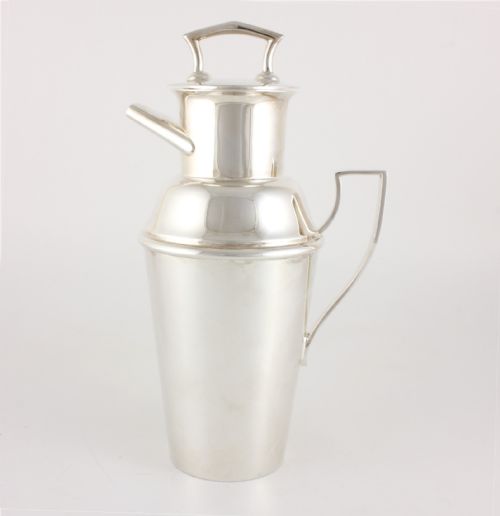
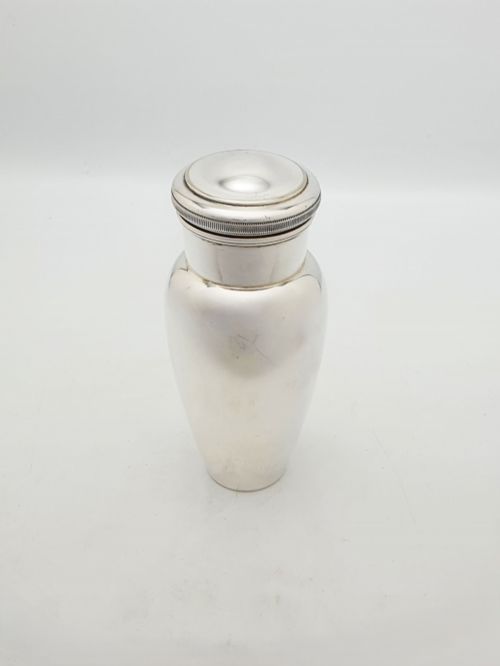
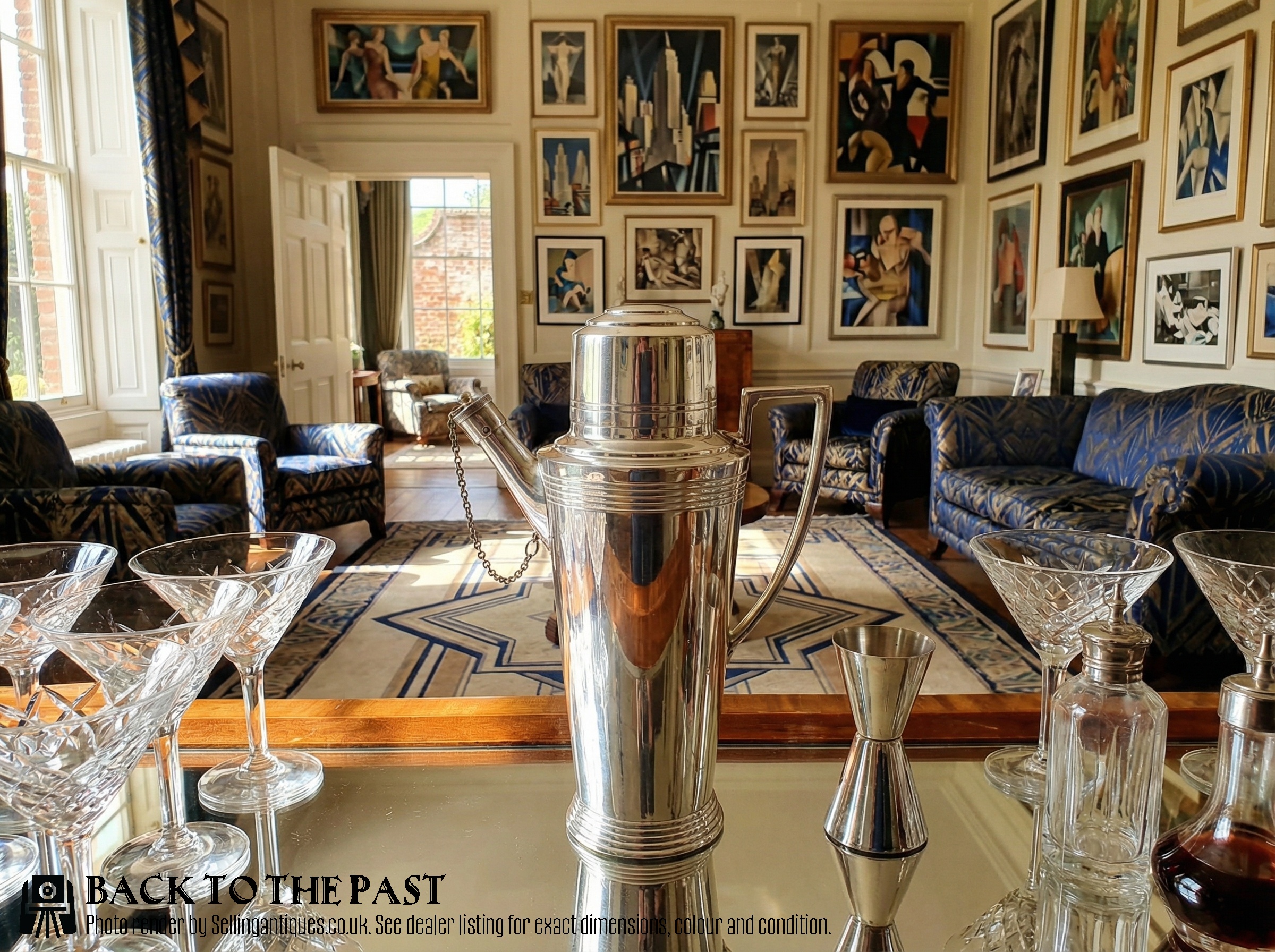
An art deco silver shaker is a functional barware vessel originating primarily from the 1920s, 1930s, and 1940s, designed for mixing drinks with distinct geometric flair. Buyers seeking these pieces encounter cylindrical vessels, milk churn shapes, and bullet profiles intended for home entertaining.
While solid sterling silver versions exist, the majority of examples found on this page consist of silver plate or electroplated nickel silver over base metal. Many incorporate functional additions such as internal lemon squeezers, built-in ice breakers, or rotating recipe mechanisms.
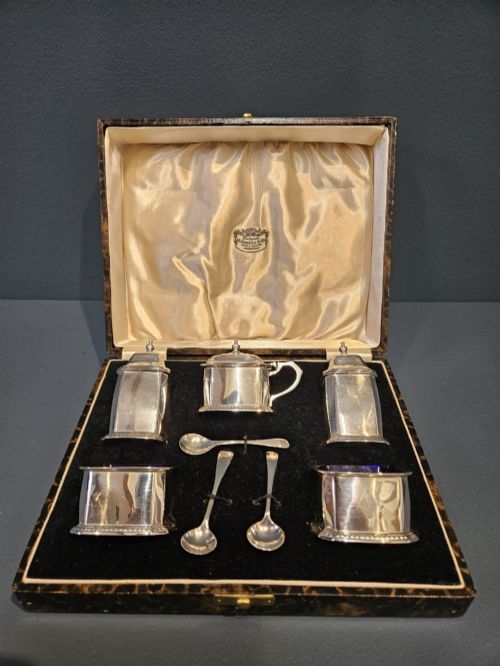
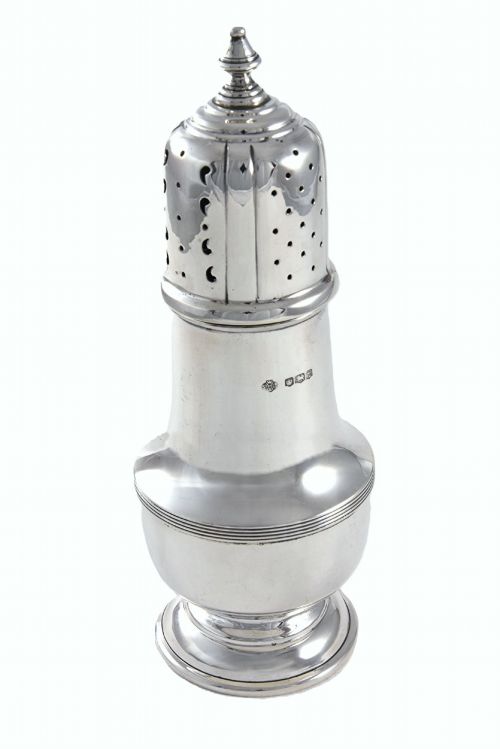
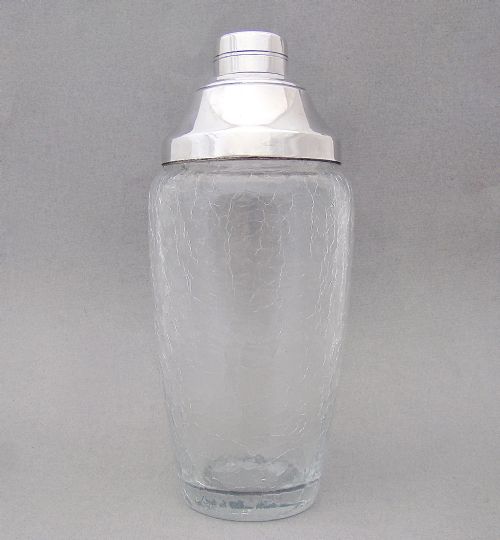
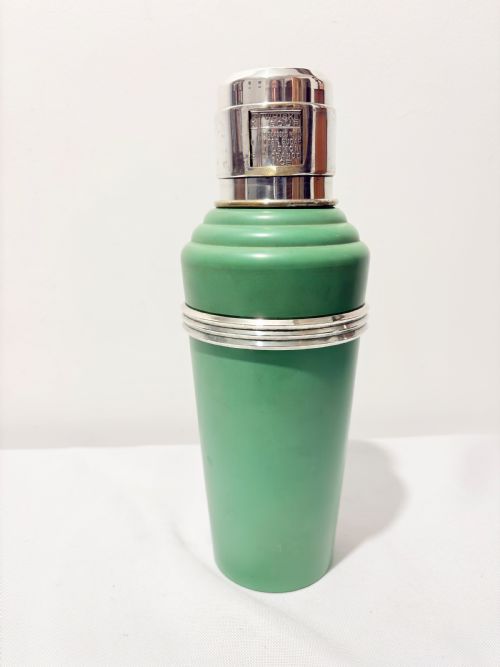
The selection extends beyond standard cocktail mixers to include sugar casters, cruet sets, salt and pepper shakers, and condiment sets sharing the same modernist styling. French, English, Italian, and Swiss makers produced these items, frequently pairing metal with crackle glass, enamel, or green Bakelite.
Materials and construction
Silversmiths utilised sterling silver or applied silver plating over base metal and electroplated nickel silver, often shaping the bodies through spinning or polygon stamping. Glass components like crackle glass and green Bakelite were combined with metal mounts to achieve striking textural contrast.
Surface decoration frequently involved engine-turning, geometric engraving, and enamel work to emphasise the sleek lines characteristic of the period. Cork stoppers and fitted metal lids ensured a secure seal during vigorous cocktail shaking.
Art Deco Silver Shaker Retail Price Guide 2026
Typical asking prices for art deco silver shaker among the pieces listed under this phrase on Sellingantiques today, from the lower quarter to the upper quarter. They describe what is for sale here now, not the wider market.
Listings feature silver plate, sterling silver, glass, enamel, and green Bakelite across shakers, cruet sets, and sugar casters.
Evaluating craftsmanship
Quality in an art deco silver shaker rests upon the weight of the metal, the crispness of engine-turned or engraved details, and the integrity of any mechanical elements like rotating recipes or built-in ice breakers. Makers who invested in thicker silver plate or solid sterling silver produced substantial items that retain their structural balance.
The precision of fit between removable components, such as lids, collars, and internal squeezers, distinguishes standard production items from superior workshop output. Well-preserved enamel work and intact glass bodies also elevate the overall standard of a piece.
Asprey & Co·Keith Murray·Hukin & Heath·J. B. Chatterley & Sons·James Dixon & Sons·Roberts & Belk·William Suckling·Wilmot Manufacturing Co.·C S Green & Co·Angelletti·Wilhelm Wolff·Roux-Marquiand
The Art Deco Silver Shaker Glossary
- Silver Plate
- A layer of silver bonded to a base metal core such as nickel silver or copper. This technique allowed makers to offer substantial tableware at a lower cost than solid silver.
- EPNS
- Electroplated Nickel Silver. A common base metal composition coated with a thin layer of silver through an electrolytic process.
- Engine-Turned
- A surface decoration technique involving precise geometric patterns mechanically etched into the metal. It creates a textured background that catches the light.
- Bakelite
- An early form of synthetic plastic used for handles, knobs, and decorative accents. Its presence often indicates a 1930s manufacturing date.
- Cruet Set
- A matched collection of small containers for holding condiments, vinegar, oil, salt, and pepper. These sets often mirror the geometric styling of larger barware.
Art Deco Silver Shaker: Frequently Asked Questions
How do I use an art deco silver shaker?
These vessels are fully functional for mixing cocktails using ice and spirits just as they were a century ago. Ensure cork seals and metal threads are clean before filling.
Hand washing with mild soap preserves the silver plate and any delicate glass components. Avoid abrasive cleaners that can damage engraved geometric patterns or engine-turned surfaces.
What is a novelty cocktail shaker?
Novelty shakers take unusual shapes such as milk churns, zeppelins, or roosters rather than standard cylinders. Makers used these playful designs to entertain guests at cocktail parties.
Despite their whimsical exterior, they retain standard internal straining mechanisms for preparing drinks. Collectors prize these imaginative forms for their scarcity.
How do I date a silver shaker?
Hallmarks stamped onto sterling silver pieces provide specific assay office symbols and date letters for exact identification. Silver-plated items rely on maker marks, style indicators, and registration numbers.
The presence of green Bakelite, specific modernist fonts, and crackle glass typically points toward production in the 1930s.
What are recipe cocktail shakers?
Recipe shakers feature outer metal sleeves with rotating outer bands or engraved text detailing proportions for classic drinks. Users aligned windows on the exterior casing to reveal ingredient quantities.
These interactive barware pieces were produced by English and Italian makers during the height of the cocktail era.