



Antique Cocktail Mixer
An antique cocktail mixer brings the geometric elegance of the early twentieth century directly to the home bar.
Antique Cocktail Mixer
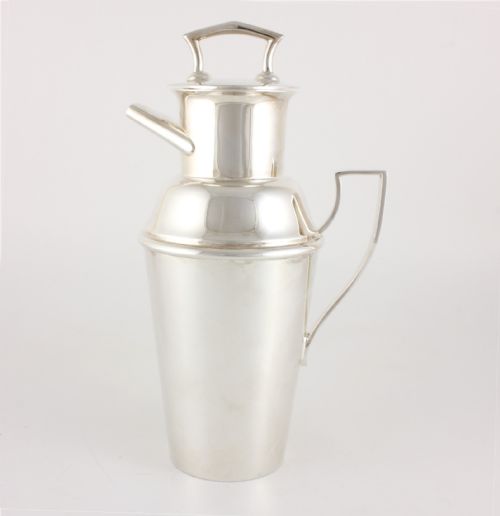
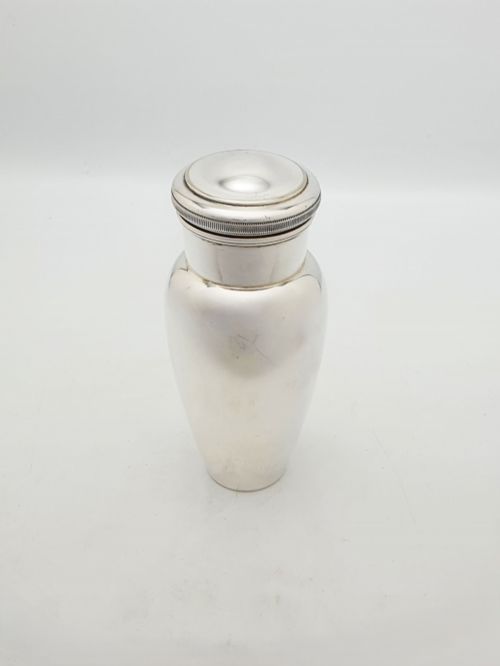
When searching for an antique cocktail mixer, collectors encounter barware spanning from the nineteen hundreds through the nineteen sixties, with the nineteen thirties representing the most common period. These vessels include cocktail shakers and complete bar sets designed to aerate and chill spirits.
Most examples originate from English, French, American, and Italian workshops, reflecting international shifts in entertaining habits. The predominant aesthetic is Art Deco, though occasional Modernist and Art Nouveau specimens appear among the listings.
How they were made
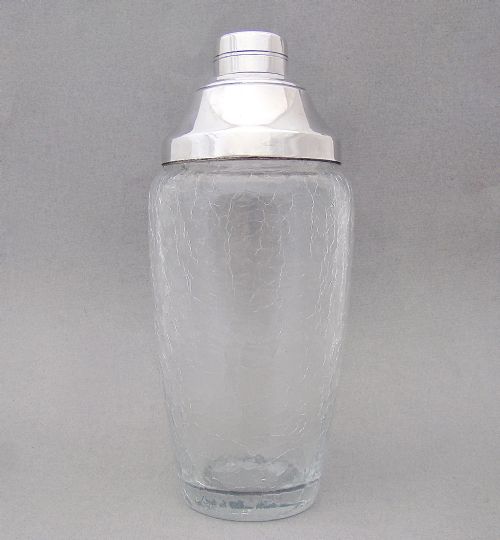
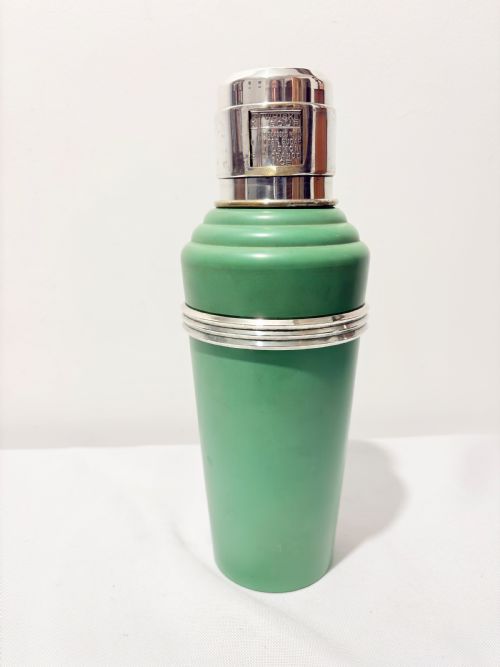
Makers utilised silver plate, electroplated nickel silver, and sterling silver over metal or glass bodies to construct these vessels. Many pieces incorporate functional elements like cork stoppers, green Bakelite handles, and internal ice breakers or lemon squeezers.
Surface decoration frequently involves engine-turned geometric patterns, enamel detailing, or integrated rotating recipe cylinders that display cocktail combinations through cut-out windows.
What varies in quality
The distinction between ordinary and superior pieces rests on the integrity of the maker's mark and the precision of mechanical components such as rotating recipe bands or snug-fitting corks. Master silversmiths and notable firms produced heavier, more balanced vessels with crisp engine turning.
Asprey & Co·Hukin & Heath·James Dixon & Sons·William Suckling·Mappin & Webb·Adie Brothers·C S Green & Co·John Grinsell
The Antique Cocktail Mixer Glossary
- EPNS
- Electroplated nickel silver forms the base metal for a large proportion of silver-plated barware. This method coats a durable base alloy with a thin layer of pure silver.
- Engine turned
- A decorative technique involving precise geometric patterns engraved mechanically into the metal surface. It was heavily utilised during the Art Deco period.
- Bakelite
- An early form of synthetic plastic used for handles, knobs, and decorative accents on barware. Its green variant is typical of mid-century pieces.
- Recipe shaker
- A specialised vessel featuring a rotating metal sleeve with cut-outs that reveal cocktail ingredients. Users twist the exterior band to read proportions.
- Milk churn
- A colloquial shape descriptor for barware mimicking the cylindrical profile of agricultural dairy containers. These shakers often feature stepped Art Deco lids.
Antique Cocktail Mixer: Frequently Asked Questions
How do I use a recipe shaker?
Rotate the outer metal sleeve until the desired drink title aligns with the window slots. The underlying cylinder then displays the correct proportions of spirits and mixers for that specific cocktail.
Ensure the internal components remain clean and dry after use to preserve the mechanical action of the rotating band.
What metals are these mixers made from?
The primary materials include silver plate, electroplated nickel silver, sterling silver, and brass. Glass bodies wrapped in metal framework or paired with silver tops also appear frequently.
Manufacturers often combined these metals with glass, cork, and Bakelite to create durable vessels for daily mixing.
How do I date an Art Deco cocktail mixer?
Examine the piece for hallmarks stamped on the base or rim, which identify the silversmith and the manufacturing period. Stylistic cues such as strict geometric engine turning and Bakelite accents typically point to the nineteen twenties and nineteen thirties.
Makers' marks combined with registration numbers help narrow down the production decade further.
Are these vintage mixers still functional?
Most pieces remain fully usable for preparing drinks, provided the seals and cork components are intact. Gentle hand washing preserves the silver plate and mechanical recipe bands.
Avoid soaking vintage pieces with cork or Bakelite elements in water for extended periods to prevent material degradation.