
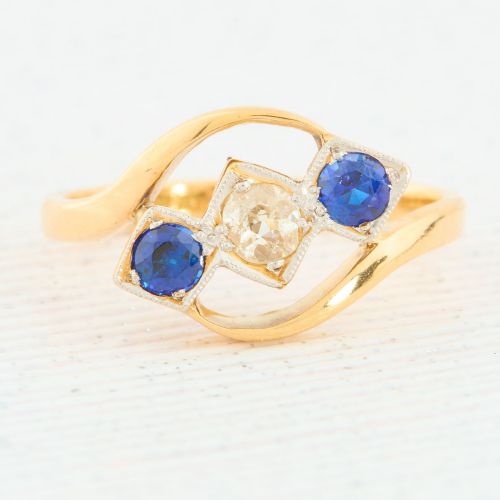
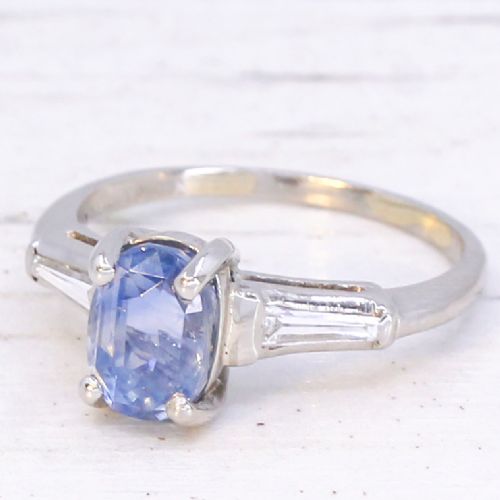
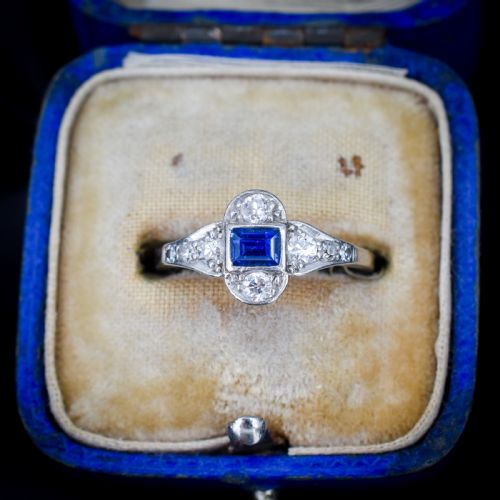
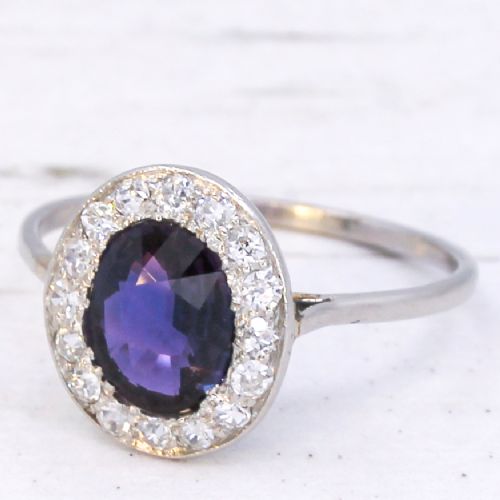

Art Deco Sapphire Diamond
Discover art deco sapphire diamond pieces, where geometric symmetry meets deep blue and sparkling brilliance to elevate any jewellery collection.
Art Deco Sapphire Diamond
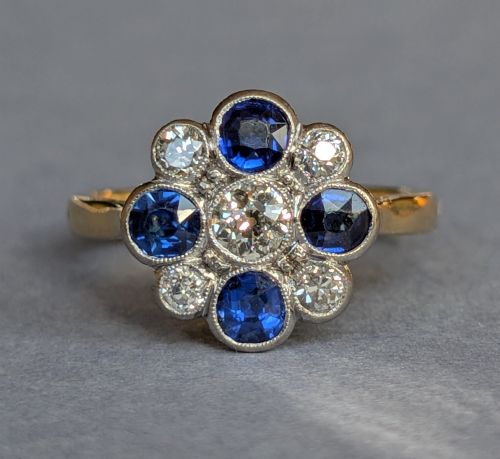
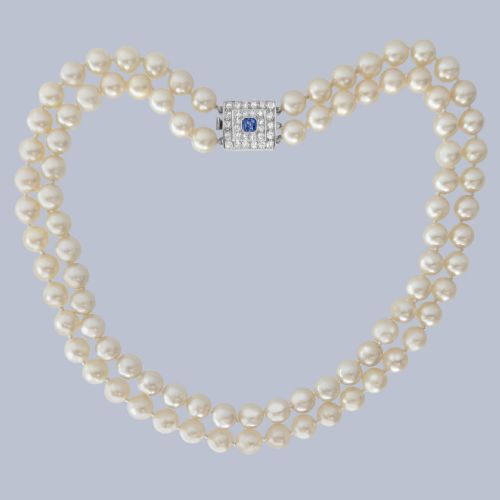
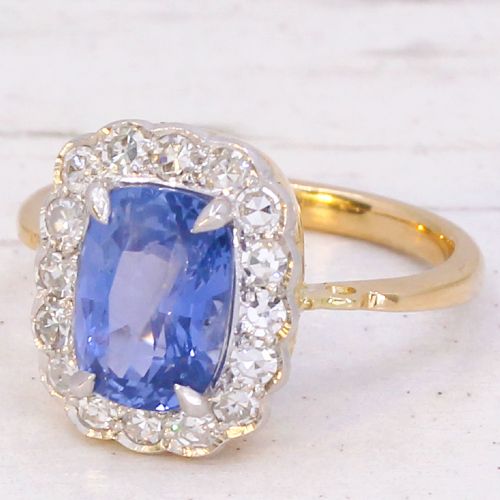
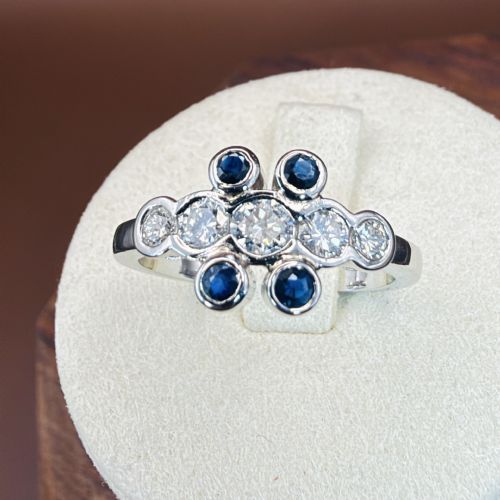
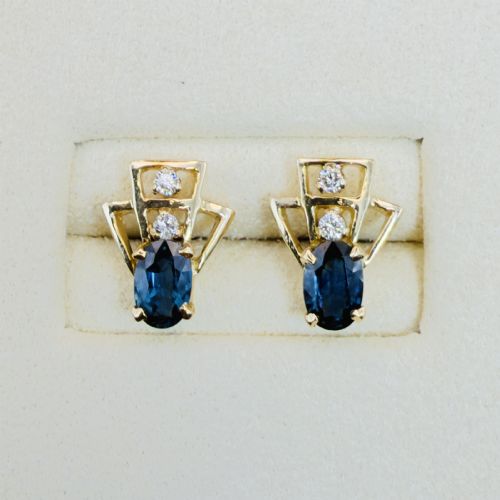
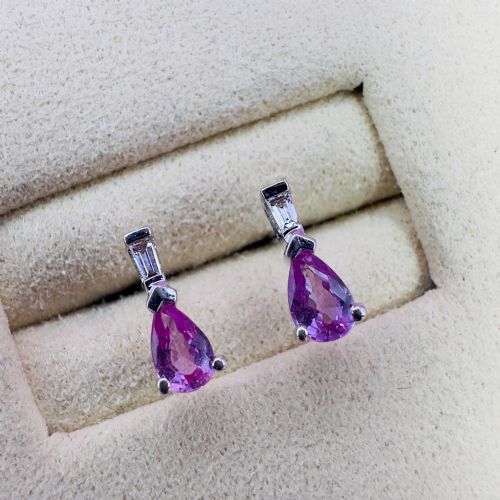
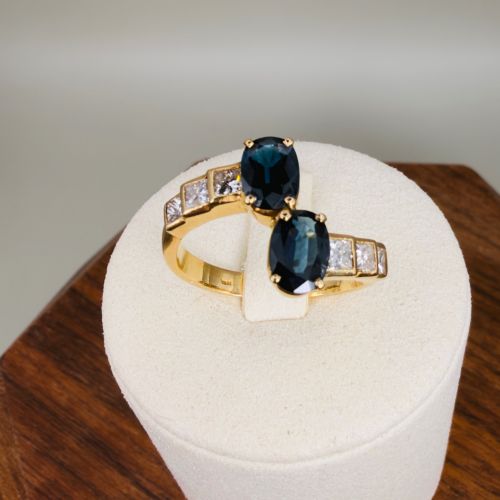
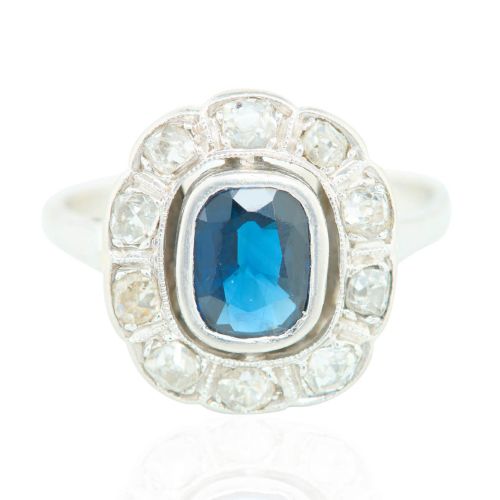
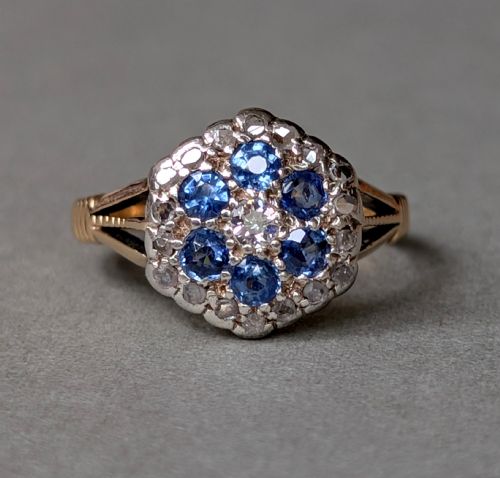
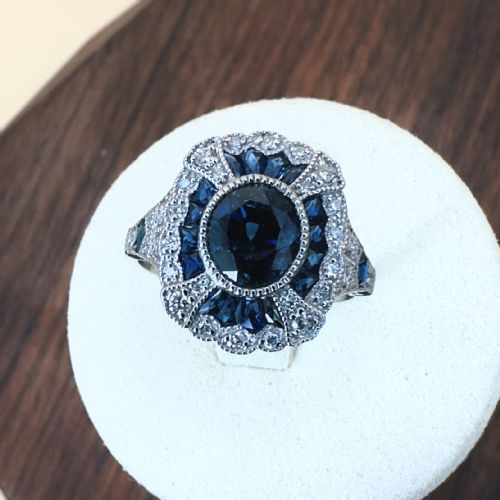
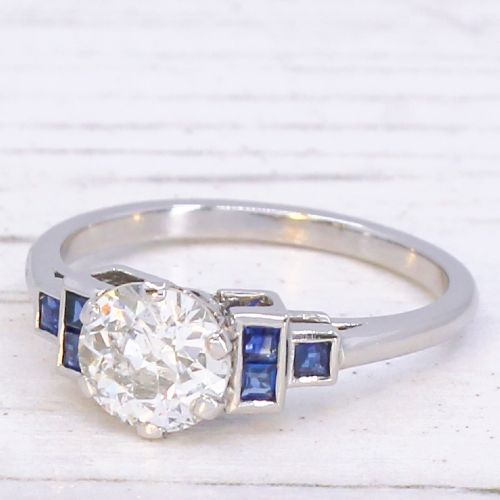
Art deco sapphire diamond items encapsulate the geometric precision and bold ornamentation characteristic of the interwar years. Rings dominate the selections available, spanning cluster, target, and solitaire formats alongside bracelets, brooches, and stud earrings.
The aesthetic bridges the late Edwardian era and mid-century revivals, utilising platinum and 18ct gold settings. Buyers frequently encounter blue sapphires alongside pink, yellow, and unheated varieties originating from Ceylon, Burma, and Kashmir.
How They Were Made
Goldsmiths utilised platinum and 18ct white or yellow gold to form robust yet delicate mountings that could securely house intricate gemstone arrangements. Platinum gained favour for its strength, allowing fine claw settings and millegrain edges without bulk.
Gemstones were cut into distinctive geometric shapes including calibre, baguette, trapezoid, and step cuts to fit precise architectural layouts. Old cut, transitional, and rose cut diamonds were paired with natural sapphires, often incorporating pierced openwork galleries.
Listings feature platinum, 18ct gold, and 14ct yellow gold alongside unheated Burmese, Ceylon, and Kashmir sapphires.
What Varies in Quality
Excellence in these items relies upon the natural origin, saturation, and thermal treatment status of the sapphires, with unheated stones from sources like Burma, Ceylon, or Kashmir commanding higher regard. The precision of the diamond cuts and the integrity of hand-carved platinum or gold work further distinguish finer examples.
Design complexity and structural preservation dictate the standing of a piece within its category. Intricate calibre-cut arrangements and signed or French-marked mountings demonstrate superior craftsmanship compared to standard commercial output.
The Art Deco Sapphire Diamond Glossary
- Calibre cut
- Gemstones specifically shaped and faceted to fit tightly together in a geometric pattern without visible metal separating them. This technique defines many linear borders in period jewellery.
- Millegrain
- A decorative technique featuring a row of tiny raised metal beads along the edges of a setting. It softens the transition between metal and stone with subtle texture.
- Cluster ring
- A central gemstone surrounded by a border of smaller stones, typically diamonds encircling a larger sapphire. This arrangement maximises overall visual impact and perceived scale.
- Old cut
- A diamond cutting style prevalent before modern brilliant standards, characterised by a smaller table, higher crown, and open culet. These stones produce a distinctive softer candlelight gleam.
- Navette
- A boat-shaped gemstone setting that tapers to sharp points at both ends. It creates an elongated silhouette across the finger.
Art Deco Sapphire Diamond: Frequently Asked Questions
What defines art deco sapphire diamond jewellery?
These pieces are defined by strong geometric lines, symmetrical motifs, and a distinct lack of Victorian sentimentality. They combine the cool white of platinum or white gold with vibrant blue sapphires and contrasting diamond accents.
Craftsmanship from this era prioritized architectural structure, utilising calibrated stone cutting and intricate openwork metal frames. The resulting aesthetic remains instantly recognisable for its modernism and refined elegance.
How do I care for my ring?
Daily maintenance involves removing jewellery before engaging in strenuous physical work, gardening, or swimming to protect fragile settings and soft gold. Regular cleaning with warm soapy water and a soft brush removes accumulated oils and restores stone brilliance.
Store pieces individually in lined boxes to prevent metal-on-metal abrasion or diamond facets scratching softer sapphires. Periodic professional checks ensure claws remain secure around each gemstone.
Are these pieces suitable for daily wear?
Platinum and 18ct gold mountings provide the structural durability required for regular wear when paired with robust stone settings. However, antique items require mindful handling to preserve delicate millegrain edges and intricate gallery work.
Owners often select sturdier bezel or low-profile cluster configurations for everyday use while reserving fragile calibre-cut or high-prong designs for special occasions.
How can I tell periods apart?
Period identification relies on observing specific metal choices, gemstone cuts, and overall design motifs. The early phase incorporates Edwardian platinum lightness, while 1920s and 1930s examples lean into strict abstraction and bold geometric symmetry.
Later mid-century iterations often reintroduce yellow gold alongside heavier, more rounded organic forms. Maker marks, French import stamps, and specific diamond cutting transitions also clarify dating.