




Art Deco Sapphire Cluster
Discover an art deco sapphire cluster, where vibrant blue and colourful gems meet geometric diamond surrounds in enduring period settings.
Art Deco Sapphire Cluster
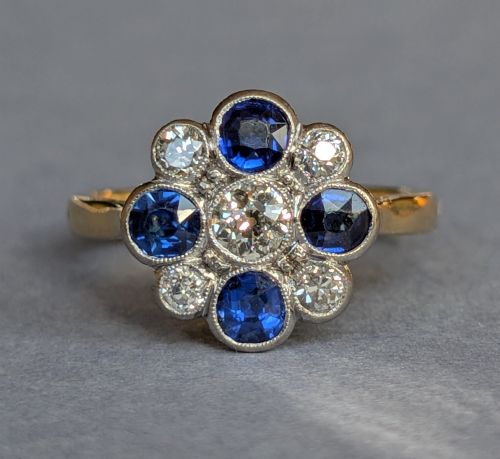
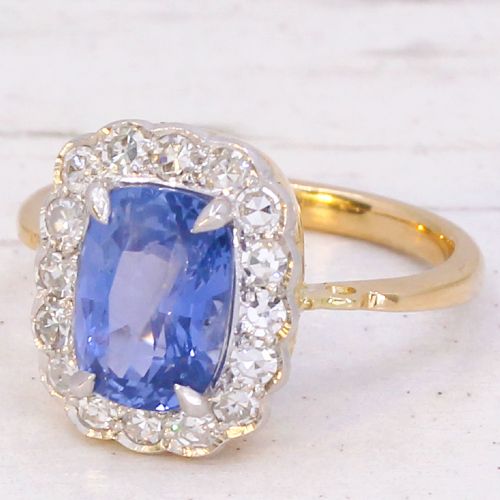
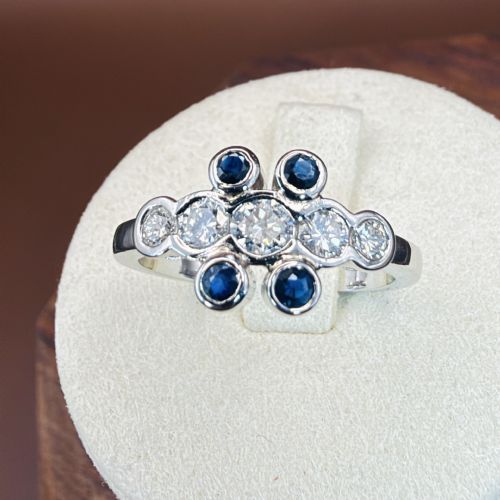
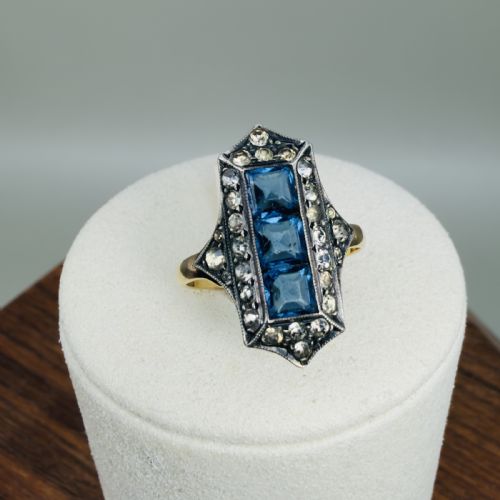
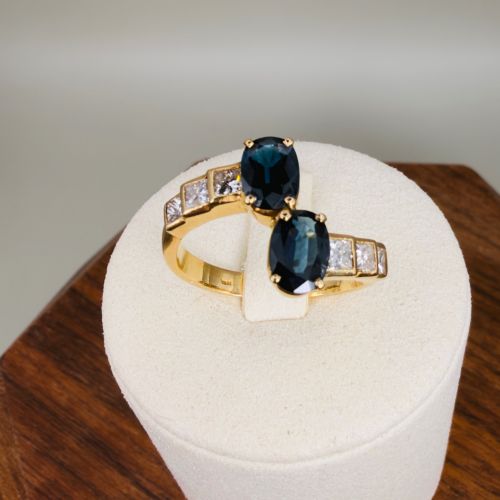
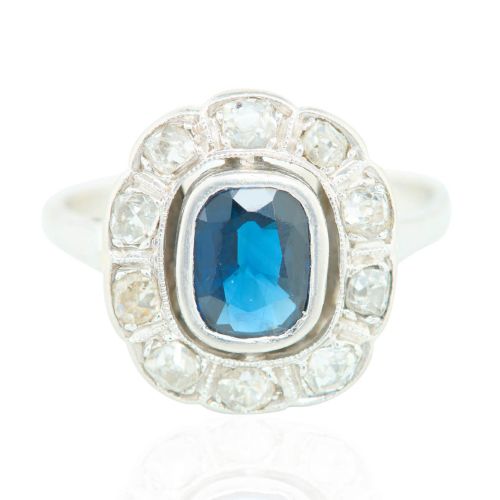
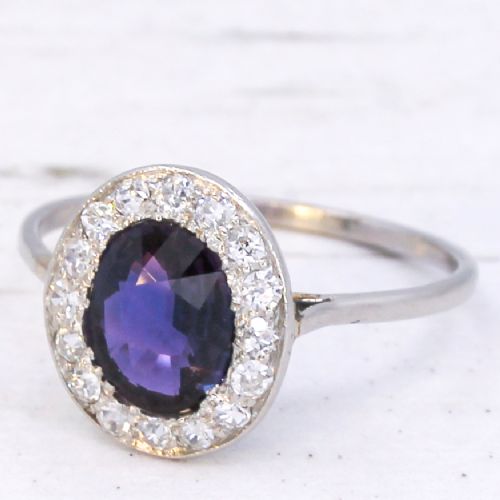
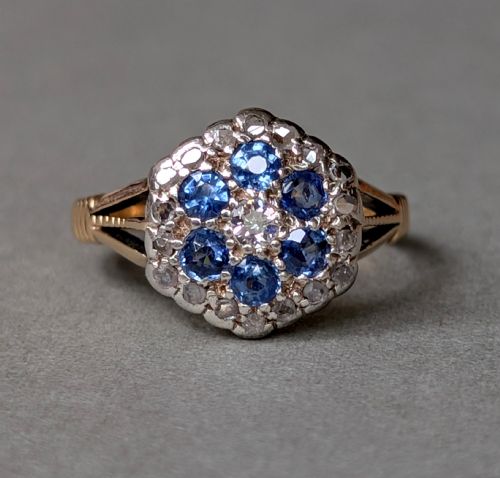
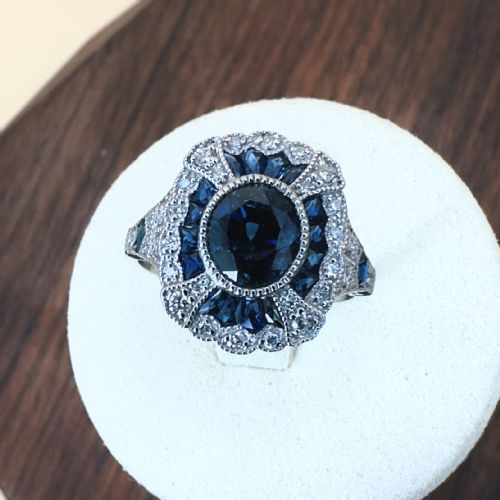
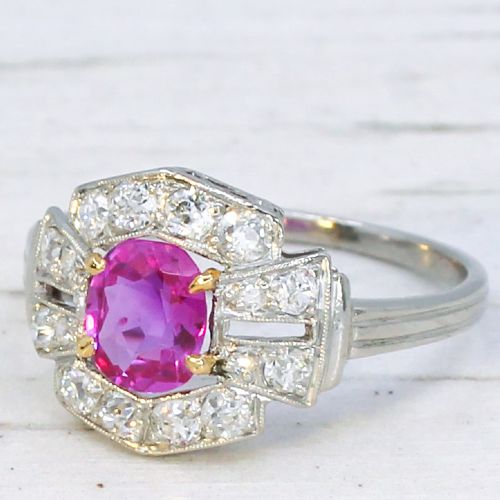
An art deco sapphire cluster brings together vibrant central gemstones framed by precise geometric arrangements of diamonds. These pieces originate primarily from the 1920s and 1930s, capturing the distinct architectural spirit of the period.
Buyers encounter variations featuring blue, pink, and yellow sapphires alongside unheated stones originating from regions such as Ceylon and Burma. Settings utilise platinum and various carats of yellow and white gold to support the clustered designs.
Materials and Technique
Master jewellers combined durable platinum with 18ct white and yellow gold to construct lightweight yet robust metal frameworks. This metalwork often incorporates millgraining and openwork galleries to enhance the reflection of light through the stones.
Centres feature step-cut, oval, or round sapphires encircled by old-cut, princess-cut, or calibre-cut diamonds. Calibré-cut stones are shaped precisely to fit edge-to-edge within specific geometric channels, demonstrating advanced technical skill.
Periods represented span from the Edwardian era through the 1920s, 1930s, and 1940s into mid-century revivals.
Judging Quality
Quality rests upon the natural origin, saturation, and heat treatment status of the central sapphire, alongside the cut and clarity of the surrounding diamonds. Untreated stones with balanced colour saturation and high transparency command greater attention from collectors.
The precision of the metalwork and the tightness of stone settings distinguish finer examples from standard production. Original geometric symmetry and intact millgrain borders indicate superior workshop execution.
The Art Deco Sapphire Cluster Glossary
- Calibré cut
- Small gemstones cut into specific geometric shapes to fit closely together in a continuous line or pattern. This technique demands exceptional precision from the lapidary.
- Target ring
- A circular cluster design featuring a central stone enclosed by one or more concentric rings of contrasting gems. The concentric layout creates a bullseye visual effect.
- Navette
- A boat-shaped gemstone setting that tapers to sharp points at either end. This elongated silhouette flatters the hand when worn as a ring.
- Milgrain
- A decorative border of tiny raised metal beads along the edges of a setting. It provides a soft, textural finish typical of period jewellery.
- Old-cut diamond
- A hand-faceted diamond shape popular before modern brilliant-cut standards were established. These stones feature smaller tables and larger culets that produce a softer candlelit sparkle.
Art Deco Sapphire Cluster: Frequently Asked Questions
How do I wear an art deco sapphire cluster daily?
These pieces suit everyday wear provided you remove them during heavy manual tasks or swimming. Platinum and gold settings hold stones securely, but regular checks by a professional jeweller ensure prongs remain tight.
Pairing a ring with plain bands prevents rubbing between adjacent jewellery. Storing each piece in a separate fabric-lined compartment protects the sapphire facets from scratching other items.
Are all sapphires in these rings heat treated?
Not all sapphires from this period undergo heat treatment to enhance their colour and clarity. Listings frequently specify whether a stone is unheated or originates from classic locations like Ceylon and Burma.
Laboratory certificates often accompany unheated stones to verify their natural status. These untreated examples are particularly valued by collectors.
How do I tell an original 1920s ring from a later reproduction?
Original pieces show period-specific construction methods such as hand-cut stones, integrated platinum-topped gold shanks, and authentic wear consistent with age. Maker marks and traditional alloy proportions also provide clues to the decade of manufacture.
Revival pieces from subsequent decades utilise different casting techniques and modern gem cuts. Examining the mounting under magnification reveals the hand-finished details characteristic of authentic antique workshops.