


Art Deco Pin Dish
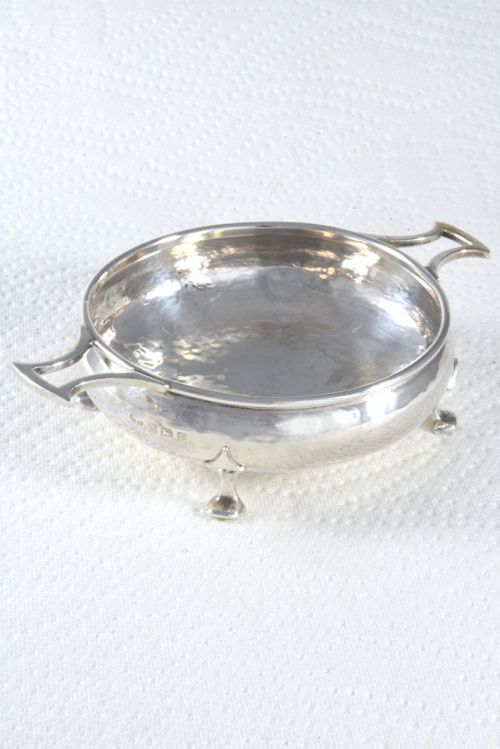
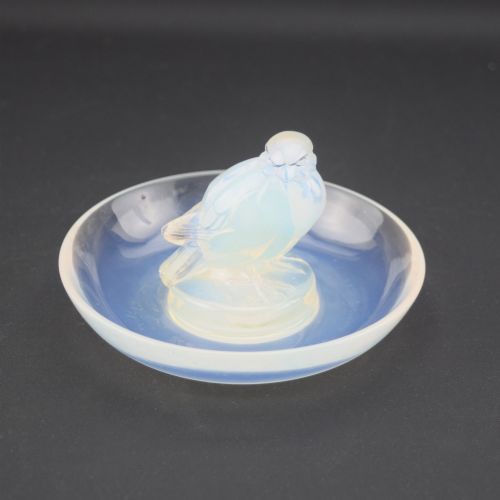
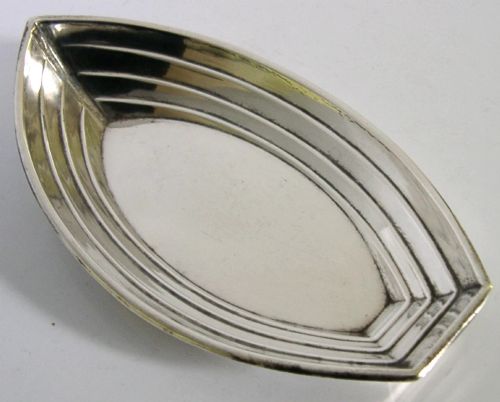
An art deco pin dish brings miniature geometric flair and tactile glass or silver to a dressing table or desk.
Art Deco Pin Dish
Buyers will encounter various forms including small decorative dishes, trinket dishes, ashtrays, miniature bowls, and desk tidies. These items often cross over into broader categories of silverware and moulded glassware produced during the height of the Art Deco and George V eras.
What varies in quality
The distinction between standard production and superior craftsmanship rests in the crispness of the moulded relief on glass or the precision of the hand-applied enamel on silver. Maker attribution and documented factory output heavily influence the standing of an individual piece.
Material choice and complexity of form dictate the overall character, where heavier gauges of silver or intricate multi-part bronze and enamel constructions demonstrate higher artisan investment.
Listings combine sterling silver, opalescent glass, porcelain, and spelter across pieces dated from nineteen hundred to nineteen thirty.
John Grinsell And Sons·Mappin And Webb·Rene Lalique·Royal Copenhagen·Wallace·Wedgwood
The Art Deco Pin Dish Glossary
- Guilloche enamel
- A decorative technique where a geometric pattern is mechanically engraved beneath a translucent layer of coloured enamel. This method was widely applied to small silver trays and compacts during the early twentieth century.
- Opalescent glass
- Glass that displays a milky, iridescent quality with bluish highlights when lit from certain angles. It is a defining material of many French decorative dishes from the period.
- Triskelion
- A motif consisting of three interlocked spirals or bent legs arranged in rotational symmetry. It appears in silverwork to create distinctive triangular compartments or handle arrangements.
- Spelter
- A zinc alloy frequently cast into sculptural figures and decorative dishes during the period. It provided an economical alternative to bronze before receiving painted or patinated finishes.
- Engine turned
- A mechanical surface decoration method producing precise, intricate geometric patterns of lines. Silver dishes and bowls often feature this linear engraving across their flat surfaces.
Art Deco Pin Dish: Frequently Asked Questions
What was an art deco pin dish used for?
These small vessels served as tidy receptacles on dressing tables, desks, and hallways for holding loose pins, cufflinks, keys, and pocket change.
They also functioned as ashtrays or small serving dishes for butter and sweets during formal gatherings.
How do I identify glass types?
Opalescent glass catches the light with a milky blue sheen, whereas frosted glass has a uniform matte finish achieved through acid etching or sandblasting.
Clear glass versions rely entirely on the depth of the moulded relief for their visual impact.
How should I clean silver dishes?
Sterling silver benefits from occasional gentle cleaning with a soft cloth and a specialised silver polish to remove tarnish without scrubbing away fine hallmarks.
Enamelled or glass components require careful avoidance of harsh chemical dips that can damage delicate surfaces.
Are these items marked with maker details?
Silver examples typically carry hallmarks indicating the assay office, year, and maker's stamp on the underside or rim.
Glass pieces often feature moulded signatures or engraved studio marks near the base.