
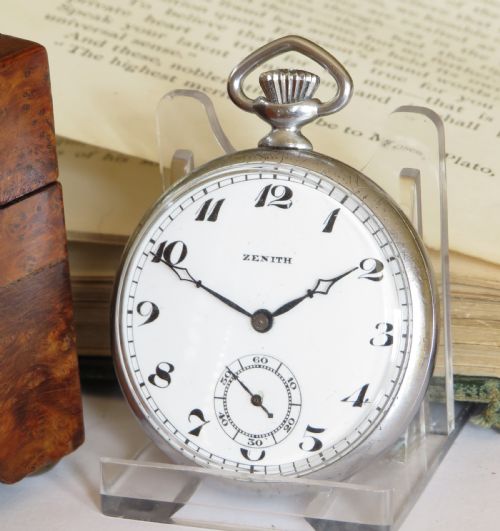
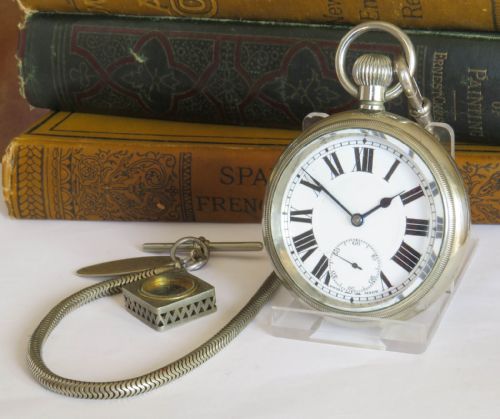
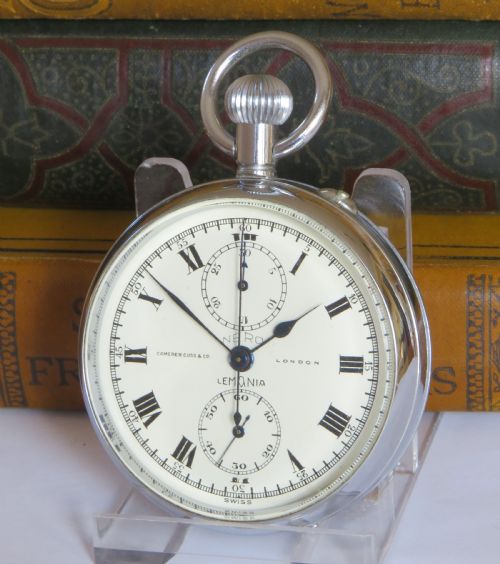
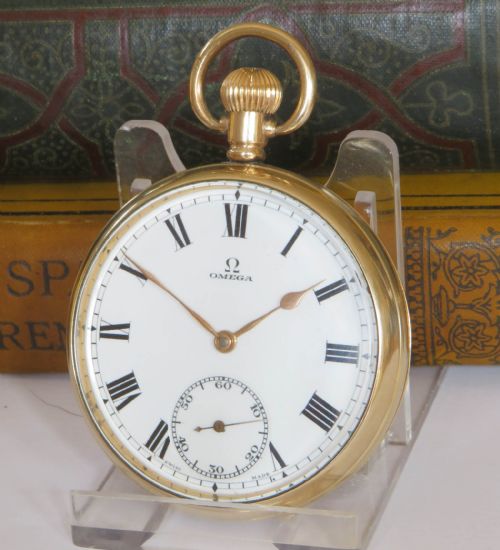
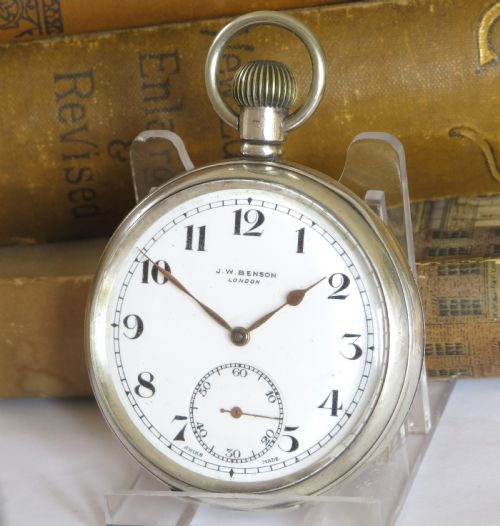
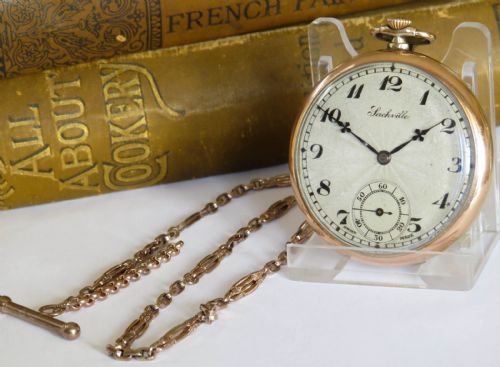
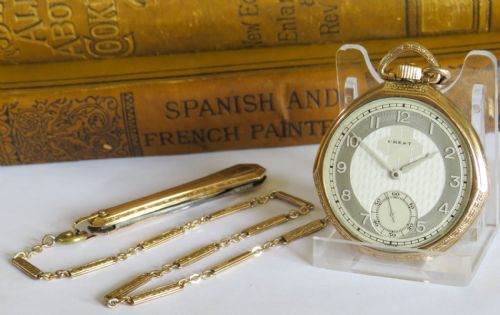
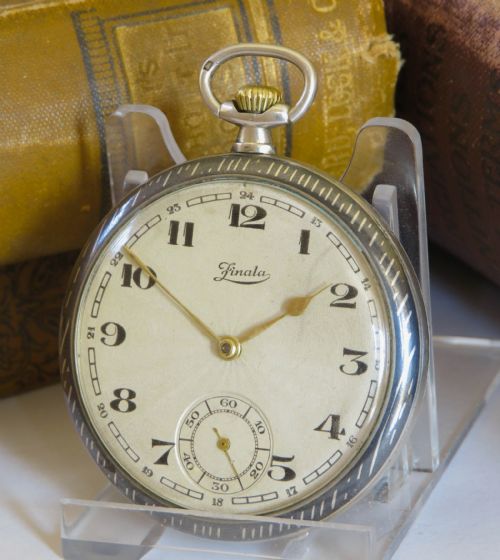
Art Deco Open Face Watch
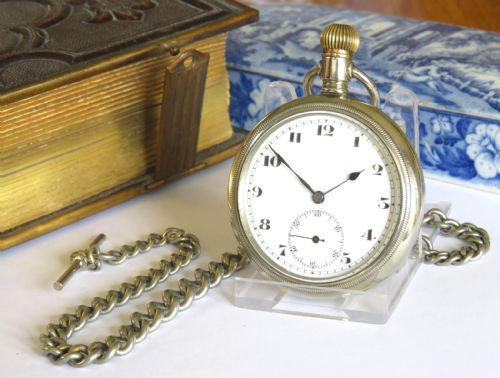
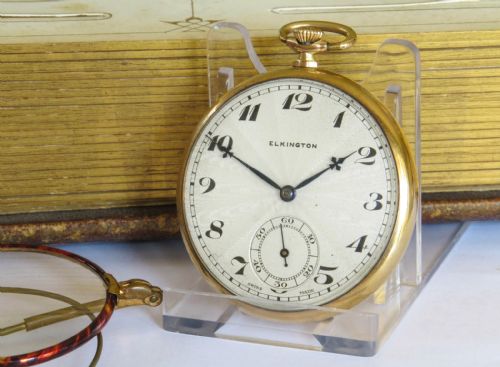
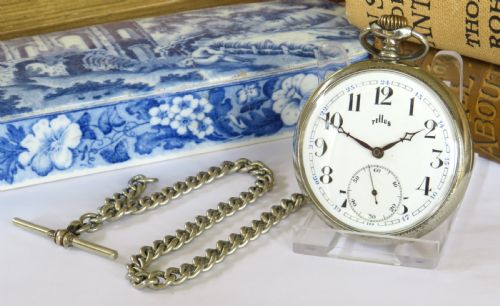
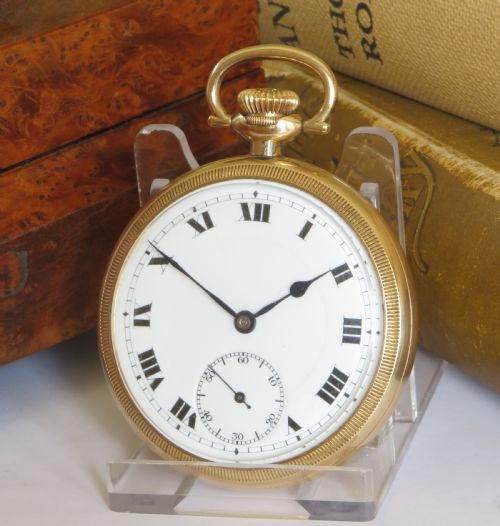
An art deco open face watch is a pocket timepiece defined by geometric restraint, offering a direct glance at the dial without a protective front cover.
Art Deco Open Face Watch
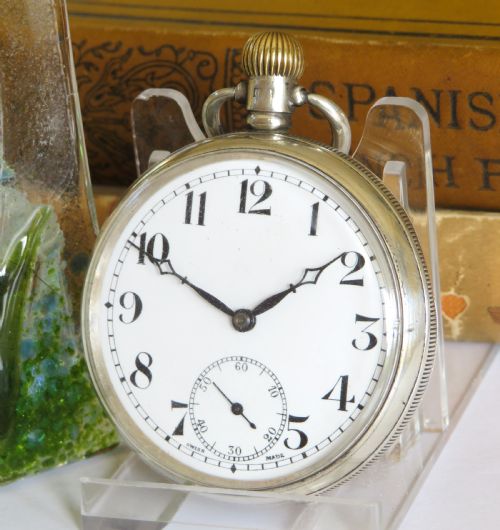
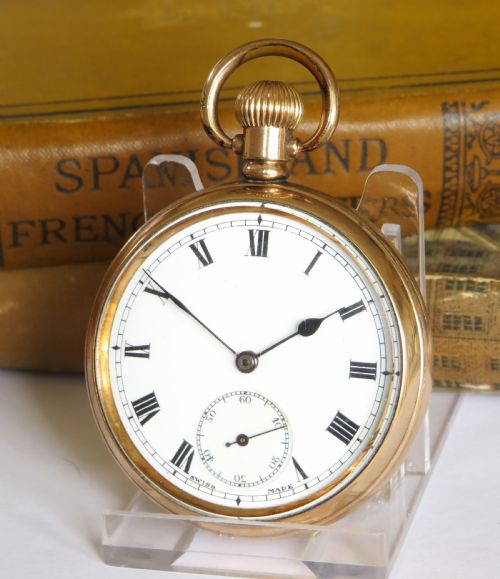
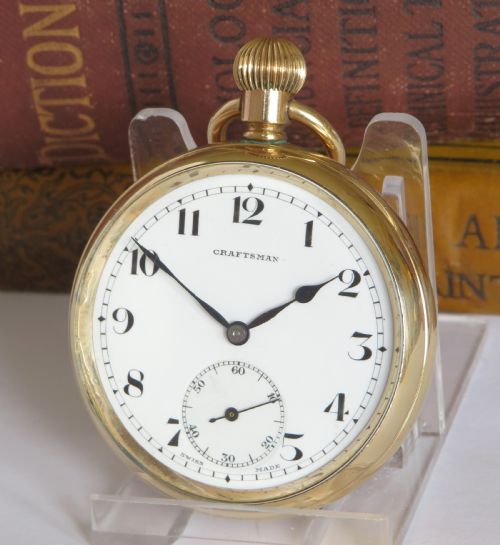
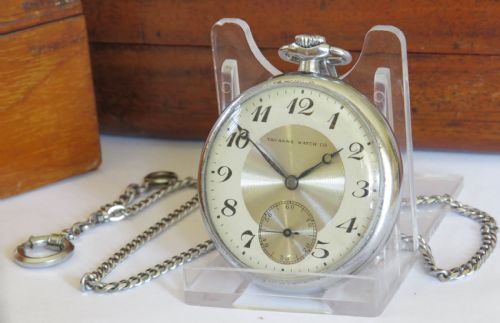
An art deco open face watch sits in the pocket without a hinged front lid, revealing the dial immediately upon retrieval. Most examples stem from the 1920s and 1930s, carrying the sharp lines and stylised typography characteristic of the period.
Makers housed these movements in metals ranging from simple brass and nickel to silver, gold plate, and solid gold. Chains, compasses and fobs occasionally accompany the watch, completing a functional ensemble intended for daily wear.
Materials and construction
Watchmakers utilised glass for the crystal and housed internal mechanisms within metal cases formed of steel, nickel, silver, or gold plate. Enamel frequently provided a durable, bright surface for the dial face and numerals.
Decoration on the casing relied on engine turned patterns, creating repetitive geometric textures directly onto the metal surface. Specialised finishes such as niello added dark metallic inlays to contrast with the surrounding silver.
Listings feature pieces spanning from the 1900s through the 1950s, with the 1920s and 1930s forming the vast majority of available pocket watches.
Distinctions in craftsmanship
Quality rests in the precision of the movement and the finish of the case. Solid gold and heavy silver cases with intricate engine turning sit above plain nickel or brass alternatives.
The presence of specialised complications, such as chronograph functions, or the inclusion of original matching chains and fobs, separates standard pocket watches from finer surviving specimens.
Zenith·Lemania·Omega·Cyma·Tavannes·Silvana·Elgin·Hamilton
The Art Deco Open Face Watch Glossary
- Open face
- A pocket watch design lacking a hinged metal cover over the glass crystal. This allows the user to read the time instantly without opening a lid.
- Engine turned
- A decorative technique involving precise geometric patterns engraved mechanically into metal surfaces. It adds texture and reduces glare on watch cases.
- Niello
- A black metallic alloy used as an inlay to fill engraved designs on silver. The contrast highlights the linear patterns typical of the era.
- Pocket watch
- A portable timepiece designed to fit in a waistcoat pocket, usually secured with a chain or fob. They operate via mechanical movements wound by hand.
- Chronograph
- A watch equipped with a stopwatch function alongside standard timekeeping. These mechanisms require additional gear trains inside the case.
Art Deco Open Face Watch: Frequently Asked Questions
How do you wear an open face watch?
An open face watch sits inside a waistcoat or jacket pocket while attached to a chain that fastens to a buttonhole. The chain secures the timepiece against accidental drops during daily movement.
Extracting the watch brings the dial into view immediately because there is no front cover to flip open. Many owners pair them with matching chains, fobs or small compasses for a complete period arrangement.
What materials are these watch cases made from?
Cases appear in a wide variety of metals, reflecting the manufacturing standards of the early twentieth century. Common metals include nickel, brass, steel, and silver, alongside gold plate and solid gold.
Glass protects the dial face, while enamel frequently provides the smooth background for the numerals and maker signatures. Some silver cases feature dark niello inlays for decorative contrast.
How do I tell a 1920s watch from a 1930s watch?
Dating relies heavily on typographic styles on the dial and the geometric motifs engraved on the case exterior. Pieces from the 1920s often lean towards classic pocket watch proportions with traditional numerals, while 1930s examples embrace sharper art deco styling.
Internal movements and hallmarks stamped inside the case back also offer clues to the exact year of production. Makers frequently registered serial numbers that help pinpoint the manufacturing decade.
Do these watches still keep accurate time?
Mechanical pocket watches from this era generally require proper servicing and manual winding to run reliably. Internal gears and mainsprings respond well to professional cleaning by a skilled horologist.
Daily use is entirely possible once a watch receives attention, though precision varies compared to modern quartz movements. Treat the vintage mechanism with care to preserve its delicate internal components.