





Art Deco Nude Figurine
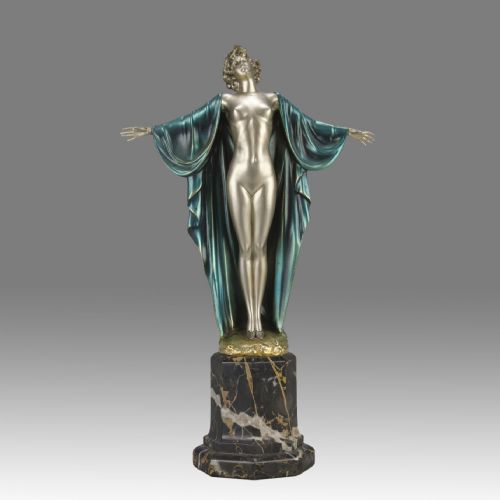
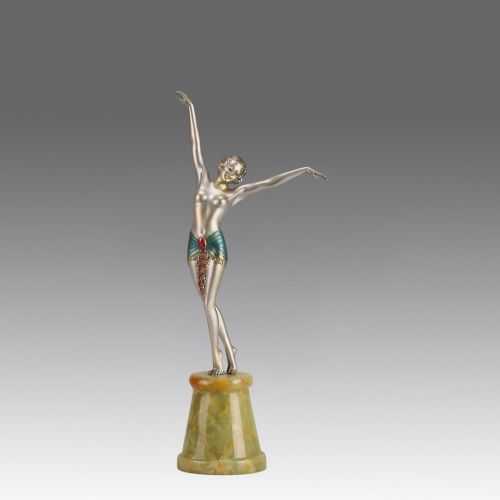
An art deco nude figurine captures the sleek dynamism and stylised grace of early twentieth-century design, bringing movement and elegance to a mantelpiece.
Art Deco Nude Figurine
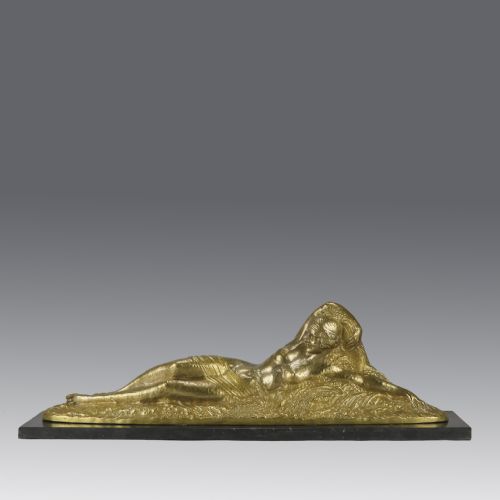
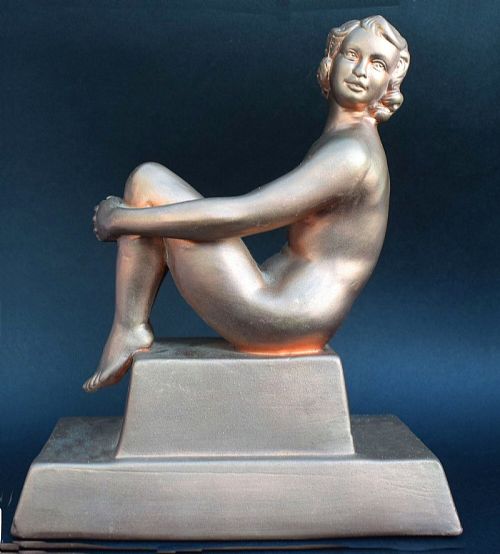
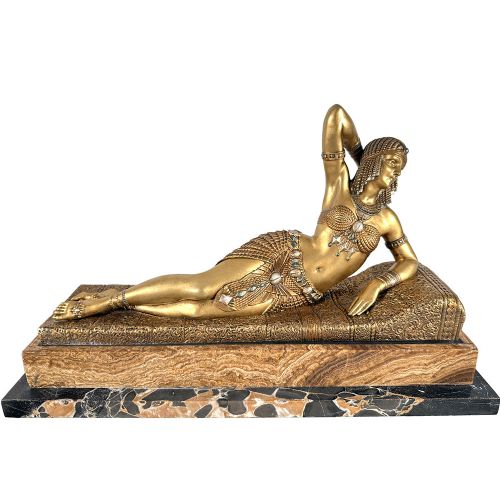
When you search for an art deco nude figurine, you encounter sculptural works that celebrate the human form through the lens of early twentieth-century modernism. These pieces span from the nineteen-tens through the nineteen-thirties, capturing the shift from late art nouveau into the sharp lines of french modernist style. You will find table lamps, car mascots, and standalone statuettes taking form as dancers, mythological figures, and athletic women.
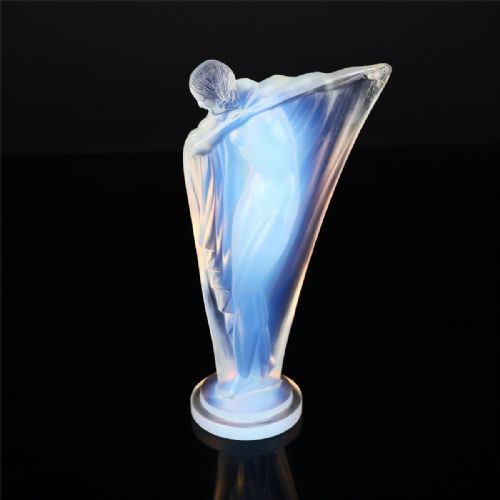
The most common examples on this page are bronze and spelter castings originating from French and Austrian studios. Figures stretch, recline, or balance on heavy stone plinths made of marble or onyx. Whether rendered as a cold-painted bronze dancer or an opalescent glass statuette, each object reflects the aesthetic preoccupations of the interwar period.
How they were made
Sculptors utilised traditional lost-wax casting methods to shape bronze into fluid postures, frequently enhancing the metal with cold-painting, silvering, or gilding. Many workshops paired these metal figures with stepped bases of contrasting black or veined marble and onyx to ground the composition.
Alternative materials also emerge across the selection, including cast spelter for more commercial editions, alongside moulded opalescent glass and delicate porcelain. Enamel details occasionally add colour to metallic surfaces, while mounted lamp fixtures integrate functional lighting directly into the sculptural design.
A frog prince watches over the bronze dancers, proving that even interwar modernists occasionally welcomed a fairy tale.
What varies in quality
The degree of surface finishing and patination fundamentally separates standard commercial castings from masterworks. Finer pieces display crisp chiselling that defines musculature, hair, and drapery without softening the contours during the casting process.
The choice and execution of the base material also dictate the tier of the piece. Heavy, well-fitted marble or onyx plinths that complement the silhouette indicate higher studio standards than simple timber or poorly aligned stone mounts.
Ferdinand Preiss·Josef Lorenzl·Demetre Chiparus·Sibylle May·Lucille Sevin·Aristide Maillol·Maurice Guiraud Riviere·Pierre Le Faguays·Claire Jeanne Roberte Colinet·René Lalique·Paul de Boulogne·Eugène Désiré Piron·Royal Dux·Albert Hussmann·Ugo Cipriani·C Neuhaus·Bruno Zach·Gustav Adolf Daumiller·Mario Korbel·Le Verrier·Paul Philippe
The Art Deco Nude Figurine Glossary
- Cold-painted bronze
- Bronze sculpture finished with oil or water-based paint that is applied without heat after casting. This technique allowed makers to introduce vibrant hues to dancers and mythological subjects.
- Spelter
- A zinc alloy commonly used as an economical alternative to bronze during the interwar period. It takes patination well but is softer and lighter than copper-based metals.
- Chryselephantine
- A term for statues constructed from a combination of bronze and ivory. While ivory is absent here, the composite method defined much of the luxury sculpture of the era.
- Patinated metal
- Metal treated with chemicals and heat to produce an intentional surface colour or aged finish. This process protects the underlying material while enhancing visual depth.
- Car mascot
- A small sculptural ornament mounted on the radiator caps of luxury automobiles. Several prominent sculptors adapted their female nude figures for this specific automotive format.
Art Deco Nude Figurine: Frequently Asked Questions
How do I display a figurine safely?
Place your sculpture on a stable, level surface away from direct sunlight and excessive humidity to protect the metal patination and stone bases.
Ensure heavier bronze and marble pieces rest on furniture capable of supporting their weight without risk of tipping or sliding.
Were these figures meant for lighting?
Certain sculptural pieces incorporate lamp fittings designed to cast a soft glow from behind or beneath the figure. These functional objects combine ambient illumination with decorative modernist design.
Other examples remain strictly standalone statuettes created solely for visual contemplation on desks or mantelpieces.
How do bronze and spelter differ?
Bronze is a durable copper alloy capable of holding exceptionally sharp casting details and enduring patinas. It represents the premium standard for sculptural editions of this era.
Spelter is a softer zinc-based alternative used for more accessible commercial production, requiring careful handling to prevent surface wear.