
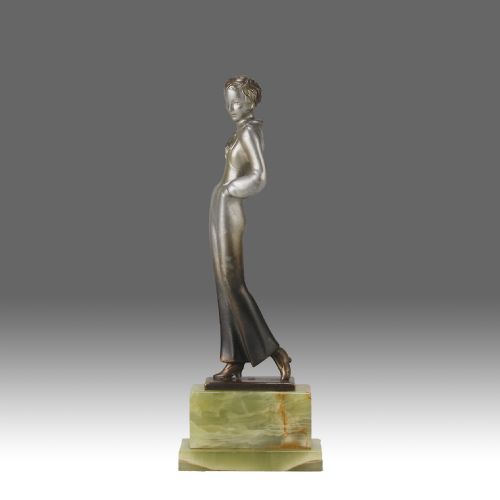
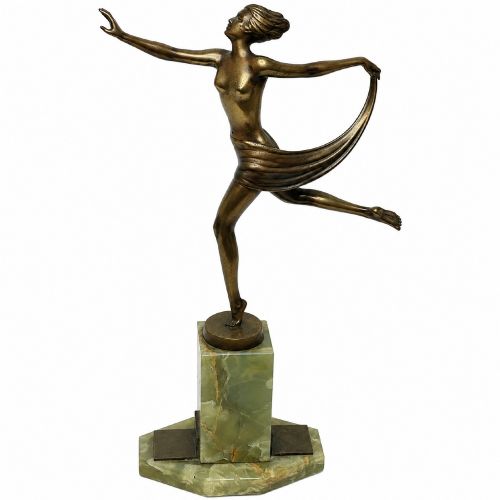
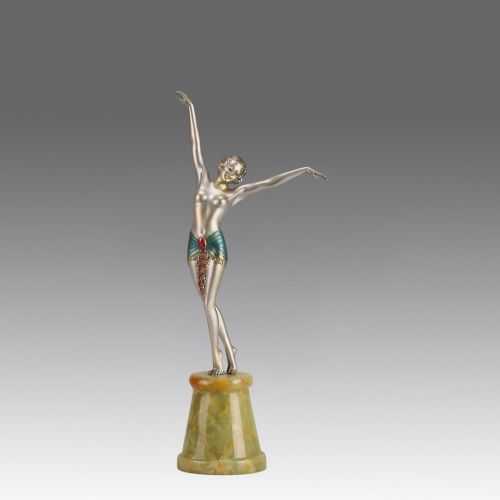
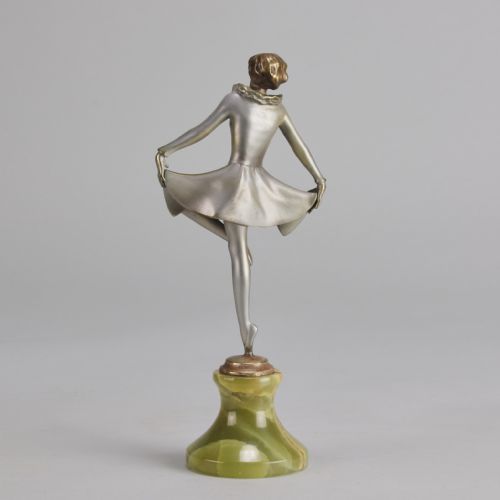




Onyx Base Bronze Sculpture
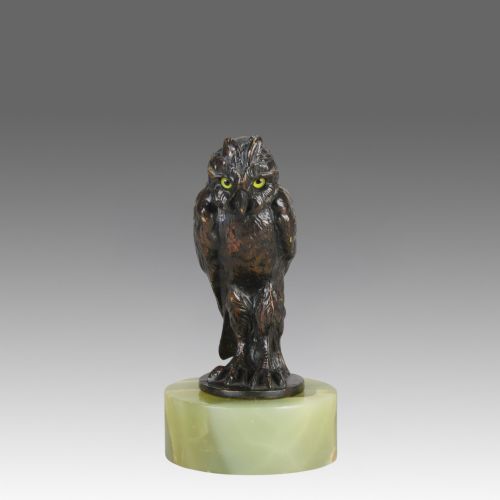
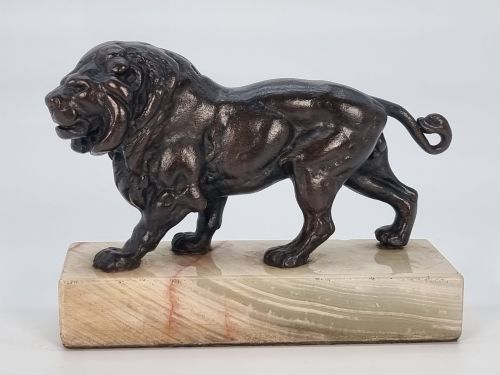
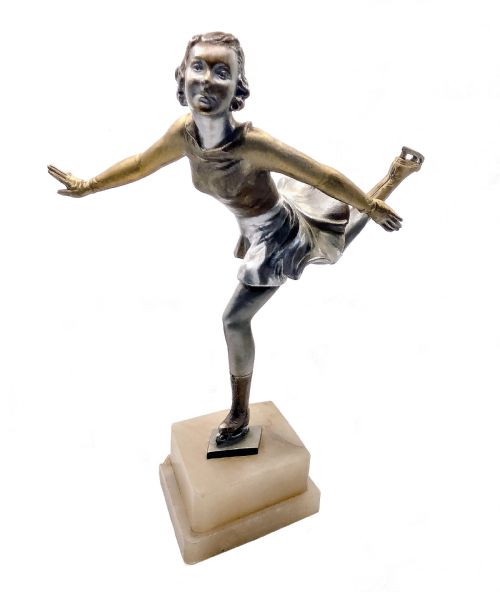
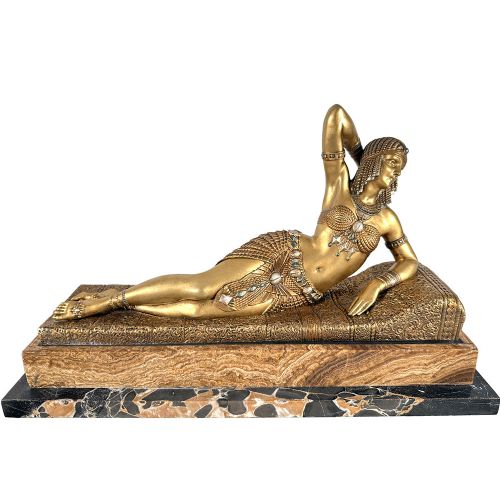
Onyx base bronze sculpture pieces combine substantial mineral plinths with metal figures, and buyers seek them for their distinct twentieth-century design presence.
Onyx Base Bronze Sculpture
When buyers search for onyx base bronze sculpture, they encounter figural works spanning the late nineteenth century through the early twentieth century. The selection contains numerous examples from the Art Deco period, alongside earlier animalier studies and classical interpretations.
Figures depicting dancers, athletes and animals dominate the inventory, often mounted directly onto shaped mineral plinths. The most frequent pieces date from the nineteen-twenties and nineteen-thirties, reflecting the sculptural output of European studios during that era.
The physical form pairs a heavy stone foundation with a cast metal subject, creating a balanced display object. These works range from small figurines and desk lighters to substantial mantel clocks and multi-figure groups.
Materials and casting methods
Foundries utilised traditional lost-wax casting for bronze components, whilst alternative metal alloys such as spelter appear in economical versions. Surface treatments include cold-painting, gilding and silvering to enhance the visual detail of garments and hair.
Plinths utilise natural stone materials, primarily onyx and marble, cut and polished to geometric or stepped profiles. These mineral bases anchor the composition, providing a contrasting colour and heavy foundation for the lighter metal figures above.
Current listings span periods from eighteen-eighty to nineteen-thirty, uniting Art Nouveau, animalier and Art Deco aesthetics.
Evaluating craftsmanship and materials
Quality separates genuine bronze casts with sharp chisel work from softer spelter alternatives that rely on painted surface finishes. Superior pieces exhibit precise facial expressions, delicate hand-painted polychrome details and tightly secured mountings to the stone.
The choice of plinth material influences overall desirability, with dense, multi-coloured onyx and patterned marble representing the upper tier. Master modellers and documented foundry marks further distinguish exceptional examples from standard commercial production.
Josef Lorenzl·Demetre Chiparus·Claire Colinet·Bruno Zach·Pierre Le Faguays·Paul Philippe
The Onyx Base Bronze Sculpture Glossary
- Bronze
- An alloy of copper and tin used for durable metal casting. It allows for fine detail and patination.
- Spelter
- A zinc-based alloy utilised as a cheaper alternative to bronze. It is softer and often requires painted finishes.
- Cold-Painted
- A technique where paint is applied to cold metal without heat firing. It appears frequently on Vienna bronzes.
- Chryselephantine
- A term describing sculptures combining metal and ivory. This technique defines several dancers from the period.
- Animalier
- The realistic depiction of animals in sculpture. These studies capture creatures in motion or repose.
Onyx Base Bronze Sculpture: Frequently Asked Questions
How do I clean an onyx base?
Dust the mineral plinth regularly with a dry microfibre cloth to prevent the accumulation of grit in surface pores.
Avoid liquid cleaners, as moisture can seep into natural stone fissures and alter the polished finish.
What is the difference between bronze and spelter?
Bronze is a heavy copper alloy that accepts detailed chasing and holds patination securely over long periods.
Spelter is a lighter, zinc-based substitute that feels softer to the touch and typically relies on applied paint for colour.
Are these figures attached permanently?
Figures connect to the stone plinth via threaded rods and secure nuts concealed beneath the base.
Over decades, these fixings can loosen slightly, requiring careful adjustment from underneath to stabilise the sculpture.