




Art Deco Metal Sculpture
These art deco metal sculpture pieces capture the speed, movement and sharp geometry of the interwar period.
Art Deco Metal Sculpture
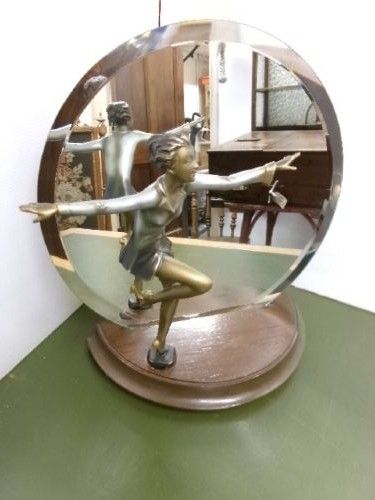
When you search for art deco metal sculpture, you meet figures of dancers, animals, bookends and desk accessories spanning the early twentieth century. The selections range from cold painted bronze dancers to spelter animal groups and chromeplated novelties.
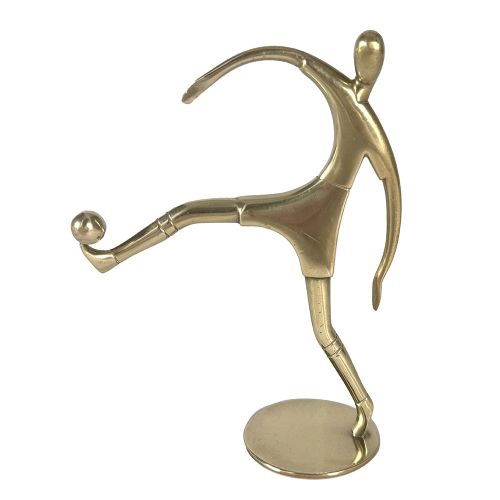
French workshops and independent makers produced the majority of these pieces in the nineteen twenties and nineteen thirties. Subjects stretch from human figures and sporting trophies to functional items like table lamps, lighters and clocks.
Materials and Techniques
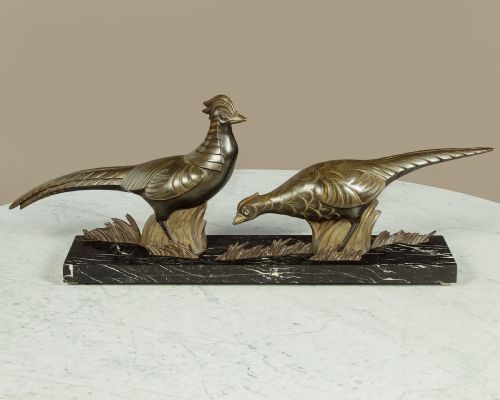
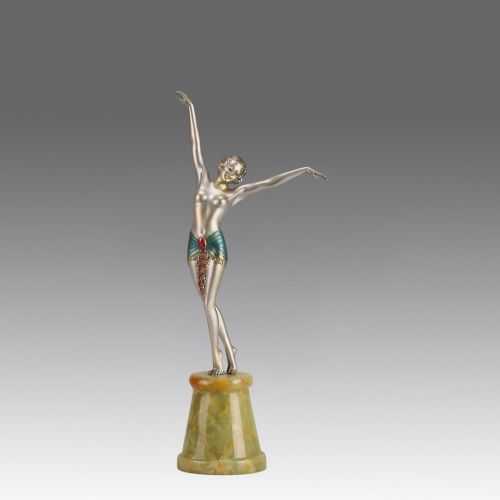
Foundries cast figures in bronze or base metal spelter, mounting them onto heavy plinths of black marble or onyx. Artisans then applied cold painting, gilding or chrome plating to finish the surface details.
Many items combine cast metal with carved stone bases, while others use patinated metal or silver plating. Signatures and foundry marks often appear directly on the metal surface or the stone base.
Listings feature items mounted on marble and onyx bases, utilising materials from bronze and spelter to chrome and aluminium.
Distinctions in Quality
The distinction between standard commercial items and finer works rests in the crispness of the casting and the preservation of the original surface finish. Hot cast bronze examples show sharper detail than later spelter castings.
Original cold painting and patination retain depth and subtlety that routine touchups obscure. The quality of the marble or onyx plinth and the integration of the figure into its base also distinguish the work.
Pierre le Faguays·Josef Lorenzl·Eugene Canneel·C Omin·P. Sega·Bruno Zach·Marion Willis Stanfield·H. Bal
The Art Deco Metal Sculpture Glossary
- Spelter
- A zinc alloy commonly used as a costeffective alternative to bronze in figure casting during the period. It accepts patination and paint well but remains softer than bronze.
- Cold Painted
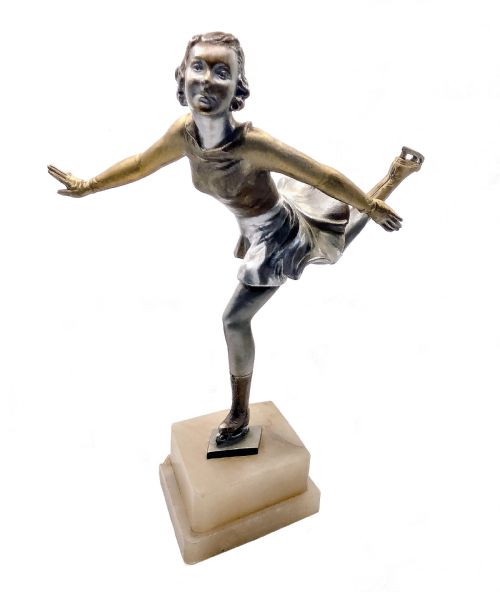
- A technique where paint is applied to metal without subsequent firing in a kiln. It is particularly associated with Viennese bronzes and dancer figures.
- Patination
- The chemical colouring or natural ageing of a metal surface over time. Artists used patination to enhance shadows and depth on figures.
- Animalier
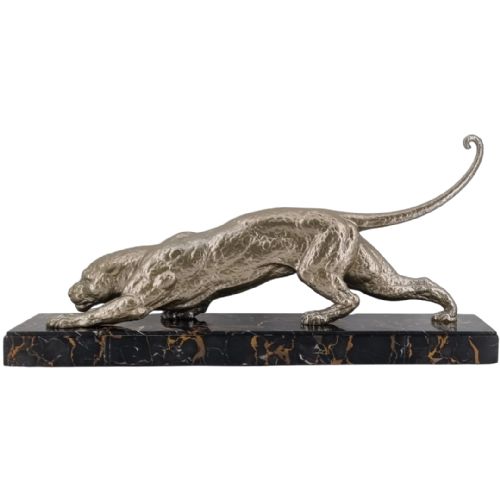
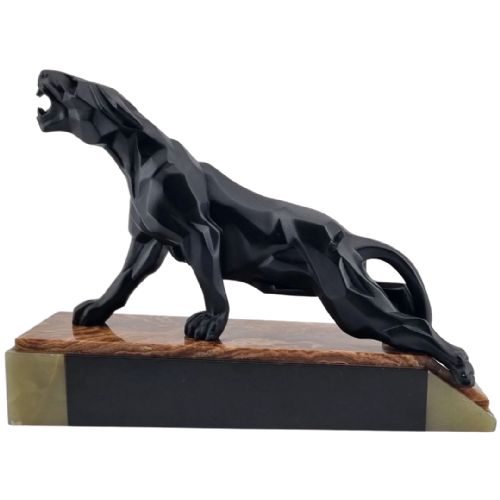
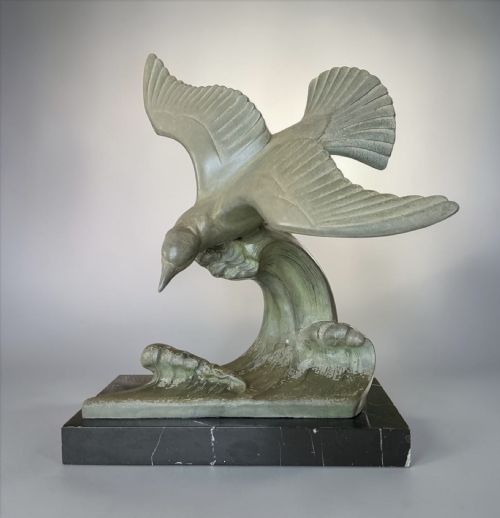
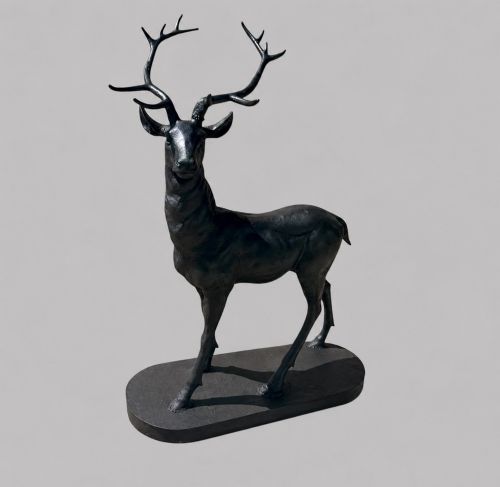
- A nineteenth and twentieth century genre focusing on the realistic depiction of animals. Pieces often show panthers, dogs, birds or horses in dynamic poses.
- Bookends
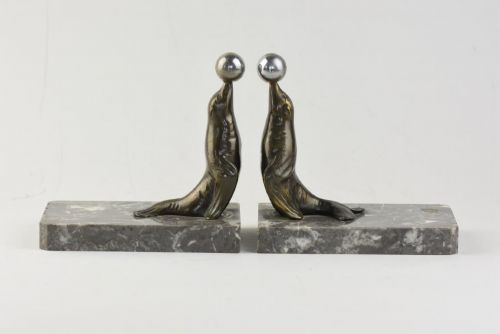
- A matched pair of heavy objects designed to support upright books on a shelf. They frequently adopt the animal or figural motifs characteristic of the style.
Art Deco Metal Sculpture: Frequently Asked Questions
What is spelter?
Spelter is a zinc alloy that workshops used extensively for decorative figures and bookends during the interwar years. It provided a cheaper alternative to bronze while allowing makers to produce detailed statuettes.
Objects cast in spelter are lighter than bronze and require careful handling to protect their surface paint or patination. Many figures from the period combine this metal with heavy marble bases for stability.
How do I care for these pieces?
Keep metal sculptures away from direct sunlight and excessive moisture to protect the original cold painted or patinated surfaces. Dust them gently with a soft dry cloth.
Avoid using metal polishes or chemical cleaners, as these can strip away historic patination or damage painted details on bronze and spelter.
Are these pieces signed?
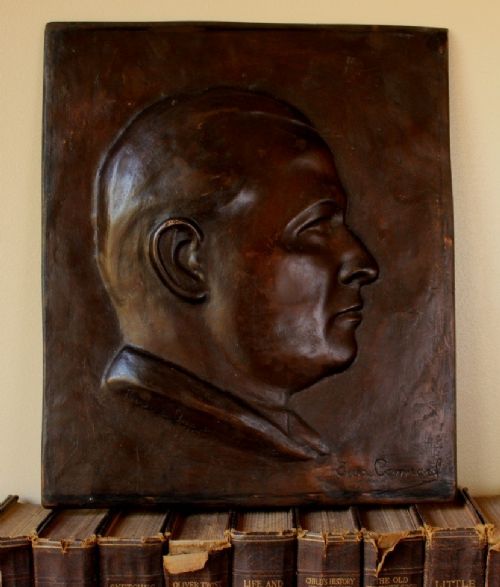
Many figures and plaques carry artist signatures or foundry marks stamped directly into the metal or incised into the stone plinth. Some bear attributions to prominent designers of the era.
Unsigned pieces remain common, often originating from anonymous commercial foundries that produced decorative items for the domestic market.
What subjects are common?
Human figures, particularly female dancers, acrobats and figures in motion, form a large portion of the available designs. These capture the energetic spirit of the nineteen twenties and thirties.
Animal subjects such as panthers, birds, dogs and sealions also appear frequently, alongside functional items like desk tidies, lighters, clocks and bookends.